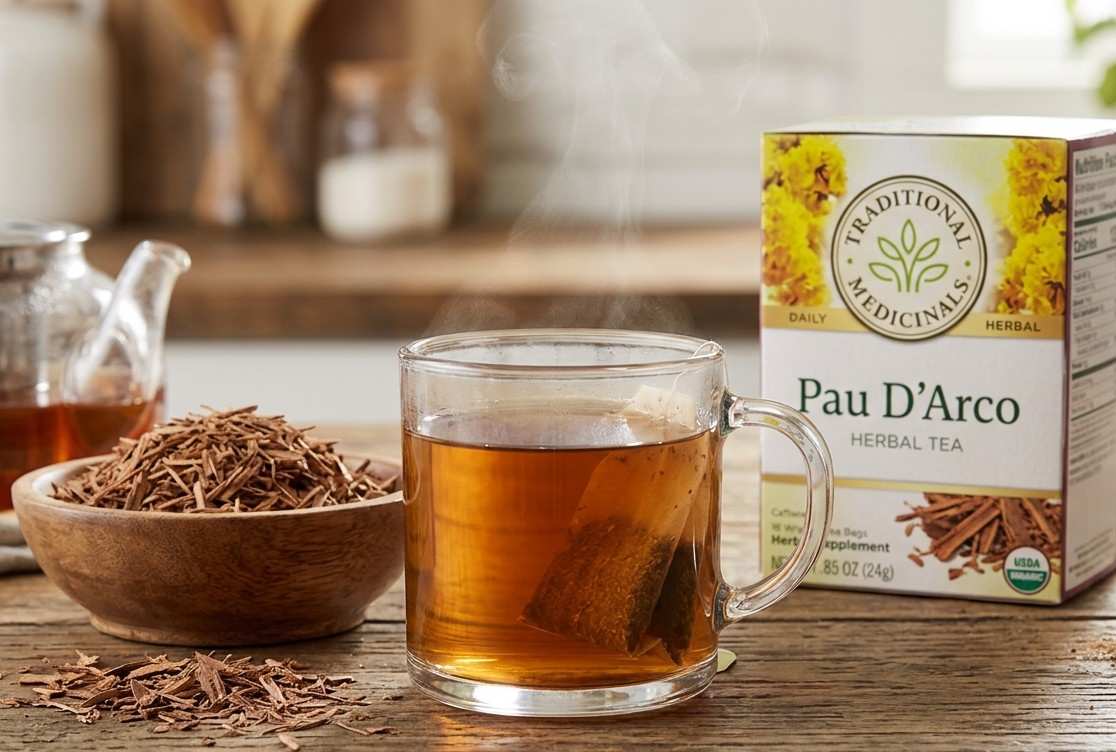
Pau D’Arco Tea is a traditional herbal tea made from the inner bark of the Pau D’Arco tree, a flowering tree native to South and Central America. For centuries, indigenous communities have used this herbal remedy to support immunity, fight infections, and promote overall wellness. Today, Pau D’Arco Tea is gaining worldwide popularity because of its earthy flavor and potential health benefits.
This caffeine-free herbal tea contains plant compounds such as lapachol, quercetin, and beta-lapachone, which are believed to contribute to its medicinal properties. Many people drink Pau D’Arco Tea for detoxification, digestive support, inflammation reduction, and immune health.
In this guide, you will learn everything about Pau D’Arco Tea, including its nutrition, proven health benefits, side effects, preparation methods, best time to drink it, and important precautions.
What is Pau D’Arco Tea?
Pau D’Arco Tea is an herbal infusion prepared from the inner bark of trees belonging to the Tabebuia genus, especially Tabebuia impetiginosa and Tabebuia avellanedae. These trees grow mainly in the rainforests of Brazil, Argentina, Paraguay, and other parts of South America.
The tea has been used in traditional medicine for hundreds of years. Indigenous tribes brewed the bark into tea to help treat fever, infections, inflammation, stomach issues, and skin conditions.
Pau D’Arco Tea has a mild woody flavor with slightly bitter and earthy notes. Unlike black or green tea, it naturally contains no caffeine, making it suitable for people looking for a calming herbal beverage. The tea is rich in antioxidants and natural plant chemicals that may support the body’s defense system and overall health.
Nutritional Facts of Pau D’Arco Tea
The exact nutritional profile of Pau D’Arco Tea may vary depending on preparation and bark quality.
| Nutrient | Approximate Amount Per Cup |
|---|---|
| Calories | 2–5 |
| Carbohydrates | Less than 1 g |
| Protein | 0 g |
| Fat | 0 g |
| Fiber | 0 g |
| Caffeine | 0 mg |
| Antioxidants | Moderate |
| Flavonoids | Present |
| Lapachol | Present |
| Beta-Lapachone | Present |
| Quercetin | Present |
| Minerals | Trace amounts |
20 Science-Backed Benefits of Pau D’Arco Tea
- Supports Immune Health: Pau D’Arco Tea contains antioxidant compounds that may help strengthen the immune system and support the body against infections.
- Rich in Antioxidants: The tea provides antioxidants that help combat oxidative stress and reduce free radical damage in the body.
- May Help Fight Fungal Infections: Traditional use and some laboratory studies suggest Pau D’Arco may help inhibit certain fungi, including Candida species.
- Supports Digestive Wellness: Drinking Pau D’Arco Tea may help soothe digestive discomfort and promote healthier digestion.
- May Reduce Inflammation: Natural compounds in the bark may help lower inflammation linked to chronic health conditions.
- Could Support Respiratory Health: Pau D’Arco Tea has traditionally been used to help relieve symptoms associated with colds, coughs, and sinus congestion.
- May Promote Skin Health: Its antioxidant and antimicrobial properties may contribute to healthier skin from within.
- Supports Detoxification: Pau D’Arco Tea may assist the body’s natural detox processes by supporting liver function and waste elimination.
- May Have Antibacterial Properties: Research suggests the bark contains compounds that may help slow the growth of harmful bacteria.
- Can Promote Relaxation: Being naturally caffeine-free, the tea may help encourage relaxation and calmness.
- May Help with Joint Comfort: Anti-inflammatory compounds may support joint flexibility and comfort.
- Supports Oral Health: Antimicrobial properties may help reduce bacteria linked to bad breath and gum issues.
- Could Improve Circulation: Some traditional uses suggest Pau D’Arco Tea may help support healthy blood circulation.
- May Assist in Managing Fever: Historically, the tea was used to help reduce fever symptoms in traditional medicine.
- Supports Liver Function: Antioxidants may help protect liver cells from oxidative stress.
- May Help Reduce Fatigue: Some people report feeling more energized and refreshed after regular moderate consumption.
- Can Support Gut Balance: Pau D’Arco Tea may help maintain a healthier balance of microorganisms in the digestive tract.
- May Aid Seasonal Wellness: The tea is commonly consumed during seasonal changes to support immune resilience.
- Could Support Healthy Aging: Antioxidants in the tea may help reduce cellular damage associated with aging.
- May Promote Overall Wellness: Regular moderate intake may contribute to improved general health and vitality.
10 Side Effects of Pau D’Arco Tea
- May Cause Nausea: Drinking large amounts of Pau D’Arco Tea may upset the stomach and lead to nausea.
- Can Trigger Dizziness: Some individuals may experience dizziness or lightheadedness after consuming the tea.
- May Increase Bleeding Risk: Pau D’Arco may slow blood clotting and increase the risk of bleeding in sensitive individuals.
- Could Cause Vomiting: Excessive intake may irritate the digestive system and lead to vomiting.
- May Lead to Diarrhea: High consumption can sometimes result in loose stools or digestive discomfort.
- Can Trigger Allergic Reactions: People sensitive to herbal products may experience itching, rash, or allergic symptoms.
- May Interfere with Medications: Pau D’Arco Tea can interact with blood thinners and other medications.
- Could Affect Pregnancy: Pregnant women should avoid Pau D’Arco because high doses may be unsafe during pregnancy.
- May Cause Weakness: Overconsumption could result in fatigue or physical weakness in some people.
- Can Irritate the Liver in High Doses: Extremely large amounts may stress the liver and should be avoided.
How to Make Pau D’Arco Tea
Ingredients:
- 1–2 teaspoons Pau D’Arco bark
- 2 cups water
- Honey or lemon (optional)
Instructions:
- Pour water into a saucepan and bring it to a boil.
- Add the Pau D’Arco bark to the boiling water.
- Reduce the heat and let it simmer for about 15–20 minutes.
- Turn off the heat and allow the tea to steep for another 10–15 minutes.
- Strain the tea into a cup.
- Add honey or lemon if desired.
- Serve warm and enjoy.
Other Uses of Pau D’Arco Tea
- Herbal Baths: Pau D’Arco Tea can be added to bathwater for relaxation and skin soothing purposes.
- Skin Cleansing: Some people use cooled Pau D’Arco Tea as a natural skin rinse because of its antimicrobial properties.
- Gargle for Oral Care: The tea may be used as a mouth rinse to support oral hygiene and fresh breath.
- Compress for Skin Irritation: A cloth soaked in cooled tea may be applied externally to irritated skin areas.
- Herbal Blends: Pau D’Arco is commonly blended with herbs like ginger, cinnamon, or peppermint for added flavor and wellness support.
How Much Pau D’Arco Tea Can You Drink a Day?
Moderation is important when drinking Pau D’Arco Tea. Most people consume 1–2 cups daily for general wellness purposes.
Drinking excessive amounts is not recommended because high doses may increase the risk of side effects such as nausea, dizziness, and bleeding issues.
For beginners, starting with one small cup per day is a safer approach to assess tolerance.
People with medical conditions or those taking medications should consult a healthcare professional before regular use.
Tips for Consuming Pau D’Arco Tea
- Start with Small Amounts: Begin with a mild brew to see how your body responds.
- Drink Freshly Brewed Tea: Fresh tea provides better flavor and potentially higher antioxidant content.
- Avoid Excessive Intake: Do not consume large quantities for prolonged periods.
- Pair with a Healthy Diet: Combining the tea with balanced nutrition may improve overall wellness benefits.
- Store Properly: Keep Pau D’Arco bark in an airtight container away from moisture and sunlight.
- Choose High-Quality Bark: Organic and reputable sources may provide better quality and purity.
- Stay Hydrated: Drink enough water alongside herbal teas to support healthy hydration.
Best Time to Drink Pau D’Arco Tea
Morning
Drinking Pau D’Arco Tea in the morning may help support digestion and provide a refreshing start to the day.
Afternoon
An afternoon cup may promote relaxation without causing caffeine-related jitters.
During Seasonal Changes
Many people drink the tea during cold or allergy seasons to support immune health.
After Meals
Consuming the tea after meals may help aid digestion and reduce bloating.
Evening
Because it is caffeine-free, Pau D’Arco Tea can also be enjoyed in the evening for relaxation.
Who Should Drink Pau D’Arco Tea?
- People Seeking Immune Support: Those looking for natural ways to support their immune system may benefit from moderate consumption.
- Individuals Wanting a Caffeine-Free Tea: Pau D’Arco Tea is suitable for people avoiding caffeine.
- Adults Interested in Herbal Wellness: People who enjoy traditional herbal remedies may appreciate its potential benefits.
- Individuals Looking for Antioxidant Support: Its antioxidant compounds may support overall wellness and healthy aging.
- Those Seeking Relaxation: The calming nature of herbal tea can be comforting during stressful days.
Who Should Not Drink Pau D’Arco Tea?
- Pregnant Women: Pregnant women should avoid Pau D’Arco Tea due to potential safety concerns.
- Breastfeeding Mothers: There is limited research regarding its safety during breastfeeding.
- People Taking Blood Thinners: Because Pau D’Arco may affect blood clotting, it should be avoided with anticoagulant medications unless approved by a doctor.
- Individuals with Bleeding Disorders: Those with clotting disorders should avoid the tea.
- Children Without Medical Guidance: Children should only consume it under professional supervision.
- People Preparing for Surgery: Avoid drinking Pau D’Arco Tea at least two weeks before surgery because it may increase bleeding risk.
Precautions and Interactions
Pau D’Arco Tea should be consumed responsibly and in moderation. Although it has traditional uses and promising plant compounds, scientific evidence in humans is still limited.
Medication Interactions:
The tea may interact with:
- Blood-thinning medications
- Anticoagulants
- Antiplatelet drugs
- Certain immune-related medications
Allergic Reactions:
Stop using the tea if you experience rash, itching, swelling, or breathing difficulties.
Avoid High Doses:
Large quantities may increase the risk of toxicity and digestive discomfort.
Consult a Healthcare Professional:
People with chronic health conditions should seek medical advice before regular use.
Not a Replacement for Medical Treatment:
Pau D’Arco Tea should not replace prescribed medications or professional healthcare treatment.
Conclusion
Pau D’Arco Tea is a traditional herbal beverage with a long history of use in South American herbal medicine. Known for its earthy flavor and natural compounds, this caffeine-free tea may support immunity, digestion, inflammation control, and overall wellness when consumed in moderation.
While the tea offers several potential benefits, it is important to use it carefully because excessive intake may cause side effects or interact with medications. Choosing high-quality bark, following proper brewing methods, and consuming moderate amounts can help you enjoy Pau D’Arco Tea safely.
As with any herbal remedy, consulting a healthcare professional before regular use is the best approach, especially for people with medical conditions, those taking medications, pregnant women, or breastfeeding mothers.
FAQ’s
What does Pau D’Arco Tea taste like?
Pau D’Arco Tea has a mild earthy, woody, and slightly bitter flavor with subtle herbal notes.
Is Pau D’Arco Tea caffeine-free?
Yes, Pau D’Arco Tea naturally contains no caffeine.
Can Pau D’Arco Tea help boost immunity?
Its antioxidant and antimicrobial compounds may help support immune health when consumed in moderation.
Can Pau D’Arco Tea help with Candida?
Some laboratory studies suggest Pau D’Arco may have antifungal properties that could help against Candida species.
Is Pau D’Arco Tea safe for long-term use?
Long-term daily use in large amounts is not generally recommended without medical guidance.
Can pregnant women drink Pau D’Arco Tea?
No, pregnant women should avoid Pau D’Arco Tea due to possible safety concerns.
Does Pau D’Arco Tea help with inflammation?
Its natural plant compounds may help reduce inflammation in the body.
Is Pau D’Arco Tea good for digestion?
Many people drink it to support digestion and reduce stomach discomfort.
Can Pau D’Arco Tea help with skin health?
Its antioxidant and antimicrobial properties may contribute to healthier skin.
Can children drink Pau D’Arco Tea?
Children should only consume it under medical supervision.
How should Pau D’Arco Tea be stored?
Store the dried bark in an airtight container away from heat, sunlight, and moisture.
Can Pau D’Arco Tea help with colds?
Traditionally, it has been used to support respiratory wellness during colds and seasonal illnesses.
Does Pau D’Arco Tea contain antioxidants?
Yes, the tea contains antioxidants such as flavonoids and other plant compounds.
Is Pau D’Arco Tea good before bed?
Yes, its caffeine-free nature makes it suitable for evening consumption.
Can Pau D’Arco Tea help detox the body?
It may support the body’s natural detoxification processes and liver function.
Can I drink Pau D’Arco Tea every day?
Yes, many people drink Pau D’Arco Tea daily in moderate amounts, usually 1–2 cups per day. However, long-term excessive use is not recommended because it may increase the risk of side effects or medication interactions.
How long does it take for Pau D’Arco Tea to work?
The effects of Pau D’Arco Tea can vary depending on the individual and the reason for use. Some people may notice digestive or calming effects within a few days, while other potential wellness benefits may take several weeks of consistent moderate consumption.
What is Pau D’Arco Tea good for?
Pau D’Arco Tea is commonly used to support immune health, digestion, inflammation control, antioxidant protection, relaxation, and overall wellness. It has also traditionally been used for fungal and respiratory support.
Also Read: