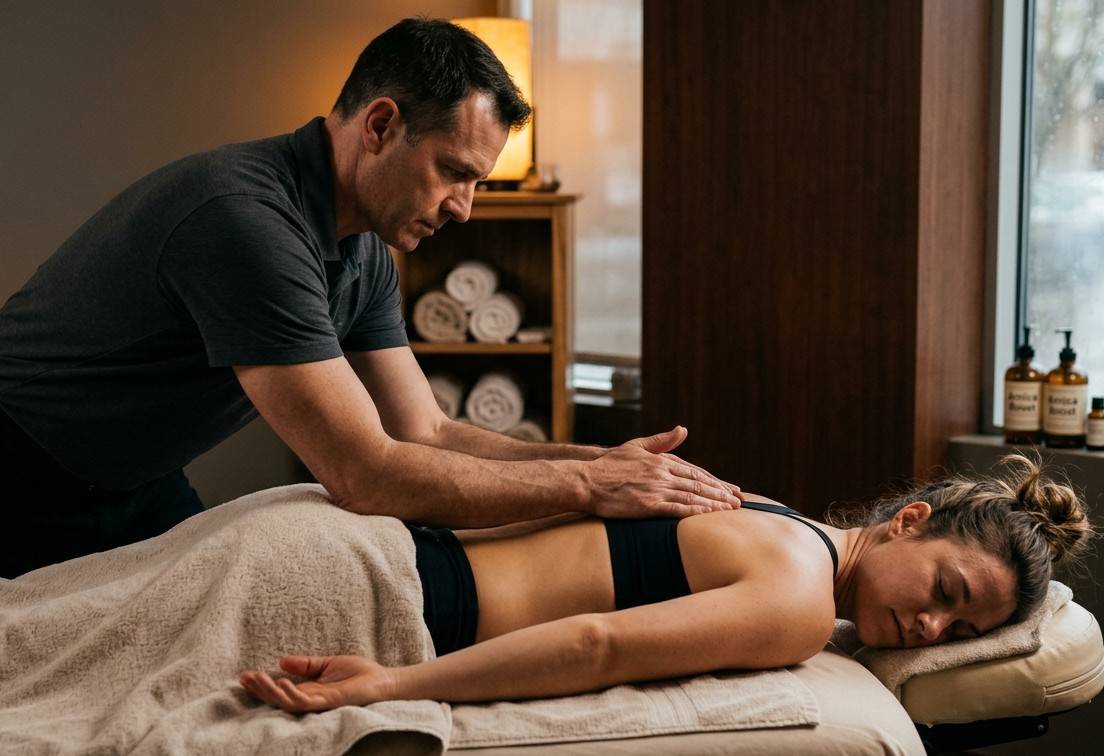
Deep tissue massage is one of the most popular therapeutic massage techniques used for relieving chronic pain, muscle tension, and stress-related discomfort. Unlike gentle relaxation massages, deep tissue massage targets the deeper layers of muscles and connective tissues through firm pressure and slow strokes. It is commonly recommended for athletes, office workers, fitness enthusiasts, and individuals dealing with long-term muscular stiffness.
In today’s fast-paced lifestyle, prolonged sitting, poor posture, physical strain, and stress can lead to muscle knots and chronic pain. Deep tissue massage offers a natural and effective solution to improve mobility, enhance blood circulation, and support overall wellness. Whether you are recovering from physical activity or managing daily body aches, understanding how deep tissue massage works can help you decide if it is the right therapy for you.
This guide covers everything you need to know about deep tissue massage, including its benefits, techniques, side effects, preparation tips, aftercare, and frequently asked questions.
What Is Deep Tissue Massage?
Deep tissue massage is a massage therapy technique that focuses on realigning deeper layers of muscles, tendons, and connective tissues. Therapists use firm pressure and slow strokes to target areas of tension, chronic pain, and muscle adhesions, often called knots.
Unlike Swedish massage, which mainly promotes relaxation, deep tissue massage is more therapeutic and problem-focused. It is commonly used to treat:
- Chronic back pain
- Neck stiffness
- Shoulder tension
- Sports injuries
- Muscle tightness
- Postural problems
- Repetitive strain injuries
The pressure used during a deep tissue massage can vary depending on the client’s comfort level and the severity of muscle tension.
How Deep Tissue Massage Works
Deep tissue massage works by applying sustained pressure to break up scar tissue and muscle adhesions. These adhesions can restrict blood flow, cause inflammation, and create pain or limited movement.
The therapist typically uses:
- Fingers
- Knuckles
- Elbows
- Forearms
- Thumbs
The massage often begins with lighter pressure to warm up the muscles before gradually moving into deeper techniques. This process helps increase circulation, reduce inflammation, and improve flexibility.
Types of Deep Tissue Massage Techniques
1. Stripping
Stripping involves applying deep pressure along the length of the muscle fibers using elbows, thumbs, or forearms. This helps release chronic tension and tight muscles.
2. Friction Technique
The therapist applies pressure across muscle fibers to break down scar tissue and improve mobility.
3. Trigger Point Therapy
This technique targets specific muscle knots or trigger points that cause pain in other areas of the body.
4. Myofascial Release
Myofascial release focuses on loosening tight connective tissues around muscles to restore flexibility and movement.
5. Cross-Fiber Massage
This technique works against the direction of muscle fibers to improve healing and reduce stiffness.
20 Proven Benefits of Deep Tissue Massage
1. Relieves Chronic Pain
Massage may help reduce chronic pain by relaxing tight muscles and improving circulation.
2. Reduces Muscle Tension
Firm pressure can release muscle knots and decrease tightness throughout the body.
3. Improves Blood Circulation
The massage stimulates blood flow, helping deliver oxygen and nutrients to muscles.
4. Supports Injury Recovery
It may help speed up recovery from sports injuries and muscle strains.
5. Enhances Flexibility
Deep tissue techniques can improve joint mobility and muscle flexibility.
6. Reduces Stress Levels
Massage therapy promotes relaxation and lowers stress hormones in the body.
7. Helps Improve Posture
By releasing tight muscles, deep tissue massage may correct posture-related imbalances.
8. Eases Neck and Shoulder Pain
It can reduce stiffness caused by prolonged sitting or poor ergonomics.
9. Helps Reduce Lower Back Pain
Massage is commonly used for chronic lower back discomfort.
10. Breaks Down Scar Tissue
Massage pressure may help soften scar tissue and improve mobility after injuries.
11. Supports Athletic Performance
Athletes often use deep tissue massage to improve muscle recovery and performance.
12. May Lower Blood Pressure
Some studies suggest massage therapy may temporarily reduce blood pressure levels.
13. Improves Sleep Quality
Relaxed muscles and reduced stress can contribute to better sleep.
14. Reduces Headaches
Tension headaches caused by tight neck and shoulder muscles may improve with massage therapy.
15. Helps Manage Sciatica Pain
Deep tissue massage may ease pressure around the sciatic nerve.
16. Improves Range of Motion
Looser muscles and connective tissues can increase movement efficiency.
17. Supports Mental Relaxation
Massage therapy can create a calming effect on the nervous system.
18. Reduces Muscle Soreness
It may help decrease delayed onset muscle soreness after workouts.
19. Promotes Faster Healing
Improved circulation may support tissue repair and recovery.
20. Encourages Overall Wellness
Regular massage sessions can contribute to better physical and emotional health.
Areas Commonly Treated With Deep Tissue Massage
Deep tissue massage can target multiple body areas depending on the client’s needs.
- Back: The lower and upper back are common areas for chronic tension and stiffness.
- Neck: Massage techniques help relieve tight neck muscles caused by stress and poor posture.
- Shoulders: Shoulder massage can reduce tension from repetitive movements and desk work.
- Legs: Athletes often receive massage on the hamstrings, calves, and thighs.
- Arms: Massage may help relieve repetitive strain injuries in the arms and wrists.
- Glutes and Hips: Tight hip and glute muscles can contribute to lower back and leg pain.
Who Can Benefit From Deep Tissue Massage?
Massage may benefit:
- Athletes
- Office workers
- Individuals with chronic pain
- People with poor posture
- Fitness enthusiasts
- Individuals recovering from injuries
- People experiencing stress-related muscle tension
What Happens During a Deep Tissue Massage Session?
A typical deep tissue massage session lasts between 60 and 90 minutes.
Consultation
The therapist asks about:
- Pain areas
- Injuries
- Health conditions
- Pressure preferences
Warm-Up
Light pressure is applied first to warm up the muscles.
Deep Pressure Techniques
The therapist gradually works deeper into the muscle layers.
Focus Areas
Special attention is given to tight or painful areas.
Post-Massage Guidance
Clients may receive stretching or hydration recommendations afterward.
How to Prepare for a Deep Tissue Massage
- Stay Hydrated: Drinking water before the massage supports muscle health.
- Avoid Heavy Meals: Eating lightly before the session can improve comfort.
- Wear Comfortable Clothing: Loose clothing makes it easier to relax before and after the massage.
- Communicate With the Therapist: Discuss pain levels and pressure preferences openly.
- Arrive Early: Arriving a few minutes early allows time to relax.
What to Expect After a Deep Tissue Massage
It is normal to experience mild soreness for one or two days after the session. This soreness is similar to post-workout muscle discomfort.
You may also notice:
- Improved flexibility
- Reduced muscle tension
- Relaxation
- Better sleep
- Temporary fatigue
Applying a warm compress and staying hydrated may help ease soreness.
10 Side Effects of Deep Tissue Massage
1. Temporary Muscle Soreness
Deep pressure may cause mild soreness after the massage.
2. Fatigue
Some people feel tired due to muscle relaxation and stress release.
3. Bruising
Sensitive individuals may experience minor bruising.
4. Tenderness
Certain treated areas can remain tender temporarily.
5. Headaches
Dehydration or muscle release may trigger mild headaches.
6. Inflammation
Aggressive pressure can sometimes cause temporary inflammation.
7. Dizziness
Standing up too quickly after the massage may lead to dizziness.
8. Skin Redness
Pressure and friction can cause temporary redness on the skin.
9. Increased Sensitivity
Muscles may feel more sensitive for a short period.
10. Discomfort During Treatment
Deep pressure can occasionally feel uncomfortable, especially around tight knots.
Who Should Avoid Deep Tissue Massage?
Deep tissue massage may not be suitable for everyone.
Consult a healthcare professional before getting a massage if you have:
- Blood clotting disorders
- Severe osteoporosis
- Open wounds
- Recent surgeries
- Skin infections
- Fractures
- Severe inflammation
- Pregnancy complications
Individuals taking blood thinners should also speak with a doctor beforehand.
Deep Tissue Massage for Athletes
Athletes often use massage to:
- Improve recovery
- Reduce muscle soreness
- Increase flexibility
- Prevent injuries
- Enhance performance
Many sports therapists incorporate deep tissue techniques into athletic recovery programs.
Deep Tissue Massage for Office Workers
Long hours at a desk can cause:
- Neck stiffness
- Back pain
- Tight shoulders
- Poor posture
Massage may help counteract these issues by loosening tight muscles and improving circulation.
How Often Should You Get a Deep Tissue Massage?
The ideal frequency depends on your needs.
For Chronic Pain
Once a week or every two weeks may be beneficial initially.
For Maintenance
Monthly sessions are often enough for general wellness.
For Athletes
Sessions may be scheduled around training and recovery periods.
Always consult a qualified therapist for personalized recommendations.
Tips for Maximizing the Benefits of Deep Tissue Massage
- Drink Plenty of Water: Hydration supports muscle recovery.
- Stretch Regularly: Gentle stretching helps maintain flexibility.
- Rest if Needed: Allow your body time to recover after intense sessions.
- Maintain Good Posture: Proper posture can prevent recurring muscle tension.
- Exercise Consistently: Regular movement supports long-term muscle health.
Oils Commonly Used in Deep Tissue Massage
Therapists may use massage oils to reduce friction and improve comfort.
Common options include:
- Coconut oil
- Almond oil
- Jojoba oil
- Grapeseed oil
- Lavender-infused oils
Some oils may also provide aromatherapy benefits.
Can Deep Tissue Massage Help Anxiety and Stress?
Although deep tissue massage is primarily physical therapy, it may also support emotional wellness. Massage can activate the parasympathetic nervous system, helping the body relax.
Benefits may include:
- Reduced stress hormones
- Better sleep
- Improved mood
- Mental relaxation
However, it should not replace professional mental health treatment when needed.
Deep Tissue Massage and Trigger Points
Trigger points are tight muscle areas that may cause pain in other parts of the body. Massage often targets these points to relieve discomfort.
For example:
- Shoulder trigger points may cause headaches
- Hip trigger points may contribute to lower back pain
Releasing these knots can improve mobility and reduce referred pain.
Deep Tissue Massage and Posture Correction
Poor posture from sitting or repetitive movements can create muscular imbalances. Massage may help loosen tight muscles pulling the body out of alignment.
Combined with stretching and strengthening exercises, massage therapy can support healthier posture.
Choosing the Right Deep Tissue Massage Therapist
When selecting a therapist, consider:
- Certifications and training
- Experience
- Client reviews
- Clean environment
- Communication skills
A qualified therapist should adjust pressure levels based on your comfort and health conditions.
Natural Ways to Support Muscle Recovery Alongside Massage
Massage works best when combined with healthy lifestyle habits.
- Regular Exercise: Strengthening muscles supports long-term mobility.
- Healthy Diet: Nutrient-rich foods help muscle repair and recovery.
- Adequate Sleep: Sleep is essential for tissue healing.
- Stress Management: Meditation and relaxation techniques can reduce muscle tension.
- Proper Hydration: Water supports circulation and muscle function.
Conclusion
Deep tissue massage is a powerful therapeutic technique designed to relieve chronic muscle tension, improve mobility, and support overall wellness. By targeting deeper muscle layers and connective tissues, it can help reduce pain, improve circulation, enhance flexibility, and promote relaxation.
Whether you are an athlete recovering from intense workouts, an office worker struggling with posture-related tension, or someone dealing with everyday stress and stiffness, massage may provide valuable physical and mental benefits.
FAQ’s
What does deep tissue massage do?
Massage targets deeper muscle layers to relieve tension, reduce pain, and improve mobility.
Is deep tissue massage painful?
It can feel intense at times, but it should not be unbearably painful.
How long does a deep tissue massage session last?
Most sessions last between 60 and 90 minutes.
Can deep tissue massage help back pain?
Yes, it may help reduce muscle tightness and chronic lower back discomfort.
Why am I sore after a deep tissue massage?
The firm pressure used during the massage can temporarily irritate muscles, similar to post-workout soreness.
Should I drink water after a deep tissue massage?
Yes, staying hydrated may help support recovery and reduce soreness.
Can deep tissue massage help with stress?
Yes, it may promote relaxation and lower stress levels.
Is deep tissue massage safe during pregnancy?
Pregnant individuals should consult a healthcare provider before getting any massage.
Can deep tissue massage remove knots?
It may help release muscle knots and improve muscle flexibility.
What should I wear for a deep tissue massage?
Wear comfortable, loose-fitting clothing to your appointment.
Can deep tissue massage help posture?
Yes, it may help loosen tight muscles contributing to poor posture.
Does deep tissue massage improve circulation?
Massage techniques can stimulate blood flow and support circulation.
Can deep tissue massage help sciatica?
It may reduce muscle tension around the sciatic nerve and relieve discomfort.
Also Read: