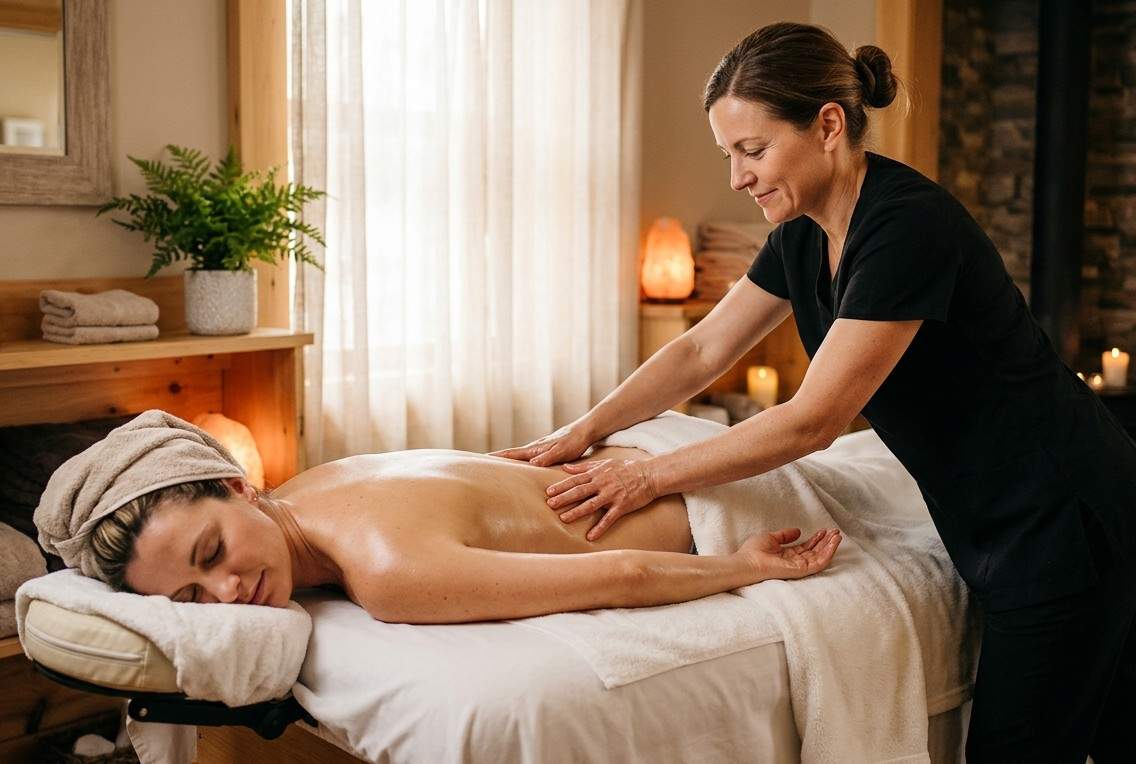
Swedish massage is one of the most popular and widely practiced massage therapies in the world. Known for its gentle yet effective techniques, this massage style is designed to relax the body, improve circulation, ease muscle tension, and promote overall wellness. Whether you are dealing with stress, sore muscles, fatigue, or simply looking for a way to unwind, Swedish massage offers a calming experience that benefits both the body and mind.
Unlike deep tissue massage, which focuses on intense pressure and deeper muscle layers, Swedish massage uses smooth, flowing movements combined with kneading and rhythmic tapping to create relaxation and improve blood flow. It is often recommended for beginners because of its soothing nature and adaptable pressure levels.
In this guide, you will learn what Swedish massage is, how it works, the techniques involved, its health benefits, potential side effects, who should avoid it, and what to expect during a session.
What is Swedish Massage?
Swedish massage is a therapeutic massage technique developed in the early 19th century by Per Henrik Ling, a Swedish physiologist. It focuses on improving circulation, relieving muscle tension, and promoting relaxation through a combination of specialized hand movements.
The therapy typically involves massage oils or lotions and includes long gliding strokes, kneading, circular movements, vibration, tapping, and joint movements. The pressure used can range from light to medium depending on the client’s comfort level.
Swedish massage is commonly performed on the entire body, although therapists can also focus on specific problem areas such as the neck, shoulders, lower back, or legs.
Main Techniques Used in Swedish Massage
Swedish massage consists of five primary techniques that work together to relax muscles and improve circulation.
1. Effleurage
Effleurage involves long, smooth, gliding strokes performed with the palms, fingers, or forearms. This technique helps warm up the muscles, increase blood flow, and relax the nervous system.
Benefits of Effleurage:
- Promotes relaxation
- Improves circulation
- Reduces stress
- Helps distribute massage oil evenly
2. Petrissage
Petrissage refers to kneading, rolling, and lifting the muscles. This technique targets deeper muscle tissues and helps release tension.
Benefits of Petrissage:
- Reduces muscle stiffness
- Enhances flexibility
- Stimulates lymphatic drainage
- Relieves muscle knots
3. Friction
Friction uses deep circular movements to break down adhesions and scar tissue in muscles and connective tissue.
Benefits of Friction:
- Improves mobility
- Reduces muscle tightness
- Helps heal injured tissues
- Enhances blood circulation
4. Tapotement
Tapotement consists of rhythmic tapping, chopping, or cupping movements performed with the hands.
Benefits of Tapotement:
- Stimulates muscles
- Increases blood flow
- Boosts energy levels
- Enhances nerve function
5. Vibration
Vibration involves rapid shaking or trembling movements applied to the muscles.
Benefits of Vibration:
- Relaxes muscles
- Reduces tension
- Improves circulation
- Helps calm the nervous system
How Swedish Massage Works
Swedish massage works by manipulating the muscles and soft tissues of the body. The rhythmic pressure and movement help increase oxygen flow in the blood and stimulate the lymphatic system, which removes toxins and waste products.
Massage also triggers the release of endorphins, serotonin, and dopamine—chemicals that promote happiness and relaxation. At the same time, it lowers cortisol levels, which are associated with stress. The therapy improves flexibility and muscle recovery while encouraging mental calmness and emotional balance.
20 Proven Benefits of Swedish Massage
1. Reduces Stress and Anxiety
Swedish massage calms the nervous system and helps lower stress hormones, creating a feeling of deep relaxation.
2. Improves Blood Circulation
The massage strokes stimulate blood flow, allowing oxygen and nutrients to reach tissues more efficiently.
3. Relieves Muscle Tension
Kneading and pressure techniques loosen tight muscles and reduce stiffness.
4. Promotes Better Sleep
Relaxation from massage can improve sleep quality and help people with insomnia.
5. Reduces Back Pain
Massage may help relieve mild to moderate back discomfort and muscle soreness.
6. Enhances Flexibility
Regular sessions improve joint mobility and muscle elasticity.
7. Boosts Immune Function
Massage may stimulate the lymphatic system and support the body’s immune response.
8. Improves Mood
The therapy increases serotonin and dopamine levels, which help elevate mood.
9. Reduces Headaches
Relaxing neck and shoulder muscles may reduce tension headaches.
10. Supports Mental Clarity
Reduced stress and improved circulation can help enhance concentration and focus.
11. Helps Recovery After Exercise
Swedish massage may reduce muscle soreness and speed up recovery after workouts.
12. Encourages Relaxation
The soothing movements help create a sense of calm and emotional balance.
13. Lowers Blood Pressure
Regular massage sessions may help reduce blood pressure associated with stress.
14. Improves Skin Health
Massage increases circulation to the skin, giving it a healthy glow.
15. Reduces Fatigue
Relaxed muscles and improved circulation may increase energy levels.
16. Eases Neck and Shoulder Pain
Swedish massage targets tension commonly caused by poor posture or stress.
17. Supports Lymphatic Drainage
Massage encourages the movement of lymph fluids and helps remove waste products.
18. Helps Manage Mild Depression
The relaxing effects of massage may support emotional wellness.
19. Promotes Better Posture
Relaxed muscles and improved flexibility can help reduce posture-related strain.
20. Enhances Overall Well-Being
Regular massage supports physical, mental, and emotional health.
Swedish Massage vs Deep Tissue Massage
| Feature | Swedish Massage | Deep Tissue Massage |
|---|---|---|
| Pressure | Light to medium | Firm to deep |
| Purpose | Relaxation and circulation | Chronic pain and muscle knots |
| Techniques | Gentle strokes and kneading | Slow, deep pressure |
| Pain Level | Usually comfortable | May feel intense |
| Best For | Stress relief and relaxation | Muscle injuries and tension |
| Recovery Time | Minimal | Sometimes soreness afterward |
What Happens During a Swedish Massage Session?
A Swedish massage session usually lasts between 60 and 90 minutes. Here’s what you can expect:
Consultation
The therapist asks about your health history, pain areas, and preferences.
Preparation
You lie on a massage table covered with a sheet or towel. Only the area being massaged is exposed.
Application of Oil or Lotion
Massage oil or lotion is used to reduce friction and allow smooth movements.
Massage Techniques
The therapist performs a combination of strokes, kneading, tapping, and stretching.
Relaxation Period
After the massage, you may rest for a few minutes before getting up slowly.
How Often Should You Get a Swedish Massage?
The ideal frequency depends on your goals and lifestyle.
| Goal | Recommended Frequency |
|---|---|
| Stress relief | Once every 2–4 weeks |
| Muscle recovery | Weekly |
| General wellness | Once or twice monthly |
| Chronic tension | Weekly or biweekly |
| Relaxation | As needed |
Swedish Massage for Different Groups
Athletes
Helps reduce muscle soreness, improve flexibility, and support recovery.
Office Workers
Relieves neck, shoulder, and back tension caused by sitting for long hours.
Seniors
Gentle massage may improve circulation and reduce stiffness.
Pregnant Women
Prenatal Swedish massage may reduce swelling and stress when performed by trained professionals.
People with Anxiety
The calming effects may help reduce anxiety symptoms and improve relaxation.
Scientific Evidence Behind Swedish Massage
Research suggests that Swedish massage can positively affect both physical and mental health. Studies have shown that massage therapy may reduce cortisol levels while increasing serotonin and dopamine production.
Some research also indicates improvements in circulation, immune response, and pain reduction after regular massage therapy sessions. Although massage should not replace medical treatment, it can complement healthy lifestyle practices.
Oils Commonly Used in Swedish Massage
Massage oils enhance the experience and help reduce skin friction.
- Coconut Oil: Popular for its moisturizing properties and smooth texture.
- Almond Oil: Lightweight oil that nourishes the skin.
- Jojoba Oil: Suitable for sensitive skin and absorbs easily.
- Lavender Oil: Often added for relaxation and stress relief.
- Eucalyptus Oil: May provide a refreshing and cooling sensation.
Swedish Massage and Mental Health
Stress and anxiety can affect sleep, digestion, energy levels, and overall health. Swedish massage helps calm the nervous system by reducing stress hormones and promoting relaxation.
Many people report feeling emotionally lighter, calmer, and more refreshed after a session. Regular massages may support better emotional resilience and mental wellness.
Can Swedish Massage Help Pain?
Swedish massage may help with:
- Neck pain
- Shoulder tension
- Mild lower back pain
- Muscle stiffness
- Stress-related discomfort
- Tension headaches
However, severe or chronic pain conditions may require specialized treatment or medical care.
Swedish Massage for Sleep Improvement
Massage activates the parasympathetic nervous system, which encourages the body to relax. This may help:
- Fall asleep faster
- Improve sleep quality
- Reduce nighttime awakenings
- Lower stress before bedtime
People experiencing insomnia due to stress may particularly benefit from regular sessions.
Swedish Massage and Circulation
Improved blood flow is one of the primary benefits of Swedish massage. Better circulation helps:
- Deliver oxygen to muscles
- Remove waste products
- Support healing
- Reduce swelling
- Improve energy levels
This is one reason many people feel refreshed after a massage session.
10 Side Effects of Swedish Massage
Although Swedish massage is generally safe, some people may experience mild side effects.
1. Temporary Muscle Soreness
Some individuals may feel mild soreness after the session.
2. Fatigue
Deep relaxation may cause temporary tiredness.
3. Headache
Dehydration or muscle release can occasionally trigger headaches.
4. Skin Irritation
Massage oils or lotions may irritate sensitive skin.
5. Dizziness
Standing up too quickly after massage may cause lightheadedness.
6. Bruising
Sensitive individuals may develop mild bruising.
7. Allergic Reactions
Certain oils or fragrances may trigger allergies.
8. Increased Urination
Improved circulation may temporarily increase urination.
9. Emotional Release
Some people may experience emotional reactions during or after massage.
10. Temporary Discomfort
Pressure on tight muscles may cause brief discomfort.
Who Should Avoid Swedish Massage?
Massage may not be suitable for everyone. Consult a healthcare professional if you have:
- Blood clotting disorders
- Severe osteoporosis
- Recent surgery
- Open wounds or infections
- Fever or contagious illness
- Severe heart conditions
- Skin infections
- Deep vein thrombosis
Pregnant women should seek prenatal massage from qualified therapists.
Tips Before a Swedish Massage
- Stay Hydrated: Drink water before your appointment.
- Avoid Heavy Meals: Eating a large meal immediately before massage may feel uncomfortable.
- Wear Comfortable Clothing: Loose clothing makes it easier to relax before and after the session.
- Communicate with the Therapist: Discuss pressure preferences and any pain areas.
- Arrive Early: Allow yourself time to relax before the appointment.
Tips After a Swedish Massage
- Drink Plenty of Water: Hydration supports circulation and recovery.
- Rest if Needed: Your body may feel deeply relaxed afterward.
- Avoid Intense Exercise: Give your muscles time to recover.
- Take a Warm Shower: Warm water may enhance relaxation.
- Stretch Gently: Light stretching can help maintain flexibility.
How to Choose a Good Massage Therapist
When selecting a massage therapist:
- Check certifications and licenses
- Read reviews and testimonials
- Ask about experience
- Ensure proper hygiene
- Discuss your health conditions beforehand
A skilled therapist should make you feel comfortable and safe throughout the session.
Swedish Massage at Home
You can also enjoy some massage techniques at home.
Self-Massage Tips
- Use massage oil or lotion
- Apply gentle circular movements
- Focus on tense muscles
- Stretch afterward
- Use foam rollers or massage tools if needed
Partner massage can also help relieve tension and promote relaxation.
Swedish Massage and Wellness Routines
Massage works best when combined with healthy lifestyle habits such as:
- Regular exercise
- Balanced nutrition
- Adequate sleep
- Stress management
- Meditation or yoga
- Staying hydrated
Together, these habits support overall physical and mental wellness.
Myths About Swedish Massage
Myth 1: Massage Is Only for Luxury
Swedish massage is often used for therapeutic wellness, not just spa relaxation.
Myth 2: Stronger Pressure Is Always Better
Gentle pressure can still provide significant physical and mental benefits.
Myth 3: Massage Removes All Toxins
Massage supports circulation and lymphatic flow but does not “detox” the body completely.
Myth 4: Massage Is Painful
Swedish massage is generally gentle and relaxing rather than painful.
Myth 5: One Session Fixes Everything
Consistent sessions and healthy habits provide the best long-term results.
Conclusion
Swedish massage remains one of the most trusted and effective massage therapies for relaxation, stress relief, and overall wellness. Its gentle yet therapeutic techniques make it suitable for a wide range of individuals, from busy professionals and athletes to seniors and first-time massage clients.
By improving circulation, easing muscle tension, calming the nervous system, and promoting relaxation, massage offers both physical and mental health benefits. While it is not a substitute for medical care, it can be a valuable part of a healthy self-care routine.
FAQ’s
What is Swedish massage best for?
Massage is best for relaxation, stress relief, improving circulation, and easing mild muscle tension.
Is Swedish massage painful?
No, massage is generally gentle and relaxing, using light to medium pressure.
How long does a Swedish massage session last?
Most massage sessions last between 60 and 90 minutes.
Can Swedish massage help with anxiety?
Yes, massage may help reduce anxiety by relaxing the nervous system and lowering stress levels.
Does Swedish massage improve blood circulation?
Yes, the flowing massage strokes help stimulate blood flow throughout the body.
Is Swedish massage safe during pregnancy?
Pregnant individuals should choose a therapist trained in prenatal massage and consult a healthcare provider first.
Can Swedish massage help with back pain?
Massage may help relieve mild to moderate back pain caused by stress or muscle tightness.
Should I drink water after a Swedish massage?
Yes, drinking water after a massage may help reduce soreness and keep the body hydrated.
Can Swedish massage help improve sleep?
Yes, many people experience better sleep quality after a massage due to deep relaxation.
Is Swedish massage good for beginners?
Yes, massage is one of the best massage styles for beginners because of its gentle approach.
Can Swedish massage reduce muscle stiffness?
Yes, the kneading and stretching techniques can help loosen stiff muscles and improve flexibility.
Can athletes benefit from Swedish massage?
Yes, athletes often use massage for muscle recovery, relaxation, and improved circulation.
Is Swedish massage only for relaxation?
No, besides relaxation, it may also help improve circulation, flexibility, and muscle recovery.
Can Swedish massage help with headaches?
Yes, massage may help reduce tension headaches caused by stress and tight muscles.
What does a Swedish massage include?
It includes gentle strokes, kneading, tapping, and stretching on areas like the back, shoulders, arms, legs, and feet.
What is the difference between normal and Swedish massage?
Massage is a specific relaxation massage using smooth, gentle techniques.
Is Swedish massage hard or soft?
Massage is usually soft to medium pressure.
Does Swedish massage include buttocks?
Yes, if needed and with the client’s consent and proper draping.
Also Read: