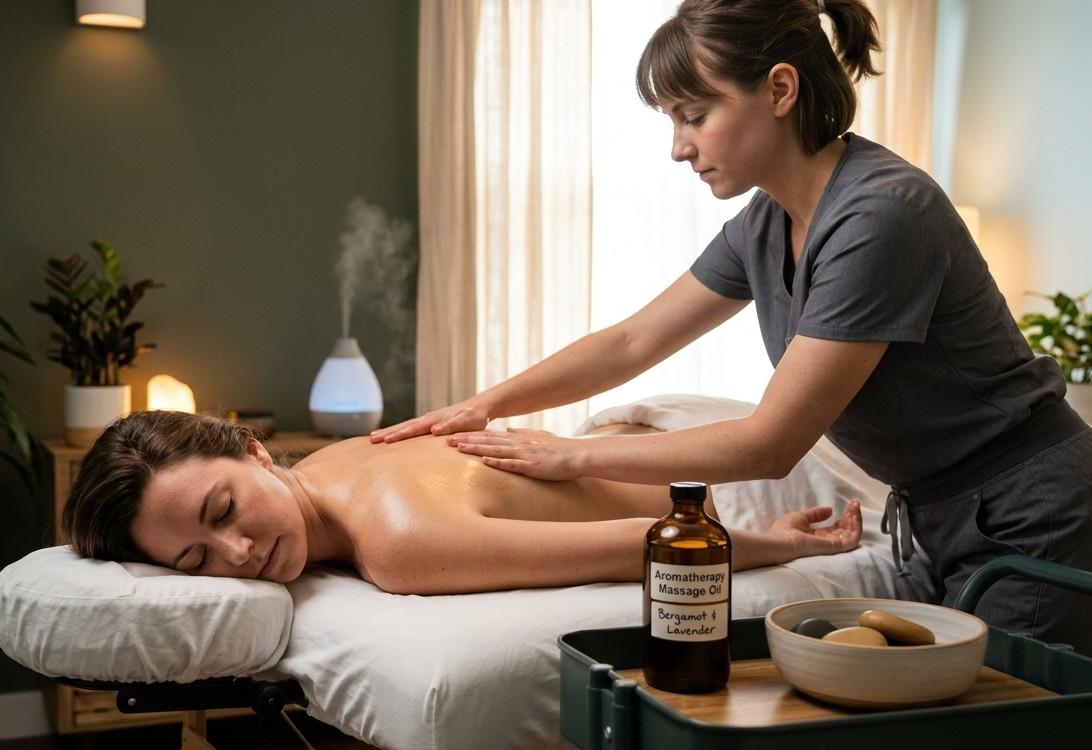
Aromatherapy massage is one of the most relaxing and therapeutic wellness treatments used around the world. It combines the healing power of massage therapy with the natural benefits of essential oils extracted from plants, flowers, herbs, and fruits. This massage technique not only helps relax muscles but also supports emotional well-being, mental clarity, and overall health.
People choose aromatherapy massage for many reasons, including stress relief, pain management, better sleep, improved mood, and skin nourishment. The pleasant aroma of essential oils works alongside gentle massage techniques to create a deeply calming experience for both the body and mind. In recent years, aromatherapy massage has become increasingly popular in spas, wellness centers, and holistic therapy clinics because of its natural and non-invasive approach to relaxation and healing.
What is Aromatherapy Massage?
Aromatherapy massage is a specialized type of massage therapy that uses essential oils during the massage session. These oils are highly concentrated plant extracts known for their therapeutic properties. The oils are usually diluted with carrier oils such as coconut oil, almond oil, jojoba oil, or olive oil before being applied to the skin.
During the massage, the body absorbs the oils through the skin while the scent is inhaled through the nose. This dual-action process allows aromatherapy massage to affect both the physical body and the emotional mind.
Different essential oils are chosen depending on the client’s needs. For example:
- Lavender oil is commonly used for relaxation and sleep.
- Peppermint oil is often used for headaches and fatigue.
- Eucalyptus oil may help improve breathing.
- Tea tree oil is known for antibacterial properties.
- Rose oil is associated with emotional balance and skin care.
The massage itself may include Swedish massage techniques, deep tissue strokes, or gentle relaxation methods depending on the therapist’s approach.
History of Aromatherapy Massage
The use of aromatic oils dates back thousands of years. Ancient civilizations such as the Egyptians, Greeks, Romans, Indians, and Chinese used plant extracts for healing, religious rituals, beauty treatments, and relaxation.
- Ancient Egyptians used essential oils during massages and bathing rituals.
- Greeks and Romans used herbal oils for physical recovery and relaxation.
- Ayurveda in India incorporated aromatic herbs and oils for balancing the body and mind.
- Traditional Chinese medicine used aromatic plants to support energy flow and healing.
Modern aromatherapy gained popularity in the early 20th century when French chemist René-Maurice Gattefossé studied the healing effects of lavender oil on burns and skin injuries.
Today, aromatherapy massage is widely practiced as a complementary wellness therapy.
How Aromatherapy Massage Works
Aromatherapy massage works through two primary mechanisms:
1. Absorption Through the Skin
Essential oils penetrate the skin during massage. Once absorbed, the oils may interact with the body’s systems and help produce therapeutic effects such as relaxation, pain relief, or reduced inflammation.
2. Inhalation Through the Nose
When essential oils are inhaled, scent molecules travel to the limbic system in the brain, which controls emotions, memory, and mood. This is why certain scents can instantly create feelings of calmness, energy, or happiness.
The combination of touch therapy and aromatic stimulation creates a powerful holistic treatment.
Essential Oils Used in Aromatherapy Massage
- Lavender Oil: Lavender is one of the most popular essential oils for relaxation, stress relief, and better sleep.
- Peppermint Oil: Peppermint provides a cooling sensation and may help reduce headaches, fatigue, and muscle discomfort.
- Eucalyptus Oil: Eucalyptus is commonly used for respiratory support and muscle relaxation.
- Chamomile Oil: Chamomile has calming properties that may help reduce anxiety and promote sleep.
- Tea Tree Oil: Tea tree oil is known for its antibacterial and antifungal properties.
- Rosemary Oil: Rosemary may improve focus, circulation, and mental alertness.
- Lemon Oil: Lemon oil has an uplifting aroma that can boost mood and energy levels.
- Rose Oil: Rose oil is often used for emotional balance, skin nourishment, and relaxation.
- Sandalwood Oil: Sandalwood is known for its grounding and calming effects.
- Ylang-Ylang Oil: Ylang-ylang may help reduce stress and promote emotional well-being.
Nutritional and Therapeutic Components of Essential Oils
| Component | Benefits |
|---|---|
| Terpenes | May support relaxation and anti-inflammatory effects |
| Esters | Promote calming and soothing sensations |
| Phenols | Possess antibacterial properties |
| Alcohols | May help support immune health |
| Ketones | Support respiratory function |
| Aldehydes | Known for calming and anti-inflammatory actions |
20 Proven Benefits of Aromatherapy Massage
- Stress Reduction: Massage may help lower stress hormones and promote relaxation.
- Better Sleep Quality: Essential oils like lavender may improve sleep patterns and reduce insomnia.
- Anxiety Relief: Calming aromas can help ease nervousness and emotional tension.
- Muscle Relaxation: Massage combined with oils may reduce muscle stiffness and soreness.
- Pain Management: Aromatherapy massage may help relieve chronic pain and body aches.
- Improved Blood Circulation: Massage techniques help stimulate healthy circulation throughout the body.
- Enhanced Mood: Pleasant scents may increase feelings of happiness and emotional balance.
- Reduced Headaches: Peppermint and lavender oils may help ease tension headaches.
- Skin Nourishment: Carrier oils and essential oils can hydrate and soften the skin.
- Mental Clarity: Certain oils such as rosemary may improve concentration and focus.
- Reduced Fatigue: Aromatherapy massage may help boost energy levels and reduce tiredness.
- Immune Support: Some essential oils possess antimicrobial and immune-supportive properties.
- Better Respiratory Function: Eucalyptus and peppermint oils may improve breathing comfort.
- Lower Muscle Tension: Massage strokes combined with oils may ease tight muscles.
- Hormonal Balance Support: Some oils may help reduce symptoms related to hormonal fluctuations.
- Improved Flexibility: Relaxed muscles and joints may improve movement and flexibility.
- Reduced Symptoms of Depression: Aromatherapy may support emotional wellness and calmness.
- Detoxification Support: Massage may help improve lymphatic drainage and toxin removal.
- Enhanced Relaxation After Exercise: Athletes often use massage for recovery and relaxation.
- Overall Wellness Improvement: Regular sessions may contribute to better physical and emotional health.
Different Types of Aromatherapy Massage
1. Swedish Aromatherapy Massage
This gentle massage uses long flowing strokes and is ideal for relaxation and stress relief.
2. Deep Tissue Aromatherapy Massage
Deep pressure is used to target chronic muscle tension and deeper muscle layers.
3. Hot Stone Aromatherapy Massage
Warm stones are combined with essential oils for enhanced relaxation.
4. Lymphatic Drainage Aromatherapy Massage
Light strokes help stimulate the lymphatic system and reduce fluid retention.
5. Reflexology Aromatherapy Massage
Pressure points on the feet, hands, or ears are stimulated using essential oils.
6. Prenatal Aromatherapy Massage
Special techniques and safe oils are used to help pregnant women relax and reduce discomfort.
Step-by-Step Aromatherapy Massage Procedure
Consultation
The therapist discusses the client’s health concerns, preferences, allergies, and desired outcomes.
Selection of Essential Oils
Specific oils are chosen based on relaxation, pain relief, energy boosting, or emotional support goals.
Preparation of Massage Oil
Essential oils are diluted with carrier oils to ensure safe skin application.
Massage Session
The therapist performs massage techniques while applying the aromatic oils to the body.
Relaxation Phase
Clients are often encouraged to rest briefly after the massage to fully absorb the benefits.
Aromatherapy Massage Techniques
Effleurage
Long gliding strokes used to warm up muscles and promote relaxation.
Petrissage
Kneading movements help release muscle tension and improve circulation.
Friction
Circular pressure movements target deeper muscle layers.
Tapotement
Rhythmic tapping techniques stimulate muscles and circulation.
Vibration
Gentle shaking movements help relax nerves and muscles.
Best Carrier Oils for Aromatherapy Massage
- Coconut Oil: Hydrating and lightweight with antimicrobial properties.
- Sweet Almond Oil: Rich in vitamin E and ideal for sensitive skin.
- Jojoba Oil: Closely resembles natural skin oils and absorbs well.
- Olive Oil: Provides deep moisturization and antioxidant support.
- Grapeseed Oil: Light texture suitable for oily or acne-prone skin.
Who Can Benefit from Aromatherapy Massage?
Massage may benefit:
- People experiencing stress or anxiety
- Individuals with muscle pain
- Office workers with tension and fatigue
- Athletes recovering from workouts
- People with sleep difficulties
- Individuals seeking emotional balance
- Those wanting natural relaxation therapies
Aromatherapy Massage for Mental Health
Mental wellness is one of the biggest reasons people seek aromatherapy massage. Essential oils may influence emotional centers in the brain and help create feelings of peace and comfort.
Common oils used for emotional support include:
- Lavender
- Bergamot
- Frankincense
- Rose
- Ylang-ylang
Many people report reduced stress, calmer moods, and improved emotional stability after regular sessions.
Aromatherapy Massage for Pain Relief
Massage may help manage several types of discomfort, including:
- Neck pain
- Shoulder stiffness
- Lower back pain
- Muscle soreness
- Joint discomfort
- Tension headaches
Massage improves blood flow while certain oils may provide anti-inflammatory and soothing effects.
Aromatherapy Massage for Sleep Improvement
Poor sleep is often linked to stress and mental overactivity. Aromatherapy massage helps calm the nervous system and relax the body before bedtime.
Lavender, chamomile, sandalwood, and cedarwood oils are commonly used to promote restful sleep.
Aromatherapy Massage for Skin Health
Essential oils and carrier oils may improve skin appearance and hydration.
Possible skin benefits include:
- Softer skin texture
- Improved hydration
- Reduced dryness
- Better skin tone
- Temporary glow and smoothness
However, oils should always be properly diluted to avoid irritation.
10 Side Effects of Aromatherapy Massage
Although generally safe, aromatherapy massage may cause side effects in some individuals.
- Skin Irritation: Certain oils may cause redness, itching, or allergic reactions.
- Headaches: Strong aromas may trigger headaches in sensitive individuals.
- Breathing Discomfort: People with asthma or respiratory sensitivities may react to strong scents.
- Nausea: Overexposure to some essential oils may cause nausea or dizziness.
- Allergic Reactions: Some individuals may be allergic to specific plant oils.
- Photosensitivity: Certain citrus oils may increase skin sensitivity to sunlight.
- Hormonal Effects: Some oils may affect hormone-sensitive conditions.
- Pregnancy Concerns: Not all essential oils are safe during pregnancy.
- Drug Interactions: Certain oils may interact with medications.
- Skin Burns: Improperly diluted oils may irritate or damage the skin.
Who Should Avoid Aromatherapy Massage?
Aromatherapy massage may not be suitable for:
- People with severe allergies
- Individuals with open wounds or skin infections
- Those with certain respiratory conditions
- Pregnant women using unsafe oils
- People with epilepsy sensitive to certain oils
- Individuals with severe heart conditions
It is always best to consult a healthcare professional if unsure.
Tips for Getting the Best Aromatherapy Massage Experience
- Choose a Qualified Therapist: Work with a certified and experienced massage therapist.
- Discuss Allergies: Inform the therapist about any allergies or medical conditions.
- Stay Hydrated: Drink water before and after the massage.
- Avoid Heavy Meals: Eating lightly beforehand may improve comfort during the session.
- Relax Mentally: Taking deep breaths can enhance the therapeutic experience.
- Rest Afterwards: Allow time for the body to relax and recover after the session.
How Often Should You Get an Aromatherapy Massage?
The ideal frequency depends on personal goals and lifestyle.
- Weekly sessions may help manage stress and chronic pain.
- Biweekly sessions can support relaxation and wellness maintenance.
- Monthly sessions may help maintain general well-being.
Some people may benefit from occasional sessions during stressful periods.
Aromatherapy Massage vs Swedish Massage
| Feature | Aromatherapy Massage | Swedish Massage |
|---|---|---|
| Essential Oils | Yes | Usually No |
| Main Focus | Emotional and physical wellness | Muscle relaxation |
| Aroma Benefits | Yes | Minimal |
| Relaxation Level | High | High |
| Therapeutic Scent Effects | Present | Absent |
| Skin Nourishment | Enhanced with oils | Moderate |
Aromatherapy Massage vs Deep Tissue Massage
| Feature | Aromatherapy Massage | Deep Tissue Massage |
|---|---|---|
| Pressure Level | Gentle to moderate | Strong |
| Main Goal | Relaxation and wellness | Muscle recovery |
| Essential Oils | Yes | Optional |
| Pain Relief | Mild to moderate | Intense |
| Stress Reduction | Excellent | Moderate |
DIY Aromatherapy Massage at Home
You can enjoy a simple massage at home by following these steps:
- Choose a relaxing essential oil.
- Mix a few drops with a carrier oil.
- Warm the oil slightly in your hands.
- Massage gently into the shoulders, neck, feet, or back.
- Use calming music and a quiet environment.
Always perform a patch test before applying new oils to the skin.
Popular Essential Oil Blends for Aromatherapy Massage
Relaxation Blend
- Lavender
- Chamomile
- Sandalwood
Energy Blend
- Lemon
- Peppermint
- Rosemary
Stress Relief Blend
- Bergamot
- Frankincense
- Ylang-ylang
Muscle Recovery Blend
- Eucalyptus
- Peppermint
- Ginger
How to Choose Quality Essential Oils
Check Purity
Choose oils labeled as 100% pure essential oils.
Read Ingredients
Avoid products with artificial fragrances or fillers.
Look for Reputable Brands
Trusted manufacturers often provide testing and sourcing information.
Use Dark Glass Bottles
Quality oils are usually stored in amber or dark-colored bottles.
The Growing Popularity of Aromatherapy Massage
Aromatherapy massage has become a major part of the wellness industry. People increasingly prefer natural therapies to manage stress, fatigue, and emotional imbalance.
Spas, wellness resorts, fitness centers, and holistic clinics frequently include massage in their services because of the growing demand for relaxation-focused treatments.
Conclusion
Aromatherapy massage is a holistic therapy that combines the healing touch of massage with the natural benefits of essential oils. It supports physical relaxation, emotional balance, stress reduction, and overall wellness.
From easing muscle tension and improving sleep to enhancing mood and promoting relaxation, massage offers a wide range of potential benefits for both the body and mind. When performed safely by a qualified therapist using high-quality oils, it can become an excellent addition to a healthy lifestyle and self-care routine.
FAQ’s
What does an aromatherapy massage include?
It usually includes gentle massage techniques combined with diluted essential oils chosen for relaxation, pain relief, or mood support.
Is aromatherapy massage safe?
Yes, it is generally safe when performed by a trained therapist using properly diluted essential oils.
How long does an aromatherapy massage session last?
Most sessions last between 60 and 90 minutes.
Can aromatherapy massage help with stress?
Yes, many people use massage to reduce stress, anxiety, and mental fatigue.
Does aromatherapy massage help with sleep?
Essential oils like lavender and chamomile may help improve relaxation and sleep quality.
Can aromatherapy massage relieve pain?
It may help reduce muscle soreness, stiffness, headaches, and body aches.
Is aromatherapy massage suitable for sensitive skin?
People with sensitive skin should inform the therapist so gentle oils and proper dilution can be used.
Can pregnant women get aromatherapy massage?
Some massages are suitable during pregnancy, but certain essential oils should be avoided.
What should I do before an aromatherapy massage?
Drink water, avoid heavy meals, and discuss allergies or health conditions with the therapist.
What should I do after an aromatherapy massage?
Rest, stay hydrated, and avoid intense physical activity immediately afterward.
How often should I get an aromatherapy massage?
Weekly, biweekly, or monthly sessions may help depending on personal wellness goals.
Can I do aromatherapy massage at home?
Yes, you can use diluted essential oils and gentle massage techniques at home for relaxation.
Can aromatherapy massage improve mood?
Yes, certain essential oils may help promote emotional balance and relaxation.
Which oils are best for relaxation?
Lavender, chamomile, sandalwood, and ylang-ylang are commonly used for calming effects.
Also Read: