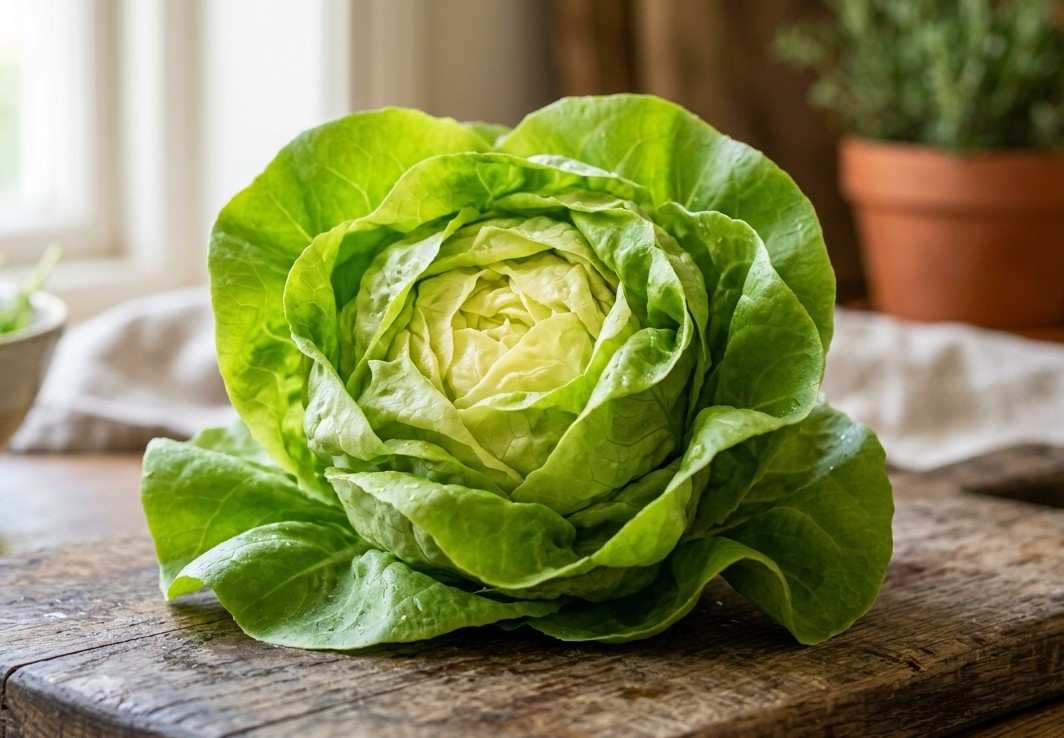
Butterhead lettuce is one of the most loved leafy greens because of its soft texture, mild flavor, and refreshing crunch. It is commonly used in salads, wraps, sandwiches, burgers, and healthy bowls. Unlike crisp lettuce varieties, butterhead lettuce has tender leaves that almost melt in the mouth, making it popular among people who prefer delicate greens.
This leafy vegetable is not only delicious but also packed with vitamins, minerals, antioxidants, and water content that support overall health. From improving digestion to helping with hydration and weight management, butterhead lettuce offers many benefits when included in a balanced diet.
In this guide, you will learn everything about butterhead lettuce (most commonly known as butter lettuce), including its nutrition facts, science-backed health benefits, side effects, best ways to eat it, storage tips, precautions, and much more.
What is Butterhead Lettuce?
Butterhead lettuce is a type of lettuce known for its soft, loose, and buttery-textured leaves. It belongs to the lettuce family and is scientifically called Lactuca sativa. The leaves are usually light green, although some varieties may have reddish edges.
The two most common types of butterhead lettuce are:
- Boston lettuce
- Bibb lettuce
Butterhead lettuce forms a small round head with delicate leaves that are sweet, tender, and slightly buttery in flavor. It is widely used in salads and healthy dishes because it pairs well with vegetables, fruits, cheese, meats, and dressings.
This lettuce variety grows best in cool weather and is commonly found in grocery stores, farmers’ markets, and home gardens.
Nutrition Facts of Butterhead Lettuce
Below is the approximate nutritional value of 100 grams of raw butterhead lettuce.
| Nutrient | Amount |
|---|---|
| Calories | 13 kcal |
| Water | 95 g |
| Protein | 1.4 g |
| Carbohydrates | 2.2 g |
| Fiber | 1.1 g |
| Sugar | 1 g |
| Fat | 0.2 g |
| Vitamin A | 166% DV |
| Vitamin K | 102% DV |
| Vitamin C | 6% DV |
| Folate | 18% DV |
| Calcium | 35 mg |
| Potassium | 238 mg |
| Iron | 1.2 mg |
| Magnesium | 13 mg |
Butterhead lettuce is low in calories and rich in hydration, making it an excellent addition to healthy diets.
20 Proven Health Benefits of Butterhead Lettuce
- Supports Weight Loss: Butterhead lettuce is low in calories and high in water, helping you feel full without overeating.
- Promotes Hydration: Its high water content helps maintain proper hydration levels in the body.
- Improves Digestion: The fiber in butterhead lettuce supports healthy digestion and regular bowel movements.
- Boosts Eye Health: Vitamin A and antioxidants may help protect the eyes from age-related problems.
- Supports Heart Health: Potassium and antioxidants may help maintain healthy blood pressure and circulation.
- Strengthens Bones: Vitamin K plays an important role in bone strength and calcium absorption.
- Enhances Skin Health: Vitamins A and C may support clearer, healthier, and more youthful-looking skin.
- Supports Immune Function: Antioxidants and vitamins help strengthen the body’s natural defense system.
- May Reduce Inflammation: Natural plant compounds in butterhead lettuce may help lower inflammation.
- Supports Healthy Pregnancy: Folate is essential for fetal growth and development during pregnancy.
- Helps Control Blood Sugar: Fiber may slow sugar absorption and help maintain balanced glucose levels.
- Promotes Better Sleep: Lettuce contains compounds that may have mild calming effects on the body.
- Supports Brain Function: Folate and antioxidants may help maintain healthy brain activity.
- Aids Detoxification: The water and antioxidants in lettuce may help flush toxins from the body.
- Supports Healthy Vision: Beta-carotene helps maintain healthy eyesight and eye tissues.
- May Lower Cholesterol Levels: Fiber and antioxidants may contribute to healthier cholesterol balance.
- Improves Gut Health: Fiber helps nourish beneficial bacteria in the digestive system.
- Supports Healthy Blood Pressure: Potassium may help balance sodium levels in the body.
- Provides Natural Antioxidants: Butterhead lettuce contains compounds that help fight oxidative stress.
- Encourages Healthy Eating Habits: Its versatility makes it easier to include more vegetables in daily meals.
10 Side Effects of Butterhead Lettuce
- Digestive Discomfort: Eating too much lettuce may cause bloating or gas in sensitive individuals.
- Possible Bacterial Contamination: Improperly washed lettuce may contain harmful bacteria like E. coli or Salmonella.
- Vitamin K Interference: High vitamin K content may interfere with blood-thinning medications.
- Allergic Reactions: Some people may experience itching, swelling, or allergic symptoms after consuming lettuce.
- Pesticide Exposure: Non-organic lettuce may contain pesticide residues if not washed properly.
- Frequent Urination: High water content may increase urination in some individuals.
- Stomach Cramps: Excessive consumption may occasionally lead to mild stomach discomfort.
- Nutrient Imbalance: Relying too heavily on lettuce alone may reduce dietary variety.
- Cold Sensitivity: Raw lettuce may worsen symptoms in people sensitive to cold foods.
- Risk of Foodborne Illness: Improper storage can increase the risk of contamination and spoilage.
How to Eat Butterhead Lettuce?
Butterhead lettuce is highly versatile and can be eaten in many delicious ways.
Fresh Salads
Use butterhead lettuce as the base for green salads with tomatoes, cucumbers, carrots, onions, nuts, seeds, or cheese.
Lettuce Wraps
Large leaves can replace tortillas or bread for healthier wraps filled with chicken, tofu, vegetables, or seafood.
Sandwiches and Burgers
Add fresh butterhead lettuce to sandwiches and burgers for extra crunch and freshness.
Smoothies
Blend a few leaves into green smoothies with fruits and yogurt for added nutrients.
Grain Bowls
Top rice bowls, quinoa bowls, or poke bowls with chopped butterhead lettuce.
Soups
Add lettuce near the end of cooking for a light and fresh texture in soups.
Tacos
Use butterhead lettuce in tacos for extra freshness and texture.
Healthy Snacks
Dip lettuce leaves into hummus, yogurt dip, or guacamole for a low-calorie snack.
Tips for Consuming Butterhead Lettuce
- Wash the leaves thoroughly before eating.
- Use fresh lettuce for the best flavor and nutrition.
- Dry the leaves properly to avoid sogginess.
- Store lettuce in the refrigerator to maintain freshness.
- Pair lettuce with healthy fats like olive oil or avocado for better nutrient absorption.
- Avoid overcooking because heat can reduce nutrient content.
- Eat a variety of vegetables along with lettuce for balanced nutrition.
- Choose organic lettuce when possible to reduce pesticide exposure.
- Consume it soon after purchase for maximum freshness.
- Use clean utensils and cutting boards while preparing lettuce.
Other Uses of Butterhead Lettuce
- Natural Food Decoration: Butterhead lettuce is commonly used as a garnish for plates and serving trays.
- Low-Carb Wrap Alternative: Its flexible leaves can replace bread and tortillas in meals.
- Hydrating Summer Food: Lettuce is often included in cooling summer dishes because of its water content.
- Restaurant Presentation: Many restaurants use butterhead lettuce to improve food presentation.
- Composting Ingredient: Leftover lettuce can be added to compost for gardening purposes.
- Pet Food Supplement: Small amounts may sometimes be fed to certain pets as a treat.
- Juicing Ingredient: Butterhead lettuce can be added to vegetable juices for extra nutrients.
- Decorative Garden Plant: Its attractive leafy appearance makes it suitable for kitchen gardens.
- Healthy Meal Prep Ingredient: It is commonly used in meal-prep containers for healthy eating plans.
- Cooling Face Masks: Some homemade skincare remedies use lettuce extracts for soothing effects.
How Much Butterhead Lettuce Can You Eat in a Day?
Most healthy adults can safely consume 1 to 2 cups of butterhead lettuce daily as part of a balanced diet. Because it is low in calories and rich in water, moderate daily consumption is generally considered safe.
However, the ideal amount depends on factors such as:
- Age
- Activity level
- Digestive health
- Medication use
- Overall diet
Eating excessive amounts may cause digestive discomfort or interfere with certain medications due to vitamin K content.
General dietary recommendations include:
- 1 cup daily for general health support
- 2 cups daily for salads or weight management diets
- Moderate servings for individuals on blood-thinning medications
Always maintain dietary balance by including a variety of vegetables and nutrients.
Best Time to Eat Butterhead Lettuce
During Lunch
Eating butterhead lettuce at lunch may help provide hydration and fiber throughout the day.
At Dinner
A light lettuce salad at dinner may support digestion and reduce heavy calorie intake.
Before Meals
Consuming lettuce before meals may help increase fullness and reduce overeating.
After Exercise
Its water and mineral content may help refresh the body after workouts.
During Hot Weather
Butterhead lettuce is especially refreshing during summer because of its cooling effect.
Who Should Eat Butterhead Lettuce?
- People Trying to Lose Weight: Low calories and high water content make it useful for weight management.
- Individuals with Digestive Issues: Fiber may support smoother digestion and bowel regularity.
- Pregnant Women: Folate content may support healthy fetal development.
- Athletes and Active Individuals: Its hydration and minerals may support recovery and energy balance.
- People with High Blood Pressure: Potassium may help support healthy blood pressure levels.
- Vegetarians and Vegans: Butterhead lettuce can add vitamins and minerals to plant-based diets.
- People Seeking Hydration: High water content may help maintain fluid balance.
- Health-Conscious Individuals: It is a nutrient-rich food suitable for healthy lifestyles.
- Older Adults: Soft leaves are easier to chew and digest for many seniors.
- Children: Mild flavor and soft texture make it suitable for kids’ meals and salads.
Who Should Not Eat Butterhead Lettuce?
- People Taking Blood Thinners: High vitamin K content may interfere with certain medications.
- Individuals with Lettuce Allergies: Allergic reactions may occur in sensitive people.
- People with Weak Immune Systems: Improperly washed lettuce may increase infection risk.
- Individuals Sensitive to Raw Vegetables: Raw lettuce may cause bloating or digestive discomfort.
- People with Severe Digestive Disorders: Some conditions may worsen with excessive fiber intake.
- Individuals with Food Safety Concerns: Unwashed lettuce may carry harmful bacteria.
- People with Kidney Issues: Potassium intake may need monitoring in severe kidney disease.
- Those Sensitive to Cold Foods: Raw lettuce may aggravate discomfort in some individuals.
- People on Restricted Diets: Certain medical diets may limit leafy green consumption.
- Infants Under Certain Ages: Raw leafy greens may not be suitable for very young babies.
How to Store Butterhead Lettuce?
- Refrigerate Immediately: Store butterhead lettuce in the refrigerator after purchase to maintain freshness.
- Use Paper Towels: Wrap lettuce in paper towels to absorb excess moisture.
- Store in Airtight Containers: Proper containers help keep the leaves crisp longer.
- Avoid Washing Before Storage: Wash only before use to prevent early spoilage.
- Keep Away from Ethylene Fruits: Avoid storing near bananas or apples that speed up spoilage.
- Use Crisper Drawer: The vegetable drawer helps maintain proper humidity.
- Remove Damaged Leaves: Discard wilted leaves to prevent spoilage from spreading.
- Maintain Cool Temperature: Keep lettuce between 32°F and 40°F for best results.
- Avoid Freezing: Freezing damages the delicate texture of butterhead lettuce.
- Consume Quickly: Fresh lettuce is best eaten within a few days of purchase.
Precautions and Interactions
- Wash Thoroughly Before Eating: Proper washing reduces the risk of bacterial contamination.
- Monitor Vitamin K Intake: People taking anticoagulants should maintain consistent vitamin K intake.
- Choose Fresh Produce: Avoid wilted or slimy lettuce that may indicate spoilage.
- Practice Safe Food Handling: Clean hands and utensils help prevent contamination.
- Avoid Excessive Consumption: Very large amounts may cause digestive discomfort.
- Check for Allergic Reactions: Stop consumption if itching or swelling occurs.
- Consult a Doctor During Pregnancy: Pregnant women should ensure lettuce is properly washed and safe to consume.
- Use Caution with Weak Immunity: Individuals with compromised immune systems should prioritize food safety.
- Avoid Spoiled Lettuce: Rotten lettuce may contain harmful bacteria and toxins.
- Balance Your Diet: Combine lettuce with proteins, healthy fats, and other vegetables for complete nutrition.
Conclusion
Butterhead lettuce is a nutritious, refreshing, and versatile leafy green that fits easily into many healthy diets. Its tender leaves, mild flavor, and high water content make it a favorite ingredient in salads, wraps, sandwiches, and low-calorie meals.
Rich in vitamins A and K, antioxidants, fiber, and hydration, butterhead lettuce may support digestion, heart health, skin health, weight management, and overall wellness. While generally safe for most people, it is important to wash it thoroughly, store it properly, and consume it in moderation.
FAQ’s
What does Butterhead Lettuce taste like?
Butter lettuce has a mild, slightly sweet, and buttery flavor with soft tender leaves.
Is Butterhead Lettuce healthy?
Yes, butter lettuce is healthy because it contains vitamins, minerals, antioxidants, and fiber while being low in calories.
Can you eat Butterhead Lettuce raw?
Yes, butter lettuce is commonly eaten raw in salads, wraps, sandwiches, and burgers.
Is Butterhead Lettuce good for weight loss?
Yes, its low calorie and high water content may help support weight management.
How long does Butterhead Lettuce stay fresh?
When refrigerated properly, butter lettuce usually stays fresh for about 5 to 7 days.
Can diabetics eat Butterhead Lettuce?
Yes, butter lettuce is generally suitable for diabetics because it is low in carbohydrates and calories.
Is Butterhead Lettuce better than iceberg lettuce?
Butter lettuce is often considered more nutritious because it contains higher amounts of vitamins and minerals.
Can Butterhead Lettuce be cooked?
Yes, it can be lightly cooked in soups, stir-fries, or warm dishes, although it is most commonly eaten fresh.
Is Butterhead Lettuce good for digestion?
Yes, the fiber and water content may help support healthy digestion and regular bowel movements.
How do you wash Butterhead Lettuce properly?
Separate the leaves and rinse them thoroughly under cold running water before use.
Can pregnant women eat Butterhead Lettuce?
Yes, pregnant women can eat properly washed butter lettuce as part of a balanced diet.
Does Butterhead Lettuce contain protein?
Yes, butter lettuce contains a small amount of plant-based protein.
Can you grow Butterhead Lettuce at home?
Yes, butter lettuce is easy to grow in gardens, containers, or raised beds.
Is Butterhead Lettuce good for hydration?
Yes, its high water content helps support hydration and fluid balance.
Can I eat Butterhead Lettuce every day?
Yes, butter lettuce can be eaten daily in moderate amounts as part of a balanced and healthy diet.
Is Butterhead Lettuce safe for children?
Yes, properly washed butter lettuce is generally safe and healthy for children.
What is Butterhead Lettuce good for?
Butter lettuce may help support hydration, digestion, heart health, weight management, and overall nutrition.
Is butter lettuce healthier than regular lettuce?
Butter lettuce is often considered healthier than some lettuce varieties because it contains more vitamins, minerals, and antioxidants.
Also Read: