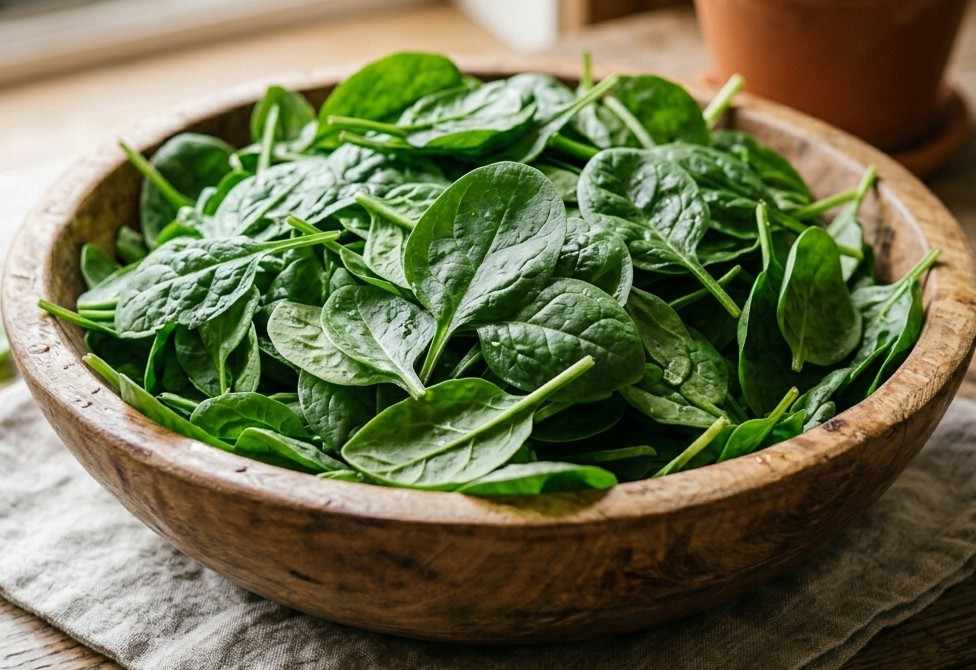
Baby spinach is one of the most loved leafy greens around the world. Known for its soft texture, mild flavor, and impressive nutritional profile, baby spinach is commonly used in salads, smoothies, sandwiches, soups, and many healthy recipes. Unlike mature spinach, baby spinach leaves are harvested early, making them tender and less bitter.
Packed with vitamins, minerals, antioxidants, and fiber, baby spinach can support heart health, digestion, immunity, skin health, and overall wellness. Whether eaten raw or cooked, this nutrient-dense vegetable is an easy addition to a balanced diet.
What is Baby Spinach?
Baby spinach is the young, immature form of spinach leaves harvested before they fully mature. It comes from the same plant species as regular spinach but is picked earlier, usually within 15–35 days of planting. The leaves are smaller, softer, sweeter, and more delicate compared to mature spinach.
Baby spinach is popular because it can be eaten raw without the strong earthy taste found in mature spinach. It is widely used in fresh salads, green smoothies, wraps, pasta dishes, omelets, and healthy snacks. This leafy green is naturally low in calories and rich in nutrients such as iron, calcium, potassium, folate, vitamin A, vitamin C, and vitamin K.
Nutrition Facts of Baby Spinach
| Nutrient | Amount Per 100g |
|---|---|
| Calories | 23 kcal |
| Protein | 2.9 g |
| Carbohydrates | 3.6 g |
| Fiber | 2.2 g |
| Fat | 0.4 g |
| Vitamin A | 469 mcg |
| Vitamin C | 28 mg |
| Vitamin K | 483 mcg |
| Folate | 194 mcg |
| Iron | 2.7 mg |
| Calcium | 99 mg |
| Potassium | 558 mg |
| Magnesium | 79 mg |
| Sodium | 79 mg |
| Water | 91% |
20 Proven Health Benefits of Baby Spinach
- Boosts Immunity Baby leaf spinach contains vitamin C and antioxidants that help strengthen the immune system and protect the body from infections.
- Supports Eye Health The lutein and zeaxanthin in baby spinach may help protect the eyes from age-related damage and vision problems.
- Improves Digestion Its dietary fiber supports healthy digestion and may help prevent constipation.
- Promotes Heart Health Baby spinach contains potassium and nitrates that may help maintain healthy blood pressure levels.
- Strengthens Bones The high vitamin K content supports bone density and may reduce the risk of fractures.
- Supports Healthy Skin Vitamin A and antioxidants in baby leaf spinach may help maintain glowing and healthy skin.
- Helps in Weight Management Baby spinach is low in calories and high in fiber, making it filling and suitable for weight-loss diets.
- Supports Brain Function Folate and antioxidants may contribute to improved brain health and cognitive function.
- Improves Blood Circulation The iron content helps support healthy red blood cell production and oxygen transport.
- Provides Antioxidant Protection Antioxidants in baby spinach help combat oxidative stress and free radical damage.
- May Reduce Inflammation Natural plant compounds in spinach may help lower inflammation in the body.
- Supports Muscle Health Magnesium and potassium support proper muscle function and recovery.
- Helps Maintain Healthy Blood Sugar Levels Fiber and antioxidants may help regulate blood sugar levels naturally.
- Supports Pregnancy Health Folate in baby spinach supports healthy fetal development during pregnancy.
- May Improve Energy Levels Iron and essential nutrients may help reduce tiredness and fatigue.
- Promotes Healthy Hair Nutrients like iron, vitamin A, and vitamin C may support stronger and healthier hair.
- Supports Detoxification Chlorophyll and antioxidants may help the body naturally remove toxins.
- May Help Lower Cholesterol Fiber and plant compounds may support healthier cholesterol levels.
- Supports Healthy Metabolism Vitamins and minerals in baby spinach help the body process nutrients efficiently.
- Promotes Overall Wellness Its rich nutritional profile supports overall physical health and daily vitality.
10 Side Effects of Baby Spinach
- High Oxalate Content Baby spinach contains oxalates that may contribute to kidney stone formation in sensitive individuals.
- May Interfere with Blood Thinners Its high vitamin K content may affect medications like warfarin.
- Can Cause Digestive Discomfort Eating large amounts may lead to bloating or stomach discomfort in some people.
- Risk of Allergic Reactions Some individuals may experience mild allergic reactions after consuming spinach.
- Possible Pesticide Exposure Non-organic spinach may contain pesticide residues if not washed properly.
- May Reduce Mineral Absorption Oxalates can interfere with calcium and iron absorption.
- Can Cause Diarrhea Excessive intake may trigger loose stools due to its fiber content.
- Risk of Bacterial Contamination Raw spinach may carry bacteria if improperly stored or washed.
- May Trigger Kidney Problems Individuals with kidney disorders should avoid excessive spinach intake.
- Can Cause Green Stool Large quantities of spinach may temporarily change stool color due to chlorophyll.
How to Eat Baby Spinach?
Baby spinach is versatile and easy to include in meals. Here are some popular ways to enjoy it:
- Add raw baby leaf spinach to salads with vegetables and nuts.
- Blend it into green smoothies or juices.
- Use it in sandwiches, wraps, and burgers.
- Mix it into omelets or scrambled eggs.
- Add it to soups, curries, and pasta dishes.
- Sauté it lightly with garlic and olive oil.
- Use it as a pizza topping.
- Add it to rice bowls and grain dishes.
- Include it in homemade dips and pesto.
- Mix it into smoothies for extra nutrients.
Tips for Consuming Baby Spinach
- Wash thoroughly before eating to remove dirt and bacteria.
- Store it properly in the refrigerator to maintain freshness.
- Pair it with vitamin C-rich foods to improve iron absorption.
- Avoid overcooking to preserve nutrients.
- Consume fresh leaves for the best taste and texture.
- Rotate leafy greens in your diet for balanced nutrition.
- Use organic spinach when possible.
- Eat moderate portions if you are prone to kidney stones.
- Add healthy fats like olive oil or avocado for better nutrient absorption.
- Use within a few days after opening the package.
Other Uses of Baby Spinach
- Smoothie Ingredient Baby leaf spinach is commonly blended into healthy smoothies for added nutrition.
- Natural Food Coloring Spinach puree can provide a natural green color in recipes.
- Soup Thickener Blended spinach can naturally thicken soups and sauces.
- Homemade Face Masks Some people use spinach in DIY skincare masks because of its antioxidants.
- Sandwich Filling Baby spinach is widely used as a healthy sandwich ingredient.
- Pasta Addition It can be mixed into pasta dishes for flavor and nutrition.
- Pizza Topping Fresh spinach leaves are commonly used on pizzas.
- Baby Food Ingredient Soft cooked spinach may be included in homemade baby food recipes.
- Salad Base Baby leaf spinach is often used as the base for nutrient-rich salads.
- Healthy Snack Wraps Spinach leaves can be added to wraps for extra freshness and fiber.
How Much Baby Spinach Can You Eat in a Day?
Most healthy adults can safely consume about 1–2 cups of baby spinach daily as part of a balanced diet. Moderate consumption provides valuable nutrients without excessive oxalate intake.
People with kidney stones, kidney disease, or those taking blood-thinning medications should consult a healthcare professional regarding the appropriate amount.
Common recommendations include:
- Raw baby spinach: 1–2 cups daily
- Cooked spinach: ½–1 cup daily
- Smoothies: 1 handful per serving
- Salads: 1 bowl per meal
Moderation is important to avoid excessive oxalate intake.
Best Time to Eat Baby Spinach
Baby spinach can be eaten at any time of the day, but certain times may offer added benefits:
- Morning: In smoothies or omelets for energy and nutrients.
- Lunch: In salads and wraps for a filling meal.
- Evening: Lightly cooked in soups or pasta dishes.
- Post-workout: Added to protein-rich meals for recovery.
Who Should Eat Baby Spinach?
- Fitness Enthusiasts Baby spinach provides nutrients that support muscle function and recovery.
- Pregnant Women Folate in spinach supports healthy fetal development.
- People with Iron Deficiency The iron content may help support healthy red blood cell production.
- Weight Loss Seekers Its low-calorie and high-fiber profile supports weight management.
- Older Adults Antioxidants and vitamins may support healthy aging.
- Vegetarians and Vegans Spinach offers plant-based iron and essential nutrients.
- Students and Professionals Nutrients in spinach may support energy and concentration.
- People with Digestive Issues Fiber may support healthy digestion when consumed moderately.
- Athletes Magnesium and potassium support muscle performance.
- Health-Conscious Individuals Baby leaf spinach fits well into a nutrient-rich balanced diet.
Who Should Not Eat Baby Spinach?
- People with Kidney Stones High oxalate levels may worsen kidney stone problems.
- Individuals on Blood Thinners Vitamin K may interfere with certain medications.
- People with Kidney Disease Excess potassium and oxalates may not be suitable.
- Individuals with Spinach Allergy Allergic reactions may occur in sensitive individuals.
- People with Severe Digestive Disorders Excess fiber may aggravate digestive discomfort.
- Those Sensitive to Oxalates Spinach may trigger complications in oxalate-sensitive people.
- Infants Under Certain Ages Large quantities may not be suitable without medical guidance.
- People with Low Blood Pressure Nitrates in spinach may lower blood pressure further.
- Individuals with Certain Mineral Imbalances Excess intake may affect mineral absorption.
- People Following Restricted Diets Some medical diets may limit spinach intake.
How to Store Baby Spinach?
- Refrigerate Immediately Keep baby leaf spinach refrigerated after purchase to maintain freshness.
- Use Airtight Containers Store spinach in sealed containers or bags.
- Keep Dry Excess moisture can cause leaves to spoil faster.
- Add Paper Towels Paper towels help absorb moisture and extend freshness.
- Avoid Washing Before Storage Wash only before use to prevent spoilage.
- Check for Spoiled Leaves Remove wilted or slimy leaves regularly.
- Store in the Crisper Drawer The refrigerator crisper helps maintain humidity levels.
- Keep Away from Ethylene-Producing Fruits Fruits like bananas may speed up spoilage.
- Consume Quickly Fresh baby spinach is best eaten within 3–5 days.
- Freeze for Long-Term Storage Blanched spinach can be frozen for later use.
Precautions and Interactions
- Medication Interaction Baby spinach may interact with blood-thinning medications due to vitamin K.
- Kidney Stone Risk Individuals prone to kidney stones should limit excessive intake.
- Wash Thoroughly Proper washing helps reduce contamination risks.
- Moderate Consumption Excessive spinach intake may cause digestive discomfort.
- Monitor Oxalate Intake People sensitive to oxalates should consume carefully.
- Consult During Pregnancy Pregnant women should discuss dietary changes with healthcare providers.
- Be Careful with Supplements Combining spinach with certain mineral supplements may affect absorption.
- Avoid Spoiled Leaves Wilted or slimy spinach may contain harmful bacteria.
- Choose Fresh Produce Fresh spinach offers better nutrition and safety.
- Seek Medical Advice if Needed Individuals with medical conditions should consult healthcare professionals before making major dietary changes.
Conclusion
Baby spinach is a nutritious and versatile leafy green packed with vitamins, minerals, antioxidants, and fiber. It supports heart health, digestion, immunity, skin health, and overall wellness while being low in calories and easy to include in meals.
Although baby leaf spinach offers many health benefits, moderation is important, especially for individuals with kidney issues or those taking blood-thinning medications. When stored properly and consumed as part of a balanced diet, baby leaf spinach can be an excellent addition to a healthy lifestyle.
FAQ’s
What is Baby Spinach also known as?
Baby Spinach is also known as young spinach, tender spinach leaves, immature spinach, salad spinach, and baby leaf spinach because it is harvested before the leaves fully mature.
Is baby spinach healthier than regular spinach?
Baby spinach and regular spinach have similar nutrients, but baby spinach has a milder taste and softer texture, making it easier to eat raw.
Can I eat baby spinach every day?
Yes, most healthy people can eat baby leaf spinach daily in moderate amounts as part of a balanced diet.
Is baby spinach good for weight loss?
Yes, baby leaf spinach is low in calories and high in fiber, which may help support weight management.
Can baby spinach be eaten raw?
Yes, baby leaf spinach is commonly eaten raw in salads, smoothies, and sandwiches.
Does baby spinach contain iron?
Yes, baby leaf spinach contains iron that helps support healthy red blood cell production.
Is baby spinach good for skin?
Yes, the vitamins and antioxidants in baby leaf spinach may help support healthy skin.
Can diabetics eat baby spinach?
Yes, baby leaf spinach is generally suitable for people with diabetes because it is low in calories and carbohydrates.
Is baby spinach safe during pregnancy?
Yes, when properly washed and eaten in moderation, baby leaf spinach can support pregnancy nutrition due to its folate content.
Can baby spinach cause kidney stones?
Excessive intake may increase kidney stone risk in sensitive individuals because spinach contains oxalates.
What does baby spinach taste like?
Baby leaf spinach has a mild, slightly sweet, and less bitter taste compared to mature spinach.
How long does baby spinach stay fresh?
Fresh baby leaf spinach usually lasts about 3–5 days in the refrigerator when stored properly.
Can I cook baby spinach?
Yes, baby leaf spinach can be sautéed, steamed, added to soups, pasta, and many cooked dishes.
Is baby spinach good for digestion?
Yes, its fiber content may help support healthy digestion and bowel movements.
Can children eat baby spinach?
Yes, children can eat baby leaf spinach in moderate amounts when properly washed and prepared.
Does baby spinach help boost immunity?
Yes, vitamins A and C in baby leaf spinach may help support the immune system.
What is Baby Spinach good for?
Baby leaf spinach is good for supporting heart health, digestion, immunity, eye health, bone strength, skin health, and overall wellness because it is rich in vitamins, minerals, antioxidants, and fiber.
Is baby spinach good for IBS?
Baby leaf spinach may be suitable for some people with IBS because it is soft and easy to digest, but large amounts of raw spinach may trigger symptoms in sensitive individuals.
Also Read: