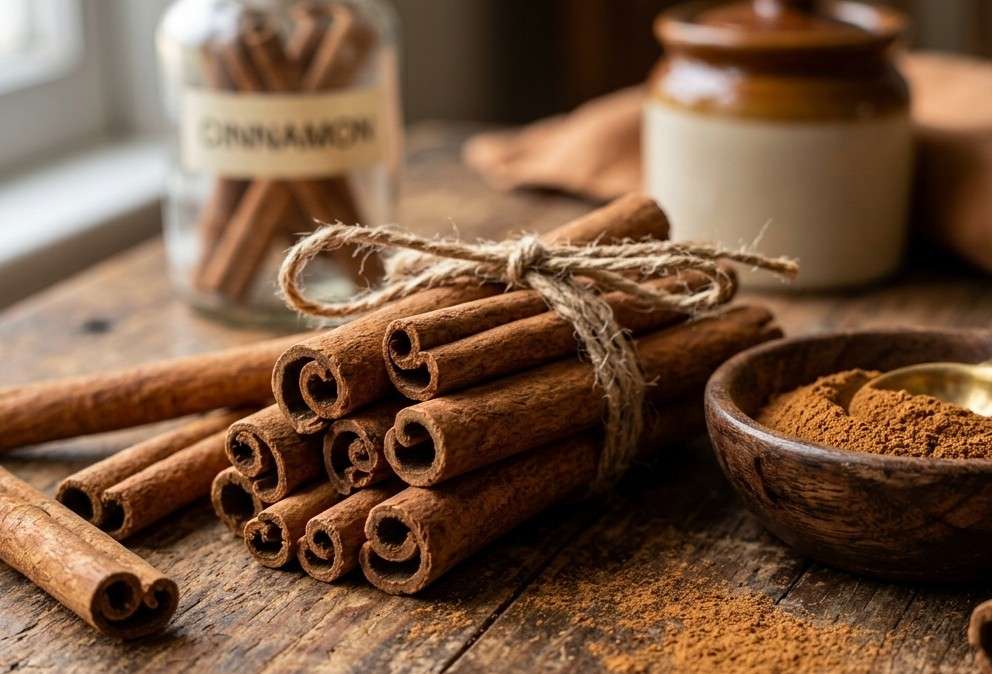
Cinnamon is one of the world’s oldest and most popular spices. Known for its warm aroma, sweet flavor, and impressive health benefits, cinnamon has been used for thousands of years in cooking, traditional medicine, and wellness practices. From flavoring desserts and beverages to supporting blood sugar control and heart health, cinnamon offers much more than just taste.
Today, cinnamon (also known as Dalchini) is commonly found in kitchens worldwide and is often added to teas, smoothies, oatmeal, baked goods, and health drinks. Its rich antioxidant content and natural compounds make it a valuable addition to a balanced diet.
What is Cinnamon?
Cinnamon is a spice obtained from the inner bark of trees belonging to the Cinnamomum genus. After harvesting, the bark is dried and naturally curls into rolls known as cinnamon sticks or quills. It can also be ground into powder for easier culinary use.
The two most common varieties are:
- Ceylon Cinnamon (True Cinnamon)
- Cassia Cinnamon (Most commonly available)
Ceylon cinnamon contains lower amounts of coumarin, a compound that may be harmful in large quantities, making it the preferred option for regular consumption.
For centuries, cinnamon has been used in traditional medicine systems to help support digestion, immunity, circulation, and overall wellness.
Nutrition Facts of Cinnamon
| Nutrient | Amount (Per 1 teaspoon (2.6g) of ground cinnamon) |
|---|---|
| Calories | 6 |
| Carbohydrates | 2.1 g |
| Fiber | 1.4 g |
| Protein | 0.1 g |
| Fat | 0.03 g |
| Calcium | 26 mg |
| Iron | 0.2 mg |
| Magnesium | 2 mg |
| Potassium | 11 mg |
| Manganese | 0.4 mg |
| Phosphorus | 2 mg |
| Vitamin K | 0.8 mcg |
| Sodium | 0.3 mg |
Cinnamon is especially rich in antioxidants and manganese while being naturally low in calories.
20 Proven Health Benefits of Cinnamon
- Rich in Antioxidants: It contains powerful antioxidants that help protect the body from oxidative stress and cellular damage.
- Supports Blood Sugar Control: It may improve insulin sensitivity and help maintain healthy blood sugar levels.
- Promotes Heart Health: Regular consumption may help support healthy cholesterol and triglyceride levels.
- Reduces Inflammation: Natural anti-inflammatory compounds in cinnamon may help reduce chronic inflammation.
- Boosts Immunity: It contains antimicrobial properties that may strengthen the body’s natural defenses.
- Supports Brain Function: Certain cinnamon compounds may help protect brain cells and support cognitive health.
- May Improve Memory: Research suggests cinnamon may contribute to better memory and learning abilities.
- Supports Digestive Health: It may help reduce bloating, gas, and digestive discomfort.
- May Aid Weight Management: Its ability to stabilize blood sugar may help reduce cravings and overeating.
- Supports Oral Health: Cinnamon’s antibacterial properties may help combat harmful oral bacteria.
- Freshens Breath Naturally: The aromatic oils in cinnamon may help reduce bad breath.
- May Help Fight Infections: It contains compounds that may inhibit the growth of certain bacteria and fungi.
- Supports Healthy Skin: Antioxidants in cinnamon may help protect skin cells from damage.
- May Improve Circulation: It has traditionally been used to support healthy blood flow.
- Supports Liver Function: Certain compounds may help protect liver cells from oxidative stress.
- May Reduce Menstrual Discomfort: It may help lessen cramps and menstrual pain in some women.
- Supports Joint Health: Its anti-inflammatory effects may help reduce joint discomfort.
- May Lower Oxidative Stress: It helps neutralize free radicals throughout the body.
- Supports Healthy Aging: Antioxidants may contribute to healthier aging and cellular protection.
- May Enhance Metabolic Health: It may support overall metabolic function and energy utilization.
10 Side Effects of Cinnamon
- Liver Toxicity Risk: Excessive Cassia cinnamon intake may expose the body to high levels of coumarin, potentially affecting liver health.
- Mouth Irritation: Large amounts may cause irritation or burning sensations in the mouth.
- Allergic Reactions: Some individuals may experience allergic symptoms after consuming cinnamon.
- Low Blood Sugar: It may excessively lower blood sugar when combined with diabetes medications.
- Digestive Upset: High amounts may cause stomach discomfort, nausea, or diarrhea.
- Breathing Problems: Accidentally inhaling cinnamon powder can irritate the lungs and airways.
- Drug Interactions: It may interact with certain medications, especially those affecting blood sugar or the liver.
- Skin Irritation: Direct skin contact may cause redness or irritation in sensitive individuals.
- Increased Bleeding Risk: Excessive intake may potentially affect blood clotting when combined with blood-thinning medications.
- Heartburn: Some people may experience acid reflux or heartburn after consuming cinnamon.
How to Eat Cinnamon?
There are many delicious ways to include cinnamon in your daily diet:
- Sprinkle it over oatmeal.
- Add it to smoothies.
- Mix it into coffee or tea.
- Stir it into yogurt.
- Use it in baked goods.
- Add it to fruit salads.
- Mix it into protein shakes.
- Sprinkle it on toast.
- Add it to soups and curries.
- Use it in homemade energy balls.
Tips for Consuming Cinnamon
- Choose Ceylon cinnamon whenever possible.
- Start with small amounts if you are new to cinnamon.
- Avoid consuming large quantities daily.
- Pair cinnamon with healthy foods such as fruits and oats.
- Store it properly to maintain freshness.
- Consult a healthcare professional if taking medications.
- Avoid inhaling dry cinnamon powder.
- Use cinnamon as part of a balanced diet rather than relying on it as a treatment.
Other Uses of Cinnamon
- Natural Air Freshener: Cinnamon’s pleasant aroma can help freshen indoor spaces naturally.
- Homemade Potpourri Ingredient: Dalchini sticks are commonly used in decorative potpourri mixtures.
- Natural Insect Repellent: It may help deter certain insects when used appropriately.
- Aromatherapy Support: The scent of cinnamon is often used to create a warm and comforting atmosphere.
- Craft Projects: Cinnamon sticks are popular decorative items in seasonal crafts.
- Natural Food Preservative: Cinnamon’s antimicrobial properties may help extend food freshness.
- DIY Face Masks: It is sometimes included in homemade skincare recipes.
- Flavor Enhancer: Cinnamon adds depth and sweetness to recipes without added sugar.
- Herbal Tea Ingredient: Cinnamon sticks are commonly used in herbal and wellness teas.
- Holiday Decorations: Dalchini sticks are widely used in festive displays and ornaments.
How Much Cinnamon Can You Eat in a Day?
Moderate consumption is generally considered safe for most healthy adults.
- Ceylon Cinnamon: Up to 1–2 teaspoons (2–5 grams) daily is commonly used.
- Cassia Cinnamon: Lower amounts are recommended due to higher coumarin content.
- General Recommendation: Around ½ to 1 teaspoon daily is sufficient for most people.
Excessive intake should be avoided, especially for long periods.
Cinnamon Dosage
The appropriate dosage depends on individual goals:
| Purpose | Typical Dosage |
|---|---|
| General Wellness | ½–1 teaspoon daily |
| Blood Sugar Support | 1–6 grams daily |
| Antioxidant Support | 1–2 teaspoons daily |
| Cinnamon Tea | 1 cinnamon stick or ½ teaspoon powder |
| Culinary Use | As desired in recipes |
Consult a healthcare provider before using high doses regularly.
Best Time to Eat Cinnamon
Morning
Adding cinnamon to breakfast may help support stable energy levels throughout the day.
Before Meals
Consuming Dalchini before meals may assist with blood sugar management.
With Tea or Coffee
Cinnamon pairs well with warm beverages and can be enjoyed during the day.
Evening
Some people enjoy cinnamon tea in the evening as part of a relaxing routine.
The best time ultimately depends on personal preference and health goals.
Who Should Eat Cinnamon?
- People Seeking Antioxidants: It provides antioxidant compounds that support overall wellness.
- Individuals Managing Blood Sugar: It may help support healthy glucose metabolism.
- People Looking to Reduce Sugar Intake: Dalchini naturally enhances sweetness without added sugar.
- Adults Interested in Heart Health: It may support healthy cholesterol and cardiovascular function.
- Individuals Wanting Digestive Support: It may help ease occasional digestive discomfort.
- People Following Weight Management Plans: It may help control cravings and appetite.
- Tea Lovers: It can be a flavorful addition to herbal teas and beverages.
- Health-Conscious Individuals: It is an easy way to add beneficial plant compounds to meals.
Who Should Not Eat Cinnamon?
- People with Cinnamon Allergies: It may trigger allergic reactions in sensitive individuals.
- Individuals with Liver Disease: High coumarin intake may place additional stress on the liver.
- People Taking Blood Thinners: It may interact with anticoagulant medications.
- Individuals Taking Diabetes Medications: It may amplify blood sugar-lowering effects.
- Young Children in Large Amounts: Excessive Dalchini consumption should be avoided.
- Pregnant Women Using High Doses: Large medicinal doses should only be used under medical supervision.
- People with Mouth Sensitivities: It may cause irritation in some individuals.
- Individuals with Chronic Medical Conditions: Consultation with a healthcare professional is recommended before frequent high-dose use.
How to Store Cinnamon?
- Store in an Airtight Container: This helps preserve aroma and freshness.
- Keep Away from Moisture: Moisture can reduce quality and encourage spoilage.
- Avoid Direct Sunlight: Light exposure may weaken flavor and aroma over time.
- Store in a Cool Place: Cooler temperatures help maintain freshness longer.
- Use Clean Dry Utensils: This helps prevent contamination.
- Label Purchase Dates: Tracking freshness ensures optimal flavor.
- Keep Whole Sticks Intact: Whole cinnamon sticks generally last longer than ground cinnamon.
- Check Aroma Regularly: A weak aroma may indicate reduced potency.
Precautions and Interactions
- Monitor Blood Sugar Levels: It may enhance the effects of diabetes medications.
- Use Caution with Blood Thinners: It may influence blood clotting in some cases.
- Avoid Excessive Daily Intake: Large amounts may increase coumarin exposure.
- Choose Ceylon Cinnamon When Possible: It contains significantly lower coumarin levels.
- Consult Your Doctor Before Supplementing: This is especially important if you take prescription medications.
- Use Carefully During Pregnancy: High medicinal doses should only be taken under professional guidance.
- Watch for Allergic Reactions: Discontinue use if unusual symptoms occur.
- Avoid Inhaling Cinnamon Powder: Powder inhalation may irritate the respiratory tract.
- Monitor Liver Health: Individuals with liver concerns should be particularly cautious.
- Use as Part of a Balanced Diet: It should complement, not replace, healthy eating habits.
Conclusion
Cinnamon is much more than a flavorful spice. Rich in antioxidants and beneficial plant compounds, it has been valued for centuries for its potential to support blood sugar control, heart health, digestion, immunity, and overall wellness. Whether added to tea, coffee, oatmeal, smoothies, or baked goods, Dalchini is an easy and versatile way to enhance both flavor and nutrition.
While moderate consumption is generally safe for most people, choosing Ceylon cinnamon and avoiding excessive intake can help minimize potential risks. When used responsibly as part of a healthy lifestyle, cinnamon can be a delicious and beneficial addition to your daily routine.
FAQ’s
What does cinnamon taste like?
Dalchini has a warm, sweet, slightly spicy flavor with a pleasant woody aroma.
Is it safe to eat cinnamon every day?
Yes, moderate amounts of Dalchini are generally safe for most healthy adults when consumed daily.
Which is better, Ceylon or Cassia cinnamon?
Ceylon cinnamon is often considered better for regular use because it contains much less coumarin than Cassia cinnamon.
Can cinnamon help lower blood sugar?
Studies suggest that Dalchini may help support healthy blood sugar levels when combined with a balanced diet and lifestyle.
Does cinnamon help with weight loss?
It may support weight management by helping control appetite and stabilize blood sugar, but it is not a weight-loss cure.
Is cinnamon good for the heart?
It may help support heart health by promoting healthy cholesterol and triglyceride levels.
Can cinnamon improve digestion?
Yes, It has traditionally been used to help relieve bloating, gas, and mild digestive discomfort.
Is cinnamon good for immunity?
It contains antioxidants and antimicrobial compounds that may help support the immune system.
Can diabetics eat cinnamon?
Many people with diabetes use Dalchini as part of a healthy diet, but they should consult their healthcare provider, especially if taking medication.
Can cinnamon help with inflammation?
It contains natural compounds that may help reduce inflammation in the body.
Is cinnamon good for skin health?
Its antioxidant content may help support healthy skin and protect against oxidative damage.
Does cinnamon contain caffeine?
No, It is naturally caffeine-free.
How long does cinnamon stay fresh?
Ground cinnamon typically stays fresh for 1–2 years, while cinnamon sticks can remain flavorful for up to 3–4 years when stored properly.
Can pregnant women eat cinnamon?
Small culinary amounts are generally considered safe, but high-dose supplements should only be used under medical guidance.
Is Cinnamon Safe for Children?
Yes, It is generally safe for children when used in normal food amounts. However, large quantities should be avoided, as they may cause stomach upset, mouth irritation, or allergic reactions in some children.
What Is Cinnamon Good For?
It is commonly used to support blood sugar management, heart health, digestion, immunity, and overall wellness due to its antioxidant and anti-inflammatory properties.
What Is Cinnamon Called in India?
In India, cinnamon is commonly known as Dalchini and is widely used in curries, rice dishes, desserts, teas, and traditional remedies.
What Are the Benefits of Drinking Hot Water with Cloves and Cinnamon?
Hot water infused with cloves and cinnamon may help support digestion, provide antioxidants, promote immune health, freshen breath, and contribute to overall wellness when consumed as part of a balanced diet.
Is Cinnamon Good for Hair?
It may support scalp health by improving circulation and providing antioxidant benefits. It is sometimes used in homemade hair masks, though scientific evidence for significant hair growth benefits is limited.
Also Read: