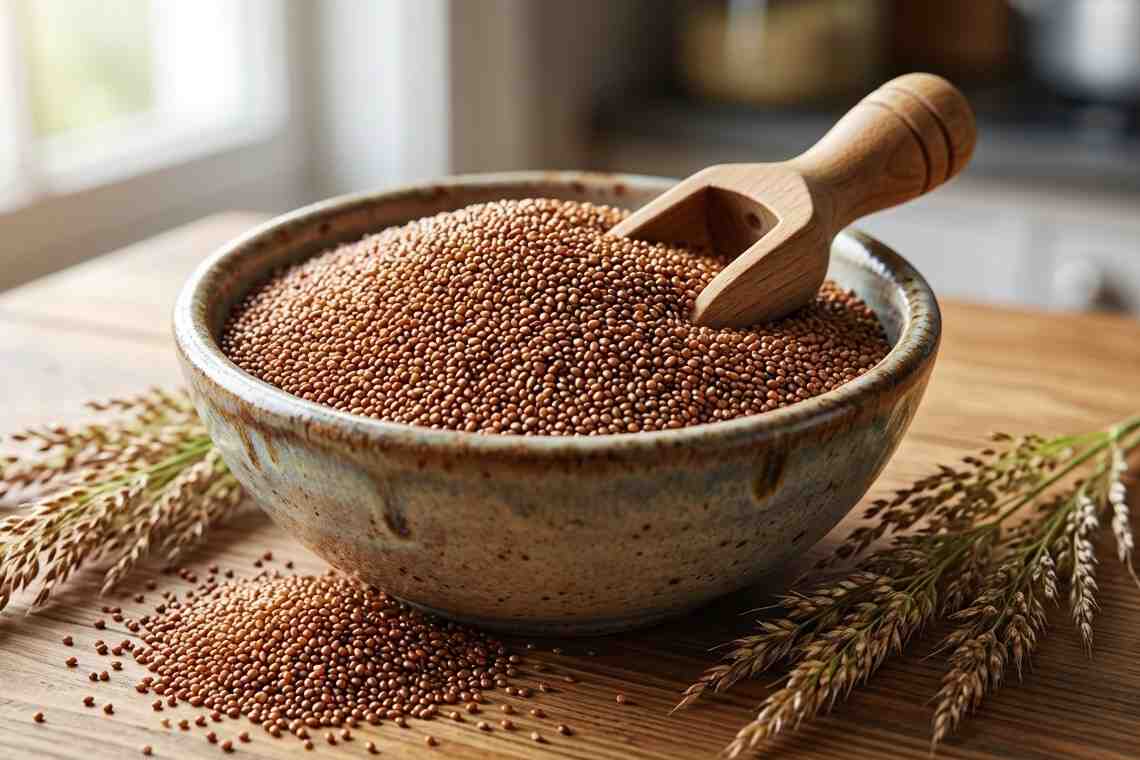
Teff is one of the world’s oldest cultivated grains and has been a staple food in Ethiopia and Eritrea for thousands of years. Despite its tiny size, teff is packed with nutrients, making it a popular choice among health-conscious individuals, athletes, and those following gluten-free diets. Rich in fiber, protein, vitamins, minerals, and antioxidants, teff is increasingly recognized as a super grain that supports overall health and wellness.
This guide explores everything you need to know about teff, including its nutrition facts, science-backed health benefits, side effects, cooking methods, storage tips, dosage recommendations, and more.
What is Teff?
Teff (Eragrostis tef) is a small cereal grain native to the Horn of Africa. The grain is incredibly tiny—about the size of a poppy seed—but it contains an impressive amount of nutrients. Teff comes in several varieties, including white, red, and brown teff, each with slightly different flavors and nutritional profiles.
Traditionally, teff is used to make injera, a soft fermented flatbread that is a staple food in Ethiopian cuisine. Today, teff is also used in porridges, baked goods, pancakes, cereals, and gluten-free flour blends.
One of teff’s biggest advantages is that it is naturally gluten-free while providing more nutrients than many common grains.
Nutrition Facts of Teff
| Nutrient | Amount (Per 100 Grams of Uncooked Teff) |
|---|---|
| Calories | 367 kcal |
| Protein | 13.3 g |
| Carbohydrates | 73.1 g |
| Dietary Fiber | 8 g |
| Fat | 2.4 g |
| Calcium | 180 mg |
| Iron | 7.6 mg |
| Magnesium | 184 mg |
| Phosphorus | 429 mg |
| Potassium | 427 mg |
| Zinc | 3.6 mg |
| Manganese | 9.2 mg |
| Copper | 0.8 mg |
| Vitamin B1 (Thiamine) | 0.39 mg |
| Vitamin B2 (Riboflavin) | 0.27 mg |
| Vitamin B3 (Niacin) | 3.4 mg |
| Folate | 126 mcg |
| Sodium | 12 mg |
Nutritional values may vary slightly depending on variety and growing conditions.
20 Proven Health Benefits of Teff
- Supports Digestive Health: The high fiber content in teff promotes healthy digestion and helps prevent constipation.
- Naturally Gluten-Free: It provides a nutritious grain option for individuals with celiac disease or gluten sensitivity.
- Promotes Heart Health: Its fiber and mineral content may help support healthy cholesterol levels and cardiovascular function.
- Rich in Iron: Teff contains significant amounts of iron that support red blood cell production and oxygen transport.
- Helps Prevent Anemia: Regular consumption may contribute to maintaining healthy iron levels and reducing anemia risk.
- Supports Bone Strength: Calcium, phosphorus, and magnesium work together to promote strong bones and teeth.
- Provides Long-Lasting Energy: Complex carbohydrates release energy gradually, helping sustain energy throughout the day.
- Aids Weight Management: Fiber and protein help increase satiety and reduce unnecessary snacking.
- Supports Blood Sugar Control: The fiber content may help slow glucose absorption and support stable blood sugar levels.
- Boosts Athletic Performance: Teff provides carbohydrates, protein, and minerals that help fuel physical activity.
- Enhances Muscle Recovery: Protein and essential amino acids contribute to muscle repair after exercise.
- Supports Immune Function: Zinc and other nutrients help maintain a healthy immune system.
- Promotes Healthy Pregnancy: Folate supports fetal development and maternal health during pregnancy.
- Rich in Antioxidants: Teff contains plant compounds that help combat oxidative stress.
- Supports Nervous System Function: B vitamins assist in proper nerve function and energy metabolism.
- Improves Metabolic Health: Nutrients found in teff contribute to healthy metabolic processes.
- May Help Lower Cholesterol: Dietary fiber can assist in maintaining healthy cholesterol levels.
- Supports Healthy Skin: Vitamins and minerals contribute to skin repair and overall skin health.
- Contributes to Healthy Blood Pressure: Potassium and magnesium help regulate normal blood pressure levels.
- Promotes Overall Wellness: Its broad nutrient profile supports multiple body systems and overall health.
10 Side Effects of Teff
- Digestive Discomfort: Excessive consumption may cause bloating, gas, or stomach discomfort in sensitive individuals.
- High Fiber Adjustment Issues: People new to high-fiber foods may experience temporary digestive changes.
- Potential Mineral Absorption Reduction: Naturally occurring phytates may slightly reduce absorption of certain minerals.
- Possible Allergic Reactions: Although rare, some individuals may experience allergic responses to teff.
- Calorie Overconsumption: Eating large quantities may contribute to excessive calorie intake.
- Digestive Fullness: High fiber content may create feelings of excessive fullness if consumed in large amounts.
- Medication Interactions: Fiber-rich foods may affect the absorption of certain medications.
- Potential Blood Sugar Changes: Diabetic individuals should monitor portions to maintain balanced blood glucose levels.
- Gastrointestinal Sensitivity: People with sensitive digestive systems may experience mild irritation.
- Nutrient Imbalance Risk: Relying heavily on one grain may reduce dietary variety and nutritional balance.
How to Eat Teff?
Teff is highly versatile and can be incorporated into numerous dishes.
Popular ways to eat teff include:
- Cooked breakfast porridge
- Teff flour pancakes
- Injera bread
- Gluten-free muffins
- Cookies and cakes
- Smoothie bowls
- Energy bars
- Grain salads
- Soups and stews
- Side dishes similar to rice or quinoa
- Homemade cereals
- Protein bowls
Its mild, nutty flavor pairs well with both sweet and savory foods.
Tips for Consuming Teff
- Start with small portions if you are not accustomed to high-fiber foods.
- Drink plenty of water when increasing fiber intake.
- Combine teff with fruits and vegetables for balanced meals.
- Use teff flour in gluten-free baking recipes.
- Pair teff with vitamin C-rich foods to enhance iron absorption.
- Rotate teff with other whole grains for dietary diversity.
- Store properly to maintain freshness.
- Choose whole-grain teff whenever possible.
- Include protein sources alongside teff-based meals.
- Gradually increase serving sizes for better digestion.
How to Cook Teff?
Cooking teff is simple and similar to preparing other grains.
Basic Teff Porridge
Ingredients:
- 1 cup teff
- 3 cups water
- Pinch of salt
Instructions:
- Rinse the teff thoroughly.
- Add teff and water to a saucepan.
- Bring to a boil.
- Reduce heat and simmer for 15–20 minutes.
- Stir occasionally to prevent sticking.
- Cook until the grain becomes soft and thick.
- Serve warm with fruits, nuts, honey, or spices.
For a Fluffier Texture:
Use a ratio of:
- 1 cup teff
- 2.5 cups water
Cook until water is absorbed and grains become tender.
Other Uses of Teff
- Gluten-Free Baking: Teff flour is commonly used in breads, muffins, and cakes.
- Traditional Injera Production: It is the primary ingredient used to make Ethiopian injera bread.
- Breakfast Cereals: It can be processed into hot or cold breakfast cereals.
- Energy Bars: Manufacturers use teff in nutrient-dense snack bars.
- Protein Blends: Teff flour is added to nutritional supplements and meal replacements.
- Thickening Agent: Ground teff can naturally thicken soups and sauces.
- Animal Feed: Teff straw is used as nutritious livestock feed.
- Fermented Foods: Teff serves as a base ingredient for various fermented foods.
- Sports Nutrition Products: Athletes often consume teff-based products for sustained energy.
- Healthy Snack Production: It is incorporated into crackers, chips, and snack foods.
How Much Teff Can You Eat in a Day?
For most healthy adults, consuming about ½ to 1 cup of cooked teff daily is generally considered a reasonable amount as part of a balanced diet.
Athletes and highly active individuals may consume larger portions depending on energy requirements.
The ideal amount varies according to:
- Age
- Activity level
- Health status
- Calorie needs
- Dietary goals
General Dosage Recommendations:
| Group | Suggested Daily Intake |
|---|---|
| Children | ¼–½ cup cooked |
| Teenagers | ½–1 cup cooked |
| Adults | ½–1 cup cooked |
| Athletes | 1–2 cups cooked |
| Seniors | ½–1 cup cooked |
These recommendations can vary depending on overall dietary intake and nutritional needs.
Best Time to Eat Teff
Breakfast
Teff porridge provides sustained energy and helps keep you full for longer.
Before Exercise
Complex carbohydrates offer a steady source of fuel for workouts.
After Exercise
Protein and minerals support recovery and muscle repair.
Lunch
Teff-based salads and grain bowls provide balanced midday nutrition.
Dinner
Moderate servings can contribute to a filling and nutritious evening meal.
Who Should Eat Teff?
- People with Gluten Sensitivity: It offers a naturally gluten-free grain option.
- Athletes: Its combination of carbohydrates, protein, and minerals supports physical performance.
- Vegetarians: It contributes valuable plant-based protein and iron.
- Pregnant Women: Folate and iron support maternal and fetal health.
- Individuals with Anemia Risk: The iron content may help support healthy blood levels.
- Older Adults: Nutrients support bone and muscle health during aging.
- Weight-Conscious Individuals: Fiber and protein promote satiety.
- Students and Professionals: Slow-release carbohydrates provide steady energy throughout the day.
- People Seeking Whole Grains: It offers a nutrient-dense whole-grain alternative.
- Health-Conscious Consumers: Its rich nutritional profile supports overall wellness.
Who Should Not Eat Teff?
- Individuals with Grain Allergies: Those allergic to teff should avoid consuming it.
- People with Severe Digestive Disorders: High-fiber foods may aggravate certain digestive conditions.
- Individuals Following Low-Fiber Diets: It may not be suitable during medically prescribed low-fiber periods.
- People Experiencing Acute Gastrointestinal Issues: Consumption may worsen symptoms temporarily.
- Individuals Sensitive to New High-Fiber Foods: Gradual introduction is recommended.
- Those with Specific Medical Restrictions: Follow healthcare provider recommendations regarding grain intake.
- People with Certain Medication Schedules: Fiber may affect medication absorption timing.
- Individuals on Specialized Diet Plans: Ensure teff aligns with dietary requirements.
- People with Persistent Digestive Discomfort: Medical evaluation may be necessary before regular use.
- Anyone with Confirmed Teff Intolerance: Consumption should be avoided completely.
How to Store Teff?
- Store in Airtight Containers: Airtight storage helps prevent moisture exposure.
- Keep in a Cool Place: Cool environments preserve freshness and quality.
- Avoid Direct Sunlight: Sunlight may reduce shelf life and affect flavor.
- Refrigerate for Extended Storage: Refrigeration helps maintain freshness longer.
- Freeze for Long-Term Use: Freezing can significantly extend shelf life.
- Keep Away from Moisture: Moisture encourages spoilage and mold growth.
- Check for Pests Regularly: Inspect stored grains periodically for infestation.
- Label Storage Dates: Tracking dates helps ensure timely use.
- Store Flour Separately: Teff flour requires extra protection from humidity.
- Seal Immediately After Use: Proper sealing maintains quality and flavor.
Precautions and Interactions
- Increase Intake Gradually: Introduce teff slowly to reduce digestive discomfort.
- Maintain Adequate Hydration: Drink sufficient water when consuming fiber-rich foods.
- Monitor Blood Sugar Levels: Individuals with diabetes should track glucose responses.
- Consider Medication Timing: Take medications separately from large fiber-rich meals when appropriate.
- Watch for Allergic Symptoms: Discontinue use if allergic reactions occur.
- Consult During Pregnancy: Seek professional advice for personalized dietary recommendations.
- Use Balanced Portions: Avoid excessive consumption to maintain nutritional variety.
- Combine with Diverse Foods: Pair teff with fruits, vegetables, and proteins for balanced nutrition.
- Check Existing Health Conditions: Certain digestive disorders may require modified intake.
- Seek Medical Advice if Needed: Consult a healthcare professional when adding teff to specialized diets.
Conclusion
Teff is a nutrient-dense ancient grain that offers an impressive combination of fiber, protein, vitamins, minerals, and antioxidants. Its naturally gluten-free nature makes it an excellent option for people with gluten intolerance, while its rich nutritional profile supports digestive health, heart health, bone strength, energy production, and overall wellness. When consumed in moderation as part of a balanced diet, teff can be a valuable addition to healthy eating habits. Proper preparation, storage, and portion control can help maximize its benefits while minimizing potential side effects.
FAQ’s
Is teff gluten-free?
Yes, It is naturally gluten-free and is suitable for most people with celiac disease or gluten sensitivity.
What does teff taste like?
It has a mild, slightly nutty, earthy flavor that works well in both sweet and savory dishes.
Is teff healthier than rice?
It generally contains more fiber, protein, iron, calcium, and minerals than white rice.
Can teff help with weight loss?
It may support weight management because its fiber and protein content can help you feel full longer.
Is teff good for people with diabetes?
It may help support healthy blood sugar management due to its fiber content, but portion control is still important.
Can I eat teff every day?
Yes, It can be eaten daily in moderate amounts as part of a varied and balanced diet.
Is teff high in protein?
Yes, It provides a good amount of plant-based protein compared to many other grains.
Does teff contain iron?
Yes, It is naturally rich in iron, making it a popular grain for supporting healthy iron intake.
Can pregnant women eat teff?
Yes, It contains iron and folate, nutrients that are important during pregnancy.
Is teff good for digestion?
Yes, the dietary fiber in teff may help promote healthy digestion and regular bowel movements.
Can teff be used in baking?
Yes, teff flour is commonly used in gluten-free breads, pancakes, muffins, cookies, and other baked goods.
Is teff suitable for athletes?
Yes, It provides complex carbohydrates, protein, and minerals that can support energy and recovery.
What is teff flour?
Teff flour is made by grinding whole teff grains into a fine powder used for baking and cooking.
Is teff good for heart health?
It contains fiber, magnesium, and other nutrients that may help support cardiovascular health.
What foods can be made with teff?
It can be used to make porridge, injera, bread, pancakes, cereals, soups, energy bars, and baked goods.
Is Teff safe for children?
Yes, It is generally safe for children and provides important nutrients such as protein, iron, fiber, and calcium that support healthy growth and development.
What is Teff good for?
It is good for supporting digestion, heart health, energy production, bone strength, healthy blood sugar levels, and overall nutrition due to its rich fiber, protein, vitamin, and mineral content.
What is teff called in India?
Teff does not have a widely recognized traditional Indian name because it is not commonly grown in India. It is usually sold simply as “teff” or “teff grain.”
Is teff the same as ragi?
No, teff and ragi are different grains. While both are small, nutritious, and gluten-free, teff comes from Ethiopia, whereas ragi (finger millet) is widely cultivated in India and other parts of Asia and Africa.
Is teff healthier than oats?
Both are highly nutritious. Teff generally contains more iron and calcium, while oats are particularly known for their beta-glucan fiber, which supports heart health. The healthier choice depends on individual dietary needs.
Why is teff so expensive?
It is often more expensive because it is primarily grown in limited regions, has relatively lower global production, requires specialized processing, and is often imported to many countries.
Which is better, teff or millet?
Neither is universally better. Teff is typically higher in iron, calcium, and protein, while millet is often more affordable and widely available. Both can be part of a healthy diet.
Which country produces the most teff?
Ethiopia is the world’s largest producer of teff and has cultivated the grain for thousands of years as a staple food crop.
Also Read: