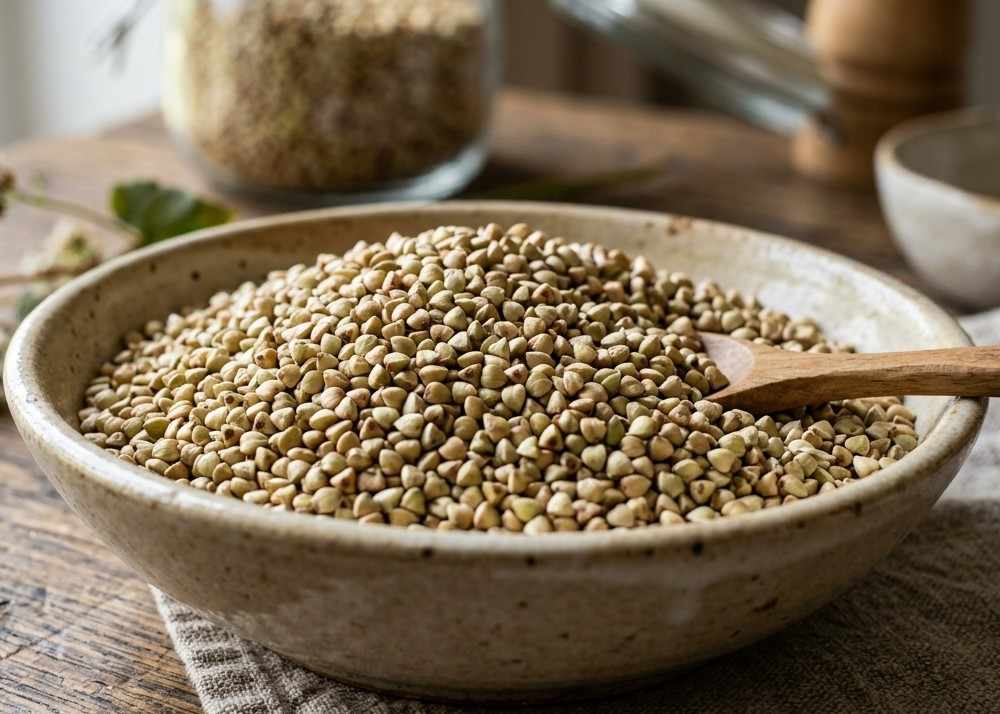
Buckwheat is a highly nutritious, gluten-free seed that has been consumed for centuries across Asia, Europe, and North America. Despite its name, buckwheat is not related to wheat and is actually a pseudocereal, meaning it is used like a grain but comes from a different plant family. Rich in protein, fiber, antioxidants, vitamins, and minerals, buckwheat is valued for its science-backed health benefits, including supporting heart health, digestion, blood sugar control, and weight management.
What is Buckwheat?
Buckwheat is the edible seed of the buckwheat plant (Fagopyrum esculentum). It belongs to the Polygonaceae family and is closely related to rhubarb and sorrel rather than wheat. Buckwheat is naturally gluten-free and is commonly used in the form of groats, flour, noodles, pancakes, porridge, and baked goods.
It has a slightly nutty flavor and is considered one of the most nutrient-dense grain alternatives available. Buckwheat is especially popular among people following gluten-free, vegetarian, or health-conscious diets.
Nutrition Facts of Buckwheat
The following nutritional values are approximate per 100 grams of cooked buckwheat.
| Nutrient | Amount |
|---|---|
| Calories | 92 kcal |
| Carbohydrates | 19.9 g |
| Protein | 3.4 g |
| Fat | 0.6 g |
| Dietary Fiber | 2.7 g |
| Calcium | 7 mg |
| Iron | 0.8 mg |
| Magnesium | 51 mg |
| Phosphorus | 70 mg |
| Potassium | 88 mg |
| Zinc | 0.6 mg |
| Copper | 0.1 mg |
| Manganese | 0.4 mg |
| Folate | 14 mcg |
| Thiamin (Vitamin B1) | 0.04 mg |
| Riboflavin (Vitamin B2) | 0.04 mg |
| Niacin (Vitamin B3) | 0.9 mg |
20 Proven Health Benefits of Buckwheat
- Supports Heart Health: It contains rutin and magnesium, which may help improve cardiovascular health and circulation.
- Helps Lower Cholesterol: Regular consumption may contribute to reduced LDL (bad) cholesterol levels.
- Improves Blood Sugar Control: Its low glycemic index helps prevent rapid spikes in blood glucose.
- Rich in Antioxidants: Buckwheat provides antioxidants that help protect cells from oxidative stress.
- Promotes Healthy Digestion: The fiber content supports regular bowel movements and digestive function.
- Aids Weight Management: Fiber and protein help increase satiety and reduce overeating.
- Naturally Gluten-Free: It is a safe grain alternative for people with gluten intolerance or celiac disease.
- Supports Healthy Blood Pressure: Magnesium may help relax blood vessels and promote normal blood pressure.
- Enhances Gut Health: Fiber acts as a prebiotic that supports beneficial gut bacteria.
- Provides High-Quality Protein: Buckwheat contains all essential amino acids, including lysine.
- Supports Bone Health: Minerals such as magnesium, phosphorus, and manganese contribute to stronger bones.
- Boosts Energy Production: B vitamins assist the body in converting food into usable energy.
- May Reduce Inflammation: Antioxidant compounds may help lower inflammatory responses.
- Supports Immune Function: Nutrients and antioxidants contribute to a stronger immune system.
- Improves Circulation: Rutin may strengthen blood vessels and improve blood flow.
- May Reduce Risk of Diabetes: Better blood sugar management may help lower diabetes risk factors.
- Supports Healthy Skin: Antioxidants help protect skin cells from environmental damage.
- Contributes to Brain Health: Magnesium and antioxidants support cognitive function.
- Promotes Healthy Metabolism: Nutrients assist various metabolic processes throughout the body.
- May Help Prevent Constipation: Fiber helps maintain healthy bowel regularity.
10 Side Effects of Buckwheat
- Allergic Reactions: Some individuals may experience itching, swelling, or allergic symptoms after consuming buckwheat.
- Digestive Discomfort: Excessive intake may cause bloating, gas, or stomach discomfort.
- Photosensitivity Risk: Rarely, consuming large amounts may increase sensitivity to sunlight.
- Possible Skin Irritation: Certain people may develop skin reactions due to buckwheat allergy.
- May Cause Nausea: Sensitive individuals may experience mild nausea after consumption.
- Overconsumption of Fiber: Excessive intake can lead to digestive disturbances.
- Potential Drug Interactions: Buckwheat compounds may interact with specific medications in rare cases.
- Risk of Cross-Contamination: Some processed products may contain traces of gluten.
- Possible Headaches: Allergic responses may occasionally trigger headaches.
- Not Suitable for Everyone: Individuals with confirmed buckwheat allergies should avoid it completely.
How to Eat Buckwheat?
Buckwheat is extremely versatile and can be included in the diet in many ways:
- Cook buckwheat groats and serve them as a side dish.
- Use buckwheat flour for pancakes, bread, and muffins.
- Add cooked buckwheat to salads and grain bowls.
- Prepare warm breakfast porridge using buckwheat groats.
- Use buckwheat noodles in soups and stir-fries.
- Blend buckwheat flour into smoothies for added nutrition.
- Add roasted buckwheat to yogurt or cereal.
- Use it as a stuffing ingredient for vegetables.
Tips for Consuming Buckwheat
- Start with small servings if you are new to buckwheat.
- Rinse groats thoroughly before cooking.
- Pair buckwheat with vegetables and lean proteins for balanced meals.
- Drink enough water when increasing fiber intake.
- Choose organic products when available.
- Store properly to maintain freshness.
- Use whole buckwheat groats for maximum nutritional value.
- Check labels if you require certified gluten-free products.
How to Cook Buckwheat?
Cooking buckwheat is simple and similar to preparing rice.
Ingredients
- 1 cup buckwheat groats
- 2 cups water
- Pinch of salt
Instructions
- Rinse the buckwheat groats under cold water.
- Bring water to a boil in a saucepan.
- Add buckwheat and salt.
- Reduce heat and cover the pan.
- Simmer for 10–15 minutes until the water is absorbed.
- Remove from heat and let stand for 5 minutes.
- Fluff with a fork and serve.
Other Uses of Buckwheat
- Buckwheat Flour: Used in gluten-free baking recipes.
- Noodles Production: Commonly used to make traditional soba noodles.
- Animal Feed: Buckwheat plants are sometimes used as livestock feed.
- Cover Crop: Farmers grow buckwheat to improve soil quality.
- Honey Production: Buckwheat flowers are valued by honeybees.
- Natural Fertilizer: Plant residues can enrich soil nutrients.
- Pillow Filling: Buckwheat hulls are used in supportive pillows.
- Mulching Material: The plant can be used for weed suppression.
- Tea Preparation: Buckwheat kernels can be roasted and brewed into tea.
- Eco-Friendly Products: Hulls are used in sustainable household products.
How Much Buckwheat Can You Eat in a Day?
Most healthy adults can safely consume about ½ to 1 cup of cooked buckwheat per day as part of a balanced diet. Individual needs vary depending on age, activity level, and overall dietary habits. Moderate consumption is generally recommended to obtain nutritional benefits without excessive fiber intake.
Typical daily consumption includes:
- 50–100 grams of dry buckwheat groats.
- ½–1 cup cooked buckwheat.
- 30–60 grams of buckwheat flour in recipes.
- One serving of buckwheat noodles as part of a meal.
Best Time to Eat Buckwheat
- Breakfast for sustained energy throughout the day.
- Lunch to promote fullness and stable blood sugar.
- Post-workout meals for carbohydrate and protein replenishment.
- Dinner when combined with vegetables and lean proteins.
- Snacks when used in healthy baked goods or granola.
Who Should Eat Buckwheat?
- People with Gluten Intolerance: It offers a naturally gluten-free grain alternative.
- Individuals Managing Weight: Its fiber and protein may help improve satiety.
- Athletes: It provides energy-supporting carbohydrates and nutrients.
- Vegetarians and Vegans: It supplies valuable plant-based protein.
- People with Digestive Concerns: Fiber supports digestive health when consumed appropriately.
- Individuals with Heart Health Goals: Nutrients may support cardiovascular wellness.
- People Seeking Better Blood Sugar Control: It has a relatively low glycemic impact.
- Older Adults: Its nutrient density supports overall health.
- Health-Conscious Individuals: It contributes valuable vitamins and minerals.
- Students and Professionals: Complex carbohydrates may support steady energy levels.
Who Should Not Eat Buckwheat?
- People with Buckwheat Allergy: Consumption may trigger allergic reactions.
- Individuals with Severe Food Sensitivities: Careful monitoring is recommended when trying buckwheat.
- People Experiencing Digestive Distress: Excessive intake may worsen symptoms.
- Those Following Specific Medical Diets: Consultation with a healthcare provider may be necessary.
- Individuals Sensitive to High Fiber Foods: Gradual introduction is advised.
- People with Known Photosensitivity Issues: Excessive intake may require caution.
- Young Children with Allergies: Medical guidance may be beneficial.
- People Taking Certain Medications: Professional advice may help avoid interactions.
- Individuals with Cross-Reactive Food Allergies: Monitoring for allergic symptoms is recommended.
- Anyone Experiencing Adverse Reactions: Consumption should be discontinued and medical advice sought.
How to Store Buckwheat?
- Keep in Airtight Containers: Protects buckwheat from moisture and pests.
- Store in a Cool Place: Helps preserve freshness and quality.
- Avoid Direct Sunlight: Prevents nutrient degradation.
- Refrigerate for Long-Term Storage: Extends shelf life of groats and flour.
- Freeze for Extended Preservation: Suitable for long-term storage.
- Keep Away from Strong Odors: It can absorb surrounding smells.
- Check for Moisture: Prevents mold growth.
- Label Storage Dates: Helps track freshness.
- Use Fresh Containers: Clean containers reduce contamination risk.
- Inspect Before Use: Discard products showing spoilage signs.
Precautions and Interactions
- Allergy Precaution: Individuals with buckwheat allergies should avoid all products.
- Start Slowly: Gradually increase intake to minimize digestive discomfort.
- Monitor Fiber Consumption: Excessive fiber may cause bloating or gas.
- Choose Certified Gluten-Free Products: Important for those with celiac disease.
- Medication Awareness: Consult a healthcare provider if taking medications regularly.
- Pregnancy Considerations: Moderate food-based consumption is generally preferred.
- Hydration Importance: Drink sufficient water when consuming high-fiber foods.
- Watch for Skin Reactions: Discontinue use if unusual symptoms develop.
- Check Product Labels: Processed products may contain additional ingredients.
- Seek Medical Advice When Needed: Individuals with chronic health conditions should consult healthcare professionals before major dietary changes.
Conclusion
Buckwheat is a nutrient-rich, gluten-free pseudocereal that offers an impressive range of health benefits. From supporting heart health and blood sugar control to promoting digestion and providing high-quality plant protein, buckwheat can be a valuable addition to a balanced diet. Its versatility allows it to be enjoyed in porridges, baked goods, salads, noodles, and many other recipes. While generally safe for most people, moderation and awareness of potential allergies are important. When incorporated thoughtfully, buckwheat can be a wholesome and satisfying part of a healthy lifestyle.
FAQ’s
Is buckwheat actually a type of wheat?
No, It is not a type of wheat. It is a gluten-free pseudocereal that comes from the seeds of the buckwheat plant.
Is buckwheat gluten-free?
Yes, It is naturally gluten-free and is suitable for people with celiac disease or gluten sensitivity when certified gluten-free.
What does buckwheat taste like?
Buckwheat has a mild, earthy, and slightly nutty flavor that works well in both sweet and savory dishes.
Is buckwheat healthier than rice?
It generally contains more protein, fiber, and antioxidants than white rice, making it a highly nutritious option.
Can buckwheat help with weight loss?
Yes, its high fiber and protein content may help increase fullness and reduce overall calorie intake.
Is buckwheat good for people with diabetes?
Yes, It has a relatively low glycemic index and may help support healthy blood sugar management.
Can I eat buckwheat every day?
Yes, most healthy adults can enjoy buckwheat daily as part of a balanced and varied diet.
Is buckwheat high in protein?
Yes, It provides more protein than many grains and contains all essential amino acids.
Can buckwheat be eaten raw?
Raw buckwheat groats can be soaked or sprouted, but they are most commonly cooked before eating.
Is buckwheat good for heart health?
Yes, It contains rutin, fiber, and magnesium, which may support cardiovascular health.
Does buckwheat contain carbohydrates?
Yes, It is a good source of complex carbohydrates that provide long-lasting energy.
Can people with celiac disease eat buckwheat?
Yes, pure buckwheat is safe for people with celiac disease because it does not contain gluten.
Is buckwheat suitable for vegans and vegetarians?
Yes, It is a plant-based food that provides protein, fiber, vitamins, and minerals.
Can buckwheat cause allergies?
Yes, although uncommon, some individuals may experience allergic reactions to buckwheat.
What are buckwheat groats?
Buckwheat groats are the hulled seeds of the buckwheat plant and are the most common form used for cooking.
Is buckwheat good for digestion?
Yes, its fiber content helps support healthy digestion and regular bowel movements.
Can buckwheat flour replace regular flour?
Yes, buckwheat flour can replace part or all of wheat flour in many recipes, especially gluten-free baking.
Is buckwheat good for cholesterol?
Yes, studies suggest that buckwheat may help support healthy cholesterol levels due to its fiber and antioxidant content.
Can buckwheat be eaten for breakfast?
Yes, buckwheat porridge is a popular and nutritious breakfast option.
Are buckwheat noodles healthy?
Yes, buckwheat noodles, especially those made with a high percentage of buckwheat, can be a nutritious choice.
Does buckwheat provide energy?
Yes, its complex carbohydrates and nutrients provide steady energy throughout the day.
What is the Indian name for buckwheat?
In India, buckwheat is commonly known as “Kuttu” and is widely consumed during fasting periods.
Is Buckwheat Safe for Pregnant Women?
Yes, It is generally safe for pregnant women when consumed as part of a balanced diet. It provides fiber, protein, magnesium, and other important nutrients, but those with buckwheat allergies should avoid it.
Is Buckwheat Safe for Children?
Yes, buckwheat is safe for most children and can be a nutritious addition to their diet. It offers essential nutrients and is naturally gluten-free, making it suitable for children with gluten sensitivity.
What Is Buckwheat Good For?
It is good for supporting heart health, digestion, blood sugar management, weight control, and overall nutrition due to its fiber, protein, antioxidants, and mineral content.
Is Buckwheat Healthier Than Wheat?
Buckwheat can be healthier than wheat for some people because it is naturally gluten-free and contains more antioxidants and certain minerals. However, both can be nutritious depending on individual dietary needs.
Also Read: