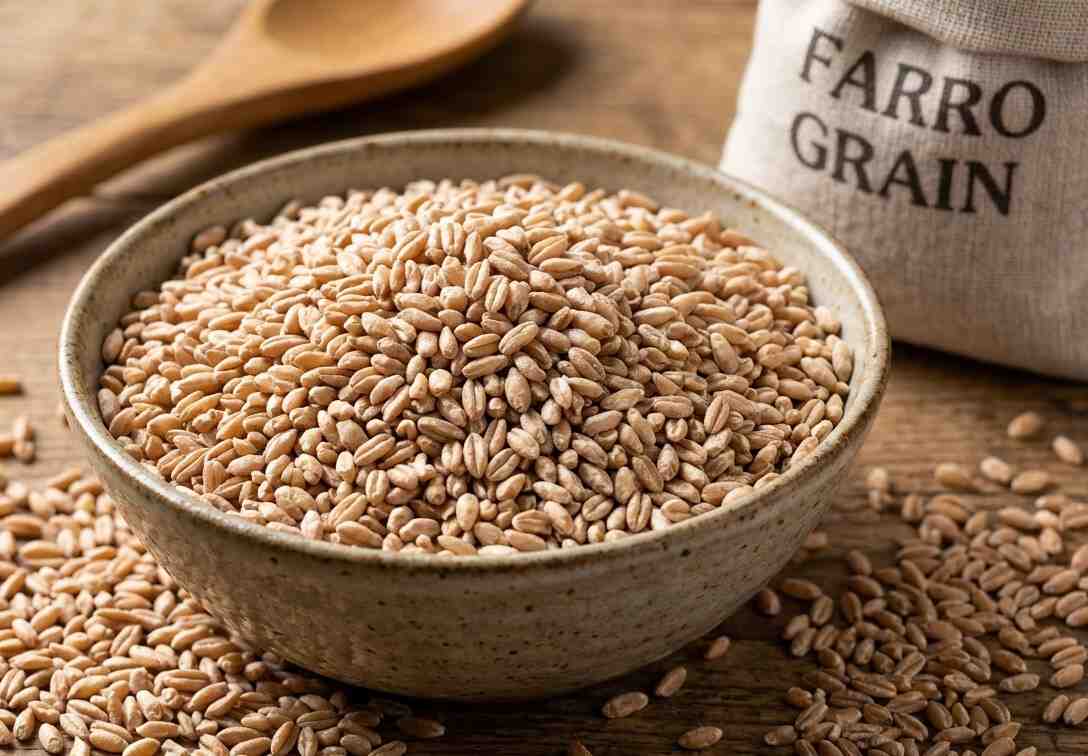
Farro is an ancient grain that has gained popularity among health-conscious individuals due to its impressive nutritional profile and versatility. Known for its nutty flavor and chewy texture, farro has been a staple food in Mediterranean regions for thousands of years. Today, it is widely used in salads, soups, grain bowls, and healthy meal plans.
Rich in fiber, protein, vitamins, minerals, and antioxidants, farro (also known as Ancient Wheat, Emmer Wheat, Hulled Wheat or Triticum dicoccum) is often considered a healthier alternative to refined grains. Whether you’re looking to improve digestion, support heart health, manage weight, or simply add variety to your diet, farro can be a nutritious addition to your meals.
What is Farro?
Farro is an ancient whole grain derived from several species of wheat, primarily emmer wheat. It has been cultivated for over 10,000 years and was a dietary staple in ancient civilizations, particularly in Italy and the Middle East.
Farro has a slightly nutty taste and a pleasantly chewy texture. It is available in three forms:
- Whole Farro
- Semi-Pearled Farro
- Pearled Farro
Whole farro retains the most nutrients but requires longer cooking times, while pearled farro cooks faster due to the removal of some outer bran layers.
Nutrition Facts of Farro
The following nutrition values are approximate for 100 grams of cooked farro.
| Nutrient | Amount |
|---|---|
| Calories | 125 kcal |
| Protein | 5 g |
| Carbohydrates | 26 g |
| Dietary Fiber | 4.5 g |
| Total Fat | 1 g |
| Iron | 1.1 mg |
| Magnesium | 44 mg |
| Phosphorus | 150 mg |
| Zinc | 1.3 mg |
| Potassium | 170 mg |
| Calcium | 13 mg |
| Sodium | 3 mg |
| Niacin (Vitamin B3) | 2.1 mg |
| Thiamin (Vitamin B1) | 0.1 mg |
| Riboflavin (Vitamin B2) | 0.1 mg |
| Folate | 14 mcg |
20 Proven Health Benefits of Farro
- Supports Digestive Health: The high fiber content in farro promotes regular bowel movements and supports a healthy digestive system.
- Improves Heart Health: Regular consumption of farro may help lower cholesterol levels and reduce the risk of cardiovascular disease.
- Promotes Weight Management: The combination of fiber and protein helps increase satiety and reduce overeating.
- Provides Long-Lasting Energy: Complex carbohydrates in farro release energy slowly, helping maintain stable energy levels.
- Helps Control Blood Sugar: Fiber slows glucose absorption, which may help improve blood sugar regulation.
- Rich in Plant Protein: Farro supplies valuable plant-based protein that supports muscle maintenance and repair.
- Supports Healthy Bones: Magnesium and phosphorus contribute to strong bones and overall skeletal health.
- Boosts Immune Function: Essential minerals such as zinc help strengthen the body’s immune defenses.
- Aids Muscle Function: Magnesium supports proper muscle contraction and relaxation.
- Supports Brain Health: B vitamins found in farro play important roles in cognitive function and nervous system health.
- Improves Gut Microbiome: Dietary fiber acts as a prebiotic, feeding beneficial gut bacteria.
- May Reduce Inflammation: Antioxidants in whole grains may help lower chronic inflammation.
- Supports Healthy Blood Circulation: Iron contributes to the production of healthy red blood cells.
- Helps Prevent Constipation: The fiber content improves stool bulk and bowel regularity.
- Promotes Healthy Skin: Nutrients and antioxidants help support skin repair and overall skin health.
- Supports Metabolic Health: Whole grains like farro may improve overall metabolic function.
- Helps Maintain Healthy Blood Pressure: Potassium and magnesium support healthy blood pressure levels.
- May Lower Risk of Chronic Diseases: Whole grain consumption has been associated with reduced risk of several chronic illnesses.
- Supports Athletic Performance: Complex carbohydrates provide sustained fuel for physical activity.
- Enhances Nutrient Intake: Farro supplies a wide range of vitamins, minerals, and phytonutrients that contribute to overall wellness.
10 Side Effects of Farro
- Contains Gluten: Farro contains gluten and is unsuitable for individuals with celiac disease.
- May Cause Digestive Discomfort: Excessive intake can lead to bloating or gas in sensitive individuals.
- Potential Wheat Allergy Reactions: People with wheat allergies may experience allergic symptoms.
- Can Cause Stomach Cramps: Large amounts of fiber may trigger stomach discomfort if consumed suddenly.
- May Increase Calorie Intake: Overeating farro can contribute to excess calorie consumption.
- Possible Mineral Absorption Reduction: Naturally occurring phytates may slightly reduce mineral absorption.
- Can Cause Fullness or Heaviness: High fiber content may create feelings of fullness in some people.
- May Trigger IBS Symptoms: Certain individuals with digestive disorders may experience symptom flare-ups.
- Potential Digestive Adjustment Period: Increasing intake too quickly can cause temporary digestive issues.
- Not Suitable for Gluten Sensitivity: Individuals with non-celiac gluten sensitivity may experience discomfort.
How to Eat Farro?
Farro is incredibly versatile and can be included in various dishes:
- Add cooked farro to salads.
- Use it as a base for grain bowls.
- Mix it into soups and stews.
- Serve as a side dish instead of rice.
- Add to vegetable stir-fries.
- Use in stuffed peppers or vegetables.
- Prepare breakfast porridge with fruits and nuts.
- Include in casseroles.
- Mix into cold pasta-style salads.
- Use as a nutritious ingredient in meal-prep recipes.
Tips for Consuming Farro
- Start with small portions if you are new to high-fiber foods.
- Drink plenty of water alongside high-fiber meals.
- Pair farro with vegetables for additional nutrients.
- Combine with legumes for a complete protein-rich meal.
- Choose whole or semi-pearled farro for maximum nutritional value.
- Season with herbs and spices for enhanced flavor.
- Store cooked farro properly to maintain freshness.
- Incorporate it gradually into your weekly meal plan.
- Balance portions with other healthy foods.
- Avoid overcooking to preserve texture.
How to Cook Farro?
Ingredients:
- 1 cup farro
- 3 cups water or broth
- Pinch of salt
Instructions:
- Rinse the farro thoroughly under running water.
- Soak for 30 minutes if using whole farro (optional but recommended).
- Bring water or broth to a boil.
- Add farro and salt.
- Reduce heat and simmer.
- Cook for 20–40 minutes depending on the type of farro.
- Check for tenderness.
- Drain excess liquid if necessary.
- Fluff with a fork.
- Serve warm or allow it to cool for salads.
Other Uses of Farro
- Soup Thickener: Cooked farro can add texture and thickness to soups and stews.
- Breakfast Grain: Farro can be prepared as a warm breakfast cereal with fruits and spices.
- Salad Ingredient: It serves as a hearty addition to vegetable and protein-rich salads.
- Stuffing Base: Emmer wheat can be used in vegetable or poultry stuffing recipes.
- Grain Bowl Foundation: It provides a nutritious base for balanced grain bowls.
- Casserole Component: Emmer wheat works well in baked casserole dishes.
- Veggie Burger Ingredient: Ground cooked farro can help bind homemade veggie burgers.
- Side Dish Alternative: It can replace rice, couscous, or pasta in many meals.
- Meal Prep Staple: Cooked farro stores well for weekly meal preparation.
- Healthy Snack Mix: Roasted Emmer wheat can be incorporated into crunchy snack blends.
How Much Farro Can You Eat in a Day?
For most healthy adults, consuming about ½ to 1 cup of cooked farro daily is generally considered reasonable as part of a balanced diet. Individual needs may vary depending on age, activity level, and overall dietary requirements.
| Group | Suggested Amount |
|---|---|
| Beginners | ¼–½ cup cooked |
| Healthy Adults | ½–1 cup cooked daily |
| Athletes | 1–2 cups cooked daily |
| Weight Management Diets | ½ cup cooked per meal |
| High-Fiber Diets | Up to 1 cup cooked daily |
Best Time to Eat Farro
- Breakfast for sustained energy throughout the day.
- Lunch to promote fullness and reduce afternoon hunger.
- Pre-workout meal for long-lasting energy.
- Post-workout meal when combined with protein.
- Dinner as part of a balanced meal.
- Anytime as a healthy whole-grain option.
Who Should Eat Farro?
- Athletes: The complex carbohydrates provide sustained energy for training and performance.
- Vegetarians: Emmer wheat offers valuable plant-based protein and minerals.
- Weight-Conscious Individuals: Fiber helps promote fullness and appetite control.
- People Seeking Better Digestion: Its fiber supports digestive regularity.
- Busy Professionals: Emmer wheat provides steady energy throughout the day.
- Students: Complex carbohydrates may support concentration and focus.
- Older Adults: Nutrients in farro contribute to overall wellness and healthy aging.
- Heart-Health Focused Individuals: Whole grains support cardiovascular health.
- Fitness Enthusiasts: Emmer wheat can help replenish energy stores after exercise.
- People Looking for Whole Grains: It is an excellent alternative to refined grains.
Who Should Not Eat Farro?
- People with Celiac Disease: Emmer wheat contains gluten and must be avoided.
- Individuals with Wheat Allergies: Wheat proteins may trigger allergic reactions.
- People with Gluten Sensitivity: Symptoms may worsen after consumption.
- Certain IBS Patients: Some individuals may experience digestive discomfort.
- People Following Gluten-Free Diets: Emmer wheat is not compatible with gluten-free eating plans.
- Individuals with Severe Grain Intolerances: Digestive symptoms may occur.
- People with Specific Dietary Restrictions: Medical dietary advice should be followed.
- Children with Wheat Allergies: Emmer wheat should be avoided if allergies are present.
- Individuals Experiencing Digestive Distress: Temporary avoidance may be beneficial.
- Anyone Advised by a Healthcare Professional: Medical recommendations should take priority.
How to Store Farro?
- Keep in an Airtight Container: This helps protect Emmer wheat from moisture and pests.
- Store in a Cool Place: A cool pantry helps preserve freshness.
- Avoid Direct Sunlight: Sunlight may reduce shelf life over time.
- Use Dry Storage Conditions: Moisture can lead to spoilage.
- Refrigerate Cooked Farro: Store cooked Emmer wheat in the refrigerator promptly.
- Consume Cooked Farro Within Days: It is best used within 4–5 days.
- Freeze for Long-Term Storage: Frozen cooked Emmer wheat can last several months.
- Label Storage Containers: Dating containers helps monitor freshness.
- Keep Away from Strong Odors: Emmer wheat may absorb surrounding smells.
- Check Regularly for Spoilage: Discard if mold or unusual odors develop.
Precautions and Interactions
- Gluten Content Warning: Emmer wheat contains gluten and should be avoided by those with celiac disease.
- Increase Fiber Gradually: Sudden high intake may cause digestive discomfort.
- Drink Adequate Water: Proper hydration helps fiber function effectively.
- Monitor Wheat Allergies: Allergic individuals should avoid farro entirely.
- Consult Healthcare Providers: People with digestive conditions should seek professional guidance.
- Watch Portion Sizes: Excessive consumption may contribute to digestive issues.
- Combine with Balanced Meals: Pairing with proteins and vegetables improves nutritional balance.
- Check Medication Advice: Individuals taking specialized medications should consult healthcare professionals.
- Observe Individual Tolerance: Responses to high-fiber foods can vary.
- Use Proper Food Storage Practices: Safe storage helps prevent spoilage and foodborne illness.
Conclusion
Farro is a nutrient-dense ancient grain that offers a wealth of health benefits, including improved digestion, heart health support, stable energy levels, and enhanced nutrient intake. Its rich fiber, protein, vitamin, and mineral content make it an excellent addition to a balanced diet. Whether enjoyed in soups, salads, grain bowls, or breakfast dishes, farro provides both flavor and nutrition. However, because it contains gluten, it is not suitable for individuals with celiac disease or gluten-related disorders. When consumed in moderation as part of a healthy lifestyle, Emmer wheat can be a delicious and wholesome grain choice for many people.
FAQ’s
What is farro made from?
Emmer wheat is an ancient whole grain that comes from certain species of wheat, primarily emmer wheat.
Is farro healthier than rice?
Emmer wheat generally contains more fiber, protein, vitamins, and minerals than white rice, making it a more nutrient-dense option.
Does farro contain gluten?
Yes, Emmer wheat contains gluten and is not suitable for people with celiac disease or gluten intolerance.
What does farro taste like?
Emmer wheat has a mildly nutty flavor and a chewy texture that works well in both savory and sweet dishes.
Can farro help with weight loss?
Emmer wheat may support weight management because its fiber and protein content can help you feel full longer.
Is farro good for diabetics?
Emmer wheat has a lower glycemic impact than many refined grains, but people with diabetes should monitor portions and consult their healthcare provider.
How long does farro take to cook?
Depending on the variety, Emmer wheat usually takes about 20–40 minutes to cook.
Can I eat farro every day?
Yes, most healthy adults can enjoy Emmer wheat daily as part of a balanced diet.
Should farro be soaked before cooking?
Soaking is optional but can reduce cooking time and improve texture, especially for whole Emmer wheat.
Is farro a protein-rich grain?
Emmer wheat contains more protein than many common grains, making it a good choice for plant-based diets.
Can farro be eaten cold?
Yes, cooked Emmer wheat can be served cold in salads, grain bowls, and meal-prep dishes.
Is farro good for digestion?
Yes, the fiber in Emmer wheat supports healthy digestion and regular bowel movements.
What is the difference between farro and barley?
Although they look similar, Emmer wheat is a wheat grain while barley is a different cereal grain with its own nutritional profile.
Can farro replace rice in recipes?
Yes, Emmer wheat can be used as a substitute for rice in soups, side dishes, grain bowls, and casseroles.
Is farro suitable for vegetarians?
Yes, Emmer wheat is vegetarian-friendly and provides fiber, protein, and important minerals.
Can children eat farro?
Yes, children can eat Emmer wheat if they do not have wheat allergies or gluten-related conditions.
Is farro good for heart health?
Whole grains like Emmer wheat may support heart health by helping maintain healthy cholesterol levels.
Can farro cause bloating?
Some people may experience bloating if they consume large amounts of Emmer wheat or increase fiber intake too quickly.
What foods pair well with farro?
Emmer wheat pairs well with vegetables, beans, chicken, fish, nuts, herbs, olive oil, and roasted vegetables.
Is Farro safe for pregnant women?
Yes, Emmer wheat can be safe during pregnancy and provides fiber, protein, and minerals. However, it should be avoided by women with gluten intolerance, celiac disease, or wheat allergies.
What is Farro good for?
Emmer wheat is good for digestion, heart health, weight management, and providing long-lasting energy due to its fiber and protein content.
What is farro called in India?
Farro does not have a common Indian name and is usually sold simply as “farro” or described as an ancient wheat grain.
Which is healthier, quinoa or farro?
Both are healthy. Quinoa is gluten-free and higher in protein, while farro is richer in fiber and has a chewy texture. The better choice depends on your dietary needs.
Also Read: