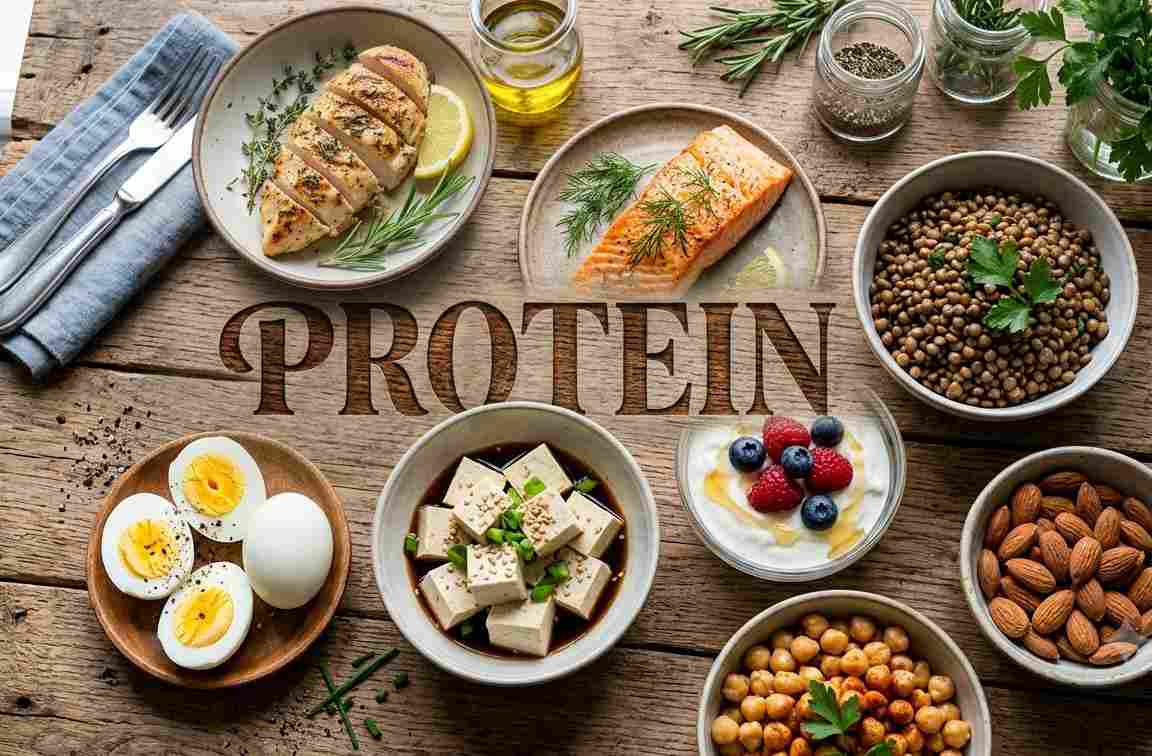
Protein is an essential nutrient that helps build and repair muscles, maintain healthy skin, support immune function, and keep the body working properly. It is found in foods such as eggs, milk, fish, chicken, lentils, beans, soybeans, nuts, and seeds. Most healthy adults need approximately 0.8 grams of protein per kilogram of body weight daily to meet their basic requirements, although individual needs vary with age, activity level, pregnancy, and health status. (MedlinePlus)
Protein is often associated with bodybuilding and weight loss, but its role goes far beyond muscle growth. Your body uses protein to make enzymes, hormones, antibodies, and other essential substances. Eating a variety of protein-rich foods can help you meet your nutritional needs without relying on expensive supplements.
In this guide, you will learn what protein is, its nutritional value, health benefits, best food sources, recommended daily intake, possible side effects, and simple ways to include more protein in your diet.
What Is Protein?
Protein is one of the three major macronutrients, alongside carbohydrates and fats. It is made up of smaller building blocks called amino acids, which the body uses to build and maintain tissues.
Your body needs protein throughout life. It supports growth during childhood, helps maintain muscle and other tissues in adulthood, and becomes especially important for preserving strength and physical function as people age.
There are 20 amino acids used to build proteins in the human body. Nine are considered essential because the body cannot make enough of them, so they must come from food. The remaining amino acids can generally be produced by the body, although some may become conditionally essential during illness or periods of increased demand.
Protein is available from both animal and plant foods. Animal sources include eggs, fish, meat, milk, and yogurt, while plant sources include lentils, chickpeas, beans, tofu, soybeans, nuts, and seeds. A well-planned vegetarian or vegan diet can provide all the protein and essential amino acids the body needs.
Nutritional Characteristics of Protein
Protein provides approximately 4 calories per gram. Unlike a single food, however, protein does not have one fixed nutritional profile because its total nutritional value depends on the food supplying it.
| Nutritional component | Details |
|---|---|
| Nutrient type | Macronutrient |
| Calories per gram | 4 calories |
| Building blocks | Amino acids |
| Essential amino acids | 9 |
| Main functions | Tissue growth, repair, and maintenance |
| Major food sources | Eggs, fish, dairy, meat, legumes, soy, nuts, and seeds |
| Adult protein RDA | 0.8 g per kg of body weight daily |
| Energy contribution | Approximately 10–35% of daily calories for adults |
Note: The calorie range and adult protein recommendation are general reference values, not personalized dietary targets.
20 Health Benefits of Protein
Protein supports many essential processes in the body. Getting enough from a balanced diet can help maintain muscle, support normal immune function, and provide the building blocks needed for growth and repair. The benefits depend on your overall diet, health, and activity level.
1. Supports Muscle Growth
Protein supplies amino acids that muscles need to grow and adapt to resistance exercise. Eating adequate protein alongside strength training supports muscle development more effectively than increasing protein intake alone.
2. Helps Repair Body Tissues
Your body continually repairs and replaces cells. Protein supplies the building blocks needed to maintain and repair tissues, including muscles, skin, and other body structures.
3. Helps Maintain Muscle Mass
Adequate protein intake helps the body maintain muscle tissue. This is particularly important during aging, periods of reduced physical activity, and recovery from certain illnesses.
4. Supports Healthy Bones
Protein contributes to the structure of bones and supports normal bone maintenance. Adequate intake as part of a balanced diet is important for overall skeletal health, alongside calcium, vitamin D, and physical activity.
5. Supports Immune Function
The body uses amino acids to produce antibodies and other proteins involved in immune responses. Consuming enough protein helps support normal immune function, although protein alone cannot prevent infections.
6. Helps You Feel Full
Protein can increase feelings of fullness after meals. Including foods such as eggs, yogurt, lentils, beans, or tofu may help you feel satisfied for longer, depending on the meal’s overall composition.
7. May Support Weight Management
Protein-rich foods can help manage hunger and preserve lean muscle during weight loss. However, weight management still depends on overall calorie intake, physical activity, sleep, and other lifestyle factors.
8. Supports Healthy Skin
The body uses amino acids to produce structural proteins, including collagen. These proteins help maintain the structure and integrity of the skin.
9. Contributes to Healthy Hair
Hair is primarily made of a protein called keratin. Adequate protein intake supports normal hair growth, although hair loss can have many other causes, including iron deficiency, hormonal changes, and certain medical conditions.
10. Helps Maintain Healthy Nails
Nails contain keratin, a structural protein. Getting enough protein supports normal nail growth, but brittle nails are not necessarily a sign of protein deficiency.
11. Helps Produce Enzymes
Many enzymes are proteins that help the body carry out chemical reactions. These reactions are essential for digestion, energy production, and numerous other biological processes.
12. Supports Hormone Production
Some hormones are made from amino acids or are proteins themselves. These chemical messengers help regulate processes such as growth, metabolism, and blood sugar control.
13. Supports Oxygen Transport
Hemoglobin, the protein in red blood cells that carries oxygen, depends on normal protein production. Adequate dietary protein supports the body’s ability to make and maintain this essential component.
14. Helps Maintain Fluid Balance
Certain blood proteins, including albumin, help regulate fluid distribution between the bloodstream and surrounding tissues. Severe protein deficiency can interfere with this process.
15. Supports Growth and Development
Protein is essential during childhood and adolescence because the body is developing rapidly. It also supports the growth of fetal and maternal tissues during pregnancy.
16. Supports Recovery After Exercise
Exercise places demands on muscles and other tissues. Adequate protein, sufficient calories, hydration, and rest help the body recover and adapt to physical activity.
17. Provides Energy When Needed
Protein can supply energy when necessary, providing approximately 4 calories per gram. However, carbohydrates and fats are generally the body’s main energy sources, and protein also has important structural and functional roles.
18. Supports Healthy Aging
As people age, maintaining muscle strength becomes increasingly important for mobility and independence. Adequate protein combined with appropriate physical activity can help support muscle maintenance.
19. Helps Maintain Body Tissues During Recovery
The body may need additional nutritional support during recovery from injury, surgery, or illness. Protein contributes to tissue repair, although the appropriate amount depends on the condition and medical advice.
20. Supports Overall Body Function
Protein is involved in the formation of transport proteins, receptors, antibodies, enzymes, and structural tissues. Meeting daily protein needs helps maintain these essential functions as part of an adequate, varied diet.
Evidence note: These benefits describe established biological roles and potential health effects. They do not mean that eating extra protein automatically prevents disease or improves health beyond meeting individual needs.
Best Food Sources of Protein
You can obtain protein from animal foods, plant foods, or a combination of both. The best choices provide protein along with other useful nutrients, such as fiber, vitamins, minerals, or healthy fats.
Approximate protein values below are for typical portions. Actual amounts vary by brand, preparation, and serving size.
| Protein-rich food | Typical serving | Approx. protein |
|---|---|---|
| Chicken breast, cooked | 100 g | 31 g |
| Tuna, cooked | 100 g | 25–29 g |
| Salmon, cooked | 100 g | 22–25 g |
| Lean beef, cooked | 100 g | 26 g |
| Eggs | 2 large | 12–13 g |
| Greek yogurt, plain | 170 g | 15–18 g |
| Milk | 1 cup (240 ml) | 8 g |
| Paneer | 100 g | 15–20 g |
| Firm tofu | 100 g | 8–17 g |
| Tempeh | 100 g | 18–20 g |
| Cooked lentils | 1 cup | 18 g |
| Cooked chickpeas | 1 cup | 14–15 g |
| Cooked kidney beans | 1 cup | 13–15 g |
| Cooked soybeans | 1 cup | 28–30 g |
| Quinoa, cooked | 1 cup | 8 g |
| Almonds | 28 g | 6 g |
| Pumpkin seeds | 28 g | 8–9 g |
| Peanut butter | 2 tablespoons | 7–8 g |
Types of Protein
Protein can be classified in several ways, but two important distinctions are its source and its amino acid composition.
1. Animal Protein
Animal protein comes from foods such as eggs, milk, yogurt, fish, chicken, and meat. These foods generally provide all nine essential amino acids in sufficient proportions to be considered complete protein sources.
Some animal foods, such as fish and low-fat dairy, also supply important nutrients. Choosing leaner cuts of meat and limiting processed meats can help support an overall healthy eating pattern.
2. Plant Protein
Plant protein is found in lentils, chickpeas, beans, peas, soybeans, tofu, tempeh, nuts, seeds, and whole grains.
Plant foods can provide enough protein for vegetarians and vegans when the diet includes a variety of suitable foods and sufficient total calories. They may also supply fiber and other nutrients that are limited in many animal foods.
3. Complete Protein
A complete protein provides all nine essential amino acids in adequate amounts. Examples include eggs, dairy products, fish, meat, soy foods, and quinoa.
4. Incomplete Protein
Some foods provide relatively low amounts of one or more essential amino acids. Many beans, grains, nuts, and seeds fall into this category when considered individually.
This does not make these foods unhealthy or poor protein sources. Eating a variety of plant foods throughout the day generally provides the essential amino acids needed by the body. You do not need to combine complementary proteins at every meal.
How Much Protein Do You Need Per Day?
The amount of protein you need depends on your body weight, age, activity level, life stage, and health status.
For healthy adults, the commonly used Recommended Dietary Allowance (RDA) is 0.8 grams of protein per kilogram of body weight per day. This is a baseline designed to meet the needs of most healthy adults, rather than an ideal target for every individual.
Daily Protein Requirements by Body Weight
| Body weight | Approximate daily protein |
|---|---|
| 45 kg | 36 g |
| 50 kg | 40 g |
| 55 kg | 44 g |
| 60 kg | 48 g |
| 65 kg | 52 g |
| 70 kg | 56 g |
| 75 kg | 60 g |
| 80 kg | 64 g |
| 90 kg | 72 g |
| 100 kg | 80 g |
These figures are calculated using the adult RDA of 0.8 g/kg/day. They are general estimates and may not be suitable for every person, particularly those with obesity, kidney disease, pregnancy, or increased nutritional needs.
Protein Needs for Different Groups
- Adults: Approximately 0.8 g/kg/day is the standard baseline for healthy adults.
- Children and teenagers: Requirements vary with age, growth, and body size.
- Pregnant and breastfeeding women: Protein needs may increase to support fetal growth, maternal tissue changes, and milk production.
- Physically active people: People who exercise regularly may benefit from higher intake depending on the type, frequency, and intensity of exercise.
- Older adults: Adequate protein is important for preserving muscle, strength, and mobility.
- People recovering from illness or surgery: Needs may change according to the condition, recovery stage, and medical advice.
If you have a chronic condition or follow a medically restricted diet, consult a qualified healthcare professional or registered dietitian to determine an appropriate intake.
How to Calculate Your Daily Protein Requirement
You can estimate your basic daily protein requirement using this simple formula:
Daily protein requirement (grams) = body weight (kg) × 0.8
For example, if you weigh 65 kg:
65 × 0.8 = 52 grams of protein per day.
This estimate is a useful starting point for a healthy adult, not a universal target. Your actual needs may differ if you exercise intensely, are pregnant or breastfeeding, are older, or have a medical condition.
Signs You May Not Be Getting Enough Protein
Protein deficiency can develop when protein intake is inadequate over time, particularly when total food intake is also insufficient or the body has increased nutritional needs.
Possible signs include:
- Loss of muscle mass: Muscles may become smaller or weaker over time.
- Unintentional weight loss: Insufficient overall nutrition can lead to a reduction in body weight.
- Slow wound healing: The body needs adequate protein and other nutrients to repair damaged tissues.
- Hair changes: Inadequate nutrition may contribute to hair thinning or increased shedding.
- Brittle nails: Nail changes can occur with nutritional deficiencies, although they have many other causes.
- Frequent illness or poor recovery: Severe nutritional deficiencies can affect immune function.
- Swelling: Severe protein deficiency may contribute to fluid accumulation, particularly in the legs or abdomen.
- Poor growth in children: Prolonged inadequate nutrition can impair normal growth and development.
These symptoms are not specific to protein deficiency and may indicate other health problems. Persistent symptoms, unexplained weight loss, swelling, or muscle weakness warrant medical assessment. Do not diagnose a deficiency based on symptoms alone.
10 Possible Side Effects of Excessive Protein Intake
Protein is essential, but consuming very large amounts is not automatically better for your health. Potential problems depend on the quantity, food sources, overall diet, and your existing health conditions.
1. Kidney Concerns in People With Kidney Disease
People with chronic kidney disease may need to limit or adjust protein intake because their kidneys may have difficulty handling certain waste products. The right amount should be determined with a healthcare professional.
2. Dehydration Risk
The body produces nitrogen-containing waste when it breaks down protein. Very high intake may increase the need to eliminate these waste products, making adequate hydration important.
3. Constipation
A diet that focuses heavily on meat, cheese, or protein supplements may lack fiber-rich foods. This can contribute to constipation, especially when fluid intake is low.
4. Unwanted Weight Gain
Protein supplies calories. If total calorie intake consistently exceeds the body’s needs, excess energy can contribute to weight gain, regardless of whether it comes from protein, carbohydrates, or fat.
5. Digestive Discomfort
Some people experience bloating, gas, nausea, or diarrhea after consuming certain protein powders or bars. Sweeteners, lactose, added fibers, and other ingredients may be responsible.
6. Excessive Saturated Fat Intake
Obtaining most protein from fatty meats, processed meats, or high-fat dairy products may increase saturated fat intake. Healthier food choices can help reduce this concern.
7. Reduced Dietary Variety
Overemphasizing protein can crowd out fruits, vegetables, whole grains, and other foods that supply fiber and essential micronutrients.
8. High Sodium Intake
Some processed meats, packaged protein foods, and ready-made protein products contain substantial sodium. Frequent consumption may make it harder to manage sodium intake.
9. Unnecessary Supplement Use
Protein powders may be convenient, but they are not essential for everyone. Some products contain added sugars or other ingredients that may not suit your needs.
10. Nutritional Imbalance
Very high protein intake may displace carbohydrates, healthy fats, and other nutrients. A balanced diet is generally more beneficial than concentrating on one nutrient alone.
Important: There is no single upper protein limit that applies to everyone. People with kidney disease or other medical conditions should seek individualized advice before following a high-protein diet.
How to Eat More Protein Every Day
You do not need to make major changes to your diet to increase protein intake. A few practical adjustments to everyday meals can help you get enough protein throughout the day.
- Add protein to breakfast: Include eggs, milk, Greek yogurt, paneer, tofu, or besan chilla in your morning meal.
- Include lentils at lunch: Dal, rajma, chana, and other legumes are affordable protein sources that fit well into Indian meals.
- Choose protein-rich snacks: Try roasted chickpeas, unsweetened yogurt, nuts, seeds, or boiled eggs.
- Add tofu or paneer to meals: These foods can increase the protein content of curries, wraps, salads, and stir-fries.
- Include fish or lean meat if preferred: Fish and chicken provide substantial amounts of protein in relatively small portions.
- Combine legumes with grains: Dal with rice, or beans with whole-wheat roti, provides a varied mixture of amino acids.
- Spread protein across meals: Include a protein source at breakfast, lunch, and dinner instead of relying on one very large serving.
- Choose minimally processed foods: Prefer foods such as beans, lentils, eggs, fish, plain yogurt, and tofu over products high in added sugar or sodium.
High-Protein Foods for Vegetarians
Vegetarians can meet their protein needs without eating meat or fish. The key is to include a range of protein-rich foods and eat enough overall food to meet energy requirements.
| Vegetarian food | Approximate protein |
|---|---|
| Cooked soybeans, 1 cup | 28–30 g |
| Cooked lentils, 1 cup | 18 g |
| Tempeh, 100 g | 18–20 g |
| Paneer, 100 g | 15–20 g |
| Greek yogurt, 170 g | 15–18 g |
| Cooked chickpeas, 1 cup | 14–15 g |
| Eggs, 2 large | 12–13 g |
| Milk, 1 cup | 8 g |
| Pumpkin seeds, 28 g | 8–9 g |
| Peanut butter, 2 tablespoons | 7–8 g |
Values are approximate and vary by preparation and product. People following a vegan diet can use lentils, beans, soybeans, tofu, tempeh, nuts, seeds, and grains to build balanced meals.
Is Protein Good for Weight Loss?
Protein can support weight management because it helps you feel full and provides the amino acids needed to maintain muscle. Replacing some highly processed, calorie-dense foods with balanced meals containing protein and fiber may also make it easier to manage hunger.
However, eating more protein does not automatically cause weight loss. Your total calorie intake, food choices, activity level, sleep, and consistency all matter.
For a balanced weight-management meal, combine a protein source with vegetables, a suitable portion of whole grains or other carbohydrate-rich foods, and a source of healthy fat.
Is Protein Necessary for Muscle Building?
Yes, protein is necessary for muscle growth and repair, but eating protein alone will not build substantial muscle.
Muscle development depends on several factors, including:
- Progressive resistance training.
- Sufficient daily protein and calorie intake.
- Adequate recovery and sleep.
- Consistency over time.
Most people who exercise can meet their protein needs through regular food. Those with demanding training schedules may benefit from a higher protein intake, depending on their goals and circumstances.
Protein Powder vs. Natural Food Sources
Both protein-rich foods and protein powders can supply amino acids, but they serve different purposes.
| Feature | Whole-food protein | Protein powder |
|---|---|---|
| Examples | Eggs, dal, fish, milk, tofu | Whey, casein, soy, pea protein |
| Additional nutrients | Often provides vitamins, minerals, fiber, or healthy fats | Depends on the product |
| Convenience | Requires preparation in some cases | Quick to prepare |
| Cost | Varies by food and location | Varies by brand and serving |
| Essential for everyone? | No single food is essential | No |
Whole foods are a sensible first choice because they can provide protein alongside other nutrients. Protein powders can be convenient when food intake is insufficient or practical circumstances make it difficult to meet requirements through meals.
If you use a supplement, check the ingredient list, serving size, added sugars, and quality testing. Consult a healthcare professional if you have kidney disease, food allergies, or other relevant medical concerns.
Tips for Getting Enough Protein Safely
- Calculate your approximate daily requirement using your body weight as a starting point.
- Include different protein sources throughout the week.
- Eat legumes, nuts, seeds, and whole grains regularly.
- Choose fish, lean meats, eggs, or lower-fat dairy products if these fit your diet.
- Do not eliminate carbohydrates or healthy fats simply to increase protein intake.
- Drink enough fluids according to your activity level and health needs.
- Avoid relying on supplements when ordinary food can meet your requirements.
- Seek individualized advice if you have a medical condition that affects your diet.
FAQ’s
Is it necessary to eat protein at every meal?
It is helpful to include a protein source in most meals, but you do not need to consume exactly the same amount at each meal. Your overall daily intake and nutritional needs are more important.
Does protein help build muscle?
Yes, protein provides amino acids needed for muscle growth and repair, especially when combined with regular strength training.
Can vegetarians get enough protein?
Yes, vegetarians can meet their protein needs through lentils, chickpeas, beans, soy products, dairy products, nuts, seeds, and whole grains.
What are the signs of protein deficiency?
Possible signs include muscle loss, weakness, unintentional weight loss, slow wound healing, and impaired growth. These symptoms can also have other causes.
Is eating too much protein harmful?
Excessive protein intake may contribute to digestive problems, excess calorie consumption, and nutritional imbalance. People with kidney disease may need specific protein limits.
Is protein powder necessary?
No, most people can meet their daily protein needs through food. Protein powder is an optional supplement for those who struggle to obtain enough from meals.
Which protein is best for daily consumption?
Lentils, beans, eggs, fish, yogurt, tofu, and lean meats are all useful choices. The best option depends on your dietary preferences and nutritional needs.
Does protein improve hair growth?
Adequate protein supports normal hair growth because hair is primarily made of keratin. Extra protein does not necessarily improve hair growth when intake is already sufficient.
Can protein help strengthen bones?
Protein contributes to bone structure and maintenance. Adequate intake alongside calcium, vitamin D, and regular physical activity supports bone health.
Is plant protein as good as animal protein?
Plant protein can meet the body’s needs when consumed in sufficient amounts and through a varied diet. Animal proteins generally provide all essential amino acids in adequate proportions.
What happens if you do not eat enough protein?
Insufficient protein intake over time can contribute to muscle loss, weakness, poor tissue repair, and impaired growth.
Can I eat protein every day?
Yes, protein should be part of your daily diet because the body continuously needs amino acids to maintain and repair tissues.
How to Get 100% of Your Daily Protein Requirement?
You can meet your daily protein requirement by eating a variety of foods, including eggs, milk, lentils, beans, fish, chicken, tofu, and nuts. Most healthy adults need approximately 0.8 grams of protein per kilogram of body weight daily.
Are 2 Eggs Enough Protein?
Two large eggs provide approximately 12–13 grams of protein. They contribute to your daily needs, but whether they are enough depends on your total protein requirement and the other foods you eat.
What Are 5 Signs You Need More Protein?
Five possible signs of inadequate protein intake are muscle loss, weakness, unintentional weight loss, slow wound healing, and hair thinning. These symptoms can also result from other health conditions or nutritional deficiencies.
How Do I Check My Protein Levels?
A blood test measuring total protein and albumin can help assess protein levels in your blood. However, these tests do not directly measure how much protein you eat or reliably diagnose dietary protein deficiency on their own. A healthcare professional may recommend additional tests based on your symptoms and medical history.
Conclusion
Protein is essential for muscle maintenance, tissue repair, immune function, and many other processes that keep the body healthy. You can meet your needs through a varied diet containing foods such as lentils, beans, eggs, dairy products, fish, meat, tofu, nuts, and seeds.
For most healthy adults, 0.8 grams per kilogram of body weight per day is a useful starting point. Your individual requirements may differ depending on your age, activity level, life stage, and medical history.
Rather than focusing only on increasing protein intake, aim for a balanced diet that includes adequate protein, carbohydrates, healthy fats, fiber, vitamins, and minerals.
Sources and References:
About the Author:
Written by: Kirti Solanki (Health Content Researcher)
Kirti Solanki writes health and nutrition articles designed to make evidence-based information easier to understand. This article draws on established medical and nutrition resources to explain protein requirements, food sources, benefits, and safety considerations.
Disclaimer:
This article is for educational purposes only and is not a substitute for professional medical advice, diagnosis, or treatment. Consult a qualified healthcare professional or registered dietitian for personalized dietary recommendations, especially if you have an existing medical condition.
Also Read: