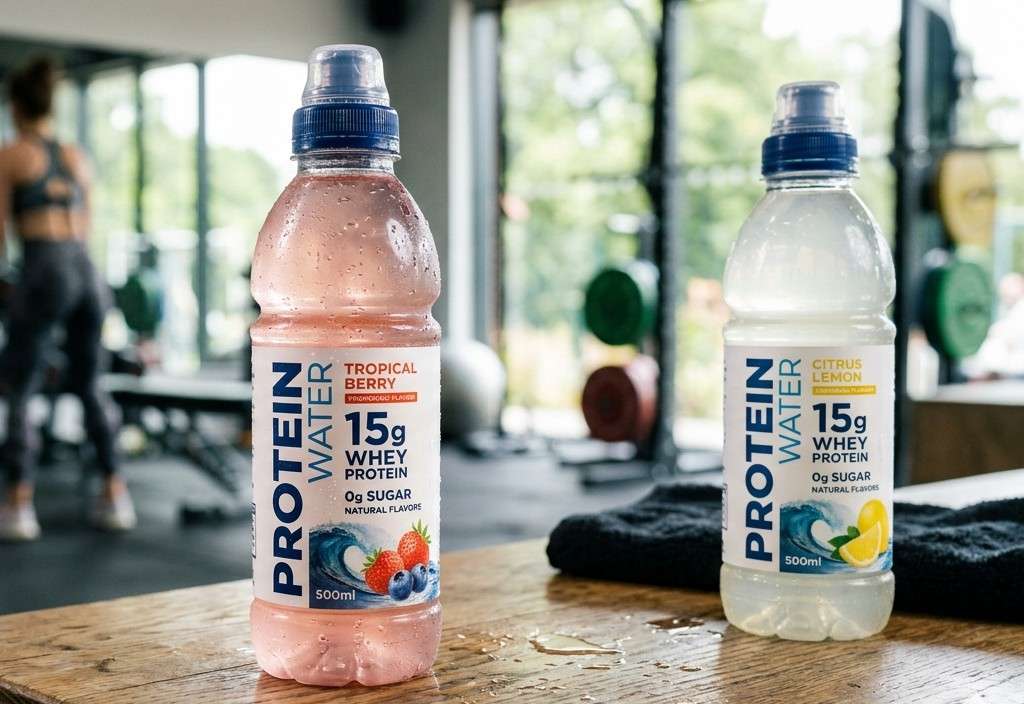
Protein water has become one of the fastest-growing fitness beverages in recent years. It combines the hydration benefits of water with the muscle-supporting power of protein, making it a convenient option for athletes, gym-goers, busy professionals, and anyone looking to increase their daily protein intake.
Unlike traditional protein shakes that can be thick and heavy, protein water is light, refreshing, and easy to consume throughout the day. It is often flavored with fruit extracts and contains high-quality proteins such as whey protein isolate or collagen peptides.
This guide explores everything you need to know about protein water, including its nutrition facts, science-backed health benefits, side effects, preparation methods, storage tips, and more.
What is Protein Water?
Protein water is a beverage that contains dissolved protein, typically derived from whey protein isolate, collagen peptides, or plant-based protein sources. It is designed to provide hydration while delivering a concentrated source of protein without the heaviness of milk-based protein shakes.
Most commercial protein waters contain between 10 and 20 grams of protein per serving and are often low in sugar, carbohydrates, and fat. They are commonly consumed before or after exercise, between meals, or as a convenient protein supplement during busy days.
Protein water offers a practical solution for people who struggle to meet their daily protein requirements through food alone.
Nutrition Facts of Protein Water
The nutritional content varies depending on the brand and ingredients used. The table below represents the approximate nutrition in one 500 ml serving.
| Nutrient | Amount |
|---|---|
| Calories | 60–120 kcal |
| Protein | 10–20 g |
| Carbohydrates | 0–5 g |
| Sugars | 0–3 g |
| Fat | 0–1 g |
| Sodium | 50–200 mg |
| Potassium | 50–150 mg |
| Calcium | 20–100 mg |
| Vitamin C | 0–30 mg |
| Collagen (if added) | 5–15 g |
| Water Content | 450–480 ml |
20 Proven Health Benefits of Protein Water
- Supports Muscle Growth: Protein water provides essential amino acids needed for muscle repair and growth after exercise.
- Promotes Muscle Recovery: Consuming protein water post-workout may help reduce recovery time and muscle soreness.
- Enhances Hydration: It helps replenish fluids while simultaneously supplying nutrients to the body.
- Supports Weight Management: Protein increases feelings of fullness, which may reduce overall calorie intake.
- Helps Preserve Lean Muscle Mass: Adequate protein intake can prevent muscle loss during weight-loss programs.
- Boosts Satiety: Protein water can help control hunger and reduce frequent snacking.
- Supports Healthy Metabolism: Protein requires more energy to digest than fats and carbohydrates, slightly increasing calorie expenditure.
- Improves Exercise Performance: Consistent protein intake supports muscle function and athletic performance.
- Convenient Protein Source: It offers a quick and portable way to meet daily protein needs.
- Supports Bone Health: Protein contributes to maintaining strong bones and connective tissues.
- May Improve Skin Health: Collagen-based protein waters may support skin elasticity and hydration.
- Supports Hair Growth: Protein provides amino acids that are necessary for healthy hair production.
- Aids Tissue Repair: Protein assists in repairing damaged tissues throughout the body.
- Supports Immune Function: Many immune cells depend on amino acids for proper functioning.
- May Help Stabilize Blood Sugar Levels: Protein can slow digestion and reduce rapid blood sugar fluctuations.
- Supports Healthy Aging: Adequate protein intake helps maintain muscle mass as people age.
- May Improve Strength Gains: Combined with resistance training, protein intake can support strength development.
- Supports Joint Health: Collagen proteins may contribute to healthier joints and cartilage.
- Provides Low-Calorie Nutrition: Most protein waters offer substantial protein with relatively few calories.
- Supports Overall Body Maintenance: Protein is involved in virtually every bodily structure and function.
10 Side Effects of Protein Water
- Digestive Discomfort: Some individuals may experience bloating, gas, or stomach upset after consumption.
- Excess Protein Intake: Drinking too much protein water may contribute to unnecessary protein consumption.
- Artificial Sweetener Sensitivity: Certain products contain sweeteners that may cause digestive issues in sensitive individuals.
- Possible Allergic Reactions: Whey-based protein waters may trigger reactions in people with dairy allergies.
- Kidney Stress in Vulnerable Individuals: People with kidney disease may need to limit excessive protein intake.
- Nausea: Consuming large amounts too quickly may cause mild nausea.
- Electrolyte Imbalance: Overconsumption while neglecting regular water intake may affect hydration balance.
- Added Ingredient Concerns: Some products contain preservatives, colors, or flavorings that may not suit everyone.
- Protein-Induced Fullness: Excessive satiety may reduce appetite and interfere with balanced meals.
- Higher Cost: Commercial protein water can be more expensive than regular water and protein powder combinations.
How to Make Protein Water?
Making protein water at home is simple and cost-effective.
Ingredients:
- 500 ml cold water
- 1 scoop unflavored whey protein isolate (20–25 g protein)
- Juice of half a lemon
- Ice cubes
- Optional natural sweetener such as stevia
- Optional fruit slices
Instructions:
- Pour cold water into a shaker bottle.
- Add whey protein isolate.
- Shake thoroughly until completely dissolved.
- Add lemon juice and optional sweetener.
- Mix again.
- Serve chilled with ice cubes.
Alternative Version:
You can also use:
- Collagen peptides
- Plant-based protein powder
- Coconut water
- Fresh fruit extracts
Tips for Consuming Protein Water
- Choose products with minimal added sugars.
- Drink it cold for a more refreshing experience.
- Use it after workouts for recovery support.
- Read labels carefully for protein content.
- Pair it with balanced meals when possible.
- Do not rely on protein water as your sole protein source.
- Stay hydrated with regular water throughout the day.
- Select products with high-quality protein ingredients.
- Monitor total daily protein intake.
- Consume according to your activity level and nutritional needs.
Other Uses of Protein Water
Protein water is versatile and can be used in several ways beyond post-workout hydration.
Meal Supplement
It can provide extra protein when meals are delayed.
Travel Nutrition
A convenient option during long trips when healthy foods are unavailable.
Weight-Loss Programs
May help reduce hunger between meals.
Athletic Recovery
Useful after endurance sports and intense training sessions.
Workplace Nutrition
A practical protein source during busy workdays.
Elderly Nutrition Support
Can help older adults increase protein intake with minimal effort.
Outdoor Activities
Ideal for hiking, cycling, and recreational sports.
Post-Illness Recovery
May support nutritional needs during recovery periods when appetite is reduced.
How Much Protein Water Can You Drink in a Day?
The ideal amount depends on your body weight, activity level, diet, and protein requirements.
General guidelines:
- Casual users: 1 serving daily.
- Active individuals: 1–2 servings daily.
- Athletes: Up to 2–3 servings when needed.
Most healthy adults require approximately 0.8–2.2 grams of protein per kilogram of body weight per day depending on activity levels.
Protein water should supplement a balanced diet rather than replace whole-food protein sources.
Best Time to Drink Protein Water
After Workouts
This is one of the most popular times because muscles require amino acids for recovery.
Before Exercise
May help support muscle preservation during training.
Between Meals
Can curb hunger and support protein intake goals.
During Busy Days
Provides quick nutrition when meals are unavailable.
In the Morning
May help increase daily protein intake early in the day.
After Endurance Activities
Useful for replenishing nutrients after long periods of physical activity.
Who Should Drink Protein Water?
- Athletes: Protein water helps support muscle recovery and performance goals.
- Gym Enthusiasts: It provides convenient post-workout protein intake.
- Busy Professionals: It offers quick nutrition when schedules are demanding.
- Weight-Loss Participants: Protein may help improve fullness and appetite control.
- Older Adults: Additional protein can help support healthy aging and muscle maintenance.
- Vegetarians with Low Protein Intake: It may help bridge dietary protein gaps.
- Endurance Athletes: Protein water supports recovery after prolonged activity.
- People Recovering from Exercise Injuries: Protein contributes to tissue repair processes.
- Fitness Beginners: It provides a simple introduction to protein supplementation.
- Active Individuals: It helps meet increased protein requirements from regular physical activity.
Who Should Not Drink Protein Water?
- People with Severe Kidney Disease: High protein intake may not be appropriate without medical supervision.
- Individuals with Dairy Allergies: Whey-based protein water may trigger allergic reactions.
- People Sensitive to Artificial Sweeteners: Certain formulations may cause digestive discomfort.
- Those with Specific Protein Restrictions: Medical conditions requiring protein limitation should be carefully managed.
- Individuals with Ingredient Allergies: Always review labels before consumption.
- People Seeking Whole-Food Nutrition Only: Protein water should not replace nutrient-rich foods.
- Children Without Medical Need: Most children can obtain adequate protein from regular foods.
- Individuals with Certain Digestive Disorders: Some protein ingredients may worsen symptoms.
How to Store Protein Water?
- Keep Refrigerated: Store opened bottles in the refrigerator.
- Seal Tightly: Always close containers properly after use.
- Avoid Direct Sunlight: Heat and sunlight may degrade quality.
- Follow Expiration Dates: Check manufacturer recommendations carefully.
- Consume Quickly After Opening: Most products are best consumed within 24–48 hours once opened.
- Use Clean Containers: Prevent contamination by using sanitized bottles.
- Keep Away from Excessive Heat: High temperatures can affect taste and stability.
- Shake Before Drinking: Protein particles may settle during storage.
Precautions and Interactions
Although protein enriched water is generally safe for most healthy individuals, several precautions should be considered.
Monitor Total Protein Intake
Excessive protein consumption may provide no additional benefit and could contribute to digestive discomfort.
Consider Medical Conditions
Individuals with kidney disease, liver disorders, or metabolic conditions should consult healthcare professionals before increasing protein intake.
Review Ingredient Labels
Some products contain artificial sweeteners, preservatives, or additives that may not suit everyone.
Check for Allergens
Whey-based protein enriched waters may contain milk-derived ingredients.
Medication Considerations
Certain medical conditions and prescribed dietary plans may require protein intake adjustments.
Maintain Balanced Nutrition
Protein water should complement a healthy diet rich in fruits, vegetables, whole grains, healthy fats, and lean proteins.
Avoid Replacing Meals Regularly
While convenient, protein water should not consistently replace complete meals that provide essential vitamins, minerals, and fiber.
Conclusion
Protein water is a convenient, refreshing, and effective way to increase protein intake while staying hydrated. Whether you’re an athlete looking to support recovery, someone trying to manage weight, or simply seeking an easy source of protein during a busy day, protein enriched water can be a valuable addition to a balanced diet.
Its benefits include muscle recovery, appetite control, hydration support, and overall nutritional convenience. However, it should be consumed thoughtfully, with attention to total protein intake, ingredient quality, and individual health needs. When used appropriately alongside a nutritious diet and active lifestyle, protein enriched water can be a practical tool for supporting overall health and fitness goals.
FAQ’s
What is Protein Water good for?
Protein infused water is commonly used to support muscle recovery, hydration, appetite control, and daily protein intake, especially for active individuals.
Is Protein Water better than protein shakes?
Protein infused water is lighter and lower in calories than many protein shakes, but the better option depends on your nutritional goals and preferences.
When should I drink Protein Water?
Protein infused water is often consumed after workouts, between meals, in the morning, or anytime you need a convenient protein boost.
How much protein is in Protein Water?
Most protein infused waters contain approximately 10–20 grams of protein per serving, depending on the brand and formulation.
Can Protein Water help with weight loss?
Protein infused water may support weight management by promoting fullness and helping reduce unnecessary snacking.
Is Protein Water safe to drink every day?
Yes, protein infused water is generally safe for daily consumption when used as part of a balanced diet and within your protein needs.
Does Protein Water build muscle?
Protein infused water can support muscle growth and recovery when combined with resistance training and adequate overall protein intake.
Does Protein Water contain sugar?
Some varieties are sugar-free, while others contain small amounts of added sugars or natural sweeteners. Always check the label.
Is protein water safe for kidneys?
Protein infused water is generally safe for healthy individuals when consumed in moderation, but people with kidney disease or impaired kidney function should consult a healthcare professional before increasing protein intake.
What is the healthiest protein water?
The healthiest protein infused water is typically one that contains high-quality protein, minimal added sugar, few artificial ingredients, and a clear nutrition label.
What does Protein Water taste like?
Protein infused water usually has a light, refreshing taste similar to flavored water or sports drinks, often available in fruit flavors such as lemon, berry, or tropical fruit.
How long does it take for Protein Water to work?
Protein infused water begins providing amino acids within about 30 minutes to 2 hours after consumption, though noticeable benefits depend on factors such as diet, activity level, and fitness goals.
What does Protein Water smell like?
Most protein infused waters have a mild fruity aroma or very little scent, depending on the flavoring and ingredients used.
Is Protein Water safe for pregnant women?
Protein infused water may be safe during pregnancy if made with quality ingredients and consumed within recommended protein intake levels, but pregnant women should consult their healthcare provider before using protein supplements regularly.
Is Protein Water safe for children?
Protein infused water can be safe for children in moderation, but most healthy children can meet their protein needs through a balanced diet without requiring protein supplements.
Also Read: