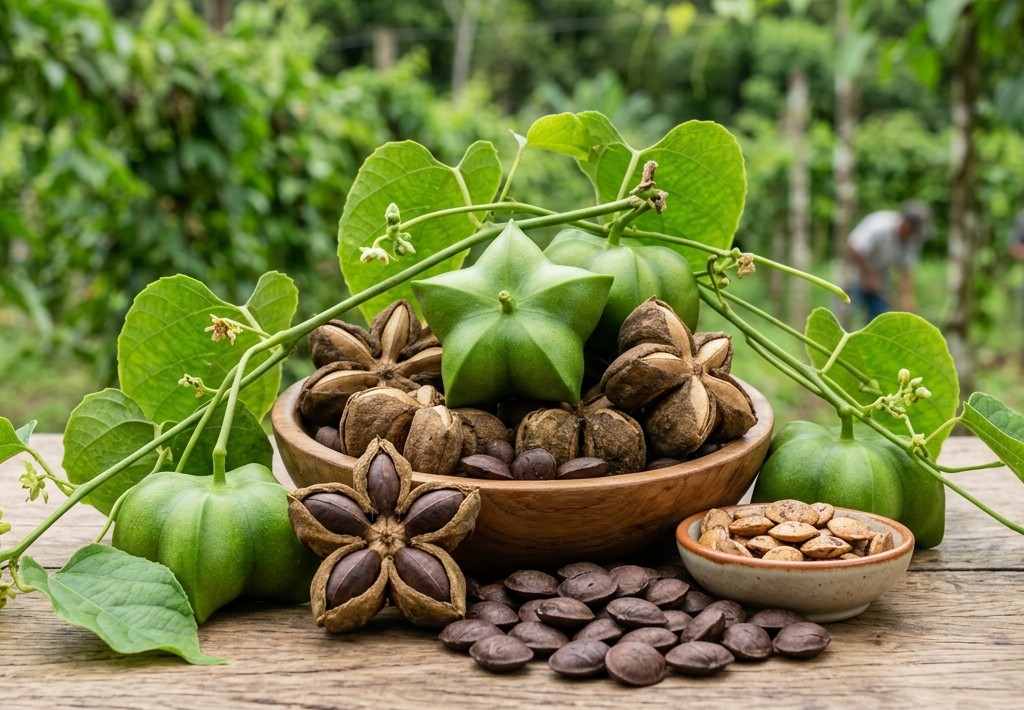
Sacha inchi is a nutrient-rich seed that has gained attention among people looking for plant-based sources of protein, healthy fats, and essential nutrients. Sometimes called the Inca peanut or mountain peanut, this Amazonian seed is commonly eaten roasted or used to produce an oil rich in alpha-linolenic acid (ALA), a plant-based omega-3 fatty acid.
Whether you want to add more plant protein to your meals, explore healthy cooking oils, or discover new nutritious foods, sacha inchi may be worth considering. Its combination of protein, unsaturated fats, and other nutrients makes it a useful addition to a balanced diet.
However, sacha inchi is not a miracle food, and many of its proposed health benefits still need stronger human research. Its nutritional value is promising, but the effects of eating the seeds may differ from the effects of using their oil or concentrated supplements.
In this guide, you will learn what sacha inchi is, its nutritional profile, potential health benefits, possible side effects, ways to eat it, and important precautions to consider.
What Is Sacha Inchi?
Sacha inchi (Plukenetia volubilis) is a climbing plant native to the tropical regions of South America, particularly the Amazon rainforest. It produces star-shaped fruits containing seeds that are valued for their nutritional properties.
The seeds are often called Inca peanuts because of their appearance and long history of use in parts of the Amazon region. Despite the nickname, sacha inchi is not a true peanut. However, people with food allergies should still exercise caution because a different botanical classification does not guarantee that a food is safe for everyone.
Sacha inchi seeds are especially notable for their content of unsaturated fats, including omega-3 ALA and omega-6 linoleic acid. They also provide plant protein, dietary fiber, and minerals in varying amounts.
The seeds are commonly sold roasted, while sacha inchi oil is used in dressings and other foods. Sacha inchi powder and dietary supplements are also available, although their nutritional composition depends on how they are processed.
Key characteristics of sacha inchi:
- Scientific name: Plukenetia volubilis
- Common names: Sacha inchi, Inca peanut, and mountain peanut
- Origin: Amazonian regions of South America
- Main nutrients: Unsaturated fats, plant protein, and dietary fiber
- Common forms: Roasted seeds, oil, powder, and supplements
- Flavor: Roasted seeds generally have a mild, nutty taste
- Primary dietary appeal: A plant-based source of protein and essential fatty acids
Nutrition Facts of Sacha Inchi
Sacha inchi is best known for its healthy fat profile and plant protein content. The exact nutritional values vary according to the seed variety, growing conditions, processing method, and serving size.
| Nutrient | General nutritional contribution |
|---|---|
| Calories | Energy from protein and fats |
| Protein | Supports muscle maintenance and tissue repair |
| Total fat | Provides energy and helps absorb fat-soluble vitamins |
| Omega-3 ALA | Essential fatty acid that supports normal body functions |
| Omega-6 linoleic acid | Essential fatty acid needed for healthy skin and cell membranes |
| Monounsaturated fats | Contribute to a heart-conscious dietary fat profile |
| Dietary fiber | Supports bowel regularity and digestive health |
| Vitamin E | Helps protect cells from oxidative damage |
| Magnesium | Supports muscle, nerve, and energy metabolism |
| Calcium | Helps maintain bones and teeth |
| Iron | Supports hemoglobin production |
| Zinc | Contributes to immune function and wound healing |
Important nutrition note: A reliable, standardized nutrient profile is not available for every sacha inchi product. Check the product label for exact calories, protein, fat, and serving size. Sacha inchi oil differs substantially from whole seeds because oil contains concentrated fat but generally provides little protein or fiber.
20 Potential Health Benefits of Sacha Inchi
1. Provides Plant-Based Protein
Sacha inchi seeds supply plant protein that helps the body build and maintain muscles, repair tissues, and produce enzymes. They can complement other protein-rich foods in vegetarian and vegan diets.
2. Supports Heart-Conscious Eating
The seeds contain unsaturated fats, including omega-3 ALA. Replacing some foods high in saturated fat with foods rich in unsaturated fats can support a heart-healthy dietary pattern.
3. Supplies Essential Omega-3 Fatty Acids
Alpha-linolenic acid is an essential fatty acid that the body cannot make on its own. Sacha inchi can help provide ALA through a plant-based food source.
4. Supports Normal Brain Function
The brain depends on healthy fats and a balanced supply of nutrients to function properly. Sacha inchi contributes ALA, although evidence that eating these seeds directly improves memory or concentration remains limited.
5. May Help Maintain Healthy Cholesterol Levels
Replacing saturated fats with unsaturated fats may help improve LDL cholesterol levels. Sacha inchi may fit into this approach, but its specific cholesterol-lowering effects require more robust human studies.
6. Supports Digestive Health
Whole sacha inchi seeds contain dietary fiber, which can help support regular bowel movements. Fiber works best when consumed regularly alongside adequate fluids and a varied diet.
7. Helps Maintain Energy Levels
Sacha inchi provides calories from fats and protein, which the body uses for energy. Adding a small portion to a meal or snack can increase its energy content.
8. Contributes to Muscle Maintenance
Its protein content can contribute to daily protein needs, particularly when combined with legumes, whole grains, dairy products, soy foods, or other protein sources.
9. Supports Healthy Skin
Essential fatty acids help maintain the skin’s normal structure and barrier function. Sacha inchi may contribute these fats through the diet, but it is not a proven treatment for eczema, acne, or other skin conditions.
10. Helps Maintain Normal Cell Function
The body uses essential fatty acids to build cell membranes and regulate several biological processes. Sacha inchi provides ALA and linoleic acid, both of which are involved in normal cellular function.
11. Provides Antioxidant Nutrients
Depending on the product and processing method, sacha inchi seeds and oil may contain vitamin E and other antioxidant compounds. These substances help protect cells from oxidative damage, but the clinical effects of eating sacha inchi require further study.
12. Contributes to Bone Health
Sacha inchi may supply minerals involved in normal bone function, although amounts vary by product. It should complement, rather than replace, established sources of calcium, vitamin D, protein, and other bone-supporting nutrients.
13. Supports Normal Muscle and Nerve Function
Magnesium, when present in meaningful amounts, contributes to normal muscle contraction, nerve signaling, and energy metabolism. Sacha inchi can be one part of a varied diet that supplies this mineral.
14. Helps Support Immune Function
Adequate protein, essential fats, vitamins, and minerals are important for normal immune function. Sacha inchi can contribute to overall nutrient intake, but it has not been established as an immune-boosting treatment.
15. May Help Improve Meal Satisfaction
The combination of protein and fat in whole seeds may help make meals and snacks more satisfying. Individual effects on hunger vary, and portion size matters because sacha inchi is energy-dense.
16. Supports Red Blood Cell Production Through Overall Nutrition
The body needs iron, protein, vitamin B12, folate, and other nutrients to produce healthy red blood cells. Sacha inchi may contribute some nutrients, but it should not be relied upon as a treatment for anemia or low iron.
17. May Support Metabolic Health
Replacing less nutritious snacks with reasonable portions of nutrient-rich seeds can improve overall diet quality. However, claims that sacha inchi independently controls blood sugar or treats metabolic disorders are not sufficiently established.
18. Provides an Alternative to Some Animal-Based Protein Foods
Sacha inchi offers a plant-based option for people who prefer to reduce their consumption of animal products. Its protein can contribute to daily intake when eaten alongside other complementary protein sources.
19. Contributes to Essential Fat Intake in Vegetarian Diets
People who do not eat fish may find sacha inchi useful as one source of plant-based omega-3 ALA. The body converts only a limited proportion of ALA into the longer-chain omega-3 fatty acids EPA and DHA.
20. Adds Nutritional Variety to a Balanced Diet
Eating different seeds, nuts, legumes, vegetables, fruits, and whole grains helps diversify nutrient intake. Sacha inchi can add a distinctive flavor and a combination of protein and unsaturated fats to this dietary pattern.
10 Possible Side Effects of Sacha Inchi
Sacha inchi is tolerated by many people when eaten as a properly prepared food, but side effects are possible. Risk can depend on portion size, allergies, product quality, and whether you consume whole seeds, oil, or concentrated supplements.
1. Digestive Discomfort
Eating a large portion may cause stomach discomfort, bloating, or nausea, especially if you are not accustomed to eating seeds rich in fat and fiber.
2. Allergic Reactions
Although sacha inchi is not a true peanut, an allergy to sacha inchi itself is possible. Stop eating it and seek medical advice if you develop itching, hives, or swelling; breathing difficulties or throat swelling require emergency care.
3. Excess Calorie Intake
Sacha inchi seeds and oil are energy-dense, so large portions may contribute to excess calorie intake if they are added without adjusting the rest of your diet.
4. Nausea
Some people may experience nausea after consuming too much oil or eating a large serving of seeds, particularly on an empty stomach.
5. Diarrhea
A sudden increase in dietary fat or fiber may affect bowel habits and cause loose stools in some individuals.
6. Product Contamination
Poorly stored, contaminated, or improperly processed products may pose food safety risks. Buy from reputable suppliers and follow preparation and storage instructions.
7. Exposure to Oxidized Oil
Sacha inchi oil contains polyunsaturated fats that can deteriorate when exposed to heat, air, and light. Rancid oil may have an unpleasant smell or taste and should be discarded.
8. Uncertain Supplement Effects
Concentrated extracts or capsules may provide different amounts of nutrients from ordinary food portions, and their safety may be less well established.
9. Possible Medication Concerns
The effects of concentrated sacha inchi products on medicines have not been adequately studied. People taking medicines that affect blood clotting or blood pressure should discuss regular high-dose supplement use with a healthcare professional.
10. Problems From Excessive Oil Consumption
Consuming large amounts of sacha inchi oil can cause digestive discomfort and increase calorie intake. More oil does not automatically mean greater health benefits.
Safety note: Do not assume raw, unprocessed, or bitter sacha inchi seeds are safe to eat. Choose products specifically prepared for human consumption and follow the manufacturer’s instructions. Evidence about the safety of raw seeds and concentrated supplements is limited.
How to Eat Sacha Inchi?
Sacha inchi is available in several forms, making it relatively easy to incorporate into everyday meals. For most people, ready-to-eat roasted seeds are a convenient starting point.
- Eat roasted seeds: Choose commercially prepared seeds labeled as ready to eat and enjoy a small portion as a snack.
- Add to salads: Sprinkle chopped roasted seeds over vegetable salads for extra crunch and protein.
- Mix into oatmeal: Add crushed seeds to oatmeal or porridge after cooking.
- Blend into smoothies: Use a small amount of sacha inchi powder if the product is intended for food use.
- Combine with yogurt: Mix chopped seeds into plain yogurt with fruit for a filling snack.
- Use as a topping: Sprinkle crushed seeds over cooked vegetables, grain bowls, or soups.
- Try sacha inchi oil: Use food-grade oil in salad dressings or drizzle it over prepared dishes according to the label.
- Mix into homemade energy bites: Combine ground seeds with oats, dates, or other ingredients for a convenient snack.
Start with a small amount if you have never eaten sacha inchi before. This helps you assess your tolerance and decide whether you enjoy its taste and texture.
Tips for Consuming Sacha Inchi
A few simple habits can help you enjoy sacha inchi while avoiding common mistakes.
- Choose food-grade products: Purchase seeds and oil specifically labeled for human consumption.
- Read the ingredient list: Look for unnecessary added sugar, excessive salt, or ingredients you need to avoid.
- Start with small portions: Gradually introduce the seeds to see how your digestive system responds.
- Balance your diet: Use sacha inchi alongside vegetables, fruits, legumes, whole grains, and other protein sources.
- Check for allergies: Avoid the product if you have previously reacted to it or if a healthcare professional has advised you not to eat it.
- Avoid assuming more is better: Large servings increase calorie intake without guaranteeing additional health benefits.
- Check the oil’s freshness: Discard oil that smells rancid or has developed an unusual taste.
- Compare product labels: Nutritional values can differ significantly between whole seeds, powders, and oils.
- Be cautious with supplements: Do not treat capsules or concentrated extracts as interchangeable with ordinary food.
- Follow preparation instructions: If a product is not labeled ready to eat, follow the manufacturer’s instructions before consuming it.
How to Cook Sacha Inchi?
Cooking methods depend on whether you have whole seeds, roasted seeds, powder, or oil. The easiest option is to buy roasted seeds that are already prepared for consumption.
1. Roasting Sacha Inchi Seeds
If you purchase seeds that require cooking, follow the supplier’s food-safety instructions. Where roasting is recommended, use the specified temperature and cooking time rather than relying on a universal method, because processing requirements can vary.
Avoid burning the seeds, as excessive heat can affect flavor and may damage their unsaturated fats. Do not roast seeds that are already labeled as ready to eat unless you simply want to warm them gently.
2. Adding Sacha Inchi to Oatmeal
Prepare oatmeal as usual, then add chopped roasted sacha inchi seeds just before serving. You can combine them with banana, berries, cinnamon, or plain yogurt for additional flavor and nutrients.
3. Making a Sacha Inchi Salad Dressing
Mix food-grade Inca peanut oil with lemon juice or vinegar, a little mustard, and your preferred seasonings. Whisk until combined and drizzle over a salad.
4. Adding Seeds to Grain Bowls
Sprinkle chopped roasted seeds over cooked quinoa, brown rice, lentils, or vegetables. Adding them after cooking preserves their crunchy texture.
5. Using Sacha Inchi Powder
If you have food-grade sacha inchi powder, mix it into smoothies, porridge, or suitable baking recipes. Follow the label because the protein, fat, and fiber content depends on the processing method.
Cooking tip: Sacha inchi oil is rich in polyunsaturated fats. Unless the manufacturer specifically indicates that the oil is suitable for cooking, it is sensible to use it in cold dishes or add it to food after cooking instead of exposing it to prolonged high heat.
How to Use Sacha Inchi?
Inca peanut can be used in different ways depending on your nutritional goals and the form you purchase.
- For plant protein: Eat the whole seeds as part of a meal or snack, while obtaining additional protein from legumes, soy foods, dairy, or other suitable sources.
- For plant-based omega-3: Use the seeds or food-grade oil as a source of ALA.
- For meal preparation: Add chopped seeds to salads, grain bowls, porridge, or yogurt.
- For smoothies: Consider food-grade powder if you want a form that blends easily.
- For a vegan diet: Include sacha inchi as one of several plant-based foods that contribute protein and essential fats.
- For skin and hair products: Use only products specifically formulated for topical application; food-grade oil is not automatically suitable for every skin type.
Sacha inchi should complement a varied diet rather than replace prescribed medicines, medical treatment, or other important sources of nutrition.
Other Uses of Sacha Inchi
Beyond its nutritional value, sacha inchi is used in food production, personal care products, and other commercial applications.
- Cooking Oil: Sacha inchi oil is used in salad dressings, sauces, and other foods where a delicate, nutty oil is desirable.
- Plant-Based Protein Products: Defatted Inca peanutmeal can be processed into protein-rich ingredients for selected food products.
- Skincare Products: Sacha inchi oil is included in some cosmetic formulations because of its fatty acid content and moisturizing properties.
- Hair Care Products: Some hair oils and conditioners use sacha inchi oil as an emollient to help soften hair and improve manageability.
- Nutritional Supplements: Inca peanut oil is sold in capsules and other supplement forms for people seeking plant-based omega-3 ALA.
- Food Manufacturing: The seeds and their oil can be incorporated into selected snack foods, spreads, and specialty food products.
- Research and Product Development: Researchers are investigating Inca peanut proteins, oils, and other plant compounds for potential food and industrial applications.
These uses vary in their evidence base. Cosmetic use does not establish that Inca peanut treats skin or hair conditions, and supplements should not be assumed to offer greater benefits than whole foods.
How Much Sacha Inchi Can You Eat in a Day?
There is no universally established daily serving of sacha inchi that has been proven optimal for everyone.
For a healthy adult, a small serving of commercially prepared, ready-to-eat roasted seeds may be a reasonable starting point. For example, you could begin with approximately 1 tablespoon and adjust according to the product label, your dietary needs, and your tolerance.
Keep the following points in mind:
- Start gradually: Begin with a small portion if you are trying sacha inchi for the first time.
- Check the nutrition label: Use the serving size and calorie information provided by the manufacturer.
- Account for total calories: The seeds and oil are rich in fats, so portion size matters.
- Avoid excessive oil intake: Concentrated oil is not nutritionally identical to whole seeds.
- Do not exceed supplement instructions: Speak with a healthcare professional before taking concentrated products regularly.
The appropriate amount depends on your overall diet, health status, and the product you choose. A larger serving is not necessarily more beneficial.
Best Time to Eat Sacha Inchi
Sacha inchi does not have a scientifically established best time of day for consumption. You can eat properly prepared seeds whenever they fit comfortably into your meals.
- At Breakfast: Add chopped roasted seeds to oatmeal or yogurt for extra protein and fats.
- As a Mid-Morning Snack: Eat a small portion of ready-to-eat seeds when you want a crunchy snack.
- At Lunch: Sprinkle the seeds over salads, grain bowls, or cooked vegetables.
- After Exercise: Include them in a balanced snack alongside a suitable source of carbohydrates and protein.
- At Dinner: Use a small portion as a topping for cooked grains or vegetables.
If sacha inchi oil makes you feel nauseated, try a smaller amount with food rather than consuming it on an empty stomach. There is no good evidence that eating it at a particular time maximizes its health benefits.
Who Should Eat Sacha Inchi?
Sacha inchi may be a useful addition to several dietary patterns when it is properly prepared and tolerated.
- People Following Plant-Based Diets: The seeds can contribute plant protein and essential fatty acids to vegetarian and vegan meals.
- People Seeking Plant-Based Omega-3: Sacha inchi supplies ALA, an essential omega-3 fatty acid.
- People Looking for Nutritious Snacks: Ready-to-eat roasted seeds can provide protein and unsaturated fats in a convenient form.
- People Interested in Dietary Variety: The seeds offer another way to diversify the sources of fats and protein in everyday meals.
- People Replacing Some Saturated Fats: Sacha inchi may fit into a balanced eating pattern when it replaces, rather than simply adds to, foods high in saturated fat.
- People Preparing Homemade Salads and Grain Bowls: Roasted seeds or suitable food-grade oil can add flavor and texture to these dishes.
- Adults With Higher Protein Needs: Sacha inchi can contribute to overall protein intake, although the total diet must provide enough protein and other nutrients.
These groups do not necessarily need to consume sacha inchi to remain healthy. Other foods can provide similar nutrients, and individual dietary requirements vary.
Who Should Not Eat Sacha Inchi?
Certain people should avoid particular sacha inchi products or seek professional advice before consuming them.
- People With a Known Sacha Inchi Allergy: Avoid the seeds, oil, and other products that trigger your allergy.
- People With Previous Reactions to the Product: Do not try it again without appropriate medical guidance if you have experienced a suspected allergic reaction.
- People Considering Raw or Unprocessed Seeds: Avoid consuming raw seeds unless a qualified food-safety authority or reliable product instructions specifically establish that the product is safe in that form.
- People With Persistent Digestive Symptoms: Those who experience nausea, diarrhea, or abdominal discomfort after eating sacha inchi should stop consuming it and seek medical advice if symptoms persist.
- People Taking Medicines That Affect Blood Clotting: Consult a healthcare professional before using concentrated Inca peanut supplements because clinically important interactions have not been adequately established.
- People With Medical Conditions Requiring a Restricted Diet: Ask a dietitian or clinician whether the product fits your individual nutritional requirements.
- Pregnant or Breastfeeding Individuals Considering Supplements: Seek professional advice before using concentrated oils or extracts because safety data for these populations are limited.
A history of peanut allergy does not automatically mean that you are allergic to sacha inchi, but it also does not guarantee safety. Ask an allergist for individualized guidance if you have a significant food allergy history.
How to Store Sacha Inchi?
Correct storage helps preserve flavor and reduce deterioration of the unsaturated fats in Inca peanut seeds and oil.
- Store Roasted Seeds in an Airtight Container: Keep the container tightly closed to limit exposure to air and moisture.
- Choose a Cool, Dry Place: Protect unopened products from excessive heat and direct sunlight.
- Refrigerate After Opening if Recommended: Follow the package instructions, especially for products that contain delicate oils.
- Keep Sacha Inchi Oil Away From Light: Use a tightly sealed, light-protective bottle whenever possible.
- Follow the Manufacturer’s Shelf-Life Guidance: Check the best-before date and recommended storage conditions.
- Avoid Moisture Exposure: Use clean, dry utensils when handling the seeds.
- Discard Rancid Products: Throw away seeds or oil with an unpleasant rancid smell, unusual taste, or signs of spoilage.
- Store Supplements as Directed: Capsules and powders may have different storage requirements from whole seeds and oil.
Do not assume that refrigeration will make a spoiled product safe. If a product has been stored incorrectly or shows signs of contamination, discard it.
Precautions and Interactions
Although properly prepared sacha inchi can be a useful food, a few precautions are important.
- Use Properly Prepared Seeds: Choose commercially prepared seeds labeled ready to eat or follow validated preparation instructions; do not assume raw seeds are safe.
- Check for Allergic Reactions: Stop consuming the product if you develop a suspected allergic reaction. Seek emergency assistance for difficulty breathing or swelling of the throat or tongue.
- Introduce It Gradually: Begin with a small portion to assess your digestive tolerance.
- Use Supplements Carefully: The safety and effectiveness of concentrated extracts may differ from those of ordinary food portions.
- Discuss Medication Use With a Clinician: People taking blood-thinning medicines, blood-pressure medicines, or other long-term treatments should ask a healthcare professional before starting concentrated supplements.
- Be Careful With High-Dose Oil: Large quantities can cause nausea, digestive discomfort, and excessive calorie intake.
- Protect the Oil From Oxidation: Store sacha inchi oil correctly and avoid using oil that smells or tastes rancid.
- Do Not Replace Medical Treatment: Inca peanut has not been established as a treatment for high cholesterol, diabetes, heart disease, anemia, or other medical conditions.
- Consider Pregnancy and Breastfeeding: Food-level use and concentrated supplementation are not necessarily equivalent; seek professional advice before using supplements.
- Review Product Quality: Choose reputable brands with clear ingredient lists, appropriate preparation information, and reliable quality controls.
FAQ’s
What does sacha inchi taste like?
Inca peanut seeds have a mild, nutty flavor with a slightly earthy taste. Roasted seeds are generally crunchier and more flavorful than unroasted seeds.
Is sacha inchi healthier than chia seeds?
Both foods provide plant-based omega-3 ALA, but their protein, fiber, fat, and mineral content differ. Neither is universally healthier; the better choice depends on your nutritional needs and preferred use.
Is sacha inchi high in protein?
Yes, Inca peanut seeds are considered a useful plant-based protein source. The exact amount varies by product and processing method, so check the nutrition label.
Does sacha inchi help with hair growth?
Inca peanut provides essential fatty acids that contribute to normal skin and cellular function. However, there is insufficient clinical evidence to establish that eating sacha inchi directly promotes hair growth.
Is sacha inchi good for skin?
Its essential fatty acids may contribute to normal skin-barrier function as part of a balanced diet. However, Inca peanut has not been proven to treat acne, eczema, or other skin conditions.
Can sacha inchi help lower cholesterol?
Replacing saturated fats with unsaturated fats can help improve LDL cholesterol levels. Inca peanut may be included in this type of dietary pattern, but its specific cholesterol-lowering effects require further research.
Is sacha inchi good for weight loss?
Inca peanut contains protein and fats that may help make meals more satisfying. However, it is calorie-dense, and weight loss depends on overall calorie intake, physical activity, and other lifestyle factors.
Can you eat sacha inchi seeds at night?
Yes, properly prepared Inca peanut seeds can be eaten at night if they suit your diet and digestion. There is no established evidence that nighttime consumption provides special health benefits.
Is sacha inchi safe during pregnancy?
Normal food use and concentrated supplements should be considered separately. Pregnant individuals should consult a healthcare professional before using Inca peanut supplements because pregnancy-specific safety evidence is limited.
Can children eat sacha inchi?
Age-appropriate, properly prepared forms may be suitable for some children, but whole seeds can pose a choking risk, especially for young children. Ask a pediatric healthcare professional about safe preparation and portion sizes.
Does sacha inchi contain gluten?
Plain sacha inchi seeds and pure Inca peanut oil are naturally gluten-free. However, flavored or processed products may contain added ingredients or be exposed to cross-contact during manufacturing.
Is sacha inchi suitable for people with diabetes?
Plain Inca peanut seeds may fit into a balanced eating plan for people with diabetes. However, they are not a proven treatment for diabetes, and portion sizes and added ingredients should be considered.
What is the difference between sacha inchi seeds and sacha inchi oil?
Whole seeds provide protein, fats, and fiber, whereas the oil primarily provides fat and contains little or no protein or fiber. Their nutritional benefits therefore differ.
Can sacha inchi replace fish oil?
Inca peanut provides plant-based omega-3 ALA, while fish oil generally supplies EPA and DHA. Because the body converts ALA into EPA and DHA only to a limited extent, the two are not nutritionally equivalent.
How should you store sacha inchi oil after opening?
Keep the oil tightly sealed and protected from heat and light. Follow the manufacturer’s storage instructions, including refrigeration if recommended, and discard it if it becomes rancid.
Can sacha inchi cause an allergic reaction?
Yes. Although Inca peanut is not a true peanut, it can cause an allergy in susceptible individuals. Stop consuming it if you develop symptoms and seek emergency care for breathing difficulties or throat swelling.
Is sacha inchi oil suitable for cooking?
It can be used in foods according to the product label, but its polyunsaturated fats are sensitive to heat and oxidation. Salad dressings and drizzling over cooked dishes are practical uses unless the manufacturer specifies suitable cooking applications.
How much omega-3 does sacha inchi contain?
The amount depends on the seed variety, processing method, and whether you consume whole seeds or oil. Check the product’s nutrition information rather than relying on a single value for all Inca peanut products.
Is sacha inchi good for muscle building?
Its protein can contribute to the daily protein needed for muscle repair and maintenance. Muscle growth also depends on adequate total protein and energy intake, resistance training, and recovery.
Are sacha inchi supplements better than seeds?
Not necessarily. Supplements may provide concentrated oil or selected ingredients, whereas whole seeds provide a broader combination of nutrients. There is insufficient evidence that supplements consistently offer greater health benefits than properly prepared seeds.
What is sacha inchi good for?
Inca nut is primarily valued as a source of plant protein, omega-3 ALA, omega-6 fatty acids, and other nutrients. It can complement a balanced diet, but it is not a proven treatment for any particular disease.
Is sacha inchi a nut or a seed?
Inca peanut is a seed from a tropical plant in the Euphorbiaceae family. Despite being called the Inca peanut, it is not a true peanut.
Can you eat sacha inchi every day?
Many adults may be able to include properly prepared, ready-to-eat Inca peanut seeds in their daily diet. Use a reasonable portion, follow product instructions, and consider your allergies and medical needs.
Is sacha inchi good for the heart?
Its unsaturated fats may complement a heart-conscious diet, particularly when they replace saturated fats. However, more research is needed to determine the specific effects of Inca peanut on heart disease risk.
Can you eat raw sacha inchi seeds?
Do not assume raw Inca peanut seeds are safe to eat. Choose properly processed products and follow validated preparation instructions because raw seeds may contain compounds of safety concern.
Can sacha inchi help with weight management?
Its protein and fat may help make meals more satisfying, but the seeds are calorie-dense. Weight management depends on overall food intake, physical activity, and other individual factors.
Is sacha inchi suitable for vegans?
Yes, plain Inca peanut seeds and plant-derived oil are suitable for vegan diets, provided the product contains no non-vegan additives.
Is Sacha Inchi Good for the Kidneys?
Inca peanut provides healthy fats and nutrients, but there is limited evidence that it directly improves kidney health. People with kidney disease should consult a healthcare professional before using supplements.
What Is Another Name for Sacha Inchi?
Sacha inchi is also called Inca peanut or mountain peanut. Its scientific name is Plukenetia volubilis.
Is Sacha Inchi Better Than Fish Oil?
Inca peanut provides plant-based omega-3 ALA, while fish oil contains EPA and DHA. Neither is universally better; they provide different types of omega-3 fatty acids.
Is Sacha Inchi Anti-Inflammatory?
Inca peanut contains omega-3 fatty acids that may influence inflammation, but more human research is needed to confirm its anti-inflammatory effects.
Sources and References:
Disclaimer:
This guide is for educational purposes only and does not replace professional medical advice, diagnosis, or treatment. Consult a qualified healthcare professional before using concentrated sacha inchi supplements, particularly if you have a medical condition, take medication, or are pregnant or breastfeeding.
Also Read: