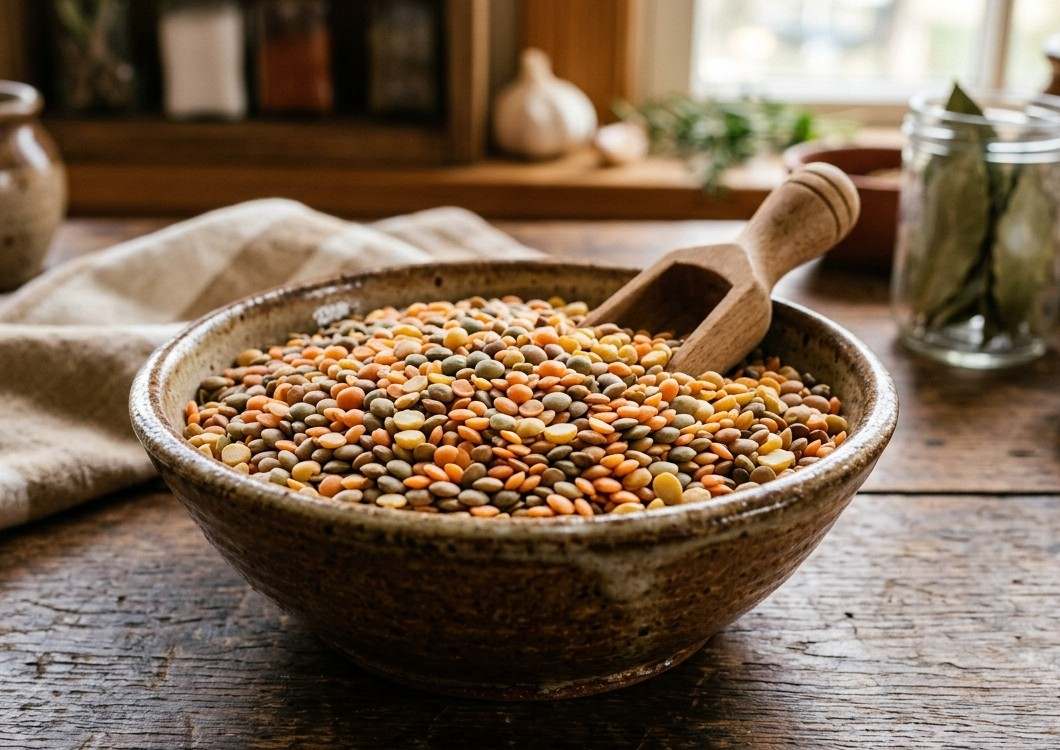
Lentils are nutritious, affordable, and easy to prepare, making them a valuable addition to a balanced diet. These small legumes are rich in plant-based protein, dietary fiber, folate, iron, and other essential nutrients that support everyday health. From hearty soups and comforting dal to fresh salads and vegetable curries, lentils can be used in countless ways.
Eating lentils regularly may support digestive health, heart health, blood sugar management, and healthy weight management. However, they can also cause gas or bloating in some people, especially when eaten in large quantities or introduced too quickly.
In this guide, you will learn what lentils are, their different types, their nutritional value, potential health benefits, possible side effects, and the best ways to prepare and consume them.
What Are Lentils?
Lentils are edible seeds belonging to the legume family, scientifically known as Lens culinaris. They grow inside small pods and are widely consumed in countries such as India, the United States, Canada, Turkey, and several Mediterranean and Middle Eastern nations.
Lentils are available in different colors, including green, brown, red, yellow, and black. Each variety has a slightly different flavor, texture, and cooking time. Some retain their shape after cooking, while others become soft and creamy, making them suitable for soups, stews, curries, and purées.
One of the biggest advantages of lentils is their nutritional profile. They provide substantial amounts of plant-based protein and fiber without containing cholesterol. They also supply folate, potassium, magnesium, iron, and other nutrients needed for normal body functions.
Unlike many dried beans, most lentils do not require overnight soaking, although soaking can sometimes reduce cooking time and may improve tolerance for people who experience digestive discomfort.
Lentils are naturally gluten-free and can be a useful protein source for vegetarians and vegans. Their nutritional benefits are greatest when they are prepared with a variety of vegetables, whole grains, healthy fats, and other nutrient-rich foods.
Types of Lentils
Different lentil varieties offer different textures, cooking properties, and culinary uses.
1. Brown Lentils
Brown lentils are widely available and have an earthy flavor. They hold their shape reasonably well when cooked and work well in soups, stews, curries, and everyday meals.
2. Green Lentils
Green lentils usually have a firm texture and a slightly peppery flavor. They are ideal for salads, side dishes, and recipes where the lentil should remain relatively intact.
3. Red Lentils
Red lentils are often sold split and without their outer seed coat. They cook quickly and soften into a creamy consistency, making them excellent for dal, thick soups, and purées.
4. Yellow Lentils
Yellow lentils have a mild flavor and are commonly used in South Asian cooking. Depending on the variety and whether they are split, they can cook into a smooth, soft consistency.
5. Black Lentils
Black lentils, sometimes called beluga lentil because of their resemblance to beluga caviar, are small and glossy. They tend to hold their shape and are suitable for salads, grain bowls, and elegant side dishes.
6. French Green Lentils
French green lentils, also known as Puy-style lentils when marketed under the appropriate designation, are small, firm, and peppery. They are particularly useful in salads and recipes that benefit from a firm texture.
7. Split Lentils
Split lentils have been divided into halves, and some varieties have had their outer seed coats removed. They generally cook faster than whole lentil and are frequently used in soups, stews, and traditional dals.
Note: In Indian cooking, the term dal can refer to split pulses, whole lentils or other legumes, and the cooked dishes made from them. Not every type of dal is botanically a lentil.
Nutrition Facts of Lentils
Lentils are nutrient-dense foods that provide protein, fiber, complex carbohydrates, and several vitamins and minerals. Their nutritional content varies according to the variety and preparation method.
The following is an approximate nutrition values for 1 cup (198 g) of cooked lentils without added salt.
| Nutrient | Approximate amount |
|---|---|
| Calories | 230 kcal |
| Protein | 17.9 g |
| Total carbohydrates | 39.9 g |
| Dietary fiber | 15.6 g |
| Total sugars | 3.6 g |
| Total fat | 0.8 g |
| Saturated fat | 0.1 g |
| Folate | 358 mcg DFE |
| Iron | 6.6 mg |
| Magnesium | 71 mg |
| Potassium | 731 mg |
| Phosphorus | 356 mg |
| Zinc | 2.5 mg |
| Calcium | 38 mg |
| Vitamin B1 (thiamin) | 0.3 mg |
| Vitamin B6 | 0.4 mg |
| Sodium | 4 mg |
20 Potential Health Benefits of Lentils
1. Supports Digestive Health: Lentils contain dietary fiber that helps add bulk to stool and supports regular bowel movements when consumed with adequate fluids.
2. Helps Maintain Healthy Bowel Movements: Their combination of soluble and insoluble fiber may help promote stool regularity and reduce the likelihood of constipation as part of a fiber-rich diet.
3. Provides Plant-Based Protein: Lentil supply substantial protein that helps the body build and repair tissues, maintain muscles, and produce important enzymes and other proteins.
4. Supports Heart Health: Lentils contain fiber, potassium, magnesium, and little saturated fat, making them a heart-friendly alternative to some foods high in saturated fat.
5. May Help Manage Cholesterol: Soluble and fermentable fibers in lentils may help reduce LDL cholesterol when lentils replace foods high in saturated fat within a balanced eating pattern.
6. Helps Support Blood Sugar Control: Lentils contain fiber and slowly digested carbohydrates that may produce a more gradual rise in blood glucose than many refined carbohydrate foods.
7. May Support Healthy Weight Management: The combination of protein and fiber can increase fullness, potentially helping some people manage hunger and overall calorie intake.
8. Provides Iron for Red Blood Cell Production: Lentil supply non-heme iron, which the body uses to produce hemoglobin and transport oxygen throughout the body.
9. Supports Healthy Pregnancy Nutrition: Lentils provide folate, a nutrient essential for early fetal development that helps reduce the risk of neural tube defects when adequate amounts are obtained before and during early pregnancy.
10. Supports Normal Brain and Nervous System Function: Lentils contain B vitamins, including folate and thiamin, that contribute to normal nervous system function and other essential metabolic processes.
11. Helps Maintain Energy Metabolism: Their complex carbohydrates provide energy, while B vitamins help the body convert nutrients from food into usable energy.
12. Supports Muscle Maintenance: Lentil contribute protein and essential amino acids that support muscle repair and maintenance, especially when combined with a varied diet containing complementary protein sources.
13. Provides Antioxidant Compounds: Lentils contain polyphenols and other plant compounds that have antioxidant activity in laboratory studies, although their effects on specific human health outcomes require further research.
14. Supports a Healthy Gut Microbiome: Some lentil fibers and resistant starch reach the large intestine, where gut bacteria can ferment them and produce beneficial short-chain fatty acids.
15. Contributes to Healthy Blood Pressure: Lentils provide potassium and magnesium, which help regulate normal blood pressure, although eating lentils alone cannot treat hypertension.
16. Supports Bone Health: Lentil provide magnesium, phosphorus, and small amounts of calcium, all of which contribute to normal bone structure and function.
17. Helps Promote Satiety: Lentils’ fiber and protein content can help you feel satisfied after meals, which may make it easier to follow a consistent eating routine.
18. May Support Lower Cardiometabolic Risk: Replacing some refined grains or fatty processed meats with lentils may improve overall diet quality and support healthier cholesterol and blood sugar patterns.
19. Supports Healthy Cell Growth: Lentils provide folate and other nutrients involved in DNA synthesis and cell division, processes that are particularly important during periods of rapid growth.
20. Offers an Affordable Source of Essential Nutrients: Lentil provide protein, fiber, iron, folate, and minerals at a relatively low cost, helping make a nutrient-rich diet more accessible.
10 Possible Side Effects of Lentils
Lentils are safe for most people when properly prepared and eaten in reasonable portions. Nevertheless, some people may experience digestive symptoms or need to consider specific medical circumstances.
1. Gas: Lentil contain fermentable carbohydrates that gut bacteria break down, which can produce gas, particularly when you eat more fiber than you are accustomed to.
2. Bloating: Large servings of lentils may cause a feeling of fullness or abdominal swelling in people who are sensitive to fermentable carbohydrates.
3. Abdominal Discomfort: Some people experience cramps or mild stomach discomfort after eating lentils, particularly when they are undercooked or consumed in excessive quantities.
4. Changes in Bowel Habits: A sudden increase in fiber intake may cause loose stools in some people, while inadequate fluid intake can contribute to constipation.
5. Allergic Reactions: Lentil allergy is possible and may cause itching, hives, swelling, vomiting, breathing difficulties, or other allergic symptoms; severe reactions require emergency medical care.
6. Symptoms in People With IBS: Lentils contain fermentable carbohydrates that may trigger gas, bloating, pain, or changes in bowel habits in some people with irritable bowel syndrome.
7. Reduced Absorption of Some Minerals: Lentils contain phytates, natural compounds that can reduce the absorption of iron and zinc from a meal, although soaking, sprouting, and cooking may reduce some phytate content.
8. Potassium Concerns for Some People With Kidney Disease: Lentil contain potassium, so people who need to limit potassium because of certain kidney conditions may need individualized portion guidance.
9. Possible Interference With Iron Absorption: Lentil contain non-heme iron, but phytates and certain meal components can limit its absorption; people with iron deficiency may benefit from combining lentils with vitamin C-rich foods and following medical advice.
10. Discomfort From Undercooked Lentils: Lentil that are not adequately cooked may be harder to digest and less pleasant to eat, so they should be cooked until tender and prepared according to package instructions.
Most digestive side effects can be reduced by starting with small servings, increasing intake gradually, rinsing lentils, cooking them thoroughly, and drinking enough fluids.
How to Eat Lentils?
Lentils are versatile and can be incorporated into breakfast, lunch, dinner, or snacks. The best way to eat them depends on the variety, your preferences, and how well you tolerate fiber-rich foods.
- Make Lentil Dal: Cook lentil with water, turmeric, and mild spices for a nutritious meal served with rice or whole-wheat roti.
- Add Them to Soups: Mix cooked lentil with carrots, tomatoes, onions, and other vegetables to prepare a filling soup.
- Prepare Lentil Salads: Combine cooked, cooled lentil with cucumber, tomatoes, bell peppers, lemon juice, and fresh herbs.
- Use Them in Curries: Add lentils to vegetable curries or prepare a traditional lentil curry with your preferred seasonings.
- Make Lentil Burgers: Mash cooked lentil with oats, herbs, and vegetables to prepare homemade plant-based burger patties.
- Add Them to Rice Dishes: Combine lentil with brown rice, quinoa, or other whole grains for a satisfying meal.
- Prepare Lentil Pasta Sauce: Add cooked lentil to tomato sauce to increase its protein and fiber content.
- Make Lentil Pancakes: Blend soaked lentil into a batter and cook them as savory pancakes, depending on the lentil variety and recipe.
- Use Canned Lentils: Add rinsed, ready-to-eat canned lentil to salads, soups, wraps, and quick meals.
- Try Lentil Dips: Blend cooked lentil with olive oil, lemon juice, garlic, and herbs to make a savory dip.
For a balanced meal, pair lentil with vegetables and whole grains or other suitable protein sources. If you are trying to increase your iron intake, include vitamin C-rich ingredients such as tomatoes, lemon juice, or bell peppers.
Tips for Consuming Lentils
Following a few simple practices can help you enjoy lentils while minimizing digestive discomfort.
- Start With Small Portions: Begin with a modest serving if you are not accustomed to eating legumes, then increase the amount gradually.
- Rinse Before Cooking: Rinse dried lentil under running water and remove any stones or debris.
- Soak When Helpful: Soaking is optional for most lentil, but it may help shorten cooking time and improve tolerance for some people.
- Cook Until Tender: Make sure lentils are thoroughly cooked before eating them.
- Drink Enough Water: Adequate fluid intake helps dietary fiber support normal bowel movements.
- Use Gentle Seasonings: Ginger, cumin, coriander, and turmeric can add flavor without requiring excessive salt.
- Limit Excess Salt: Choose low-sodium cooking methods and seasonings, especially if you need to manage your sodium intake.
- Choose Different Varieties: Try green, brown, red, and black lentil to discover which textures you enjoy most.
- Combine With Vitamin C: Pair lentil with citrus fruits, tomatoes, or bell peppers to improve the absorption of plant-based iron.
- Check Canned Lentils: Choose no-added-salt or low-sodium varieties when possible and rinse them before use.
- Avoid Sudden Increases in Fiber: Increasing fiber gradually may help reduce gas and bloating.
- Maintain Variety: Rotate lentil with other legumes, vegetables, whole grains, nuts, seeds, and protein sources to support a varied diet.
How to Cook Lentils?
Cooking lentils at home is straightforward, and most varieties do not require overnight soaking. Cooking time depends on the lentil type, age, and whether the seeds are whole or split.
Ingredients
- 1 cup dried lentils
- 3 cups water, or enough to cover them adequately
- A small amount of salt, if desired
- Optional ingredients such as garlic, onion, turmeric, cumin, or bay leaf
Cooking Instructions
- Sort the Lentils: Spread the dried lentil on a plate and remove any stones, damaged seeds, or debris.
- Rinse Thoroughly: Place the lentil in a strainer and rinse them under clean running water.
- Add Water: Transfer the lentil to a saucepan and add approximately three cups of water for every cup of dried lentils. Add more water if needed during cooking.
- Bring to a Boil: Heat the mixture until the water begins to boil.
- Reduce the Heat: Lower the heat and simmer gently, partially covering the saucepan.
- Cook Until Tender: Check the lentil periodically and cook until they reach the desired texture.
- Season the Lentils: Add your preferred herbs and spices. Acidic ingredients such as tomatoes or lemon juice are often best added toward the end if they slow softening.
- Check the Texture: Whole green and brown lentil should generally remain intact if intended for salads, while red and yellow split lentil can be cooked until soft.
- Serve Safely: Serve immediately or cool promptly and refrigerate leftovers.
Approximate Cooking Times
| Lentil type | Approximate cooking time |
|---|---|
| Red split lentils | 10–20 minutes |
| Yellow split lentils | 15–25 minutes |
| Brown lentils | 20–30 minutes |
| Green lentils | 25–40 minutes |
| Black beluga lentils | 20–30 minutes |
| French green lentils | 25–40 minutes |
These times are estimates. Follow the package instructions and adjust the cooking time until the lentils are tender.
Other Uses of Lentils
Lentils are useful beyond traditional soups and curries because their texture and nutritional composition make them suitable for several cooking applications.
- Meat Substitute: Cooked lentils can replace some or all of the ground meat in dishes such as tacos, shepherd’s pie, and pasta sauces.
- Thickening Agent: Soft or puréed lentil can thicken soups, stews, and sauces without requiring cream.
- Salad Ingredient: Firm cooked lentil add texture, protein, and fiber to grain salads and vegetable bowls.
- Plant-Based Patties: Mashed lentil can be combined with breadcrumbs, oats, or vegetables to make vegetarian patties.
- Baking Ingredient: Lentil flour can be used in selected savory baking recipes to add protein and other nutrients, although it may change the texture of baked goods.
- Baby Food Ingredient: Thoroughly cooked and smoothly mashed lentil can be offered as part of age-appropriate complementary feeding when a baby is developmentally ready for solid foods.
- Meal Preparation: Cooked lentil can be portioned and refrigerated or frozen for convenient meals during the week.
- Budget-Friendly Protein: Dried lentil can help lower grocery costs while supplying protein, fiber, and important minerals.
- Sprouting: Certain lentil can be sprouted for culinary use, but raw sprouts may harbor harmful bacteria. Cook sprouts thoroughly, particularly for pregnant people, young children, older adults, and anyone with a weakened immune system.
How Much Lentils Can You Eat in a Day?
For many healthy adults, about ½ to 1 cup of cooked lentils per day can be a reasonable starting point or regular serving, depending on appetite, total dietary needs, and tolerance. This is a practical portion suggestion, not a universal medical recommendation.
A half-cup serving provides approximately 9 grams of protein and 8 grams of fiber, while a full cup provides around 18 grams of protein and 16 grams of fiber.
The appropriate amount depends on several factors:
- Your Digestive Tolerance: Start with smaller servings if lentil cause gas or bloating.
- Your Protein Needs: People following vegetarian or vegan diets may use lentil as one of several regular protein sources.
- Your Overall Diet: Account for the fiber and protein you obtain from beans, whole grains, vegetables, nuts, seeds, and other foods.
- Your Medical Needs: People with certain kidney conditions or dietary restrictions may need individualized portion guidance.
You do not have to eat lentils every day to benefit from them. Including them regularly as part of a varied diet is a practical approach.
Best Time to Eat Lentils
There is no single best time to eat lentils. Their nutritional benefits do not depend on eating them at a specific hour, so you can enjoy them whenever they fit your meals.
- At Breakfast: Savory lentil pancakes or lentil-based dishes can provide protein and fiber early in the day.
- At Lunch: Lentil with vegetables and whole grains can make a satisfying midday meal.
- At Dinner: Lentil soup, dal, or a lentil curry can provide a nutrient-rich evening meal.
- Before or After Exercise: Lentil can contribute carbohydrates and protein to meals that support energy needs and muscle recovery.
- When You Need a Filling Meal: Their fiber and protein content may help you stay satisfied between meals.
If lentil cause bloating, consider eating a smaller portion and noticing how meal size, preparation, and timing affect your symptoms. People who experience discomfort at night may prefer to eat their main lentil meal earlier.
Who Should Eat Lentils?
Lentils can be a valuable addition to many different diets, particularly when they replace less nutritious foods or help meet specific nutrient needs.
- Vegetarians and Vegans: Lentils provide plant-based protein, iron, folate, and fiber for people who limit or avoid animal products.
- People Seeking More Fiber: Their dietary fiber can help support regular bowel movements and overall digestive health.
- People Managing Cholesterol: Lentil can be part of a heart-friendly eating pattern that emphasizes fiber and limits saturated fat.
- People Managing Blood Sugar: Their fiber and slowly digested carbohydrates can fit into balanced meals, although portion sizes and individual glucose responses still matter.
- People Managing Their Weight: Lentil can help make meals more filling without adding much saturated fat.
- Pregnant People: Lentil supply folate and iron, which are important nutrients during pregnancy, but they do not replace recommended prenatal supplements or medical care.
- Children Eating Solid Foods: Properly cooked, mashed lentil can contribute protein, iron, and other nutrients to an age-appropriate diet.
- Older Adults: Lentil can provide affordable protein and fiber that contribute to healthy eating and help support muscle maintenance when combined with adequate overall nutrition.
- People Looking for Affordable Nutrition: Dried lentils are generally inexpensive and can be stored for extended periods under suitable conditions.
- People Following Gluten-Free Diets: Plain lentils are naturally gluten-free, although packaged products and cross-contact during processing should be considered when strict avoidance is necessary.
Who Should Not Eat Lentils?
Most people can eat properly cooked lentils safely. However, certain individuals may need to avoid them, reduce their portions, or seek personalized dietary advice.
- People With a Lentil Allergy: Anyone with a confirmed lentil allergy should avoid lentil and seek advice from an allergy specialist about related foods and cross-contact.
- People With Severe Digestive Symptoms: Those who consistently experience significant gas, bloating, abdominal pain, or diarrhea after eating lentil may need to reduce their intake and discuss persistent symptoms with a healthcare professional.
- People With IBS or FODMAP Sensitivity: Lentil may trigger symptoms in some people with irritable bowel syndrome, so portion size and preparation should be tailored to individual tolerance.
- People With Certain Kidney Conditions: Individuals who have been instructed to limit potassium or phosphorus may need to adjust lentil portions according to their kidney function and treatment plan.
- People Following a Medically Prescribed Diet: Anyone on a specific therapeutic diet should confirm how lentils fit into their nutritional requirements.
- People Who Have Difficulty Swallowing: Whole lentil may be unsuitable for people with swallowing difficulties unless prepared to a safe consistency recommended by their healthcare team.
- People With Severe Reactions After Eating Lentils: Anyone experiencing breathing difficulties, throat swelling, faintness, or other signs of a severe allergic reaction should seek emergency medical care.
Lentils do not need to be avoided simply because you have diabetes, high cholesterol, or are pregnant. In many cases, they can be included safely with appropriate meal planning.
How to Store Lentils?
Proper storage helps preserve the quality of dried lentils and prevents cooked lentils from spoiling.
- Store Dried Lentils in an Airtight Container: Transfer dried lentil to a clean, dry container with a tightly fitting lid.
- Keep Them in a Cool, Dry Place: Store them away from direct sunlight, heat, moisture, and strong odors.
- Label the Container: Record the purchase or opening date to help you rotate older supplies first.
- Check for Signs of Damage: Discard lentil with visible mold, unusual moisture, insect infestation, or an abnormal smell.
- Refrigerate Cooked Lentils Promptly: Place leftovers in shallow, covered containers and refrigerate them within two hours of cooking, or within one hour when the surrounding temperature exceeds 90°F (32°C).
- Use Refrigerated Leftovers Promptly: Cooked lentil generally keep for about 3–4 days in a refrigerator maintained at 40°F (4°C) or below.
- Freeze for Longer Storage: Freeze cooked lentil in labeled, airtight, freezer-safe containers or bags for convenient future meals.
- Avoid Leaving Them at Room Temperature: Do not leave cooked lentil out for extended periods, as harmful bacteria can grow.
- Follow Package Instructions: For canned lentil, observe the package’s storage instructions and refrigerate unused portions after opening in a suitable covered container.
- Reheat Thoroughly: Reheat leftovers to 165°F (74°C) when following U.S. food-safety guidance, and discard food that has been stored improperly.
Precautions and Interactions
Although lentils are nutritious, a few precautions can help you include them safely in your diet.
- Increase Fiber Gradually: Adding large amounts of lentil suddenly can cause gas, bloating, or abdominal discomfort.
- Cook Thoroughly: Rinse and cook dried lentil until tender, and follow package instructions for preparation.
- Consider Iron Absorption: Lentil contain non-heme iron and phytates, so pairing them with vitamin C-rich foods can help improve iron absorption.
- Follow Kidney-Disease Advice: If you have been advised to restrict potassium or phosphorus, ask your healthcare professional or registered dietitian about appropriate lentil portions.
- Monitor Blood Glucose if Needed: People with diabetes should consider total carbohydrate intake, portion sizes, and their individual blood glucose response.
- Watch for Allergic Symptoms: Stop eating lentil if you suspect an allergic reaction and seek appropriate medical advice.
- Be Careful With Sprouts: Raw or lightly cooked sprouts can carry foodborne pathogens; thorough cooking is safer, especially for vulnerable groups.
- Check Packaged Products: Canned or seasoned lentil products may contain added sodium, sauces, or other ingredients that affect their suitability for your diet.
- Use Safe Food Storage Practices: Refrigerate leftovers promptly and discard lentil that have spoiled or been kept at unsafe temperatures.
- Discuss Therapeutic Diets With a Professional: Lentils are not known to have a major direct interaction with most medications, but people following prescribed diets or taking medicines that affect potassium or blood glucose should seek individualized guidance when necessary.
FAQ’s
Are lentils healthy to eat every day?
Yes, many people can eat lentil daily as part of a balanced diet. They provide protein, fiber, folate, iron, and other nutrients. However, portion sizes should reflect your nutritional needs and digestive tolerance.
Are lentils good for weight loss?
Lentil may support weight management because their protein and fiber can help you feel full. They are not a weight-loss treatment on their own, and overall food intake and physical activity remain important.
Which lentils are the healthiest?
There is no single healthiest variety for everyone. Brown, green, red, yellow, and black lentil all provide useful nutrients. The best option depends on your taste, recipe, and dietary needs.
Are lentils high in protein?
Yes. One cup of cooked lentil contains approximately 18 grams of protein, making them a useful plant-based protein source.
Do lentils cause gas?
They can. Lentil contain fermentable carbohydrates that gut bacteria break down, producing gas in some people. Smaller portions, gradual increases in fiber, and thorough cooking may help.
Are lentils good for people with diabetes?
Lentil can fit into a diabetes-friendly diet because they contain fiber and slowly digested carbohydrates. However, portion size, the rest of the meal, and individual blood glucose responses matter.
Can pregnant women eat lentils?
Yes, properly cooked lentil can be a nutritious food during pregnancy because they provide folate, iron, protein, and fiber. They do not replace recommended folic acid supplements or prenatal care.
Are lentils better than rice?
Lentils and rice provide different nutrients. Lentil generally contain more protein and fiber per cooked cup, while rice provides carbohydrates and can complement lentil in a balanced meal. Combining them can create a satisfying meal with a broader nutrient profile.
Should lentils be soaked before cooking?
Most lentil do not require soaking, but rinsing is recommended. Soaking can shorten cooking time and may help some people tolerate them better.
Can you eat lentils at night?
Yes. Lentil can be eaten at dinner or at night. If they cause bloating or discomfort, try a smaller serving or eat them earlier in the day.
What are lentils good for?
Lentils are good for supporting digestive health, providing plant-based protein, helping manage cholesterol, supporting healthy blood sugar levels, and supplying essential nutrients such as iron, folate, and magnesium.
Are lentils good for heart health?
Yes, lentil provide fiber, potassium, and magnesium while containing very little saturated fat. Including them in a balanced diet may support healthy cholesterol levels and cardiovascular health.
Are lentils healthier than beans?
Lentils and beans are both nutritious legumes that provide protein, fiber, vitamins, and minerals. Their nutritional differences depend on the specific varieties and serving sizes.
Can lentils help prevent constipation?
Lentil may help prevent constipation because their dietary fiber supports regular bowel movements. Drinking enough water and increasing fiber intake gradually can help maximize this benefit.
Are lentils gluten-free?
Yes, plain lentils are naturally gluten-free. People with celiac disease should check packaging and preparation practices to avoid cross-contact with gluten-containing grains.
Can lentils help increase iron levels?
Lentil provide non-heme iron, which contributes to red blood cell production. Eating them with vitamin C-rich foods may improve iron absorption, but iron deficiency may require medical evaluation and treatment.
Are red lentils healthier than green lentils?
Neither variety is universally healthier. Red lentil cook quickly and become soft, while green lentil retain their shape better. Both provide protein, fiber, and important nutrients.
Are cooked lentils safe to eat the next day?
Yes, cooked lentils are generally safe to eat the next day if refrigerated promptly in a covered container and stored at 40°F (4°C) or below. Use refrigerated leftovers within 3–4 days and reheat thoroughly.
Are Lentils Safe for Children?
Yes, lentils are generally safe for children when thoroughly cooked and prepared in an age-appropriate texture. They provide protein, iron, folate, and fiber to support growth and development. For babies starting solid foods, offer soft, mashed lentil when they are developmentally ready, usually around 6 months of age, and supervise them while eating.
What Do Lentils Taste Like?
Lentil have a mild, earthy flavor that varies by variety. Brown and green lentil taste earthy and slightly peppery, while red and yellow lentil have a milder, sweeter flavor and become soft and creamy when cooked. They readily absorb the flavors of herbs, spices, vegetables, and sauces.
What Are Lentils Called in India?
In India, lentil and other pulses are commonly called dal or daal. The specific name depends on the variety, such as masoor dal (red lentil), sabut masoor (whole brown lentil), and split lentil used in different regional dishes. In everyday Indian cooking, the word dal can refer to both split pulses and the cooked dish prepared from them.
Conclusion
Lentils are affordable, versatile, and nutrient-rich legumes that can support a balanced diet. Their combination of plant-based protein, dietary fiber, folate, iron, and minerals makes them useful for digestive health, heart-friendly eating, blood sugar management, and everyday nutrition.
You can enjoy lentil in soups, curries, salads, grain bowls, and many other dishes. Start with portions that suit your digestive tolerance, cook them thoroughly, and combine them with a variety of vegetables and other nutritious foods.
Although lentil offer several health advantages, they are not a substitute for medical treatment or a varied diet. If you have a lentil allergy, a condition requiring dietary restrictions, or persistent digestive symptoms, seek individualized advice from a qualified healthcare professional.
Sources / References:
- Harvard T.H. Chan School of Public Health
- U.S. Department of Agriculture
- National Institutes of Health
- U.S. Food and Drug Administration
Disclaimer:
This guide is for informational purposes only and does not replace professional medical advice, diagnosis, or treatment. Consult a qualified healthcare professional for personalized dietary guidance.
Also Read: