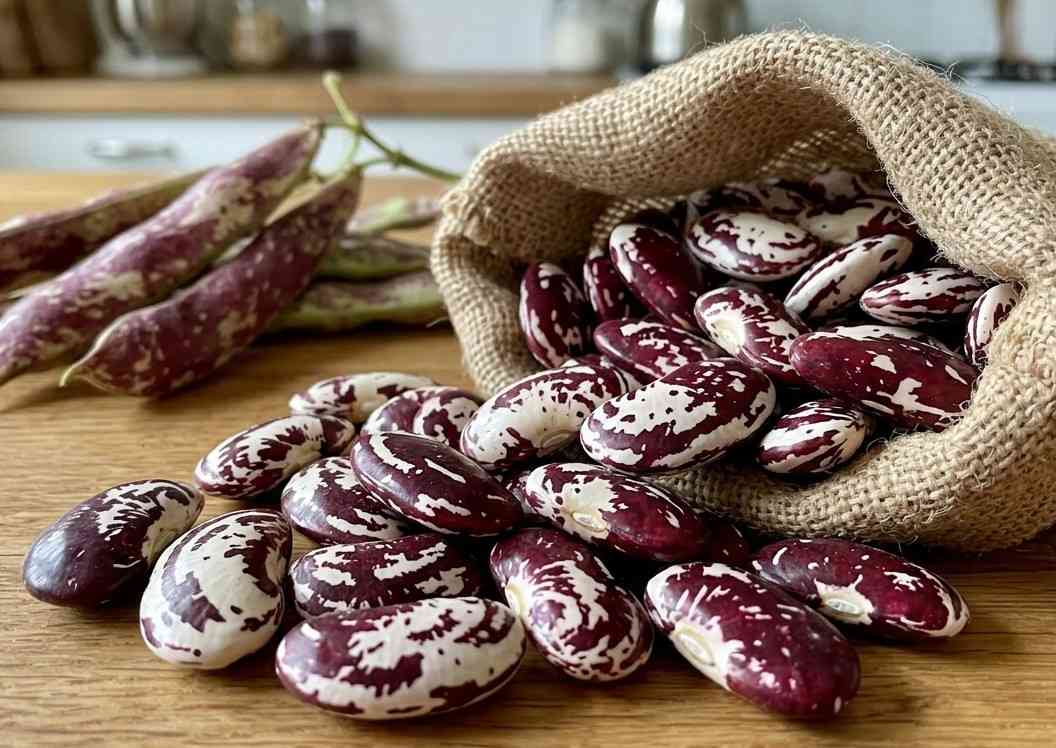
Christmas lima beans are large, colorful heirloom beans known for their creamy texture, rich flavor, and attractive maroon-and-white patterns. They are a nutritious addition to soups, stews, salads, and other home-cooked meals. Like other legumes, they provide plant-based protein, dietary fiber, complex carbohydrates, and important minerals.
Adding properly cooked Christmas lima beans to a balanced diet may support digestive health, heart health, blood sugar management, and overall nutritional well-being. However, their benefits depend on portion size, preparation methods, and your individual health needs.
In this guide, you will learn what Christmas lima beans are, their nutrition facts, potential health benefits, possible side effects, cooking methods, storage tips, and precautions to keep in mind.
What Are Christmas Lima Beans?
Christmas lima beans, also called chestnut lima beans in some contexts, are a large heirloom variety of lima bean (Phaseolus lunatus). They are recognized by their cream-colored background with burgundy, maroon, or reddish-brown markings. Their appearance makes them particularly popular among gardeners and people who enjoy growing unusual bean varieties.
These beans have a rich, slightly nutty flavor and a smooth, buttery texture when cooked. Their taste is sometimes compared to chestnuts, which helps explain their common name.
Christmas lima beans are available as dried beans and may also be found through specialty seed suppliers and heirloom food growers. Like other lima beans, they require proper preparation and thorough cooking before consumption.
They are a useful source of plant-based protein, fiber, folate, iron, magnesium, potassium, and other nutrients. Because they are filling and versatile, they can be included in vegetarian, vegan, and omnivorous diets.
Nutrition Facts of Christmas Lima Beans
Christmas lima beans have a nutritional profile similar to other cooked lima beans. The exact values may vary according to the variety, growing conditions, and cooking method. The following is an approximate nutrition values for 1 cup (about 170 grams) of cooked lima beans without added salt.
| Nutrient | Approximate amount |
|---|---|
| Calories | 216 kcal |
| Protein | 14.7 g |
| Total carbohydrates | 39.3 g |
| Dietary fiber | 13.2 g |
| Total fat | 0.7 g |
| Sugars | 2.8 g |
| Folate | 156 mcg |
| Iron | 4.2 mg |
| Magnesium | 81 mg |
| Potassium | 955 mg |
| Calcium | 32 mg |
| Phosphorus | 200 mg |
| Zinc | 2.8 mg |
| Vitamin B1 (thiamin) | 0.3 mg |
20 Health Benefits of Christmas Lima Beans
- Supports Digestive Health: Christmas lima beans provide dietary fiber that helps promote regular bowel movements and supports normal digestive function.
- Promotes Healthy Gut Bacteria: Certain fibers in beans are fermented by beneficial intestinal bacteria, producing compounds that help support a healthy gut environment.
- Helps You Feel Full: Their combination of protein and fiber can increase fullness after meals and may help reduce unnecessary snacking.
- Supports Heart Health: Replacing some foods high in saturated fat with beans may help support healthy cholesterol levels as part of a heart-friendly eating pattern.
- May Support Blood Sugar Management: Fiber and slowly digested carbohydrates can help moderate the rate at which glucose enters the bloodstream compared with many refined carbohydrate foods.
- Provides Plant-Based Protein: Christmas lima beans contribute protein needed for muscle maintenance, tissue repair, and the production of enzymes and other essential body substances.
- Supports Red Blood Cell Formation: Their iron content contributes to hemoglobin production, which helps red blood cells transport oxygen throughout the body.
- Contributes to Energy Metabolism: B vitamins, including thiamin and folate, help the body process nutrients and support normal cellular functions.
- Supports Normal Nerve Function: Magnesium and other minerals in lima beans contribute to normal nerve signaling and muscle function.
- Helps Maintain Muscle Function: Magnesium and potassium support muscle contraction and relaxation, although beans alone cannot prevent muscle cramps or other muscle problems.
- Supports Bone Health: Magnesium, phosphorus, and calcium contribute to the maintenance of normal bones and teeth.
- Contributes to Immune Function: Iron, zinc, folate, and protein help support normal immune system function.
- Supports Healthy Cell Division: Folate is essential for DNA synthesis and normal cell division throughout life.
- May Help With Weight Management: Their high fiber content and plant protein can help make meals more satisfying, potentially supporting a healthy weight when overall calorie intake is appropriate.
- Provides Antioxidant Compounds: Beans contain various plant compounds, including polyphenols, that may help protect cells from oxidative stress.
- Supports Normal Blood Pressure: Their potassium content contributes to normal blood pressure regulation, particularly when included in an overall balanced diet that is not excessively high in sodium.
- May Support Healthy Cholesterol Levels: Soluble and fermentable fibers found in legumes may help reduce LDL cholesterol when consumed regularly as part of a healthy dietary pattern.
- Helps Maintain Regular Bowel Habits: Adequate fiber intake can help prevent constipation, especially when combined with sufficient fluid intake.
- Supports a Nutrient-Dense Diet: Christmas lima beans provide several nutrients in one food, making them a practical choice for improving the nutritional variety of everyday meals.
- Offers a Satisfying Meat Alternative: Their protein, fiber, and mineral content makes them a useful ingredient in vegetarian and vegan meals, especially when combined with a varied diet that supplies all essential nutrients.
10 Possible Side Effects of Christmas Lima Beans
Christmas lima beans are generally safe when properly prepared and eaten in reasonable portions. However, some people may experience digestive discomfort or other problems, especially if they eat large amounts or have particular medical conditions.
- Gas and Flatulence: Certain carbohydrates in beans are fermented by intestinal bacteria, which can increase gas production.
- Abdominal Bloating: Eating a large serving may cause a feeling of fullness, pressure, or swelling in the abdomen, particularly in people who are sensitive to high-fiber foods.
- Stomach Discomfort: Some individuals may experience mild cramping or digestive discomfort after eating beans, especially if they are not accustomed to legumes.
- Changes in Bowel Movements: A sudden increase in fiber intake may cause loose stools or constipation, depending on a person’s diet, fluid intake, and digestive sensitivity.
- Digestive Symptoms in Sensitive Individuals: People with irritable bowel syndrome (IBS) may find that certain fermentable carbohydrates in lima beans trigger symptoms, depending on portion size and personal tolerance.
- Food Allergy: Although uncommon, an allergy to lima beans is possible and may cause itching, hives, swelling, vomiting, or breathing difficulties.
- Foodborne Illness From Improper Cooking: Eating inadequately cooked lima beans can cause illness because raw or undercooked legumes may contain harmful natural compounds.
- Excessive Potassium Intake in Susceptible People: People with advanced kidney disease or other conditions that impair potassium regulation may need to limit high-potassium foods.
- Medication-Related Nutritional Concerns: People taking medicines that affect potassium levels may need individualized dietary advice, especially if they also have kidney problems.
- Discomfort From Excessive Fiber Intake: Eating too many beans in one sitting may lead to significant gas, abdominal pain, or diarrhea, particularly when the increase in fiber is sudden.
How to Eat Christmas Lima Beans?
Christmas lima beans can be used in many dishes because their creamy texture and mild, nutty flavor pair well with vegetables, herbs, spices, and grains.
- In Soups: Add thoroughly cooked beans to vegetable soup, tomato soup, or hearty bean soup for extra protein and fiber.
- In Stews: Combine them with carrots, onions, tomatoes, and herbs to prepare a filling stew.
- In Salads: Mix cooled, cooked beans with cucumber, tomatoes, onions, lemon juice, and fresh herbs.
- As a Side Dish: Serve cooked beans with garlic, black pepper, herbs, and a small amount of olive oil.
- With Rice: Combine them with brown rice, whole-grain rice, or other grains for a satisfying meal.
- In Curries: Prepare a curry with tomatoes, ginger, garlic, turmeric, and other preferred spices.
- In Pasta Dishes: Add them to pasta with vegetables and a light tomato-based sauce.
- In Vegetarian Bowls: Pair cooked beans with roasted vegetables, leafy greens, and whole grains.
- As a Mashed Bean Spread: Mash thoroughly cooked beans with lemon juice, garlic, and herbs for a spread or dip.
- In Casseroles: Use them in baked vegetable and bean dishes for added texture and nutrition.
Tips for Consuming Christmas Lima Beans
A few simple habits can make Christmas lima beans easier to prepare, digest, and enjoy.
- Start With Small Portions: If you rarely eat beans, begin with a small serving and gradually increase it as your digestive system adjusts.
- Soak Dried Beans: Soaking can help shorten cooking time and may improve digestibility.
- Discard the Soaking Water: Drain and rinse soaked beans, then cook them in fresh water.
- Cook Them Thoroughly: Do not eat raw or undercooked lima beans; follow a reliable preparation method.
- Add Flavor Naturally: Use garlic, ginger, cumin, black pepper, lemon juice, or herbs instead of relying on excessive salt.
- Combine With Vegetables: Pair beans with vegetables to increase the variety of nutrients in your meal.
- Drink Enough Water: Adequate fluid intake helps dietary fiber function properly.
- Chew Slowly: Eating slowly may help you recognize fullness and reduce discomfort from large meals.
- Use Moderate Amounts of Oil: Olive oil or another unsaturated oil can add flavor without making the dish excessively rich.
- Choose Plain Canned Beans When Available: If using canned lima beans, look for products with little or no added salt, and rinse them when appropriate.
How to Cook Christmas Lima Beans?
Dried Christmas lima beans become creamy and tender when properly cooked. Cooking time varies depending on the age, size, storage conditions, and soaking time of the beans.
Ingredients
- 1 cup dried Christmas lima beans
- Water for soaking and cooking
- 1 small onion, chopped (optional)
- 2 garlic cloves, minced (optional)
- Salt and black pepper, to taste
- Herbs or spices of your choice
Instructions
- Sort the Beans: Spread the dried beans on a clean surface and remove stones, damaged beans, and other debris.
- Rinse Thoroughly: Wash the beans under clean running water.
- Soak the Beans: Cover them with plenty of water and soak for approximately 8–12 hours in the refrigerator. Follow a reliable food-safety method for soaking and preparation.
- Drain and Rinse: Discard the soaking water and rinse the beans again.
- Add Fresh Water: Transfer the beans to a large pot and cover them with fresh water.
- Bring to a Boil: Bring the water to a full, rolling boil. For dried lima beans, follow established safety guidance, including at least 30 minutes of boiling; continue cooking as needed until the beans are completely tender. A longer cooking period may be necessary.
- Simmer Until Tender: After the initial boiling period, reduce the heat and simmer until the beans have a soft, creamy texture. Do not rely on a slow cooker alone to make raw dried lima beans safe.
- Add Seasonings: Add onion, garlic, herbs, and other seasonings according to your preference. Salt can be added toward the end if desired.
- Check Doneness: Cut or taste a bean to confirm that it is fully cooked and tender throughout.
- Serve Safely: Drain if necessary, or use the cooking liquid in your recipe if appropriate. Refrigerate leftovers promptly.
Important: Do not taste dried lima beans raw or undercooked. Because lima beans may contain cyanogenic compounds, adequate boiling and safe preparation are important. The minimum boiling period is not a guarantee that every bean variety or preparation is safe regardless of its source. Avoid relying on steaming or a slow cooker as a substitute for an established boiling method.
Can You Cook Christmas Lima Beans in a Pressure Cooker?
A pressure cooker can shorten the cooking time, but preparation and safety matter. Because lima beans may contain cyanogenic compounds, use a tested method specifically suitable for lima beans and your appliance. Do not assume that an ordinary pressure-cooking time is sufficient to eliminate all natural toxins. When uncertain, use the established soaking and boiling method instead.
Other Uses of Christmas Lima Beans
Beyond everyday meals, Christmas lima beans can serve several practical purposes in the kitchen and garden.
- Plant-Based Meal Preparation: Their substantial protein and fiber content makes them a useful ingredient for vegetarian and vegan meal planning.
- Meal Prepping: Cooked beans can be portioned into meals for convenient use throughout the week.
- Garden Growing: Christmas lima beans can be grown as an heirloom crop where climate, growing conditions, and suitable support structures allow.
- Seed Saving: Healthy, mature seeds can be saved for future planting when they come from a suitable, true-to-type variety and are stored properly.
- Recipe Experimentation: Their attractive coloring makes them an interesting choice for bean salads, colorful stews, and specialty dishes.
- Reducing Dependence on Meat: Replacing some meat-based meals with beans can increase plant-food variety and may reduce the cost of everyday cooking.
- Food Photography and Presentation: Their burgundy-and-cream markings can add visual interest to finished dishes without requiring artificial coloring.
For garden use, buy seeds from a reputable supplier and follow growing guidance appropriate for your climate. Seeds intended for planting should not automatically be treated as food-grade beans.
How Much Christmas Lima Beans Can You Eat in a Day?
For many healthy adults, approximately ½ to 1 cup of cooked Christmas lima beans per day can be a reasonable starting point when included in a balanced diet. This is a practical serving suggestion rather than an official daily requirement or a proven optimal dose.
A half-cup serving may suit someone who is new to beans, while a cup may fit comfortably into the diet of someone who regularly eats legumes and tolerates them well.
Your appropriate portion depends on:
- Your overall energy and protein requirements.
- How much fiber you already consume.
- Your digestive tolerance.
- Your kidney function and potassium requirements.
- The other foods included in your meals.
If beans cause bloating or gas, start with a smaller serving and increase gradually. People who need to limit potassium or follow a medically prescribed diet should ask their healthcare professional or dietitian about an appropriate portion.
Best Time to Eat Christmas Lima Beans
There is no scientifically established best time of day to eat Christmas lima beans. Their nutritional value does not depend on whether you eat them in the morning, afternoon, or evening.
- At Lunch: Add them to salads, grain bowls, or vegetable curries for a filling meal.
- At Dinner: Use them in soups, stews, or casseroles alongside vegetables and whole grains.
- After Physical Activity: They can contribute protein and carbohydrates to a meal that supports general recovery, although individual needs vary.
- During Meal Preparation: Include them in batch-cooked meals when it is convenient to plan balanced portions in advance.
If beans make you feel bloated, you may prefer to eat a smaller portion earlier in the day rather than immediately before bedtime. Personal comfort matters more than a particular clock time.
Who Should Eat Christmas Lima Beans?
Christmas lima beans can be a nutritious option for many people when properly prepared and eaten in suitable portions.
- People Seeking More Plant Protein: They provide plant-based protein that can contribute to daily protein needs.
- People Looking to Increase Fiber Intake: Their dietary fiber can help support regular bowel movements and digestive health.
- Vegetarians and Vegans: They can help supply protein, iron, folate, and other nutrients in plant-based meals.
- People Interested in Heart-Healthy Eating: They can replace some foods higher in saturated fat as part of a balanced dietary pattern.
- People Managing Their Weight: Their protein and fiber can contribute to fullness and help make meals more satisfying.
- People Wanting More Dietary Variety: Their distinctive flavor and texture offer an alternative to commonly eaten beans and lentils.
- People Seeking Budget-Friendly Protein: Dried beans can be an economical ingredient for preparing multiple meals.
Who Should Not Eat Christmas Lima Beans?
Most people can enjoy properly prepared Christmas lima beans, but certain individuals should avoid them or seek professional guidance.
- People With a Lima Bean Allergy: Anyone with a confirmed allergy to lima beans should avoid them and check ingredient labels carefully.
- People With Severe Reactions to Related Legumes: Those with known legume allergies should seek advice from an allergy specialist before trying an unfamiliar bean variety.
- People Who Cannot Obtain Properly Prepared Beans: Do not eat raw, undercooked, spoiled, or questionably prepared lima beans.
- People With Certain Kidney Conditions: Individuals who need to restrict potassium or phosphorus may require portion limits based on their laboratory results and treatment plan.
- People With Significant Digestive Sensitivity: Those whose IBS or other digestive symptoms are consistently triggered by beans may need to avoid them or limit their portions.
- People Following a Prescribed Restricted Diet: Anyone on a medically supervised diet should confirm whether lima beans fit their individual nutritional requirements.
Pregnancy or breastfeeding alone does not automatically make properly cooked lima beans unsuitable. However, people with specific medical or nutritional concerns should seek individualized advice.
How to Store Christmas Lima Beans?
Proper storage helps maintain the quality, flavor, and safety of Christmas lima beans.
- Store Dried Beans in an Airtight Container: Keep dried beans in a clean, dry, tightly sealed container to protect them from moisture and pests.
- Choose a Cool, Dry Place: Store dried beans in a pantry or cupboard away from direct sunlight, heat, and humidity.
- Label the Container: Record the purchase date or storage date to help you use older supplies first.
- Refrigerate Cooked Beans: Place cooked beans in a covered, shallow container and refrigerate within two hours of cooking, or within one hour when temperatures exceed 90°F (32°C).
- Use Refrigerated Leftovers Promptly: Properly refrigerated cooked beans should generally be used within three to four days.
- Freeze Cooked Beans for Longer Storage: Freeze cooled beans in airtight, freezer-safe containers or bags, ideally in meal-sized portions.
- Check Before Using: Discard beans that show mold, unusual discoloration, pest damage, or an unpleasant smell. Do not taste food to determine whether it is safe.
Precautions and Interactions
Christmas lima beans can fit into a healthy diet, but a few precautions are important, particularly for people with medical conditions or those taking certain medicines.
- Avoid Raw Beans: Lima beans can contain cyanogenic glycosides that may release cyanide, so never eat them raw or inadequately cooked.
- Follow Safe Cooking Instructions: Soak dried beans appropriately, discard the soaking water, and boil them thoroughly in fresh water using reliable food-safety guidance.
- Increase Fiber Gradually: Adding large amounts of beans to your diet suddenly may cause gas, bloating, and abdominal discomfort.
- Monitor Potassium Intake: People with chronic kidney disease or elevated blood potassium may need individualized advice about lima bean portions.
- Review Potassium-Affecting Medicines: Certain medicines, including ACE inhibitors, angiotensin receptor blockers, and potassium-sparing diuretics, can increase blood potassium in susceptible people; ask your clinician whether dietary adjustments are necessary.
- Consider Blood Glucose Management: People with diabetes can generally include beans in a balanced meal, but should account for their carbohydrate content and follow their individual glucose-management plan.
- Check for Allergic Reactions: Stop eating the beans if you develop symptoms of an allergic reaction; seek emergency care for breathing difficulty or swelling of the throat or tongue.
- Use Caution With Specialized Diets: If you have kidney disease, a prescribed mineral restriction, or a digestive condition, consult a registered dietitian or healthcare professional about portion size.
- Avoid Unnecessary Supplements: Eating beans does not automatically mean you need additional iron, folate, or other supplements; supplementation should be based on your individual needs.
- Store Leftovers Safely: Refrigerate cooked beans promptly and discard them if they have been stored improperly or show signs of spoilage.
FAQ’s
What are Christmas lima beans also known as?
Christmas lima beans are also known as large speckled lima, or chestnut lima beans due to their rich, nutty flavor. They are an heirloom variety of lima bean (Phaseolus lunatus), recognized by their cream-colored seeds with distinctive maroon or burgundy markings.
What are Christmas lima beans good for?
Christmas lima beans provide plant-based protein, dietary fiber, iron, folate, magnesium, and potassium, which support digestion, muscle function, and overall health.
Do Christmas lima beans taste like chestnuts?
Yes, they have a rich, slightly nutty flavor and a creamy texture that some people compare to chestnuts.
Are Christmas lima beans high in protein?
Yes, one cup of cooked lima beans contains approximately 14.7 grams of protein, although the exact amount varies by variety and preparation.
Are Christmas lima beans good for weight loss?
Their protein and fiber may help you feel full for longer, making them a useful addition to a balanced weight-management diet.
Can you eat Christmas lima beans every day?
Yes, many healthy adults can enjoy properly cooked Christmas lima beans regularly in moderate portions as part of a varied diet.
Do Christmas lima beans need to be soaked overnight?
Soaking them for approximately 8–12 hours can help shorten cooking time. Always discard the soaking water and cook the beans thoroughly in fresh water.
How long does it take to cook Christmas lima beans?
Cooking time varies depending on the beans’ age, size, and soaking time. They may require an hour or longer to become tender after soaking, so follow reliable lima bean preparation guidance.
Can Christmas lima beans cause bloating?
Yes, their fermentable carbohydrates and fiber can cause gas and bloating, especially when you eat large portions or are not accustomed to beans.
Are Christmas lima beans suitable for people with diabetes?
They can fit into many diabetes-friendly eating plans, but their carbohydrate content should be included in the total carbohydrate count for the meal.
Are Christmas lima beans safe during pregnancy?
Properly cooked Christmas lima beans can be part of a balanced pregnancy diet and provide nutrients such as folate, iron, and protein. Never consume them raw or undercooked.
Can Christmas lima beans help lower cholesterol?
Dietary fiber from beans may help support healthy LDL cholesterol levels when beans replace foods high in saturated fat as part of a heart-healthy diet.
Are Christmas lima beans gluten-free?
Yes, plain Christmas lima beans are naturally gluten-free. Check packaged products and prepared dishes for possible cross-contact or gluten-containing ingredients.
What is the difference between Christmas lima beans and regular lima beans?
Christmas lima beans are an heirloom variety recognized by their cream-colored seeds with maroon markings. They have a creamy texture and a rich flavor, while other lima bean varieties differ in size, color, and taste.
Can you freeze cooked Christmas lima beans?
Yes, cooked Christmas lima beans can be frozen in airtight, freezer-safe containers or bags for convenient use in future meals.
What do Christmas lima beans taste like?
Christmas lima beans have a rich, slightly nutty flavor and a creamy, buttery texture. Their taste works well in soups, stews, salads, curries, and side dishes.
Are Christmas lima beans healthy?
Yes, properly cooked Christmas lima beans can be a nutritious addition to a balanced diet because they provide plant protein, dietary fiber, folate, iron, magnesium, and potassium.
Are Christmas lima beans the same as butter beans?
Christmas lima beans are a distinctive heirloom variety of lima bean. The terms lima beans and butter beans are often used interchangeably, although naming conventions vary by region.
Can you eat Christmas lima beans raw?
No. Do not eat raw or inadequately cooked Christmas lima beans because lima beans can contain naturally occurring compounds that may release cyanide. Proper preparation and thorough cooking are essential.
Are Christmas lima beans suitable for vegetarians?
Yes. They provide plant-based protein and can be used in a variety of vegetarian and vegan meals. Eating a diverse range of plant foods helps provide a broader range of essential nutrients.
Why are they called Christmas lima beans?
They are called Christmas lima beans because their cream-colored seeds have distinctive maroon markings resembling traditional Christmas colors.
Are Christmas lima beans safe for children?
Yes, properly cooked Christmas lima beans provide protein, fiber, and essential nutrients. Serve them soft and in an age-appropriate texture to reduce choking risks.
Conclusion
Christmas lima beans are a flavorful heirloom variety that offers plant-based protein, fiber, and several important vitamins and minerals. Their creamy texture makes them a versatile ingredient for soups, salads, curries, stews, and other balanced meals.
Eating them regularly in appropriate portions may contribute to digestive health, fullness, and overall dietary quality. However, these benefits are based mainly on the nutritional properties of lima beans and legumes generally, rather than clinical studies specifically examining Christmas lima beans.
The most important precaution is proper preparation. Never eat them raw or undercooked, and follow reliable food-safety guidance when soaking and boiling dried beans. With safe cooking, sensible portions, and a varied diet, Christmas lima beans can be a nutritious addition to everyday meals.
Sources / References:
- USDA FoodData Central
- MedlinePlus
- U.S. Food and Drug Administration
- PubMed
- National Institutes of Health
About the Author:
Written by: Kirti Solanki (Health Content Researcher)
Kirti Solanki researches health, nutrition, and wellness topics to make evidence-informed information easier to understand. This article draws on established nutrition databases and food-safety resources to explain the potential benefits and precautions associated with Christmas lima beans.
Disclaimer:
This guide is intended for educational purposes only and does not replace professional medical or dietary advice. Nutritional values may vary, and individual needs differ. Consult a qualified healthcare professional for personalized guidance, particularly if you have kidney disease, food allergies, or other dietary restrictions.
Also Read: