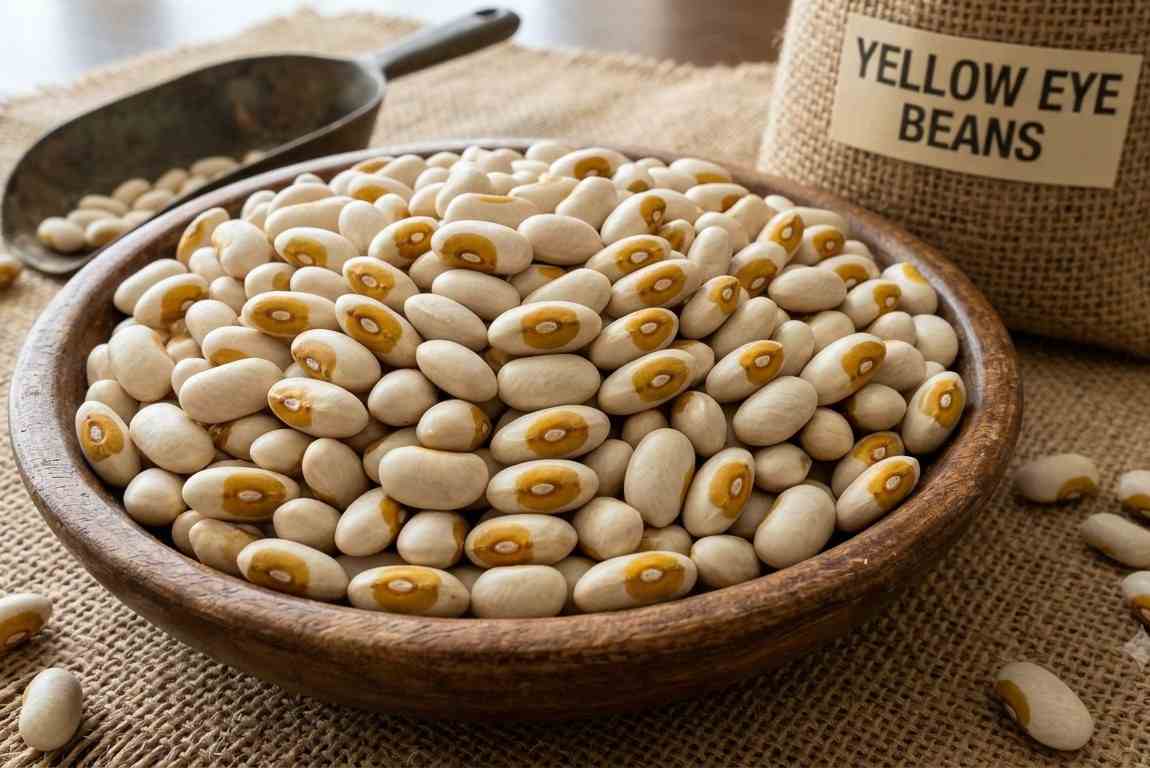
Yellow-eyed beans are nutritious legumes known for their creamy texture, mild flavor, and distinctive yellow or golden marking around the hilum, the small scar where a bean attaches to its pod. They are a versatile addition to soups, stews, salads, and other everyday meals.
Like many other beans, yellow-eyed beans provide plant-based protein, dietary fiber, complex carbohydrates, and several essential minerals. When included in a balanced diet, they can support digestive health, help maintain steady energy levels, and contribute to overall nutritional well-being.
Whether you are exploring new types of beans or looking for affordable ways to add more plant-based foods to your diet, yellow-eyed beans are worth considering. This guide covers their nutrition facts, potential health benefits, possible side effects, cooking methods, daily serving suggestions, storage tips, and precautions.
What Are Yellow-Eyed Beans?
Yellow-eyed beans are a variety of dry bean from the common bean species, Phaseolus vulgaris. They typically have a cream or pale-yellow background with a distinctive yellow, tan, or golden marking around the hilum. Their appearance resembles that of other marked beans, but their coloring helps distinguish them.
When cooked, yellow-eyed beans develop a soft, creamy texture and a mild, slightly earthy flavor. They absorb the flavors of herbs, spices, vegetables, and broths, making them suitable for a wide range of recipes.
Yellow-eyed beans are often used in traditional bean dishes, particularly in soups, baked bean recipes, casseroles, and slow-cooked meals. They can also be mashed, added to grain bowls, or served as a side dish.
Their nutritional value makes them a useful choice for people seeking affordable plant-based protein and fiber. However, their precise nutrient content depends on the variety, growing conditions, processing method, and preparation.
Nutrition Facts of Yellow-Eyed Beans
Yellow-eyed beans contain a combination of protein, complex carbohydrates, fiber, and minerals. The following is an approximate nutrition values for one cup of cooked yellow-eyed beans (about 170–180 grams).
| Nutrient | Approximate amount |
|---|---|
| Calories | 230–250 kcal |
| Protein | 15–17 g |
| Total carbohydrates | 40–45 g |
| Dietary fiber | 13–16 g |
| Total fat | 0.5–1.5 g |
| Natural sugars | 1–3 g |
| Iron | 3–5 mg |
| Potassium | 600–800 mg |
| Magnesium | 70–90 mg |
| Phosphorus | 220–280 mg |
| Folate (vitamin B9) | 200–300 mcg |
| Calcium | 50–100 mg |
| Sodium | Varies with preparation |
20 Health Benefits of Yellow-Eyed Beans
1. Supports Digestive Health
Yellow-eyed beans provide dietary fiber that helps support regular bowel movements and contributes to healthy digestion when consumed with adequate fluids.
2. Helps Maintain Bowel Regularity
Their fiber content adds bulk to stool and may help reduce constipation as part of a fiber-rich diet.
3. Provides Plant-Based Protein
Yellow-eyed beans supply protein needed for building and repairing tissues, maintaining muscles, and producing enzymes and other important body substances.
4. Supports Heart Health
Their combination of fiber, plant protein, and naturally low saturated fat makes yellow-eyed beans a heart-friendly alternative to many processed or high-saturated-fat foods.
5. Helps Manage Cholesterol Levels
Soluble and fermentable fibers found in legumes can help reduce LDL cholesterol when regularly included in an overall heart-healthy eating pattern.
6. Supports Healthy Blood Sugar Management
The combination of fiber, protein, and complex carbohydrates may slow digestion and help moderate the rise in blood glucose after a meal compared with many refined carbohydrate foods.
7. Provides Lasting Energy
Yellow-eyed beans contain complex carbohydrates that provide energy for everyday activities and help replenish the body’s energy supply.
8. Contributes to Weight Management
Their protein and fiber can promote fullness, potentially helping people feel satisfied after meals and manage overall calorie intake.
9. Supports Red Blood Cell Production
Yellow-eyed beans provide iron, which the body uses to produce hemoglobin, the protein that carries oxygen in red blood cells.
10. Supplies Folate for Cell Growth
Their folate content supports DNA synthesis, cell division, and normal red blood cell formation.
11. Supports Muscle Function
Yellow-eyed beans provide protein, potassium, and magnesium, nutrients that contribute to normal muscle function and recovery as part of a balanced diet.
12. Contributes to Bone Health
They contain minerals such as magnesium, phosphorus, and calcium, which help maintain bones and support normal skeletal function.
13. Supports Normal Nerve Function
Potassium and magnesium contribute to normal nerve signaling and the regulation of muscle contractions.
14. Provides Antioxidant Compounds
Like other beans, yellow-eyed beans contain plant compounds that may help protect cells from oxidative damage, although the amount varies by variety and preparation.
15. Supports a Healthy Gut Microbiome
Some of their fibers and resistant starch can be fermented by beneficial gut bacteria, producing short-chain fatty acids that help support intestinal health.
16. Helps Meet Daily Mineral Needs
Including yellow-eyed beans in meals can contribute to the intake of iron, magnesium, potassium, and phosphorus, all of which are necessary for normal body functions.
17. Supports Tissue Repair
Their protein provides amino acids needed for maintaining and repairing body tissues, particularly when eaten as part of a diet with adequate total protein.
18. Offers a Low-Fat Protein Option
Yellow-eyed beans provide protein with very little naturally occurring fat, making them useful for people seeking alternatives to higher-fat protein sources.
19. Supports a Balanced Plant-Based Diet
They can help people who eat vegetarian or vegan diets obtain protein, fiber, iron, and folate. Pairing beans with a variety of other plant foods helps improve overall nutrient adequacy.
20. Encourages More Affordable Healthy Eating
Dried yellow-eyed beans are often economical, store well when kept dry, and can be cooked in batches, making nutritious home-cooked meals easier to prepare on a budget.
10 Possible Side Effects of Yellow-Eyed Beans
Yellow-eyed beans are generally safe for most people when properly prepared and eaten in reasonable portions. However, their high fiber content and other natural components may cause problems for some individuals.
1. Gas and Flatulence
Certain carbohydrates in yellow-eyed beans are fermented by intestinal bacteria, which can produce gas and cause flatulence.
2. Bloating
Eating a large portion, especially when your body is not accustomed to high-fiber foods, may cause abdominal fullness or bloating.
3. Abdominal Discomfort
Some people may experience mild cramps or discomfort when digesting beans, particularly after eating a large serving.
4. Changes in Bowel Movements
Increasing fiber intake too quickly can lead to loose stools or constipation, especially when fluid intake is inadequate.
5. Allergic Reactions
Although uncommon, some individuals may be allergic to beans or related legumes and develop itching, hives, swelling, or other allergic symptoms.
6. Digestive Problems From Undercooked Beans
Raw or inadequately cooked beans can contain natural lectins that cause nausea, vomiting, abdominal pain, and diarrhea. Always cook dried beans thoroughly.
7. Increased Symptoms in Sensitive Digestive Systems
People with irritable bowel syndrome (IBS) or sensitivity to fermentable carbohydrates may experience more gas, pain, or bloating after eating beans.
8. Excessive Fiber Intake
Consuming unusually large quantities of beans can cause digestive discomfort, especially when fiber intake increases suddenly.
9. Excess Sodium From Seasonings
Adding excessive salt, processed meats, salty stock, or high-sodium sauces can make a bean dish less suitable for people who need to limit sodium.
10. Medication or Diet-Related Concerns
People following medically prescribed diets, such as certain kidney-related diets, may need to manage their intake of potassium, phosphorus, or other nutrients based on individual requirements.
How to Eat Yellow-Eyed Beans?
Yellow-eyed beans are versatile and can be included in breakfast, lunch, dinner, or meal-prep recipes. Their mild flavor works well with both simple seasonings and strongly flavored ingredients.
- In Soups: Add cooked yellow-eyed beans to vegetable soup or hearty bean soup for extra protein and fiber.
- In Stews: Combine them with tomatoes, onions, garlic, carrots, and herbs for a filling meal.
- In Salads: Mix cooled cooked beans with cucumber, bell peppers, tomatoes, lemon juice, and olive oil.
- As a Side Dish: Serve seasoned beans alongside vegetables, whole grains, fish, chicken, or tofu.
- In Rice Dishes: Combine them with brown rice, herbs, and vegetables to create a satisfying grain bowl.
- In Bean Mash: Mash thoroughly cooked beans with olive oil, garlic, and spices for a creamy spread or side dish.
- In Vegetarian Burgers: Mix mashed beans with oats, finely chopped vegetables, and seasonings to make bean patties.
- In Casseroles: Add cooked beans to baked vegetable dishes for a more substantial meal.
- In Curries: Simmer them with onion, tomato, ginger, garlic, turmeric, and other spices for a flavorful bean curry.
- As a Meal-Prep Ingredient: Cook a batch in advance and use it in different meals throughout the week, refrigerating or freezing portions safely.
For a balanced meal, pair yellow-eyed beans with vegetables and whole grains. Adding a vitamin C-rich food, such as lemon juice, tomatoes, or bell peppers, can also help your body absorb non-heme iron from plant foods.
Tips for Consuming Yellow-Eyed Beans
A few practical habits can make yellow-eyed beans easier to prepare and enjoy.
- Start With Small Portions: If you rarely eat beans, begin with about half a cup of cooked beans and gradually increase the amount as tolerated.
- Rinse Dried Beans: Sort through the beans to remove stones or debris, then rinse them under clean running water.
- Soak Before Cooking: Soaking dried beans can reduce cooking time and may help reduce some gas-producing carbohydrates.
- Cook Until Tender: Make sure the beans are thoroughly cooked rather than firm or undercooked.
- Use Simple Seasonings: Garlic, ginger, cumin, black pepper, herbs, and lemon juice can add flavor without requiring excessive salt.
- Drink Enough Water: Adequate fluid intake helps your digestive system handle increased dietary fiber.
- Combine With Other Foods: Pair beans with vegetables, grains, and suitable protein sources to create balanced meals.
- Choose Low-Sodium Canned Beans: If using canned beans, check the label and rinse them to remove some of the surface sodium.
- Avoid Excessive Added Fat: Use moderate amounts of oil and limit frequent additions of fatty processed meats if you want to keep meals lower in saturated fat.
- Store Leftovers Promptly: Refrigerate cooked beans in a covered container within two hours of cooking, or within one hour if the ambient temperature is above 90°F (32°C).
How to Cook Yellow-Eyed Beans?
Cooking yellow-eyed beans at home is straightforward. The following method is suitable for most dried common-bean varieties.
Ingredients
- 1 cup dried yellow-eyed beans
- 3–4 cups water for cooking, plus additional water for soaking
- 1 small onion, chopped (optional)
- 2 garlic cloves, minced (optional)
- Salt to taste
- Black pepper, herbs, or other seasonings as desired
Step-by-Step Cooking Instructions
- Sort the Beans: Spread the dried beans on a clean surface and remove any stones, damaged beans, or debris.
- Rinse Thoroughly: Wash the beans under clean running water.
- Soak the Beans: Place them in a large bowl, cover with plenty of water, and soak for about 8–12 hours in the refrigerator. Discard the soaking water and rinse again. Soaking is useful but does not replace proper cooking.
- Add Fresh Water: Transfer the beans to a large pot and cover them with fresh water, allowing enough room for the beans to expand.
- Bring to a Boil: Bring the water to a full boil. For safety, boil dried beans vigorously for at least 30 minutes before reducing the heat; do not rely on a slow cooker alone to make raw dried beans safe.
- Simmer Until Tender: After the initial boil, reduce the heat and simmer until the beans are completely tender. Depending on their age, variety, and soaking time, total cooking may take roughly 45–90 minutes or longer.
- Add Flavor: Add onion, garlic, and herbs during cooking if desired. Add salt according to taste.
- Check Doneness: Test several beans to make sure they are soft throughout, with no hard or chalky center. If necessary, continue cooking.
- Serve Warm: Drain if needed, then serve as a side dish or add the beans to soups, stews, salads, or curries.
Important: Cooking time varies, and older beans may take longer to soften. If you are using a pressure cooker, follow its instructions for the particular bean and use a tested cooking method. Do not eat dried beans raw or undercooked.
Can You Cook Yellow-Eyed Beans Without Soaking?
Yes. Most dried common beans can be cooked without soaking, although they generally take longer to become tender. Sort and rinse them, then follow the full-boiling and simmering steps above. Soaking is primarily a convenience that can shorten cooking time.
Canned yellow-eyed beans are another convenient option because they have already been cooked. Drain and rinse them before adding them to a recipe if you want to reduce excess sodium.
Other Uses of Yellow-Eyed Beans
Besides being served as a whole-bean dish, yellow-eyed beans can be used in several practical ways in everyday cooking.
- Bean Dip: Blend cooked yellow-eyed beans with garlic, lemon juice, olive oil, and herbs to create a creamy dip.
- Thickening Soups: Mash some of the cooked beans into soup to create a thicker texture without relying on cream.
- Vegetarian Patties: Use mashed beans as a base for homemade burgers or vegetable patties.
- Bean Spreads: Combine them with spices and a little oil to make a spread for sandwiches or wraps.
- Filling for Wraps: Add seasoned beans to tortillas or flatbreads with vegetables and a suitable sauce.
- Pasta Additions: Stir cooked beans into pasta dishes with tomato sauce, spinach, or other vegetables.
- Grain Bowl Topping: Add them to bowls containing rice, quinoa, roasted vegetables, or leafy greens.
- Meal Preparation: Cook a large batch and portion it into containers for convenient meals during the week.
- Plant-Based Recipe Substitutions: Replace some of the meat in suitable recipes with cooked beans to increase fiber and reduce reliance on animal protein.
- Garden Composting: If you grow beans at home, healthy plant residues can be composted where appropriate. Avoid adding heavily diseased plant material to ordinary home compost.
These uses make yellow-eyed beans a flexible pantry ingredient rather than simply a side dish.
How Much Yellow-Eyed Beans Can You Eat in a Day?
For most healthy adults, about half a cup to one cup of cooked yellow-eyed beans per day can be a reasonable starting range, depending on appetite, overall diet, and digestive tolerance. This is a practical serving suggestion, not a medically established daily requirement specific to yellow-eyed beans.
| Serving size | Approximate calories | Best suited for |
|---|---|---|
| ¼ cup cooked | 55–65 kcal | Trying beans for the first time |
| ½ cup cooked | 115–125 kcal | A small side dish or meal addition |
| 1 cup cooked | 230–250 kcal | A substantial ingredient in a meal |
Estimates are based on typical cooked common beans; actual values vary by variety and preparation.
Your ideal portion depends on your total food intake, activity level, protein needs, and other dietary considerations.
- If you are new to eating beans, start with a smaller portion and increase it gradually.
- If you eat beans regularly and tolerate them well, a larger serving may fit comfortably into your meals.
- If you have a medical condition requiring potassium, phosphorus, or carbohydrate management, discuss suitable portions with your healthcare professional or dietitian.
There is no need to eat yellow-eyed beans every day to benefit from them. Rotating them with lentils, chickpeas, peas, and other protein sources helps provide dietary variety.
Best Time to Eat Yellow-Eyed Beans
There is no single best time to eat yellow-eyed beans. Their nutritional benefits depend more on your overall diet and portion size than on the time of day.
- At Breakfast: Add a small serving to a savory breakfast bowl for extra protein and fiber.
- At Lunch: Include them in a salad, grain bowl, or vegetable stew to help make lunch more filling.
- At Dinner: Serve them with vegetables and whole grains as part of a balanced evening meal.
- After Physical Activity: Include them in a meal with other protein and carbohydrate sources to support recovery and replenish energy.
- During Meal Preparation: Eat them whenever they fit conveniently into your routine and your digestive system tolerates them well.
If beans cause bloating or gas, avoid eating a large portion immediately before exercise or bedtime. Smaller portions earlier in the day may be more comfortable.
Who Should Eat Yellow-Eyed Beans?
Yellow-eyed beans can be a useful addition to many diets because they provide plant protein, fiber, and several essential nutrients.
- People Seeking Plant Protein: Yellow-eyed beans can help meet daily protein needs without relying entirely on animal foods.
- People Wanting More Fiber: Their fiber content can help increase overall fiber intake and support bowel regularity.
- Vegetarians and Vegans: They provide protein, iron, and folate that can contribute to a well-planned plant-based diet.
- People Managing Their Weight: Their combination of protein and fiber may promote fullness when included in appropriately portioned meals.
- People Following Heart-Healthy Eating Patterns: Their naturally low saturated fat content makes them a useful alternative to some higher-fat protein foods.
- People Seeking Affordable Nutrition: Dried beans are often inexpensive and can provide several meals from one batch.
- People Interested in Dietary Variety: They offer an alternative to commonly eaten beans, lentils, and chickpeas.
- Physically Active Adults: Their carbohydrates provide energy, while their protein contributes to muscle maintenance and tissue repair.
- People Looking to Improve Meal Balance: Adding beans to meals can increase fiber and protein in dishes that would otherwise contain mostly refined carbohydrates.
Who Should Not Eat Yellow-Eyed Beans?
Yellow-eyed beans are safe for most people when thoroughly cooked, but certain individuals may need to avoid them or adjust their intake.
- People With a Confirmed Bean Allergy: Anyone with a known allergy to yellow-eyed beans should avoid them because allergic reactions can be serious.
- People With Previous Severe Reactions to Legumes: Those with allergies to other legumes should seek individualized allergy advice before trying an unfamiliar bean.
- People Experiencing Significant Digestive Symptoms: Individuals who develop persistent pain, bloating, or diarrhea after eating beans may need smaller portions or an alternative food.
- People With Certain Kidney Conditions: Those who have been advised to restrict potassium or phosphorus may need to limit their portions according to their clinician’s recommendations.
- People on a Prescribed Dietary Restriction: Anyone following a medically supervised diet should check whether yellow-eyed beans fit their specific restrictions.
- Anyone Considering Eating Raw or Undercooked Beans: Raw and inadequately cooked dried beans should never be eaten because naturally occurring lectins can cause acute gastrointestinal illness.
- People With Severe Symptoms After Eating Beans: Anyone experiencing breathing difficulties, throat swelling, or faintness after eating should seek emergency medical care.
Having diabetes, high cholesterol, or a weight-management goal does not automatically mean you should avoid yellow-eyed beans. Portion sizes and the overall meal pattern are more important than excluding nutritious foods without a specific reason.
How to Store Yellow-Eyed Beans?
Proper storage helps maintain the quality, flavor, and safety of yellow-eyed beans.
- Store Dried Beans in an Airtight Container: Keep dried beans in a clean, dry, airtight container to protect them from moisture, insects, and household odors.
- Choose a Cool, Dry Location: Store the container in a pantry or cupboard away from direct sunlight, heat, and humidity.
- Check for Signs of Damage: Before cooking, discard beans with mold, unusual discoloration, insect damage, or an off smell.
- Keep Cooked Beans Refrigerated: Transfer cooked beans to a covered container and refrigerate them within two hours of cooking.
- Use Refrigerated Beans Promptly: For best safety, use cooked beans within 3–4 days when stored at 40°F (4°C) or below.
- Freeze for Longer Storage: Freeze cooked beans in airtight, freezer-safe containers or bags in convenient portions.
- Label Frozen Portions: Write the preparation date on the container so you can keep track of storage time.
- Store Canned Beans Correctly: Keep unopened cans in a cool, dry place and follow the manufacturer’s instructions after opening.
- Refrigerate Opened Canned Beans: Transfer leftovers to a covered food-safe container and refrigerate promptly rather than leaving them in an opened can.
- Check Before Eating Leftovers: Discard beans that show mold, unusual odors, or other signs of spoilage; do not taste questionable food to determine whether it is safe.
Precautions and Interactions
Although yellow-eyed beans are nutritious, a few precautions can help you enjoy them safely.
- Cook Thoroughly: Dried beans must be properly boiled and cooked until tender to reduce the risk of illness from naturally occurring lectins.
- Increase Fiber Gradually: Add beans to your diet in small amounts initially if you are not accustomed to eating fiber-rich foods.
- Drink Adequate Fluids: Maintain adequate hydration to support normal bowel function as you increase your fiber intake.
- Consider Food Allergies: Stop eating the beans if you experience symptoms of an allergic reaction; seek emergency help for breathing difficulty or throat swelling.
- Monitor Blood Glucose When Necessary: Beans contain carbohydrates, so people who monitor their blood sugar should account for their portions within their meal plan.
- Follow Kidney-Diet Advice: People with kidney disease may need individualized guidance about potassium, phosphorus, and total dietary intake.
- Watch Sodium in Prepared Dishes: Canned beans, packaged seasonings, stock cubes, and processed meats can add substantial sodium to otherwise nutritious recipes.
- Check Your Medication Instructions: Yellow-eyed beans do not have a well-established specific drug interaction profile, but dietary changes may matter for some medical conditions and medication plans.
- Do Not Use Beans as a Replacement for Treatment: Their nutrients may support a healthy diet, but they do not replace prescribed medication or treatment for anemia, diabetes, heart disease, or other conditions.
- Seek Professional Advice for Persistent Symptoms: Consult a healthcare professional if eating beans repeatedly causes significant digestive symptoms or other concerning reactions.
FAQ’s
What are yellow-eyed beans good for?
Yellow-eyed beans provide plant-based protein, dietary fiber, iron, folate, and other essential nutrients that support digestion, muscle function, and overall health.
Are yellow-eyed beans healthy?
Yes, yellow-eyed beans are nutritious legumes that can support a balanced diet because they contain protein, fiber, complex carbohydrates, and important minerals.
Do yellow-eyed beans help with weight loss?
Yellow-eyed beans may support weight management because their protein and fiber content can help you feel fuller for longer.
Are yellow-eyed beans high in protein?
Yes, one cup of cooked yellow-eyed beans provides approximately 15–17 grams of protein, depending on the variety and cooking method.
Are yellow-eyed beans good for diabetics?
Yellow-eyed beans contain fiber and complex carbohydrates that may help moderate blood sugar responses. People with diabetes should consider portion sizes and their individual meal plans.
Do yellow-eyed beans cause gas?
Yes, yellow-eyed beans can cause gas and bloating because certain carbohydrates are fermented by bacteria in the digestive system.
How long should you soak yellow-eyed beans?
Soaking dried yellow-eyed beans for approximately 8–12 hours can help shorten cooking time. Soaking is optional, but the beans must be cooked thoroughly.
Can you eat yellow-eyed beans every day?
Yes, most healthy adults can eat properly cooked yellow-eyed beans regularly as part of a balanced diet, provided they tolerate them well.
Are yellow-eyed beans good for heart health?
Yellow-eyed beans contain fiber and are naturally low in saturated fat, making them a useful addition to a heart-healthy eating pattern.
Are yellow-eyed beans good for constipation?
Their dietary fiber can help promote regular bowel movements when consumed with adequate fluids and as part of a fiber-rich diet.
What is the difference between yellow-eyed beans and black-eyed peas?
Yellow-eyed beans typically have a cream-colored body with a yellow or golden marking, while black-eyed peas usually have a pale body with a dark marking. They also belong to different legume species.
Can you eat yellow-eyed beans raw?
No. Dried yellow-eyed beans should never be eaten raw or undercooked because they may contain naturally occurring lectins that can cause gastrointestinal illness.
Are yellow-eyed beans suitable for vegetarians?
Yes, yellow-eyed beans are a plant-based source of protein, iron, folate, and fiber, making them suitable for vegetarian and vegan diets.
Are yellow-eyed beans high in carbohydrates?
They contain a substantial amount of carbohydrates, including dietary fiber and starch. Their protein and fiber content makes them different nutritionally from many refined carbohydrate foods.
Is there another name for yellow-eyed beans?
Yellow-eyed beans are also called Molasses-face bean, Dot-eye bean, Butterscotch calypso, Yellow-eyed china bean, Maine yellow eye, or yellow eye beans. They are a variety of common bean (Phaseolus vulgaris) known for their cream-colored skin and yellow or golden marking.
How long does it take to cook yellow beans in boiling water?
Dried yellow-eyed beans typically take about 45–90 minutes to cook after soaking, although older beans may take longer. Bring them to a full boil for at least 30 minutes, then simmer until completely tender. Cooking time varies by bean variety.
Are yellow-eyed beans safe for pregnant women?
Yes, thoroughly cooked yellow-eyed beans are generally safe during pregnancy. They provide protein, fiber, iron, and folate, which support a balanced pregnancy diet. Pregnant women should avoid raw or undercooked beans and follow their healthcare professional’s dietary advice.
Are yellow-eyed beans safe for children?
Yes, properly cooked yellow-eyed beans can be a nutritious food for children because they provide protein, fiber, and essential minerals. Cook them until soft and mash them or serve them in an age-appropriate texture to reduce choking risks in younger children.
What do yellow-eyed beans taste like?
Yellow-eyed beans have a mild, slightly earthy flavor and a creamy, soft texture when cooked. They absorb seasonings well, making them suitable for soups, stews, curries, salads, and casseroles.
Conclusion
Yellow-eyed beans are a versatile, affordable legume that can contribute plant-based protein, dietary fiber, complex carbohydrates, and essential minerals to everyday meals. Their mild flavor makes them suitable for soups, curries, salads, casseroles, and many other dishes.
Eating them regularly as part of a varied, balanced diet may support digestive health, heart health, and healthy weight management. The key is to prepare them thoroughly, start with comfortable portions, and account for individual dietary needs.
Sources and References:
- USDA Agricultural Research Service
- MedlinePlus
- U.S. Food and Drug Administration
- PubMed
- U.S. Department of Agriculture
Disclaimer:
This guide is for educational purposes only and is not a substitute for professional medical advice, diagnosis, or treatment. Consult a qualified healthcare professional for personalized dietary guidance, especially if you have a food allergy or a medical condition requiring dietary restrictions.
Also Read: