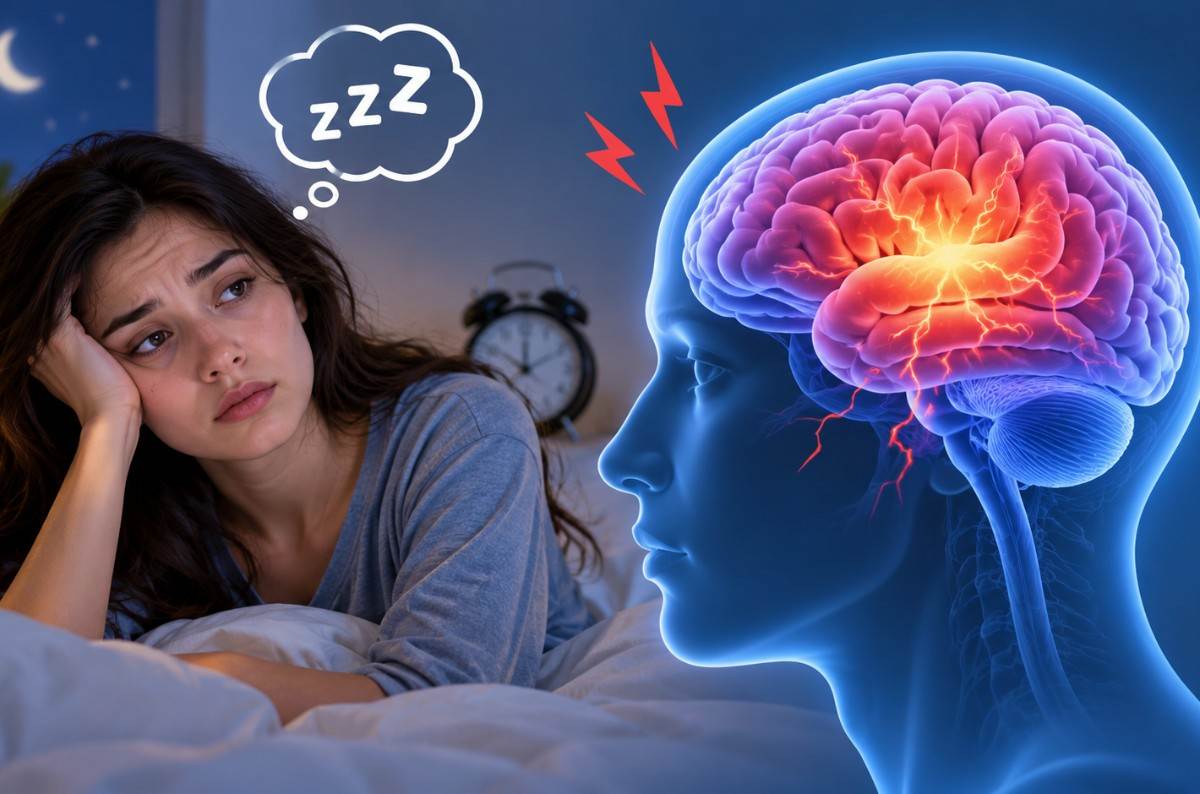
Sleep is essential for keeping your body healthy, but when you regularly stay up late or get fewer hours of rest than you need, your body can begin to feel the effects. You may notice difficulty concentrating, forgetfulness, mood changes, headaches, or constant tiredness the following day. Over time, insufficient sleep can affect much more than your energy levels.
The brain is one of the organs most immediately affected by lack of sleep. It relies on adequate sleep to support memory, concentration, decision-making, emotional regulation, and normal functioning. However, the effects do not stop at the brain. Long-term sleep deprivation can also affect the heart, immune system, metabolism, and other organs.
In this guide, we will explore which organ is most affected by lack of sleep, how sleep deprivation affects the body, and what you can do to improve your sleep habits.
What Organ Is Most Affected by Lack of Sleep?
The brain is particularly sensitive to sleep deprivation because it needs sufficient rest to process information, strengthen memories, regulate emotions, and maintain attention.
When you do not get enough sleep, your brain may struggle to perform everyday tasks efficiently. Even one night of poor sleep can make you feel less alert, while repeated sleep loss can affect your ability to think clearly and manage stress.
Sleep deprivation can affect several important brain functions:
- Memory: You may have difficulty remembering information or learning new things.
- Concentration: Staying focused on work, studies, or conversations can become harder.
- Decision-making: You may find it more difficult to assess situations and make sensible choices.
- Emotional control: Lack of sleep can make you more irritable, anxious, or emotionally sensitive.
- Reaction time: Your responses may become slower, increasing the risk of mistakes and accidents.
- Problem-solving: Tasks that require planning, reasoning, and creative thinking may feel more challenging.
Sleep deficiency can interfere with learning, focusing, reacting, and making decisions. It can also affect physical health and increase the risk of long-term health problems.
How Does Lack of Sleep Affect Other Organs?
Although the brain is strongly affected, sleep deprivation can influence several other organs and body systems. The extent of these effects depends on how much sleep you lose, how frequently it happens, and your overall health.
1. Brain
The brain is one of the first organs to show noticeable effects when you do not get enough sleep. During sleep, it supports learning, memory formation, emotional regulation, and other essential functions.
When sleep is repeatedly interrupted or shortened, you may experience brain fog, poor concentration, forgetfulness, and difficulty controlling your emotions. Severe sleep deprivation can also cause involuntary brief episodes of sleep called microsleeps, which can be dangerous while driving or operating machinery.
2. Heart
Your heart also depends on healthy sleep patterns. During normal sleep, your heart rate and blood pressure generally decrease, giving your cardiovascular system time to rest.
Regularly getting insufficient sleep is associated with a higher risk of high blood pressure, heart disease, and stroke. These risks are especially important for people who already have cardiovascular problems.
3. Immune System
Your immune system helps protect you from bacteria, viruses, and other harmful organisms. Sleep supports the normal functioning of immune cells and the body’s response to infections.
When you consistently sleep too little, your immune defenses may not work as effectively. This can make it harder for your body to respond to infections and maintain normal immune function.
4. Pancreas and Metabolism
Sleep helps regulate hormones and the way your body responds to insulin, which controls blood sugar levels.
Ongoing sleep deficiency can interfere with blood glucose regulation and is associated with a higher risk of type 2 diabetes. It can also affect hunger and fullness signals, potentially making you feel hungrier and contributing to weight gain.
5. Kidneys
The kidneys filter waste from the blood and help regulate fluid balance, electrolytes, and blood pressure. Their functions follow daily biological rhythms that are influenced by sleep and the body’s internal clock.
Chronic sleep deficiency has been associated with kidney disease, although this does not mean that a few nights of poor sleep will directly damage your kidneys. The relationship is complex and can involve blood pressure, diabetes, and other health factors.
What Happens to Your Body When You Don’t Get Enough Sleep?
The effects of sleep deprivation can vary depending on how long it lasts and how severe it is.
| Duration or pattern | Possible effects |
|---|---|
| After one poor night | Tiredness, irritability, reduced concentration, and slower reactions |
| After several nights of insufficient sleep | Increasing difficulty with memory, attention, decision-making, and emotional control |
| With ongoing sleep deficiency | Higher risk of high blood pressure, obesity, type 2 diabetes, heart disease, and other chronic health problems |
These are general patterns rather than fixed timelines. People respond differently to sleep loss, and existing health conditions can influence its effects.
How to Protect Your Brain and Body From Lack of Sleep
You do not need a complicated routine to start improving your sleep. A few consistent habits can make a meaningful difference.
- Maintain a regular sleep schedule: Go to bed and wake up at approximately the same time every day.
- Create a comfortable bedroom: Keep your sleeping environment dark, quiet, and comfortably cool.
- Limit screens before bed: Turn off electronic devices at least 30 minutes before bedtime.
- Reduce late-day caffeine: Avoid coffee, tea, energy drinks, and other caffeinated products in the afternoon or evening if they interfere with your sleep.
- Exercise regularly: Physical activity during the day can support better sleep.
- Get natural daylight: Spend time outdoors during the day, particularly in the morning.
- Avoid heavy meals close to bedtime: Allow time for digestion before lying down.
- Address persistent sleep problems: Speak with a healthcare professional if you regularly struggle to fall asleep, stay asleep, or feel rested.
These recommendations are consistent with sleep guidance from the CDC and the National Institute for Occupational Safety and Health.
When Should You See a Doctor?
Occasional poor sleep is common, but ongoing sleep difficulties deserve attention. Consider consulting a healthcare professional if you:
- Frequently struggle to fall asleep or remain asleep.
- Feel excessively sleepy during the day despite allowing enough time for sleep.
- Snore loudly, gasp, or repeatedly stop breathing during sleep.
- Experience persistent problems with concentration, mood, or daily functioning.
- Regularly depend on sleep medicines or other substances to fall asleep.
These symptoms may indicate an underlying sleep disorder, such as insomnia or obstructive sleep apnea, which may require assessment and treatment. If sleepiness makes driving unsafe, do not drive until you are alert. Seek medical advice for persistent or worsening symptoms.
FAQ’s
Can lack of sleep affect your heart?
Yes, chronic sleep deprivation is associated with high blood pressure and an increased risk of heart disease and stroke.
What happens to your brain when you don’t sleep enough?
Your brain may struggle to process information, form memories, maintain attention, and regulate emotions. You may also experience slower reaction times and daytime sleepiness.
Can lack of sleep damage your kidneys?
Long-term sleep deficiency is associated with kidney health problems, partly through its relationship with high blood pressure and diabetes. Occasional poor sleep does not necessarily cause kidney damage.
Can one night of no sleep affect your health?
Yes. One sleepless night can cause fatigue, irritability, poor concentration, and slower reaction times. Avoid driving if you feel sleepy.
Which body system is most affected by sleep deprivation?
The nervous system, particularly the brain, is strongly affected because sleep loss interferes with attention, memory, and emotional regulation. Other systems, including the cardiovascular and immune systems, can also be affected.
Can sleeping more on weekends make up for lost sleep?
Extra sleep may help reduce some effects of sleep loss, but it cannot reliably compensate for ongoing insufficient sleep. A consistent sleep schedule is a better long-term approach.
Does lack of sleep weaken the immune system?
Yes. Ongoing sleep deficiency can interfere with normal immune function and the body’s ability to respond to infections.
Can your body recover from lack of sleep?
Recovery sleep can improve alertness and help restore some functions affected by sleep loss. However, one long night of sleep may not fully reverse the effects of prolonged sleep deprivation. Maintaining a consistent sleep schedule is generally more helpful than relying on occasional catch-up sleep.
Is six hours of sleep enough?
For most adults, six hours is less than the recommended amount. Adults generally need at least seven hours of sleep each night, although individual needs vary. Teenagers and children need more.
Which organ is damaged first by sleep deprivation?
There is no single organ that is always damaged first. The brain often shows early functional effects, such as slower reactions and difficulty concentrating, while other body systems may also be affected. These effects do not necessarily mean permanent organ damage.
Conclusion
The brain is one of the organs most affected by lack of sleep, particularly when it comes to memory, concentration, decision-making, and emotional control. However, sleep is essential for the entire body, and regularly missing out on adequate rest can affect the heart, immune system, metabolism, and kidneys.
The best way to protect your health is to make sufficient, good-quality sleep a consistent part of your daily routine. If you regularly struggle to sleep or remain tired despite getting enough rest, seek professional medical advice rather than ignoring the problem.
Sources / References:
- National Heart, Lung, and Blood Institute (NHLBI)
- Centers for Disease Control and Prevention (CDC)
- Eunice Kennedy Shriver National Institute of Child Health and Human Development
Disclaimer:
This guide is for educational purposes only and does not replace professional medical advice, diagnosis, or treatment. Consult a qualified healthcare professional for persistent sleep problems or concerns about your health.
Also Read: