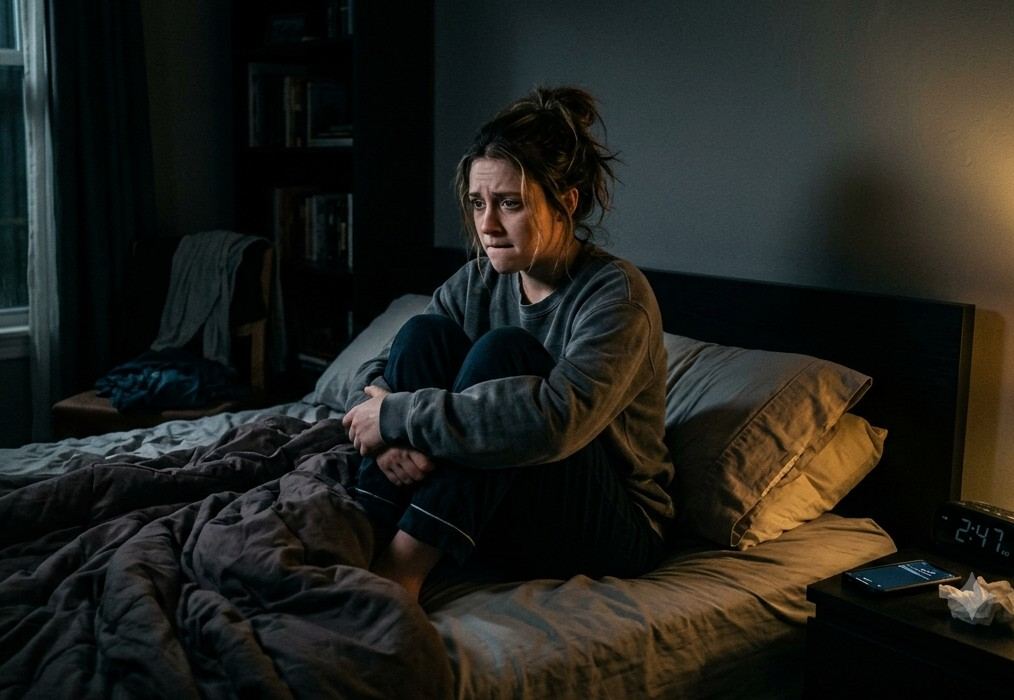
Anxiety at night can make it difficult to relax, fall asleep, or stay asleep. Just when the day becomes quiet and you finally have time to rest, your mind may start replaying conversations, worrying about tomorrow, or imagining things that could go wrong. Even small concerns can feel overwhelming when you are lying awake in bed.
If you experience nighttime anxiety, you are not alone. Stress, daily responsibilities, sleep problems, and certain mental health conditions can contribute to anxious feelings after dark. Sometimes, the lack of distractions at night makes worries more noticeable than they were during the day.
In this guide, we will explore the common causes of anxiety at night, its symptoms, 15 practical ways to calm your mind, and when to seek professional help.
What Is Anxiety at Night?
Anxiety at night refers to feelings of worry, fear, nervousness, or restlessness that occur or become more noticeable in the evening or when you are trying to sleep. It may involve worrying about personal problems, feeling uneasy without a clear reason, or experiencing physical symptoms such as a racing heart and tense muscles.
Nighttime anxiety is not a diagnosis on its own. It can occur occasionally during stressful periods or be associated with conditions such as generalized anxiety disorder, panic disorder, depression, or insomnia.
Some people feel anxious only when they get into bed, while others wake up during the night with racing thoughts or a sudden feeling of fear.
It is important to remember that experiencing anxiety at night does not automatically mean you have an anxiety disorder. The frequency, intensity, duration, and effect on your everyday life help determine whether further assessment is needed.
What Causes Anxiety at Night?
Several factors can contribute to anxiety after dark. In many cases, more than one factor is involved.
- Overthinking and Racing Thoughts: Replaying conversations, worrying about the future, or thinking about unresolved problems can make anxiety more noticeable at night.
- Daily Stress: Work pressure, financial difficulties, family responsibilities, and relationship problems can make it difficult to relax before bed.
- Lack of Sleep: Insufficient sleep can increase emotional sensitivity and make everyday worries feel more overwhelming.
- Caffeine Consumption: Drinking coffee, strong tea, or energy drinks late in the day can increase alertness, restlessness, and sleep difficulties.
- Major Life Changes: Events such as moving, starting a new job, becoming a parent, or experiencing a breakup can trigger nighttime anxiety.
- Anxiety Disorders: Conditions such as generalized anxiety disorder and panic disorder can cause persistent worry, fear, and nighttime distress.
- Fear of Not Falling Asleep: Worrying about getting enough sleep or feeling tired the next day can create additional pressure and make falling asleep harder.
- Hormonal Changes: Hormonal fluctuations during menstruation, pregnancy, the postpartum period, or menopause may affect mood and sleep in some people.
- Alcohol and Nicotine Use: Alcohol can disrupt sleep later in the night, while nicotine may increase alertness and contribute to restlessness.
- Medical Conditions: Thyroid problems, heart rhythm disturbances, and certain other health conditions can cause symptoms that resemble anxiety.
- Medication Side Effects: Some prescription medicines and supplements may contribute to nervousness, insomnia, or a racing heartbeat.
- Depression and Other Mental Health Conditions: Anxiety may occur alongside depression or other mental health conditions, sometimes making nighttime rest more difficult.
- Irregular Sleep Schedule: Frequently changing bedtime or wake-up times can disrupt your sleep-wake cycle and contribute to sleep difficulties.
- Excessive Screen Time: Stimulating videos, upsetting news, and late-night work messages can keep your mind active when you are trying to relax.
- Fear of Losing Control: Some people become anxious at night because quiet surroundings give them more time to focus on uncomfortable thoughts, physical sensations, or uncertainty.
Symptoms of Anxiety at Night
Nighttime anxiety can affect both your mind and body. Symptoms vary from person to person and may include:
- Racing thoughts or persistent worrying.
- Feeling restless, tense, or unable to relax.
- A racing or pounding heartbeat.
- Rapid breathing or a feeling of breathlessness.
- Sweating, trembling, or shaking.
- Tightness in the chest or tense muscles.
- Stomach discomfort, nausea, or digestive upset.
- Feeling uneasy even when nothing obvious is wrong.
- Difficulty falling asleep or staying asleep.
- Waking suddenly with fear or panic.
- Irritability, tiredness, or difficulty concentrating the next day.
- Fear that something bad is about to happen.
These symptoms can occur with anxiety, but they are not specific to anxiety alone. New, severe, or unexplained physical symptoms should not automatically be dismissed as stress.
Seek emergency medical help if you experience severe chest pain, significant difficulty breathing, fainting, or other potentially serious new symptoms. Do not assume they are caused by anxiety.
15 Ways to Reduce Anxiety at Night
You do not have to force yourself to stop worrying completely to feel calmer at night. The goal is to help your mind and body settle down, reduce unnecessary stimulation, and respond to anxious thoughts in a more manageable way.
1. Create a Relaxing Bedtime Routine
Give yourself 30–60 minutes to slow down before bed. You might take a warm shower, read a book, listen to gentle music, or spend a few minutes stretching.
A consistent routine helps you transition from the demands of the day to a quieter environment. Choose activities that feel comfortable rather than turning your bedtime routine into another task you must complete perfectly.
2. Practice Slow, Gentle Breathing
When anxiety rises, your breathing may become faster or shallower. Slowing it down gently can help you feel more settled.
Try this simple exercise:
- Sit or lie in a comfortable position.
- Breathe in slowly through your nose.
- Breathe out gently without forcing the air.
- Repeat for a few minutes, keeping your breathing comfortable.
You do not need to take unusually deep breaths or hold your breath. If you feel dizzy or more uncomfortable, return to your normal breathing.
3. Write Down Your Worries
Sometimes, anxious thoughts keep returning because you are afraid of forgetting something important.
Keep a notebook beside your bed or write in it earlier in the evening. List the concerns on your mind and, where possible, identify one small action you can take tomorrow.
For example, instead of repeatedly thinking about an unfinished task, write down the first step you will take in the morning. This can help separate nighttime worrying from practical problem-solving.
4. Set Aside a Daily Worry Period
If your mind becomes busy as soon as you lie down, try scheduling 10–15 minutes earlier in the day to think through your concerns.
During this time, identify what is worrying you, what you can control, and what may need to wait. When the same thought returns at bedtime, gently remind yourself that you have already made time to address it.
This technique is not about ignoring problems. It is about reducing the habit of trying to solve everything when you should be resting.
5. Reduce Caffeine in the Afternoon and Evening
Caffeine can remain in your system for several hours, although its effects vary from person to person.
If you experience nighttime anxiety, consider limiting coffee, strong tea, energy drinks, and other caffeinated products later in the day. You may find it helpful to reduce your intake gradually if you consume a lot of caffeine regularly.
Notice whether your sleep and anxiety improve after making this change.
6. Limit Screen Time Before Bed
Bright screens, stimulating videos, work messages, and upsetting news can make it harder to unwind.
Try putting your phone away at least 30 minutes before bedtime. If checking messages or social media makes you more anxious, consider extending this break.
You do not have to eliminate technology entirely. The aim is to avoid activities that keep your mind alert when you are preparing for sleep.
7. Keep a Consistent Sleep Schedule
Going to bed and waking up at approximately the same time every day can help regulate your sleep-wake cycle.
Choose a schedule that suits your daily responsibilities and allow enough time for sleep. Avoid making large changes to your sleep schedule whenever possible, including on weekends.
If you have a difficult night, try to return to your usual routine rather than worrying excessively about the lost sleep.
8. Try Progressive Muscle Relaxation
Anxiety can cause muscle tension that you may not even notice until you lie down.
Progressive muscle relaxation involves gently tensing and then releasing different muscle groups. You can begin with your hands, shoulders, face, and legs.
Tense each muscle group briefly without causing pain, then release it and notice the difference. Alternatively, simply focus on relaxing each area if tensing feels uncomfortable.
This practice may help you recognize physical tension and release some of it before sleep.
9. Make Your Bedroom Comfortable
Your sleeping environment can influence how easily you relax.
Keep your bedroom quiet, dark, and comfortably cool. Use bedding that feels comfortable and reduce unnecessary noise or light where possible.
If you regularly work, study, or scroll through stressful content in bed, consider moving those activities elsewhere. When practical, use your bed primarily for sleep so that it becomes more closely associated with rest.
10. Practice Mindfulness
Mindfulness means paying attention to the present moment without judging every thought or feeling that appears.
When anxious thoughts arise, notice them without trying to fight them. For example, you might think, “I am noticing a worry about tomorrow,” rather than treating the thought as proof that something bad will happen.
You can also focus on the feeling of your feet against the mattress, the weight of your body, or the sounds around you.
The purpose is not to empty your mind. It is to learn that you can notice a thought without following it into an endless chain of worries.
11. Avoid Using Alcohol to Fall Asleep
Alcohol may initially make you feel sleepy, but it can disrupt sleep later in the night. It may also worsen anxiety for some people.
Avoid relying on alcohol as a way to calm your mind or manage sleep difficulties. If you notice that alcohol is regularly followed by nighttime restlessness, consider discussing this pattern with a healthcare professional.
12. Get Regular Physical Activity
Walking, cycling, swimming, yoga, and other forms of physical activity can help manage stress and support better sleep.
Try to include movement in your daily routine, choosing an activity that suits your fitness level and health needs. If vigorous exercise close to bedtime makes you feel more alert, move it to an earlier part of the day.
You do not need an intense workout to get started. A comfortable daily walk can be a practical first step.
13. Avoid Checking the Clock Repeatedly
Looking at the time every few minutes can increase pressure to fall asleep. You may start calculating how little sleep you will get before morning, which can make you feel even more anxious.
Turn your clock away from view if checking it has become a habit. Remind yourself that resting quietly is more helpful than repeatedly judging how quickly you are falling asleep.
14. Get Out of Bed if You Feel Wide Awake
If you have been lying awake for a while and feel increasingly frustrated, consider getting out of bed.
Move to a dimly lit area and do something quiet, such as reading a few pages of a book or listening to a calm audio recording. Return to bed when you begin to feel sleepy.
This approach can help prevent your bed from becoming associated with prolonged worrying and frustration. You do not need to watch the clock or follow an exact number of minutes.
15. Talk to Someone You Trust
Anxiety can feel heavier when you try to manage everything alone.
Talking to a trusted friend, partner, family member, or counsellor may help you put your worries into perspective. You do not always need someone to solve your problems; sometimes, being heard is helpful in itself.
If nighttime anxiety continues despite self-care, a qualified mental health professional can help you identify triggers and develop strategies suited to your needs.
These strategies are based on established anxiety-management and sleep-hygiene guidance. They may help reduce symptoms, but they do not replace professional treatment when needed.
How to Calm Anxiety at Night When You Cannot Sleep
If you are lying awake with racing thoughts, try not to turn sleep into a test you must pass. Putting pressure on yourself to fall asleep immediately may increase frustration.
Instead, try the following simple sequence:
- Acknowledge what you feel. Tell yourself that you are experiencing anxiety and that the feeling may settle with time.
- Relax your body. Unclench your jaw, lower your shoulders, and let your hands rest comfortably.
- Slow your breathing gently. Focus on a comfortable, unforced breathing rhythm.
- Stop arguing with every thought. Notice the worry without trying to solve it immediately.
- Reduce the pressure to sleep. Give yourself permission to rest rather than constantly checking whether you are asleep yet.
- Change your environment if necessary. If you remain wide awake and frustrated, leave the bed briefly and return when you feel sleepy.
If you wake up with sudden fear or a pounding heart, remind yourself that anxiety can produce strong physical sensations. However, seek medical assessment for new, severe, or unexplained symptoms rather than automatically assuming they are anxiety-related.
Can Anxiety at Night Be a Sign of an Anxiety Disorder?
Yes, nighttime anxiety can occur as part of an anxiety disorder, but experiencing it at night does not automatically mean you have one.
Consider speaking with a healthcare professional if you regularly experience excessive worry, find it difficult to control anxious thoughts, feel constantly on edge, or struggle to fall asleep because of fear or worry.
Generalized anxiety disorder, for example, involves persistent and difficult-to-control worry about everyday situations. Panic disorder can involve repeated, unexpected panic attacks and ongoing fear about having another attack. Both conditions can affect sleep.
A professional can assess your symptoms, medical history, sleep patterns, and other possible contributing factors before recommending treatment.
When Should You Seek Professional Help for Nighttime Anxiety?
Occasional anxiety during a stressful period may improve as circumstances change. However, you should consider professional support when:
- Anxiety regularly prevents you from falling asleep or staying asleep.
- You feel exhausted or struggle to function during the day.
- You experience repeated episodes of intense fear or panic at night.
- Your worries interfere with work, relationships, or everyday responsibilities.
- You use alcohol or other substances to manage anxiety or fall asleep.
- Your symptoms are becoming more frequent or difficult to manage.
- Self-help strategies have not provided enough relief.
A primary care doctor can help evaluate physical causes of your symptoms and refer you to an appropriate mental health professional.
If you have thoughts of harming yourself or feel unable to keep yourself safe, seek urgent mental health support or go to the nearest emergency department. In an immediate medical emergency, contact your local emergency services.
How Is Anxiety at Night Treated?
Treatment depends on what is causing the anxiety, how severe it is, and how much it affects your sleep and daily life.
1. Cognitive Behavioral Therapy (CBT)
Cognitive behavioral therapy is an evidence-based form of psychotherapy that helps people recognize unhelpful thought patterns and develop healthier responses to worry.
For nighttime anxiety, a therapist may help you address catastrophic thinking, fear of not sleeping, and habits that reinforce anxiety around bedtime.
2. Medication
A healthcare professional may recommend medication when anxiety is persistent or significantly affects daily functioning. Depending on the condition, treatment may include certain antidepressants or other prescribed medicines.
Medication choice depends on your symptoms, medical history, and individual circumstances. Do not start, stop, or change medication without consulting your prescriber.
3. Treatment for Sleep Problems
If insomnia or another sleep disorder contributes to your anxiety, treating the sleep problem may be an important part of your care. Cognitive behavioral therapy for insomnia (CBT-I) is a structured treatment specifically designed to address persistent insomnia.
4. Lifestyle and Stress Management
Regular physical activity, a consistent sleep schedule, reduced caffeine intake, relaxation techniques, and social support can complement professional treatment.
For some people, a combination of therapy, lifestyle changes, and medication provides the most effective approach.
FAQ’s
Why does anxiety get worse at night?
Anxiety may feel worse at night because fewer distractions allow worries and racing thoughts to become more noticeable. Stress, caffeine, and poor sleep can also contribute.
Why do I feel anxious when I lie down?
When you lie down, daily distractions decrease, making it easier to focus on worries. Stress, fear of not sleeping, and physical tension may also contribute.
Can anxiety at night cause a racing heart?
Yes, anxiety can increase your heart rate and cause palpitations. However, a racing heart may have other causes, so new or unexplained symptoms should be medically evaluated.
Can anxiety at night cause insomnia?
Yes, nighttime anxiety can make it difficult to fall asleep or stay asleep. Poor sleep may then increase anxiety, creating a repeating cycle.
Why do I wake up feeling anxious at night?
Nighttime anxiety may be associated with stress, disturbing dreams, panic episodes, sleep disturbances, or underlying health conditions.
Does nighttime anxiety go away on its own?
Occasional anxiety may improve when stress decreases or sleep habits improve. Persistent anxiety may require professional support or treatment.
Can drinking water help with nighttime anxiety?
Drinking water may help if dehydration contributes to discomfort, but water is not a treatment for anxiety. Staying adequately hydrated throughout the day is generally sufficient.
Does magnesium help with anxiety at night?
Magnesium is important for normal body function, but evidence supporting magnesium supplements as a reliable treatment for nighttime anxiety remains limited. Consult a healthcare professional before taking supplements.
Can anxiety at night be a sign of depression?
Nighttime anxiety can occur alongside depression, but it does not necessarily indicate depression. Persistent sadness, hopelessness, or loss of interest may warrant professional assessment.
What is the best sleeping position for anxiety?
There is no single sleeping position proven to relieve anxiety. Choose a comfortable position that supports restful sleep and allows you to breathe easily.
What should I do during a nighttime panic attack?
Try to sit somewhere comfortable, breathe gently, and focus on your surroundings rather than fighting the sensations. If symptoms are new, severe, or potentially indicate a medical emergency, seek urgent medical care instead of assuming you are having a panic attack.
Final Thoughts
Anxiety at night can be exhausting, especially when you are tired but your mind refuses to slow down. Racing thoughts, physical tension, and worries about the next day can make bedtime feel stressful instead of restful.
Start with small, manageable changes. Build a relaxing bedtime routine, reduce caffeine later in the day, write down persistent worries, and practise gentle breathing. Remember that progress may take time, and one difficult night does not mean you are failing.
Sources and References
The following reputable medical and public health resources support the information in this article.
Disclaimer
This article is for educational purposes only and does not replace professional medical advice, diagnosis, or treatment. Consult a qualified healthcare professional for persistent anxiety, sleep problems, or concerning symptoms.
Also Read: