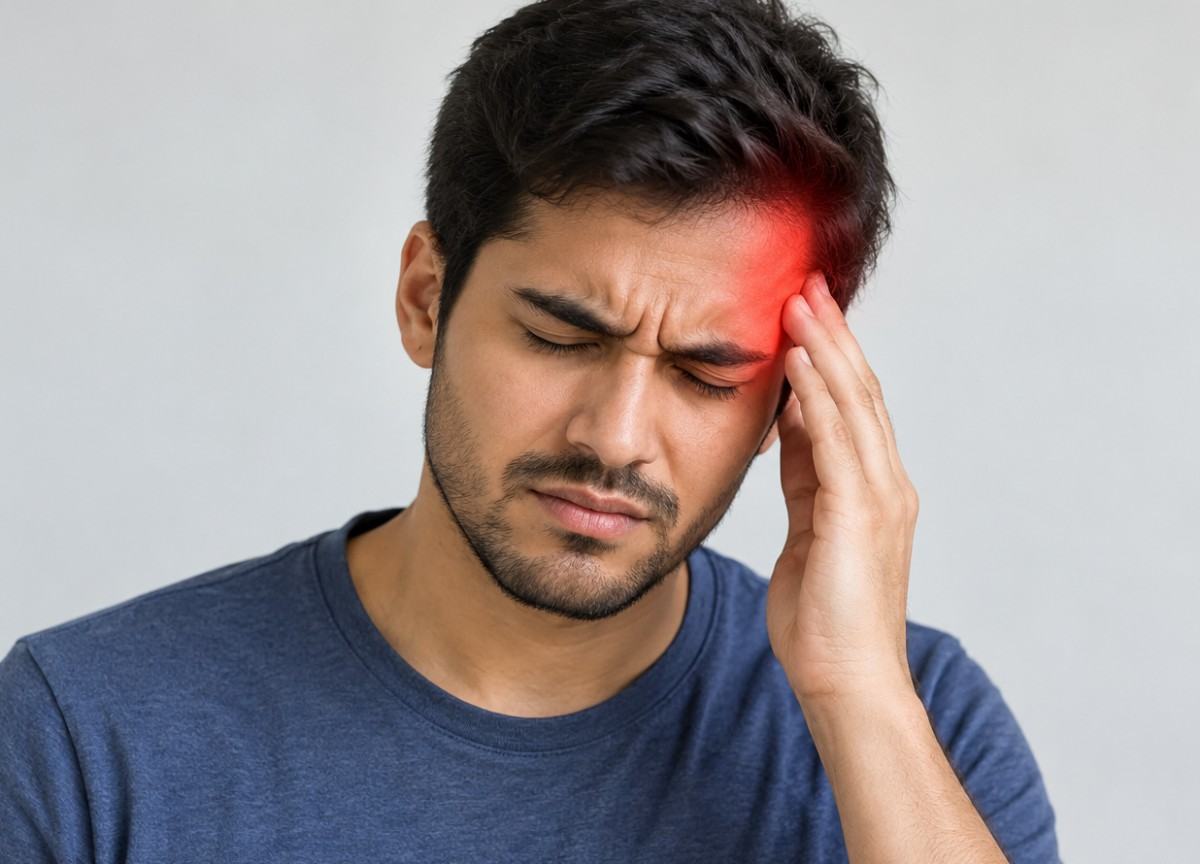
A headache on the left side of your head can feel like a dull ache, throbbing pain, pressure around the temple, or sharp pain behind the eye. Sometimes, it develops after a long day at work, poor sleep, dehydration, or stress. In other cases, it may be associated with migraine, tension-type headaches, sinus problems, or another medical condition.
If you are experiencing pain on the left side of your head, you may wonder whether it is something minor or a sign of a more serious health problem. The location of the pain can offer useful clues, but a left-sided headache does not automatically indicate a specific illness or mean that something is wrong with the left side of your brain.
The type of pain, how quickly it begins, how long it lasts, and whether you experience other symptoms can help determine its possible cause.
In this article, we explore 10 possible causes of a left-sided headache, symptoms to watch for, ways to find relief, and when to seek medical attention.
What Does a Left-Sided Headache Mean?
A left-sided headache means that the pain is mainly located on the left side of your head. It may affect your forehead, temple, area behind your left eye, scalp, or the back of your head.
Common causes include migraine, tension-type headaches, cluster headaches, neck muscle tension, and medication-overuse headaches. Pain may also be related to an infection, dental problem, or another underlying condition.
In many cases, the cause is not dangerous. However, the location alone cannot tell you whether a headache is harmless. A sudden, severe headache or pain accompanied by weakness, confusion, vision changes, or difficulty speaking requires urgent medical assessment.
10 Possible Causes of a Left-Sided Headache
The cause of a left-sided headache often depends on the pain pattern and any symptoms that occur alongside it. Here are 10 possible explanations.
1. Migraine
Migraine is one of the common causes of pain on one side of the head. The pain may feel throbbing or pulsating and can range from moderate to severe. It may affect the left side, the right side, or occasionally both sides.
Other symptoms may include nausea, vomiting, sensitivity to light and sound, and worsening pain during physical activity. Some people experience visual disturbances, flashing lights, or zigzag patterns before or during a migraine attack.
Migraine attacks may last for hours or several days. Common triggers include stress, disrupted sleep, hormonal changes, skipped meals, and certain environmental factors.
2. Tension-Type Headache
Tension-type headaches commonly cause a dull, aching sensation or a feeling of pressure around the head. Although they often affect both sides, some people may notice pain more prominently on the left.
You may also experience tightness or tenderness around the scalp, neck, and shoulders. Stress, poor sleep, prolonged screen use, and neck strain may contribute to these headaches.
If your left-sided headache feels more like pressure than throbbing, a tension-type headache is one possible explanation. However, symptoms alone cannot confirm the cause.
3. Cluster Headache
A cluster headache is a less common but extremely painful headache that usually affects one side of the head, particularly around or behind one eye.
The pain can feel sharp, burning, or piercing. It may occur alongside a red or watery eye, a blocked or runny nostril, facial sweating, or restlessness on the affected side.
Cluster headaches typically occur in repeated attacks lasting 15 minutes to three hours. Attacks may happen several times a day during a cluster period.
Severe pain around one eye, particularly if it keeps returning in a similar pattern, should be assessed by a healthcare professional.
4. Sinus Inflammation or Infection
Sinus inflammation can cause discomfort around the forehead, cheeks, and eyes. If the affected sinus area is on the left, you may notice more pressure or pain on that side.
Other symptoms can include nasal congestion, thick nasal discharge, a reduced sense of smell, and facial tenderness. Bending forward may increase the feeling of pressure.
However, not every headache accompanied by nasal congestion is a sinus headache. Migraine can also cause nasal symptoms, so persistent or severe pain should be evaluated rather than automatically attributed to sinus problems.
5. Neck Muscle Strain or Cervicogenic Headache
Sometimes, pain that seems to originate on the left side of your head actually starts in your neck. A cervicogenic headache is a headache caused by a problem involving the neck, such as certain joint or soft-tissue disorders.
The pain may begin near the base of the skull and spread toward the temple or forehead. Neck stiffness, reduced neck movement, and pain that changes with certain head positions may also occur.
Prolonged computer use, awkward sleeping positions, or neck injuries may contribute to neck discomfort. If the headache keeps returning or neck movement consistently triggers the pain, consult a healthcare professional.
6. Dehydration
Not drinking enough fluids can contribute to headaches. This may happen after spending time in hot weather, exercising heavily, sweating excessively, or experiencing vomiting or diarrhea.
A dehydration-related headache may affect different parts of the head, including the left side. You might also notice thirst, dry mouth, dark-colored urine, dizziness, or unusual tiredness.
Drinking water and replacing lost fluids may help if dehydration is the cause. If symptoms are severe, persistent, or accompanied by confusion or fainting, seek medical care.
7. Skipping Meals or Low Blood Sugar
Going for long periods without eating may trigger a headache in some people, particularly those who are susceptible to migraines.
You might notice the pain after missing breakfast, delaying lunch, or following an irregular eating schedule. Hunger, shakiness, sweating, weakness, or difficulty concentrating may occur as well.
Low blood sugar is particularly important for people who have diabetes and take insulin or certain glucose-lowering medicines. If you suspect low blood sugar, check your glucose if possible and follow your prescribed treatment plan.
Eating regular, balanced meals may help prevent headaches associated with skipped meals, but recurring headaches should not automatically be blamed on hunger.
8. Medication-Overuse Headache
Taking headache medicines too frequently can sometimes cause headaches to become more frequent or persistent. This is known as medication-overuse headache, sometimes called rebound headache.
The pain may occur on one side or across the entire head. It may become a regular problem in people who frequently use medicines for migraine or other headaches.
The risk depends on the medication and how often it is taken. If you need pain relief regularly or find that your headaches return as the medicine wears off, speak with a healthcare professional about safer long-term management. Do not abruptly stop prescribed medication without appropriate advice.
9. Dental Problems or Jaw Joint Disorders
Problems affecting your teeth or temporomandibular joint (TMJ), which connects your jaw to your skull, can sometimes cause pain that spreads toward one temple or side of the head.
Possible symptoms include jaw tenderness, clicking or discomfort when opening your mouth, pain while chewing, tooth sensitivity, or swelling around a tooth.
If your left-sided headache occurs alongside toothache or jaw pain, a dental examination may help identify the cause. Facial swelling with fever or difficulty swallowing requires prompt medical attention.
10. Less Common but Serious Medical Conditions
Occasionally, a headache on the left side can be associated with a serious condition, including bleeding in or around the brain, meningitis, stroke, or certain blood vessel disorders.
The location of the headache alone does not indicate that one of these conditions is present. However, the onset and accompanying symptoms are important.
Seek emergency medical care if the headache starts suddenly and becomes extremely severe, or if it occurs with weakness, numbness, difficulty speaking, confusion, fainting, loss of vision, fever with a stiff neck, or a seizure.
A new headache with a painful red eye or sudden vision changes also requires urgent assessment.
Left-Sided Headache Symptoms and What They May Suggest
The following table provides general clues, not a diagnosis.
| Symptom pattern | Possible explanation |
|---|---|
| Throbbing pain with nausea and light sensitivity | Migraine |
| Dull pressure with neck or shoulder tightness | Tension-type headache |
| Severe pain around one eye with tearing | Cluster headache |
| Facial pressure with congestion and nasal discharge | Sinus inflammation or infection |
| Pain linked to neck movement or stiffness | Neck-related headache |
| Headache after heat exposure or inadequate fluid intake | Possible dehydration |
| Frequent headaches with regular painkiller use | Medication-overuse headache |
| Sudden, extremely severe pain | Possible medical emergency |
If your symptoms do not fit these patterns, or if your headache is new or unusual, a medical assessment can help determine the cause.
How to Relieve a Left-Sided Headache at Home?
If your headache is mild, familiar, and not accompanied by warning signs, a few simple measures may help you feel better.
- Drink enough water: Replenish fluids, especially if you have been sweating or drinking less than usual.
- Rest in a quiet room: Reducing bright light and loud sounds may help, particularly during a migraine.
- Eat regular meals: Avoid skipping meals if hunger appears to trigger your headaches.
- Maintain a consistent sleep schedule: Both inadequate sleep and irregular sleeping patterns can contribute to headaches.
- Take breaks from screens: Look away from your computer or phone regularly and adjust your posture.
- Relax your neck and shoulders: Gentle movement or a warm compress may help if muscle tension contributes to the pain.
- Manage stress: Slow breathing, relaxation exercises, and regular physical activity may help reduce some recurring headaches.
- Use medicines carefully: Paracetamol or other appropriate pain relievers may help some headaches. Follow the label instructions and check with a pharmacist or clinician if you have medical conditions, take other medicines, or are unsure which option is safe for you.
If your headache is severe, repeatedly returns, worsens, or does not improve with appropriate self-care, arrange a medical assessment. Home remedies should never delay emergency care when warning signs are present.
When Should You See a Doctor for a Left-Sided Headache?
A left-sided headache does not always indicate a serious problem, but certain symptoms should not be ignored.
Seek emergency medical care if you experience:
- A sudden, extremely severe headache that reaches its peak within seconds or minutes.
- Weakness or numbness on one side of the body, facial drooping, or difficulty speaking.
- Confusion, fainting, seizures, or difficulty walking.
- Sudden loss of vision or a severe headache with a painful red eye.
- A headache with fever and a stiff neck.
- A worsening headache after a head injury.
Arrange a medical appointment if:
- Your headaches keep returning or are becoming more frequent.
- The pain is getting worse or differs from your usual headaches.
- Your headaches interfere with sleep, work, or everyday activities.
- You regularly need painkillers to manage the pain.
- The headache is associated with jaw pain while chewing or scalp tenderness, particularly if you are over 50.
A clinician can review your symptoms, medical history, and examination findings to determine whether treatment or further testing is needed.
How Is a Left-Sided Headache Diagnosed?
There is no single test that identifies the cause of every left-sided headache. Diagnosis usually begins with a detailed discussion of your symptoms and a physical examination.
Your healthcare professional may ask:
- When did the headache start?
- Did it begin suddenly or gradually?
- Is the pain sharp, dull, throbbing, or pressure-like?
- How long does it last, and how often does it occur?
- Do you experience nausea, vision changes, fever, or neck pain?
- Have you recently started any medicines or changed how often you take pain relievers?
Depending on the findings, the clinician may recommend a neurological examination, blood tests, or brain imaging. These tests are not necessary for every headache; they are selected according to the symptoms and the possibility of an underlying condition.
Can You Prevent Left-Sided Headaches?
Prevention depends on the cause, but healthy habits may help reduce the frequency of some headaches.
- Keep a headache diary to identify possible triggers.
- Drink fluids regularly throughout the day.
- Maintain consistent sleep and meal schedules.
- Exercise regularly, as tolerated.
- Take breaks from prolonged screen use and avoid poor posture.
- Identify personal migraine triggers without unnecessarily restricting your diet.
- Discuss preventive treatment with your clinician if headaches occur frequently.
A headache diary can include the date, duration, severity, location, associated symptoms, medicines taken, and possible triggers. This information may help your clinician identify patterns and recommend an appropriate treatment plan.
FAQ’s
Is a left-sided headache a sign of a stroke?
Not necessarily. However, a sudden headache accompanied by facial drooping, weakness, numbness, difficulty speaking, or vision loss requires emergency medical attention.
Why does the left side of my head hurt near my temple?
Pain near the left temple may be related to migraine, tension-type headaches, or jaw problems. New temple pain with scalp tenderness or jaw pain while chewing, especially after age 50, requires urgent medical assessment.
Why do I have a headache behind my left eye?
Pain behind the left eye may occur with migraine or cluster headaches. A painful red eye or sudden vision changes can indicate an urgent eye condition and should be assessed immediately.
Can stress cause a left-sided headache?
Yes. Stress can trigger or worsen migraine and tension-type headaches. Relaxation techniques, regular sleep, and stress management may help reduce some headaches.
Can dehydration cause a headache on the left side?
Yes. Dehydration can contribute to headaches affecting one or both sides of the head. Drinking enough fluids may help when dehydration is the cause.
Does a left-sided headache mean something is wrong with the brain?
No. Pain on the left side does not automatically indicate a brain problem. Many headaches are associated with migraine, muscle tension, or other common causes, but unusual symptoms should be evaluated.
Why does my left-sided headache keep coming back?
Recurring headaches may be associated with migraine, stress, sleep disturbances, missed meals, or frequent use of pain relievers. Keeping a headache diary and consulting a healthcare professional can help identify the cause.
Conclusion
A left-sided headache can have several causes, from migraine and tension-type headaches to dehydration, neck strain, and dental problems. The location of the pain alone is not enough to determine the underlying condition.
Pay attention to how the headache begins, how long it lasts, and whether other symptoms occur. Mild, familiar headaches may improve with rest, hydration, and appropriate self-care, while recurring or worsening headaches deserve medical evaluation.
Most importantly, seek emergency care for a sudden, extremely severe headache or pain accompanied by weakness, confusion, difficulty speaking, or sudden vision changes. Recognizing these warning signs can help you get the right care at the right time.
Sources / References:
Disclaimer:
This article is for educational purposes only and is not a substitute for professional medical advice, diagnosis, or treatment. Consult a qualified healthcare professional about persistent, severe, or unusual headaches. Seek emergency care for serious warning signs.
Also Read: