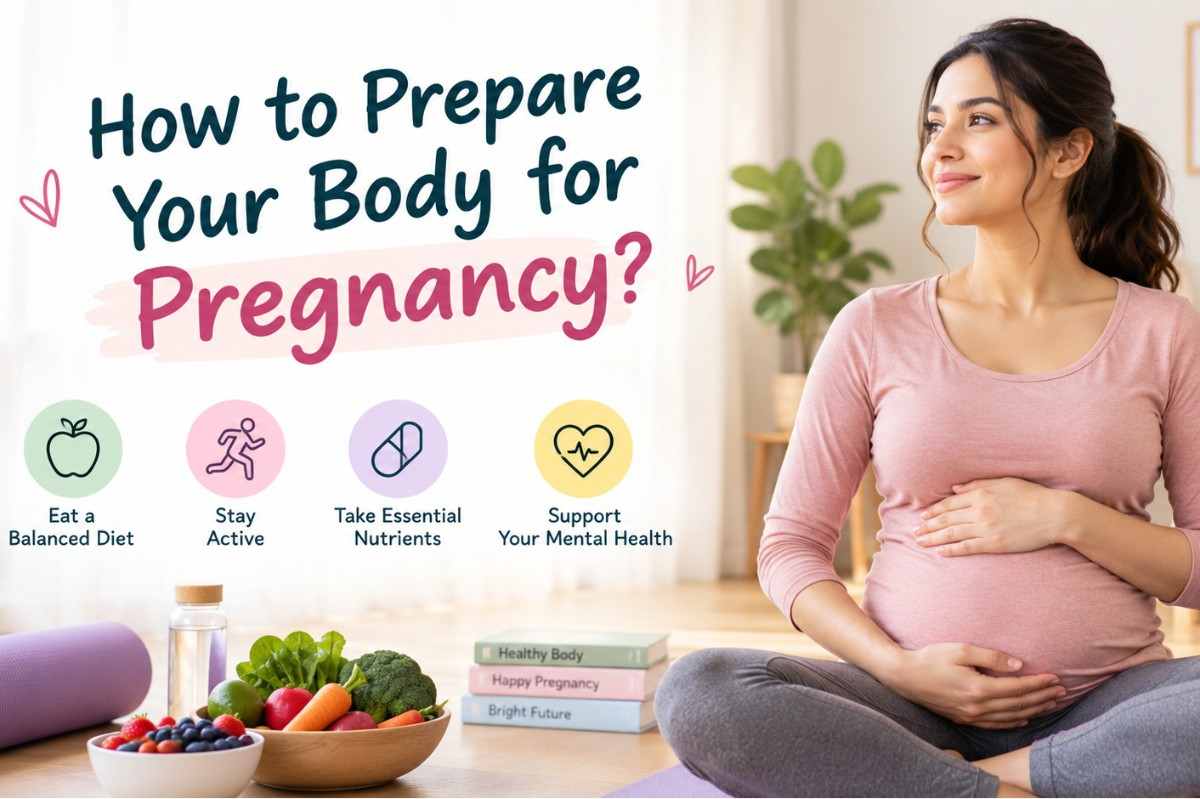
Preparing your body for pregnancy is about more than trying to conceive. It involves taking care of your physical health, improving your eating habits, reviewing your medications, and creating a healthy environment for yourself and your future baby. The steps you take before pregnancy can help reduce certain risks and give you a stronger foundation for a healthy pregnancy.
If you are planning to become pregnant in the next few months, you do not need to change everything overnight. Small, consistent habits can make a meaningful difference. Starting early also gives you time to identify health concerns, discuss fertility questions with your doctor, and address nutritional needs before pregnancy begins.
This guide explains how to prepare your body for pregnancy through practical lifestyle changes and evidence-based preconception care.
Why Is It Important to Prepare Your Body Before Pregnancy?
Preconception health refers to your physical and mental well-being before becoming pregnant. It includes managing existing health conditions, getting recommended vaccinations, taking appropriate supplements, and reviewing lifestyle habits that may affect pregnancy.
Preparing in advance matters because some important stages of a baby’s development occur during the first few weeks of pregnancy, sometimes before a person realizes they are pregnant.
Pre-pregnancy care can help you:
- Reduce the risk of certain birth defects.
- Identify and manage medical conditions before conception.
- Check whether your medications are suitable for pregnancy.
- Address nutritional deficiencies.
- Improve overall reproductive health.
- Understand your menstrual cycle and fertile window.
- Prepare emotionally and practically for parenthood.
If possible, schedule a preconception appointment around three months before you plan to start trying. You can begin earlier, particularly if you have a chronic medical condition, take regular medication, or have experienced previous pregnancy complications.
15 Essential Steps to Prepare Your Body for Pregnancy
1. Schedule a Pre-Pregnancy Health Checkup
One of the most useful first steps is booking an appointment with a gynecologist or another qualified healthcare professional.
A preconception checkup helps identify health issues that may need attention before pregnancy. Your provider may review your medical history, menstrual cycle, previous pregnancies, family history, medications, and vaccination records.
Depending on your circumstances, your doctor may recommend tests for anemia, diabetes, thyroid problems, sexually transmitted infections, or other conditions. Not everyone needs every test, so screening should be based on your health history and individual risk factors.
Bring a list of any symptoms, supplements, medicines, and questions you want to discuss.
2. Start Taking Folic Acid Before Conception
Folic acid is one of the most important supplements to consider when planning pregnancy. It is a form of vitamin B9 that helps support the early development of the baby’s brain and spinal cord.
For most people planning pregnancy, the standard recommendation is 400 micrograms (mcg) of folic acid daily, beginning at least one month before conception and continuing through the first 12 weeks of pregnancy.
Some people need a higher dose because of specific medical conditions, medications, or a previous pregnancy affected by a neural tube defect. A healthcare professional should determine whether a higher dose is appropriate.
You can also obtain folate from foods such as leafy green vegetables, beans, lentils, citrus fruits, and fortified grains. However, food alone may not reliably provide the recommended amount of folic acid for pregnancy planning.
Do not assume that taking several supplements together is better. Check the ingredients and doses with your healthcare provider.
3. Eat a Balanced, Nutrient-Rich Diet
Your body needs a variety of nutrients to support reproductive health and prepare for the demands of pregnancy. Instead of following a restrictive diet or relying on so-called fertility foods, focus on regular, balanced meals.
Try to include:
- Fruits and vegetables: Provide folate, vitamin C, fiber, and other essential nutrients.
- Whole grains: Foods such as oats, whole-wheat roti, and brown rice provide energy and fiber.
- Protein-rich foods: Include eggs, beans, lentils, dairy products, tofu, fish low in mercury, poultry, or other suitable protein sources.
- Healthy fats: Nuts, seeds, avocado, and appropriate vegetable oils help provide essential fatty acids.
- Calcium-rich foods: Milk, yogurt, calcium-fortified alternatives, and suitable other sources support bone health.
- Iron-rich foods: Lentils, beans, leafy greens, meat, and iron-fortified foods can help meet your iron needs.
Pairing plant-based iron sources with vitamin C-rich foods may improve iron absorption.
You do not need an expensive meal plan or special fertility diet. Consistency, variety, and adequate nutrition matter more than any single food.
4. Check Your Iron Levels if Needed
Iron helps your body produce hemoglobin, the protein in red blood cells that carries oxygen. Low iron levels and iron-deficiency anemia can affect your health and may need treatment before pregnancy.
Consider discussing iron testing with your doctor if you have heavy periods, persistent fatigue, dizziness, a history of anemia, or other risk factors.
Iron-rich foods include lentils, chickpeas, beans, leafy greens, meat, and fortified cereals. However, if you have an established deficiency, dietary changes alone may not be enough.
Avoid taking high-dose iron supplements without medical advice because unnecessary iron can cause side effects and may be harmful in some circumstances.
5. Work Toward a Healthy Weight Without Crash Dieting
Being significantly underweight or overweight can affect ovulation, fertility, and the risk of certain pregnancy complications. However, weight is only one part of overall health and does not determine whether someone can become pregnant.
If your weight may be affecting your health, ask your healthcare provider about a realistic plan before conception.
Focus on sustainable habits such as eating regular meals, staying physically active, sleeping adequately, and choosing nutritious foods. Avoid crash diets, extreme calorie restriction, and unregulated weight-loss products.
If you are already at a healthy weight, there is no need to pursue further weight loss simply because you want to become pregnant.
6. Exercise Regularly
Regular physical activity can improve cardiovascular health, support blood sugar regulation, reduce stress, and help maintain a healthy weight.
For most adults, a reasonable goal is at least 150 minutes of moderate-intensity physical activity per week, along with muscle-strengthening activities on two or more days.
Suitable activities may include:
- Brisk walking.
- Swimming.
- Cycling at a comfortable intensity.
- Dancing.
- Strength training with appropriate technique.
- Pregnancy-planning-friendly yoga or stretching.
If you are new to exercise, start gradually and build up your routine. If you participate in intense training or have a medical condition that affects exercise, ask your healthcare provider whether you need any adjustments.
Exercise can support general health, but no particular workout guarantees conception.
7. Stop Smoking and Avoid Alcohol When Trying to Conceive
Smoking can affect fertility and increase the risk of pregnancy complications. Secondhand smoke exposure is also worth minimizing.
Alcohol can harm a developing baby during pregnancy, and there is no established safe amount of alcohol during pregnancy. Because pregnancy may begin before you recognize it, avoiding alcohol while trying to conceive is the safest approach.
Avoid recreational drugs as well. If you smoke, drink heavily, or use substances regularly, seek professional support to help you stop safely. Some substances can cause withdrawal symptoms, so medical guidance may be important.
Your partner’s health matters, too. Smoking, heavy alcohol use, and recreational drug use can affect reproductive health and may contribute to fertility difficulties.
8. Review All Medications and Supplements
Some medications are unsuitable during pregnancy, while others are essential for keeping an existing condition under control. The goal is to make a safe plan before conception, not to stop treatment abruptly.
Ask your healthcare provider to review:
- Prescription medications.
- Over-the-counter pain relievers and other medicines.
- Herbal remedies and traditional preparations.
- Vitamins and prenatal supplements.
- Skin treatments and other products containing medicines.
Certain acne treatments, seizure medications, and other drugs may require special precautions or a change in treatment before pregnancy.
Never stop a prescribed medication on your own. Untreated health conditions can also pose risks, and your clinician can help weigh the benefits and potential harms of each treatment.
9. Check Your Vaccination Status
Some infections can cause serious complications during pregnancy. Reviewing your vaccination history before conception gives you time to receive any vaccines that are recommended for you.
Your doctor may discuss immunity to rubella and chickenpox, as well as other vaccines based on your health, location, and immunization history.
Some vaccines, including the MMR and chickenpox vaccines, are live vaccines and generally need to be given before pregnancy. You will need to follow the recommended waiting period after vaccination before trying to conceive.
Do not assume you need every vaccine or booster. Your clinician can check your records and advise you on the appropriate schedule.
10. Understand Your Menstrual Cycle and Fertile Window
Learning about your menstrual cycle can help you understand when pregnancy is most likely to occur.
Ovulation is the release of an egg from an ovary. The fertile window generally includes the five days before ovulation and the day of ovulation, because sperm can survive for several days in the reproductive tract while the egg remains viable for a much shorter period.
Ways to track your cycle include:
- Recording the first day of each menstrual period.
- Noting changes in cervical mucus.
- Using ovulation predictor kits.
- Looking for patterns in cycle length.
Ovulation apps estimate fertile days but cannot confirm exactly when you ovulate. Irregular periods, very long cycles, or missed periods may be reasons to consult a healthcare professional.
You do not have to track every detail if it creates stress. Having sex every two to three days throughout the cycle is another practical way to improve the chance of intercourse occurring during the fertile window.
11. Get Enough Sleep
Sleep supports physical recovery, emotional well-being, and normal metabolic function. Poor sleep may also make it harder to maintain healthy eating and exercise habits.
Most adults should aim for approximately seven to nine hours of sleep each night.
To improve your sleep routine:
- Go to bed and wake up at consistent times.
- Reduce caffeine late in the day.
- Limit stimulating screen use close to bedtime.
- Keep your bedroom quiet, dark, and comfortable.
- Discuss persistent insomnia or loud snoring with your healthcare provider.
Sleep is not a fertility treatment, and getting a particular number of hours does not guarantee pregnancy. It is simply an important part of taking care of your overall health.
12. Manage Stress and Support Your Mental Health
Trying to conceive can bring excitement, uncertainty, and pressure. Previous pregnancy loss, fertility difficulties, relationship concerns, or family expectations may make this period particularly challenging.
Stress management can help you feel better and cope with the process, although stress alone does not explain most fertility problems.
Helpful strategies include walking outdoors, talking with a trusted person, practicing relaxation techniques, pursuing enjoyable activities, and setting realistic expectations.
If you experience persistent anxiety, depression, panic, or difficulty functioning in daily life, speak with a healthcare professional. Mental health treatment can be an important part of preconception care, and many conditions can be managed with appropriate support.
13. Review Existing Health Conditions
Certain health conditions may need closer monitoring or treatment adjustments before pregnancy. These include diabetes, high blood pressure, thyroid disorders, epilepsy, asthma, kidney disease, and some mental health conditions.
If you have a chronic condition, ask your clinician:
- Is my condition adequately controlled for pregnancy?
- Do I need any tests before trying to conceive?
- Are my current medications appropriate?
- Should I see a specialist before pregnancy?
- What symptoms or warning signs should I watch for?
Getting a condition under control before conception may reduce some pregnancy risks. Do not delay necessary medical care or discontinue treatment because you are planning a baby.
14. Check Your Dental and Oral Health
Oral health is another useful part of preparing for pregnancy. Gum inflammation, tooth decay, and untreated dental problems can cause discomfort and may require treatment during pregnancy.
Brush twice daily with fluoride toothpaste, clean between your teeth, and schedule regular dental checkups. If you have tooth pain, bleeding gums, or a suspected infection, arrange a dental assessment rather than waiting until pregnancy.
Tell your dentist that you are planning to conceive so they can consider your medical history and treatment needs.
15. Reduce Exposure to Harmful Substances
Some chemicals and environmental exposures may affect reproductive health or pose risks during pregnancy. You do not need to eliminate every ordinary household product, but sensible precautions are worthwhile.
- Avoid tobacco smoke and recreational drug exposure.
- Follow label instructions when using cleaning products.
- Use appropriate protection when handling pesticides, solvents, or other hazardous chemicals.
- Wash fruits and vegetables before eating them.
- Follow food-safety guidance for raw or undercooked foods.
- Avoid eating paint chips or disturbing old paint that may contain lead.
- Ask about workplace exposures if you work with chemicals, radiation, or heavy metals.
If your work or living environment involves a known hazard, ask your healthcare provider or occupational health service how to reduce exposure.
What Should You Eat When Preparing for Pregnancy?
A varied diet is usually the best starting point. The following table gives examples of foods that can contribute useful nutrients to your diet.
| Food | Key nutrients | Why it helps |
|---|---|---|
| Lentils and beans | Folate, iron, protein | Support normal blood cell production and general nutrition |
| Spinach and other leafy greens | Folate, vitamin K | Contribute folate and other micronutrients |
| Eggs | Protein, choline, vitamin B12 | Support normal body functions and nutrient intake |
| Milk and yogurt | Calcium, protein, vitamin B12 | Support bone health and general nutrition |
| Nuts and seeds | Healthy fats, magnesium, protein | Add energy and useful nutrients |
| Citrus fruits and guava | Vitamin C, folate | Support normal immune function and iron absorption |
| Whole grains | Fiber, B vitamins | Help provide sustained energy and support digestive health |
| Low-mercury fish | Protein, omega-3 fats | Provide nutrients important for general health and fetal development |
Food requirements vary according to dietary preferences, allergies, medical conditions, and nutritional deficiencies. Vegetarian and vegan diets can support a healthy pregnancy, but vitamin B12, iron, iodine, calcium, vitamin D, and omega-3 intake may need particular attention.
A Simple Daily Routine Before Pregnancy
You do not need a complicated schedule to start preparing your body. A realistic routine might look like this:
- Morning: Eat a balanced breakfast, take your recommended folic acid supplement, and spend a few minutes planning your day.
- Afternoon: Include protein, vegetables, and whole grains in your meals. Take a short walk or fit in another form of moderate activity.
- Evening: Eat a balanced dinner, limit alcohol while trying to conceive, and prepare for a consistent bedtime.
- Throughout the day: Drink water regularly, avoid smoking, and take medications only as advised by your healthcare professional.
The aim is to build habits that are sustainable rather than follow a perfect routine for a few days.
How Long Does It Take to Prepare Your Body for Pregnancy?
There is no single preparation period that suits everyone. If possible, start preconception care about three months before you plan to conceive. This allows time to review your health, begin folic acid, update certain vaccinations, and make any recommended lifestyle or medication changes.
Some steps should begin earlier. For example, specific vaccines may require a waiting period before conception, and chronic medical conditions may take time to optimize.
If you are already trying to conceive, it is still worthwhile to start now. You do not need to wait several months simply because you have not completed every lifestyle change.
What Should You Avoid Before Pregnancy?
When preparing for pregnancy, avoid or discuss the following with your healthcare provider:
- Smoking, vaping nicotine, and recreational drug use.
- Alcohol while trying to conceive.
- Crash diets and extreme exercise routines.
- Unprescribed fertility medicines or hormone products.
- High-dose vitamin supplements without professional advice.
- Unverified herbal fertility remedies.
- Abruptly stopping prescribed medication.
- Delaying treatment for existing health conditions.
Also, avoid blaming yourself if conception does not happen quickly. Fertility is influenced by many factors, including age, ovulation, sperm health, reproductive conditions, and chance.
When Should You See a Fertility Specialist?
Many couples conceive without fertility treatment, but seeking medical advice at the appropriate time can help identify problems early.
General guidance recommends an infertility evaluation after:
- 12 months of regular, unprotected intercourse if the person trying to conceive is younger than 35.
- 6 months if the person trying to conceive is 35 or older.
People older than 40 may benefit from more immediate evaluation. You should also seek advice earlier if you have irregular or absent periods, known endometriosis, previous pelvic infections, recurrent pregnancy loss, a history of cancer treatment, or a known reproductive condition. A partner’s reproductive health should also be assessed when appropriate.
These are general guidelines, not reasons to delay care when you have a specific concern.
Final Thoughts
Preparing your body for pregnancy begins with caring for your health before conception. Start with a pre-pregnancy checkup, take the recommended amount of folic acid, eat a varied diet, stay active, review your medications, and avoid alcohol and smoking while trying to conceive.
Pay attention to existing medical conditions, vaccinations, sleep, and emotional well-being, too. If you have individual health concerns or a history of pregnancy complications, ask your healthcare provider for a plan tailored to you.
Most importantly, remember that preparation is about improving your health and addressing risks where possible. It cannot guarantee conception or a complication-free pregnancy, and you do not need to make every change at once.
FAQ’s
How many months before pregnancy should I prepare?
Ideally, begin preconception care around three months before trying to conceive. Some steps, such as starting folic acid, should begin at least one month before conception, while certain medical or vaccination needs may require more time.
Do I need to stop my medications before trying to conceive?
Not necessarily. Some medications need to be changed before pregnancy, while others are important to continue. Have your clinician review all prescriptions, over-the-counter medicines, supplements, and herbal products before making changes.
Which vitamins should I take before pregnancy?
Folic acid is recommended for most people planning pregnancy. Your doctor may also recommend iron, vitamin D, vitamin B12, iodine, or other supplements depending on your diet and health needs.
Does folic acid help you get pregnant faster?
Folic acid is not a fertility treatment and does not directly make conception happen faster. It helps reduce the risk of neural tube defects in a developing baby when taken before conception and during early pregnancy.
Can exercise improve fertility?
Regular moderate exercise supports general health and may help with certain factors associated with fertility. However, excessive exercise combined with inadequate food intake can disrupt menstrual cycles and ovulation.
Should I stop drinking alcohol when trying to conceive?
Yes, avoiding alcohol while trying to conceive is the safest choice because pregnancy can begin before you know it. Alcohol exposure during pregnancy can harm a developing baby.
Can I drink coffee while planning pregnancy?
You can discuss your caffeine intake with your healthcare provider. During pregnancy, many guidelines recommend limiting caffeine to 200 mg per day or less.
How can I naturally improve my chances of getting pregnant?
Understand your menstrual cycle, have sex every two to three days, maintain balanced nutrition, avoid smoking, limit harmful exposures, and address any underlying health conditions. No natural method guarantees pregnancy.
How do I know if my body is ready for pregnancy?
A preconception appointment can help assess your overall health, medications, vaccinations, menstrual history, and nutritional needs. There is no single test that can guarantee a healthy pregnancy.
Can I prepare for pregnancy if I have irregular periods?
Yes, but irregular periods may indicate irregular ovulation or an underlying condition. Consult a healthcare professional to identify possible causes and discuss appropriate treatment.
Does body weight affect pregnancy?
Being significantly underweight or overweight may affect ovulation and increase certain pregnancy risks. A healthcare professional can help you work toward a healthy weight without extreme dieting.
Should my partner prepare for pregnancy, too?
Yes. Both partners can support reproductive health by eating well, avoiding smoking and recreational drugs, limiting alcohol, reviewing medications, and seeking medical advice when needed.
Can I take prenatal vitamins before pregnancy?
Yes, prenatal vitamins may be useful before conception, particularly for folic acid. Choose an appropriate product with your healthcare provider and avoid excessive doses of individual vitamins, especially vitamin A in the form of retinol.
Sources and References:
- Centers for Disease Control and Prevention (CDC)
- American College of Obstetricians and Gynecologists (ACOG)
- National Institutes of Health (NICHD)
- MedlinePlus
- NHS
About the Author: Written by: Kirti Solanki (Health Content Researcher)
Kirti Solanki creates reader-friendly health content using established medical references to help readers make informed decisions about wellness and pregnancy preparation.
Disclaimer:
This article is for educational purposes only and does not replace personalized medical advice, diagnosis, or treatment. Consult a qualified healthcare professional before changing medications, starting supplements, or making decisions about pregnancy.
Also Read: