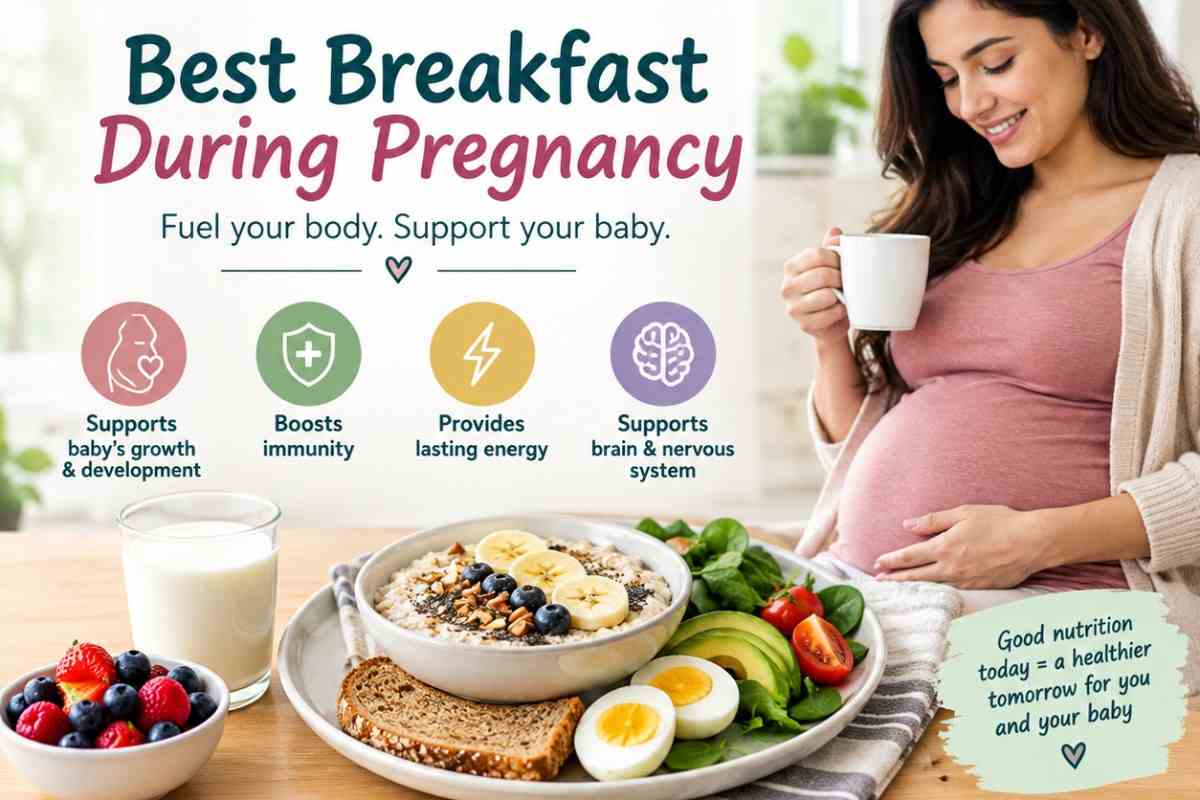
Pregnancy is a time when your nutritional needs change, and starting your day with a balanced breakfast can help you feel nourished and energized. Whether you prefer a bowl of warm oatmeal, vegetable poha, whole-wheat toast, fresh fruit, or eggs, the best breakfast during pregnancy is one that provides a combination of protein, fiber, healthy fats, vitamins, and minerals.
You do not need to prepare an expensive or complicated meal to eat well during pregnancy. Simple homemade foods can provide many of the nutrients needed to support your health and your baby’s growth. The key is to choose a variety of foods and make breakfast work with your appetite, food preferences, and stage of pregnancy.
In this guide, you’ll discover the best breakfast foods during pregnancy, easy meal combinations, breakfast options, foods to be careful with, and practical tips for mornings when nausea or a lack of appetite makes eating difficult.
Why Is Breakfast Important During Pregnancy?
A nutritious breakfast helps you begin the day with energy and contributes to your overall nutrient intake. It is also an opportunity to include foods that provide protein, calcium, iron, folate, and fiber.
Here are some reasons to make breakfast part of your pregnancy routine:
- Supports your baby’s growth: Protein and other essential nutrients contribute to your baby’s developing tissues and organs.
- Provides energy: Whole grains, fruit, and other carbohydrate-rich foods help fuel your daily activities.
- Adds important nutrients: Eggs, dairy products, legumes, fruits, and vegetables provide different vitamins and minerals.
- May help manage morning nausea: Some pregnant people tolerate small, bland meals better than an empty stomach.
- Supports digestive health: Fiber-rich foods such as oats, whole-wheat bread, fruit, and beans may help relieve constipation.
- Helps establish regular eating habits: A balanced breakfast can make it easier to spread food intake throughout the day.
Breakfast does not need to be large to be nutritious. If you feel full quickly, start with a small portion and eat more later when your appetite improves.
15 Best Breakfast During Pregnancy for Essential Nutrients
The following foods offer different nutritional benefits. You can combine them according to your taste, appetite, dietary preferences, and medical needs.
1. Oatmeal
Oatmeal is a convenient whole-grain breakfast that provides carbohydrates and fiber. Prepare it with pasteurized milk or a calcium-fortified alternative, then add banana, berries, or a few nuts for extra nutrients.
Best combination: Oats, milk, banana, and walnuts.
2. Eggs and Whole-Wheat Toast
Eggs provide protein and choline, a nutrient involved in fetal brain and spinal cord development. Whole-wheat toast adds fiber and energy. Cook eggs until both the whites and yolks are firm.
Best combination: Fully cooked eggs, whole-wheat toast, and a piece of fruit.
3. Plain Yogurt With Fruit
Pasteurized, plain yogurt provides protein and calcium. Adding fresh fruit and oats makes it more filling and contributes fiber and vitamins.
Best combination: Plain yogurt, washed berries, and rolled oats.
4. Vegetable Poha
Poha is a familiar Indian breakfast made from flattened rice. Add peas, carrots, and other vegetables to increase its nutritional variety. Peanuts can contribute protein and healthy fats if you tolerate them.
Best combination: Vegetable poha, peanuts, and pasteurized milk or plain yogurt.
5. Moong Dal Chilla
Moong dal chilla is a savory pancake made from ground mung beans. It provides plant-based protein and some iron, making it a useful option for vegetarian pregnancies.
Best combination: Moong dal chilla with cooked vegetables and pasteurized yogurt.
6. Vegetable Upma
Upma is easy to customize with carrots, peas, beans, and other vegetables. Semolina provides carbohydrates, while the vegetables add fiber and micronutrients. Whole-wheat or other whole-grain versions can offer more fiber.
Best combination: Vegetable upma with a side of yogurt.
7. Fortified Breakfast Cereal
Some breakfast cereals are fortified with iron, folic acid, and other vitamins. Choose a whole-grain variety with little added sugar, and check the nutrition label.
Best combination: Fortified cereal, pasteurized milk, and fresh fruit.
8. Whole-Wheat Avocado Toast
Avocado provides unsaturated fats and fiber, while whole-wheat bread supplies carbohydrates. Add a fully cooked egg or pasteurized cottage cheese for extra protein.
Best combination: Whole-wheat toast, avocado, and cooked egg.
9. Fresh Fruit With Nuts
Fruits provide vitamins, minerals, water, and fiber. Nuts add healthy fats and some protein. Because fruit alone may not keep you full for long, pair it with yogurt, milk, or whole-grain toast.
Best combination: Banana or apple, a handful of nuts, and plain yogurt.
10. Vegetable and Paneer Sandwich
A sandwich made with whole-wheat bread, vegetables, and fresh paneer can provide carbohydrates, protein, and calcium. Use pasteurized milk paneer, keep it properly refrigerated, and wash the vegetables thoroughly.
Best combination: Whole-wheat bread, paneer, cucumber, and tomato.
11. Vegetable Dalia
Broken-wheat dalia is a whole-grain-style breakfast option when prepared from whole wheat. It supplies carbohydrates and fiber, and adding vegetables and lentils can improve its nutritional balance.
Best combination: Savory dalia with peas, carrots, and moong dal.
12. Idli With Sambar
Idli is a soft, steamed breakfast made from fermented rice and lentil batter. Sambar adds lentils and vegetables, providing a more balanced meal than idli alone.
Best combination: Idli, vegetable-rich sambar, and a modest portion of chutney.
13. Chickpea Salad or Chaat
Well-cooked chickpeas provide plant protein, fiber, and iron. Combine them with washed vegetables and lemon juice. If raw vegetables worsen nausea or heartburn, use cooked vegetables instead.
Best combination: Cooked chickpeas, tomato, cucumber, and lemon.
14. Roti With Cooked Vegetables
Whole-wheat roti paired with cooked vegetables is a practical homemade breakfast. Add dal, beans, or pasteurized curd to increase protein and round out the meal.
Best combination: Whole-wheat roti, vegetable sabzi, and dal or curd.
15. Peanut Butter Toast
Peanut butter provides protein and unsaturated fats, while whole-grain toast contributes energy and fiber. Choose a variety with little or no added sugar and salt.
Best combination: Whole-grain toast, peanut butter, and banana slices.
These foods are not a ranking of medically superior choices. Each offers different nutrients, and rotating between them can help you maintain a varied diet.
Best Indian Breakfast During Pregnancy
You do not have to switch to unfamiliar foods to eat healthily during pregnancy. Many everyday Indian meals can fit into a balanced pregnancy diet when prepared safely and combined thoughtfully.
Here are some practical choices:
| Breakfast | How to make it more balanced |
|---|---|
| Poha | Add peas, vegetables, and peanuts |
| Moong dal chilla | Serve with pasteurized curd |
| Idli and sambar | Include plenty of lentils and vegetables in the sambar |
| Vegetable upma | Add vegetables and a protein-rich side |
| Stuffed paratha | Use a vegetable or paneer filling and moderate the oil |
| Dalia | Prepare with milk or add lentils and vegetables |
| Besan chilla | Include vegetables and serve with yogurt |
| Roti and sabzi | Add dal, beans, or curd |
| Oats porridge | Add fruit, nuts, and pasteurized milk |
| Vegetable dosa | Serve with sambar for extra protein and fiber |
The aim is not to make every meal perfect. Instead, try to include a grain or other energy source, a protein-rich food, and fruit or vegetables when possible.
What Should a Healthy Pregnancy Breakfast Contain?
A balanced breakfast can include several food groups rather than relying on just one food.
1. Whole grains and carbohydrates:
Oats, whole-wheat bread, dalia, and whole-grain cereals provide energy and fiber. Fiber can be especially helpful if constipation develops during pregnancy.
2. Protein-rich foods:
Include fully cooked eggs, lentils, beans, paneer, nuts, or yogurt. Protein supports the growth and development of your baby.
3. Fruits and vegetables:
Fruits and vegetables supply vitamins, minerals, and fiber. Wash them thoroughly under running water before eating or preparing them.
4. Calcium-rich foods:
Pasteurized milk, yogurt, and paneer can provide calcium, which is important for developing bones and teeth.
5. Healthy fats:
Nuts, seeds, and avocado provide unsaturated fats. Walnuts and ground flaxseed also provide plant-based omega-3 fatty acids.
Folic acid, iron, iodine, choline, vitamin D, calcium, and other nutrients are important during pregnancy. However, no single breakfast supplies everything you need. Food choices should complement your prenatal supplements and your clinician’s advice.
Best Breakfast During Pregnancy by Trimester
Your appetite and food tolerance may change as pregnancy progresses. You can adapt your breakfast without following a rigid trimester-specific menu.
First Trimester: Weeks 1–12
Nausea, food aversions, and tiredness may make breakfast difficult, especially in the early weeks.
Try these options:
- Plain whole-wheat toast or crackers if you feel nauseated upon waking.
- A small bowl of oatmeal or dalia.
- A banana with plain yogurt.
- A small serving of idli with mild sambar.
- A fully cooked egg with toast, if you tolerate eggs.
Practical tip: If a full breakfast feels overwhelming, eat a small amount first and have the rest later. Try to keep fluids going throughout the day.
Second Trimester: Weeks 13–27
Your appetite may improve during the second trimester, although this varies from person to person. This is a good time to build a consistent routine with a variety of nutritious foods.
Try these options:
- Moong dal chilla with yogurt.
- Vegetable poha with peanuts.
- Oatmeal with milk and nuts.
- Whole-wheat toast with fully cooked eggs.
- Vegetable upma with a protein-rich side.
Practical tip: Rotate your protein sources and include iron-rich foods such as lentils, beans, and iron-fortified cereals.
Third Trimester: Weeks 28–Birth
As your baby grows, you may feel full more quickly or experience heartburn. Smaller meals may feel more comfortable than a large breakfast.
Try these options:
- A small bowl of oats with milk.
- Idli with sambar.
- Whole-wheat toast with peanut butter.
- A small serving of dalia with vegetables.
- Yogurt with fruit and oats.
Practical tip: Eat slowly and avoid lying down immediately after meals if you experience reflux. If you are frequently unable to eat enough, discuss it with your healthcare professional.
These suggestions are flexible meal ideas, not strict rules for each trimester. Your individual nutritional needs depend on your health, pregnancy, and overall diet.
Breakfast During Pregnancy for Morning Sickness
Morning sickness can happen at any time of day, and it can make the thought of food unpleasant. The smell of cooking, oily foods, or strongly seasoned meals may be difficult to tolerate.
If you experience nausea, try these approaches:
- Start small: Eat a few plain crackers or a piece of dry toast before getting out of bed if that helps you.
- Choose mild foods: Plain toast, simple porridge, or idli may be easier to tolerate than spicy or greasy dishes.
- Eat smaller portions: Several small meals may feel more manageable than three large meals.
- Try cool foods: Chilled fruit or yogurt may have a less noticeable smell than hot food.
- Sip fluids regularly: Drink water in small amounts throughout the day if large drinks make nausea worse.
- Avoid personal triggers: You do not need to force yourself to eat a particular healthy food if its smell or texture makes you feel sick.
If you cannot keep fluids down, have very little urine, feel faint, or are losing weight, contact your healthcare professional promptly. Severe pregnancy nausea may require treatment.
A Simple 7-Day Pregnancy Breakfast Plan
Here is an easy weekly plan you can adapt to your appetite and available ingredients.
| Day | Breakfast | Nutritional Benefits |
|---|---|---|
| Monday | Oatmeal with pasteurized milk, banana, and walnuts | Provides fiber, calcium, energy, and healthy fats |
| Tuesday | Moong dal chilla with pasteurized yogurt | Provides protein, iron, and calcium |
| Wednesday | Vegetable poha with peas and peanuts | Provides carbohydrates, plant protein, and some fiber |
| Thursday | Fully cooked eggs with whole-wheat toast and an orange | Provides protein, choline, fiber, and vitamin C |
| Friday | Idli with vegetable-rich sambar | Provides carbohydrates, plant protein, and fiber |
| Saturday | Vegetable dalia with a side of pasteurized curd | Provides energy, fiber, protein, and calcium |
| Sunday | Whole-wheat paneer sandwich with washed vegetables | Provides protein, calcium, and vitamins |
Tips for following this plan:
- Drink water regularly throughout the day.
- Wash fruits and vegetables thoroughly and use pasteurized dairy products.
- Cook eggs and other foods thoroughly.
- Adjust portions according to your appetite and nutritional needs.
- Consult your healthcare professional for personalized advice, especially if you have gestational diabetes, anemia, or persistent morning sickness.
You can swap meals between days, repeat your favorites, or replace ingredients you cannot tolerate. Add fruit, milk, or another suitable food when you need more variety or a larger meal.
This plan is a general example, not an individualized nutrition prescription. If you have gestational diabetes, anemia, food allergies, significant nausea, or another medical condition, your clinician or registered dietitian may recommend specific adjustments.
Breakfast Foods to Avoid During Pregnancy
Most common breakfast foods can be part of a healthy pregnancy diet, but preparation and food safety matter.
- Raw or undercooked eggs: Cook eggs thoroughly unless you are using eggs specifically treated to make them safe for the intended raw or lightly cooked preparation.
- Unpasteurized milk and dairy products: Choose pasteurized milk, yogurt, and other dairy products to reduce the risk of foodborne infection.
- Unwashed fruit and vegetables: Wash produce thoroughly under running water before eating or cutting it.
- Raw sprouts: Avoid raw or lightly cooked sprouts because bacteria can grow inside them; cook them thoroughly.
- High-sugar breakfast foods: Limit frequent reliance on sugary cereals, pastries, and sweetened drinks, especially if they displace more nutritious foods.
- Excessive caffeine: Keep total caffeine intake within the pregnancy limit recommended by your healthcare professional. The NHS and RCOG advise no more than 200 mg per day.
- Unverified herbal drinks and supplements: Do not assume herbal teas, powders, or concentrated extracts are safe during pregnancy; check with your clinician.
Avoid alcohol during pregnancy and follow current local food-safety guidance. For a more complete list of foods to avoid, consult the NHS pregnancy food-safety guide.
Tips for Making Pregnancy Breakfast Easier
A healthy breakfast does not have to take a lot of time. A few simple habits can make mornings easier, especially when you are tired or managing pregnancy symptoms.
- Prepare ingredients the night before: Soak lentils for chilla, wash produce, or portion out oats in advance.
- Keep quick options available: Whole-grain bread, bananas, plain yogurt, nuts, and suitable breakfast cereals can help on busy mornings.
- Pair carbohydrates with protein: Add yogurt to poha, lentils to idli or dosa, or eggs to toast.
- Eat according to your appetite: Start with a smaller serving if you feel full quickly and eat more later if needed.
- Drink water regularly: Keep a glass or bottle nearby and sip throughout the day.
- Follow your prenatal supplement plan: Breakfast supports your nutrition, but it does not replace prescribed prenatal vitamins or supplements.
- Avoid unnecessary dietary restrictions: Unless your clinician advises otherwise, aim for variety rather than eliminating entire food groups without a reason.
A healthy pregnancy diet should be practical, enjoyable, and suitable for your individual needs.
FAQ’s
What should I eat first thing in the morning during pregnancy?
Choose a balanced breakfast with protein, whole grains, and fruit. If you experience morning sickness, start with plain crackers or dry toast and eat more when you feel comfortable.
Which Indian breakfast is best during pregnancy?
Moong dal chilla, vegetable poha, idli with sambar, vegetable dalia, and besan chilla are healthy options that provide energy and important nutrients.
Is poha good for pregnant women?
Yes, poha can be part of a healthy pregnancy diet. Add vegetables, peas, and peanuts to increase its nutritional value and make the meal more balanced.
Can I eat eggs every day during pregnancy?
Eggs can be included regularly in a balanced diet if you tolerate them and have no relevant medical restrictions. Cook them thoroughly and vary your protein sources.
Are oats good for pregnancy?
Yes, oats provide carbohydrates and fiber. Preparing them with pasteurized milk and adding fruit, nuts, or seeds can make breakfast more nutritious.
What is the best breakfast for pregnancy nausea?
Plain toast, crackers, oatmeal, bananas, and other mild foods may be easier to tolerate. Try small portions and avoid foods or smells that trigger nausea.
Is fruit enough for breakfast during pregnancy?
Fruit provides vitamins, minerals, and fiber, but it may not provide enough protein to make a complete breakfast. Pair it with yogurt, milk, nuts, or whole-grain toast.
Is milk good for breakfast during pregnancy?
Yes, pasteurized milk provides protein and calcium. You can add it to oatmeal, drink it alongside breakfast, or choose a calcium-fortified alternative if you do not consume dairy.
Do I need prenatal vitamins if I eat a healthy breakfast?
A healthy diet is important, but it may not provide every nutrient needed during pregnancy. Follow your healthcare professional’s advice about prenatal vitamins, folic acid, iron, and other supplements.
Conclusion
The best breakfast during pregnancy is a balanced, safe, and satisfying meal that fits your appetite and daily routine. Oatmeal, eggs, yogurt, moong dal chilla, vegetable poha, idli with sambar, and whole-wheat toast are all practical choices.
Focus on variety rather than finding one perfect food. Include whole grains, protein, fruits or vegetables, and calcium-rich foods throughout your diet, and follow your healthcare professional’s advice about supplements and any pregnancy-related dietary restrictions.
Sources / References:
- American College of Obstetricians and Gynecologists (ACOG)
- NHS
- U.S. Food and Drug Administration (FDA)
- World Health Organization (WHO)
Disclaimer
This article is for educational purposes only and does not replace professional medical advice. Consult your healthcare professional for personalized pregnancy nutrition guidance.
Also Read: