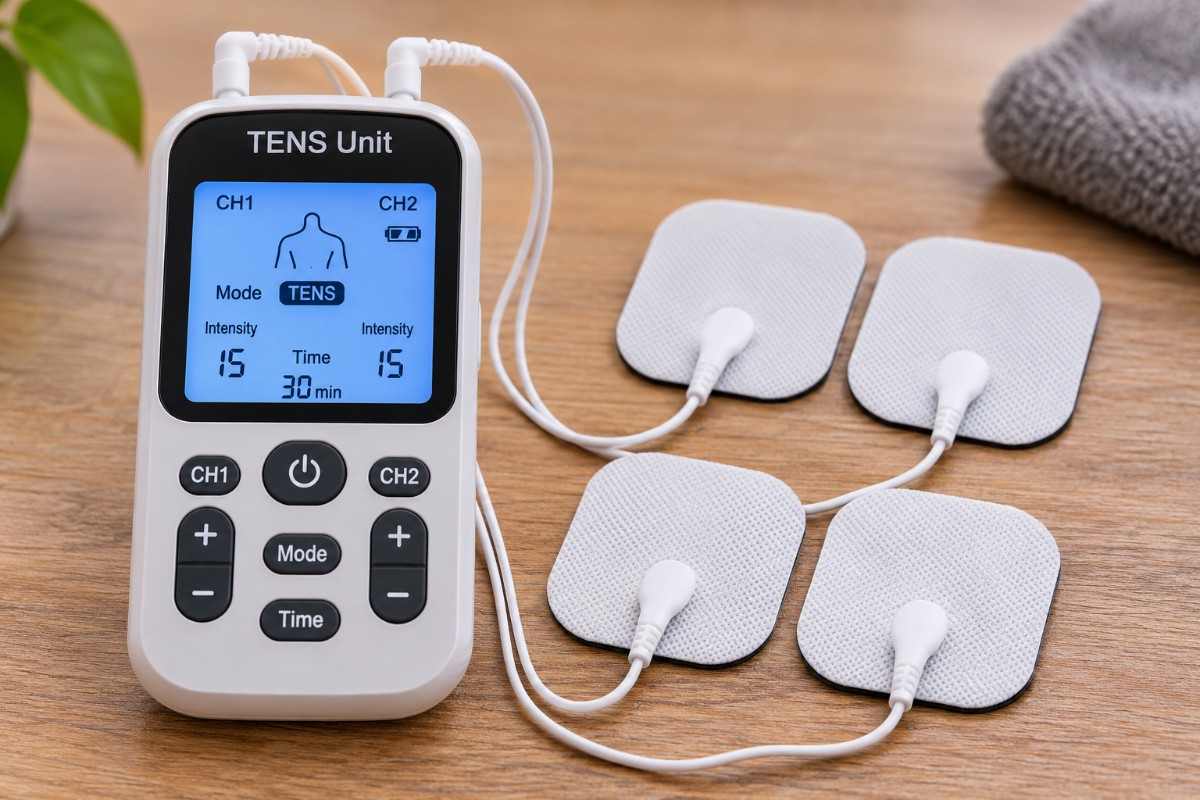
A TENS unit is a small, portable device that uses mild electrical pulses to help relieve pain. It is commonly used by people experiencing back pain, neck pain, joint discomfort, muscle pain, and certain types of long-term pain. TENS therapy is also known as Transcutaneous Electrical Nerve Stimulation.
Unlike pain-relief medications, a TENS unit works by sending gentle electrical signals through electrodes placed on the skin. These signals stimulate the nerves and may help reduce how strongly pain messages are perceived by the brain.
TENS therapy is popular because it is non-invasive, does not require injections, and can be used at home when recommended by a healthcare professional. However, it does not work equally well for everyone, and it may not address the underlying cause of pain.
In this guide, we will explore what a TENS unit is, how it works, its potential health benefits, common uses, side effects, safety precautions, and who should or should not use it.
What Is a TENS Unit?
A TENS unit (Transcutaneous Electrical Nerve Stimulation unit) is a battery-powered medical device designed to provide temporary pain relief using low-voltage electrical currents.
The device usually consists of:
- Control unit: The main device that controls the electrical intensity, frequency, and duration.
- Electrode pads: Small adhesive pads placed on the skin.
- Connecting wires: Cables that connect the electrodes to the control unit. Some modern devices are wireless.
- Rechargeable or replaceable battery: Supplies power to the device.
When switched on, the TENS unit sends gentle electrical impulses through the electrode pads to stimulate nearby nerves. The sensation may feel like mild tingling, buzzing, or tapping.
TENS therapy is generally used as a complementary pain-management method rather than a cure for an injury or medical condition.
How Does a TENS Unit Work?
A TENS unit works by delivering controlled electrical impulses through electrodes attached to the skin. These impulses stimulate sensory nerves and may influence the way pain signals travel through the nervous system.
There are two commonly discussed explanations for how TENS may help relieve pain:
1. Gate Control Theory: According to this theory, stimulating certain sensory nerves may interfere with the transmission of pain signals to the spinal cord and brain. This can make pain feel less intense.
2. Endorphin Release: Some forms of electrical stimulation may encourage the body to release endorphins, which are natural chemicals involved in pain regulation.
The effectiveness of TENS varies depending on the individual, the type of pain, the treatment settings, and the underlying condition. It may provide temporary relief, but it does not necessarily heal damaged tissues or eliminate the cause of pain.
What Is a TENS Unit Used For?
TENS units are primarily used to manage different types of pain. Healthcare professionals may recommend them as part of a broader pain-management or physical rehabilitation plan.
Some common uses include:
- Back Pain: May help temporarily reduce discomfort associated with lower back pain and muscle tension.
- Neck Pain: May provide temporary relief from certain types of muscular neck discomfort when electrodes are positioned safely.
- Knee Pain: May help manage pain associated with knee osteoarthritis and other painful conditions.
- Shoulder Pain: May help reduce discomfort associated with certain muscle and joint problems.
- Arthritis Pain: May offer temporary symptom relief for some people with osteoarthritis.
- Muscle Pain: May help manage discomfort following physical activity or certain muscle injuries.
- Period Pain: Can be used by some people to manage menstrual cramps.
- Labor Pain: TENS is sometimes used as a non-drug pain-management option during childbirth.
- Nerve Pain: May help some people with certain types of neuropathic pain, although results vary.
- Post-Surgical Pain: Healthcare professionals sometimes use TENS alongside other treatments to help manage pain after surgery.
TENS therapy is not suitable for every type of pain. Its effectiveness depends on the underlying condition and individual response.
20 Potential Benefits of Using a TENS Unit
TENS therapy offers several potential advantages for people looking for non-invasive pain-management options. However, not every benefit is supported equally by research, and results can differ between individuals.
- May Provide Temporary Pain Relief: TENS may reduce pain sensations during or shortly after a treatment session.
- Non-Invasive Pain Management: It delivers electrical stimulation through the skin without injections or surgical procedures.
- May Help Relieve Lower Back Pain: Some people experience temporary relief from certain types of lower back discomfort.
- May Reduce Knee Discomfort: TENS may help manage symptoms associated with knee osteoarthritis.
- May Help With Menstrual Cramps: Electrical stimulation may reduce the intensity of period-related discomfort in some individuals.
- May Support Muscle Relaxation: Some users find the gentle stimulation relaxing, although TENS is not primarily a muscle-strengthening treatment.
- May Help With Neck Discomfort: It may provide temporary relief from selected muscular neck conditions when used correctly.
- Portable and Convenient: Most devices are compact and easy to carry.
- Can Be Used at Home: Many TENS devices are designed for home use after appropriate guidance.
- Does Not Require Pain Medication: TENS provides a non-drug option for managing certain pain symptoms.
- May Support Physical Rehabilitation: Temporary pain relief may help some people participate more comfortably in prescribed exercises.
- May Help Manage Certain Nerve-Related Pain: Some people with neuropathic pain may experience symptom improvement.
- Adjustable Intensity: Users can generally adjust the stimulation to achieve a comfortable tingling sensation.
- May Help With Arthritis Symptoms: Some individuals experience short-term relief from arthritis-related discomfort.
- Can Be Used Alongside Other Treatments: Healthcare professionals may include TENS in a broader pain-management plan.
- May Improve Daily Comfort: Reduced pain may make certain everyday activities easier.
- No Medication-Related Stomach Irritation: Because TENS does not involve swallowing medication, it does not cause medication-related stomach irritation.
- May Help With Certain Sports Injuries: It may provide temporary symptom relief during recovery from selected injuries.
- Generally Has Few Side Effects: When used appropriately, TENS is usually well tolerated.
- May Offer an Additional Pain-Management Choice: It gives some people another option when developing an individualized approach to pain control.
Important: These are potential benefits, not guaranteed outcomes. Evidence suggests that TENS can reduce pain during or immediately after treatment, but its effectiveness varies across conditions.
How to Use a TENS Unit Correctly
Using a TENS unit is relatively simple, but correct electrode placement and appropriate intensity are important for comfort and safety.
Follow these general steps:
- Read the Instructions: Check the manufacturer’s guide before using the device.
- Clean Your Skin: Make sure the area where you plan to place the electrodes is clean and dry.
- Turn Off the Device: Always switch off the TENS unit before attaching or moving the electrode pads.
- Place the Electrode Pads: Attach the pads to intact skin near the painful area, following your healthcare professional’s instructions.
- Connect the Wires: If your device uses wires, connect them properly to the electrode pads and control unit.
- Switch On the Device: Start with a low electrical intensity.
- Adjust the Intensity: Gradually increase the setting until you feel a comfortable tingling sensation. It should not hurt or burn.
- Monitor Your Skin: Check the area for irritation or discomfort during and after treatment.
- Finish the Session: Turn off the machine before removing the electrode pads.
How Long Should You Use a TENS Unit?
The appropriate treatment duration depends on the device, the type of pain, and your healthcare professional’s recommendations.
Some people use TENS for approximately 20–30 minutes per session, while others may be advised to use it for longer periods. There is no single treatment duration that works for everyone.
Start with the guidance provided by your physiotherapist or healthcare professional rather than increasing the duration or intensity yourself.
Where Should You Place TENS Electrode Pads?
Electrode placement depends on the painful area and the treatment goal.
Common placement areas include:
- Lower Back: Near the painful muscles, with appropriate spacing between the pads.
- Knee: Around the painful area, without placing electrodes directly over damaged or irritated skin.
- Shoulder: Around the affected shoulder muscles, following professional guidance.
- Thigh: Near the area of discomfort when recommended by a healthcare professional.
- Arm: Around the affected muscle region, with suitable electrode positioning.
Never place electrode pads on the front or sides of the neck, over the eyes or mouth, or in other prohibited areas. Do not position electrodes so that current passes through the chest. Follow the device instructions and professional advice.
10 Possible Side Effects of a TENS Unit
TENS therapy is generally considered low-risk when used correctly. However, some people may experience unwanted effects, particularly if the device is used incorrectly or the skin is sensitive.
Here are 10 possible side effects and problems:
- Skin Irritation: The adhesive electrode pads may cause redness or irritation.
- Itching: Some people experience itching around the areas where the pads are attached.
- Allergic Reactions: Adhesives or electrode materials may trigger an allergic reaction in sensitive individuals.
- Skin Discomfort: Electrical stimulation may feel unpleasant if the intensity is too high.
- Burning Sensation: Incorrect electrode placement, damaged pads, or inappropriate settings may cause a burning sensation.
- Skin Burns: Burns are uncommon but can occur with improper use or faulty equipment.
- Dizziness: Some individuals may experience dizziness or lightheadedness.
- Headache: A headache has been reported as a possible unwanted effect.
- Nausea: Some people may feel nauseated during or after stimulation.
- Muscle Discomfort: Excessive or uncomfortable stimulation may cause temporary muscle discomfort.
Stop the treatment if you experience pain, burning, dizziness, or unusual skin reactions. Remove the electrodes and seek medical advice if symptoms persist.
Who Should Use a TENS Unit?
TENS therapy may be suitable for certain adults who experience acute or chronic pain and want to explore non-invasive pain-management options.
People who may benefit from discussing TENS therapy with a healthcare professional include:
- Individuals experiencing certain types of lower back pain.
- People with selected cases of knee osteoarthritis.
- Individuals experiencing menstrual cramps.
- People recovering from certain muscle injuries.
- Individuals experiencing some forms of chronic pain.
- People who need additional support during physical rehabilitation.
- Individuals looking for a non-drug approach to temporary pain relief.
A healthcare professional can help determine whether TENS is appropriate based on your medical history, symptoms, and treatment needs.
Who Should Not Use a TENS Unit?
Although TENS therapy is generally well tolerated, it is not suitable for everyone.
You should avoid using a TENS unit without medical advice if you:
- Have a Pacemaker: Electrical stimulation may interfere with certain implanted electronic devices.
- Have an Implantable Defibrillator: TENS may interfere with the functioning of some cardiac devices.
- Have Epilepsy: People with epilepsy should seek medical advice before considering TENS.
- Are Pregnant: Do not use TENS during pregnancy unless specifically advised by your doctor or midwife. Its use during labor is a separate situation.
- Have Heart Rhythm Problems: Medical assessment is important before using electrical stimulation.
- Have Reduced Skin Sensation: You may not be able to recognize excessive stimulation or skin injury.
- Have Broken or Infected Skin: Electrode pads should not be placed over open wounds, rashes, or infected areas.
- Have Certain Medical Implants: Consult your healthcare professional if you have implanted electronic or other relevant medical devices.
People with diabetes, circulation problems, cancer, or other significant medical conditions should also discuss TENS use with a healthcare professional before starting.
Important Safety Precautions When Using a TENS Unit
To reduce the risk of unwanted effects, keep the following precautions in mind:
- Avoid the Front of the Neck: Electrical stimulation in this area may cause unwanted effects.
- Keep Away From the Eyes and Mouth: Never place electrodes around these sensitive areas.
- Avoid the Chest: Do not position electrodes so that electrical current passes through the chest or heart.
- Do Not Use on Damaged Skin: Avoid areas with wounds, infections, irritation, or reduced sensation.
- Avoid Water Exposure: Never use a standard TENS unit while bathing or showering.
- Do Not Sleep With It On: Avoid using the device while asleep.
- Do Not Use While Driving: Electrical stimulation may distract you and affect your ability to operate a vehicle safely.
- Check the Electrode Pads: Replace worn-out or damaged pads according to the manufacturer’s instructions.
- Start With Low Intensity: Increase the strength gradually until the sensation is comfortable.
- Follow Professional Advice: Ask a physiotherapist or doctor about electrode placement and suitable settings.
If your pain is unexplained, severe, worsening, or accompanied by symptoms such as weakness, numbness, fever, or chest discomfort, seek medical assessment rather than relying on a TENS unit.
TENS Unit vs. EMS Unit: What Is the Difference?
TENS and EMS devices both use electrical stimulation, but they are designed for different purposes.
| Feature | TENS Unit | EMS Unit |
|---|---|---|
| Full form | Transcutaneous Electrical Nerve Stimulation | Electrical Muscle Stimulation |
| Main purpose | Pain management | Muscle stimulation |
| Primary target | Sensory nerves | Motor nerves |
| Main effect | May reduce pain sensations | Produces muscle contractions |
| Common use | Temporary pain relief | Muscle re-education and rehabilitation |
| Sensation | Tingling or buzzing | Muscle tightening or contraction |
Which is better?
Neither device is universally better. A TENS unit is generally intended for pain management, whereas an EMS unit is designed to stimulate muscles. The right choice depends on your treatment goals and medical needs.
How to Choose the Right TENS Unit
If you are considering purchasing a TENS unit for home use, look for features that make the device comfortable, practical, and easy to operate.
- Adjustable Intensity: Choose a device that allows you to control stimulation strength.
- Multiple Modes: Different programs may offer different stimulation patterns.
- Easy-to-Use Controls: A simple display and accessible buttons can make operation easier.
- Quality Electrode Pads: Look for comfortable, skin-friendly pads that can be replaced.
- Portable Design: A lightweight device is convenient for home and travel use.
- Battery Life: Check whether the device uses rechargeable or replaceable batteries.
- Safety Instructions: Choose a device with clear instructions and appropriate safety information.
- Reliable Manufacturer: Purchase from a reputable medical-device supplier.
Do not select a device based only on the number of modes or its advertised pain-relief claims. Ask a healthcare professional whether it is appropriate for your particular condition.
Does a TENS Unit Really Work?
Yes, TENS therapy can help reduce pain for some people, particularly during or immediately after treatment. However, it does not work equally well for everyone.
Research has reported pain reduction with TENS compared with placebo during or immediately after stimulation. However, the results depend on the type of pain, treatment settings, electrode placement, and individual response.
It is important to understand that TENS provides symptom management rather than a cure. It does not necessarily repair damaged muscles, reverse arthritis, or treat the underlying cause of chronic pain.
For this reason, TENS is best considered one possible part of a comprehensive pain-management plan.
FAQ’s
What is a TENS unit used for?
A TENS unit is used to provide temporary relief from certain types of pain, including back pain, neck pain, joint pain, muscle pain, and menstrual cramps.
Does a TENS unit really relieve pain?
Yes, TENS therapy may temporarily reduce pain for some people by stimulating sensory nerves and influencing pain signals sent to the brain.
Can a TENS unit help with back pain?
Yes, a TENS unit may provide temporary relief from certain types of lower back pain, although results vary between individuals.
Can a TENS unit help with sciatica?
TENS may temporarily reduce sciatica-related discomfort in some people, but it does not treat the underlying cause of nerve compression.
Is it safe to use a TENS unit every day?
Some people can use TENS daily when following professional guidance and manufacturer instructions. However, the appropriate frequency depends on individual circumstances.
What does a TENS unit feel like?
A TENS unit usually produces a gentle tingling, buzzing, or tapping sensation where the electrode pads are attached.
Can a TENS unit build muscle?
No, a standard TENS unit is designed primarily for pain management. EMS devices are used to stimulate muscle contractions.
Can you use a TENS unit while sleeping?
No. It is generally recommended that you do not use a TENS unit while sleeping because you may be unable to monitor the device or respond to discomfort.
Can a TENS unit help with knee pain?
Yes, TENS therapy may provide temporary relief from certain types of knee pain, including discomfort associated with osteoarthritis.
Can you use a TENS unit on your stomach?
Abdominal electrode placement requires professional guidance. Pregnant individuals should not use TENS during pregnancy unless specifically advised by their healthcare professional.
Can a TENS unit help with arthritis?
TENS may temporarily reduce arthritis-related discomfort in some individuals, but it does not cure arthritis or reverse joint damage.
Does using a TENS unit hurt?
It should not hurt. Most people experience a gentle tingling, buzzing, or tapping sensation. Reduce the intensity or stop using the device if it becomes painful.
How quickly does a TENS unit work?
Some people notice pain relief shortly after starting treatment, while others experience little or no improvement. The response depends on the individual and the type of pain.
Is a TENS unit safe for older adults?
It may be suitable for some older adults, but they should consult a healthcare professional first, especially if they have heart conditions, implanted devices, reduced skin sensation, or other medical problems.
Can a TENS unit damage nerves?
When used correctly according to the manufacturer’s instructions, TENS is generally well tolerated. However, excessive stimulation or improper use can cause discomfort and skin injury.
Does a TENS unit relax muscles?
A TENS unit may reduce muscle-related pain and discomfort, but it is primarily designed for pain relief.
Where should you never put a TENS unit?
Avoid placing electrodes on the neck, head, eyes, mouth, chest, or broken skin.
Does TENS loosen tight muscles?
TENS may reduce discomfort from tight muscles but does not directly stretch or loosen them.
What happens if I use a TENS unit for too long?
Excessive use may cause skin irritation, redness, discomfort, or burns.
How do I know if my TENS unit is working?
You should feel gentle tingling or buzzing and may notice temporary pain relief.
Final Thoughts
A TENS unit is a portable, non-invasive device that uses mild electrical stimulation to help manage certain types of pain. It may be useful for people experiencing back pain, joint discomfort, menstrual cramps, and selected chronic pain conditions.
One of its biggest advantages is that it offers a non-drug approach to temporary pain relief. However, its effectiveness varies, and it should not replace appropriate medical treatment or physical rehabilitation.
Before using a TENS unit, consult a healthcare professional to determine whether it is suitable for your condition. Correct electrode placement, comfortable intensity, and following safety instructions are essential for its safe use.
Sources / References:
Disclaimer:
This article is for educational purposes only and should not replace professional medical advice, diagnosis, or treatment. Consult a qualified healthcare professional before using a TENS unit.
Also Read: