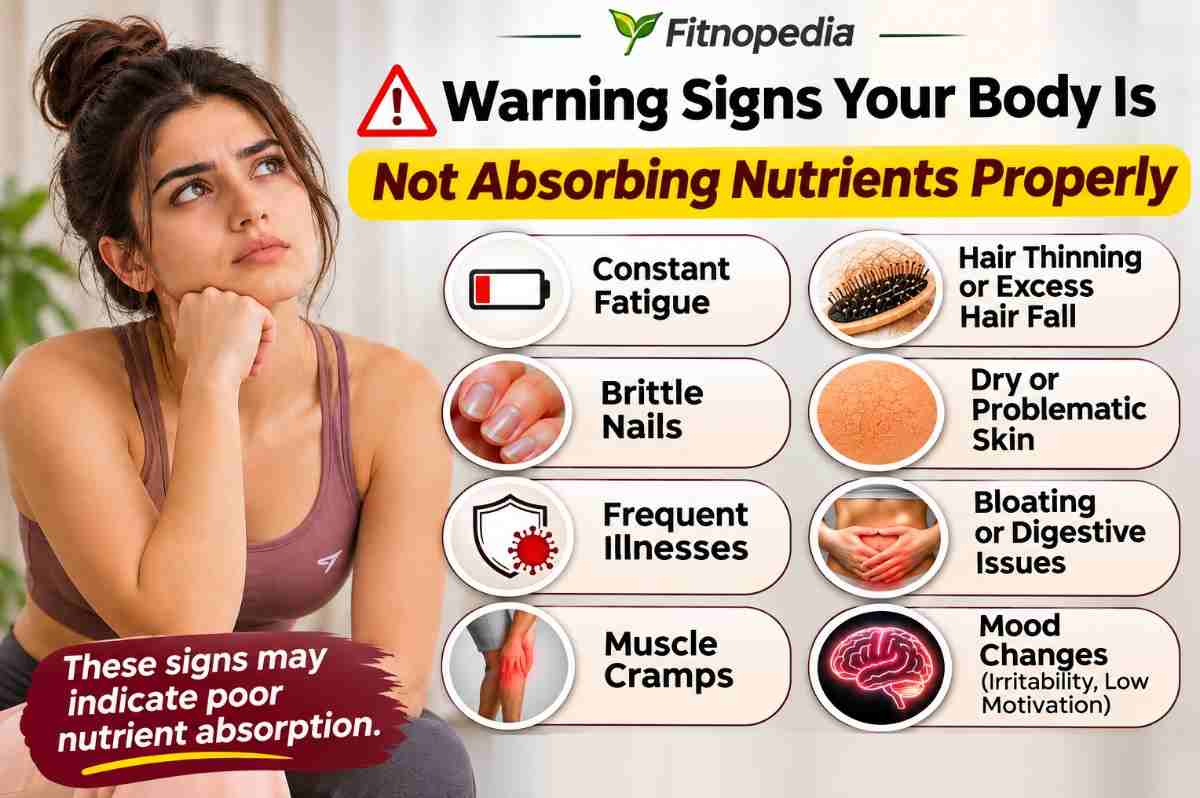
Eating a healthy, balanced diet is important for maintaining good health. However, have you ever wondered why you still feel tired, weak, or physically unwell even when you eat nutritious foods regularly?
Sometimes, the problem may not be what you eat but how well your body absorbs nutrients from food.
Your digestive system breaks down food into smaller components, allowing vitamins, minerals, proteins, fats, and carbohydrates to enter your bloodstream. Your body then uses these nutrients to support energy production, immunity, healthy skin, strong bones, muscle function, and other essential processes.
When this process does not work properly, your body may not receive the nutrients it needs. This condition is known as malabsorption.
In this guide, we will explore the warning signs your body may not be absorbing nutrients properly, possible causes, associated health conditions, and when to seek medical attention.
What Is Nutrient Malabsorption?
Nutrient malabsorption is a condition in which your digestive system cannot properly absorb nutrients from the food you eat.
Most nutrient absorption takes place in the small intestine. However, other organs, including the stomach, pancreas, liver, and gallbladder, also play important roles in digestion and nutrient processing.
When any part of this process is affected, your body may struggle to absorb enough essential nutrients.
For example:
- Poor iron absorption may contribute to iron-deficiency anemia.
- Poor vitamin B12 absorption may affect nerve function and red blood cell production.
- Poor vitamin D and calcium absorption may weaken bones.
- Poor fat absorption may cause greasy stools and deficiencies of fat-soluble vitamins.
Malabsorption can affect one particular nutrient or several nutrients at the same time.
15 Warning Signs Your Body Is Not Absorbing Nutrients Properly
Nutrient malabsorption can produce different symptoms depending on which nutrients are affected and what is causing the problem. Some symptoms involve digestion, while others appear in your skin, hair, muscles, bones, and overall health.
Here are 15 possible warning signs to recognize.
1. Persistent Bloating and Gas
Frequent bloating and excessive gas may sometimes indicate that your digestive system is having difficulty breaking down or absorbing certain nutrients.
When some carbohydrates are not properly digested or absorbed, intestinal bacteria may ferment them, producing gas.
You may experience:
- A swollen or uncomfortable abdomen.
- Frequent burping.
- Excessive gas.
- A feeling of fullness after eating.
- Abdominal discomfort.
Conditions such as lactose intolerance and small intestinal bacterial overgrowth (SIBO) can contribute to these symptoms.
However, occasional bloating is common and does not automatically indicate malabsorption.
2. Frequent Diarrhea
Recurring diarrhea is one of the common symptoms associated with certain malabsorption disorders.
When your intestines cannot properly absorb nutrients, water, or particular food components, your stools may become loose and frequent.
You may notice:
- Frequent bowel movements.
- Watery stools.
- Abdominal cramps.
- Urgency to use the bathroom.
- Diarrhea after eating certain foods.
Persistent diarrhea can also cause dehydration and electrolyte imbalances, making it important to identify the underlying cause.
3. Unexplained Weight Loss
Losing weight without changing your diet or exercise routine can be an important warning sign.
Your body needs calories, protein, fats, and carbohydrates to maintain a healthy weight. When nutrients are not properly absorbed, your body may not receive enough energy from the food you eat.
Possible signs include:
- Gradual weight loss without trying.
- Reduced muscle mass.
- Loose-fitting clothes.
- Reduced physical strength.
- Feeling weaker than usual.
Unexplained weight loss should not automatically be attributed to poor nutrient absorption. Thyroid disorders, diabetes, infections, and other medical conditions can also cause it.
4. Constant Tiredness and Low Energy
Feeling tired even after getting enough sleep may sometimes be associated with nutrient deficiencies.
Iron, vitamin B12, folate, and other nutrients are important for red blood cell production and normal energy metabolism.
If your body cannot absorb enough of these nutrients, you may experience:
- Persistent fatigue.
- Low energy throughout the day.
- Difficulty concentrating.
- Reduced physical stamina.
- General weakness.
For example, iron deficiency can lead to anemia, which reduces the blood’s ability to carry oxygen effectively.
5. Hair Loss and Thinning Hair
Your hair needs several nutrients to maintain normal growth and strength.
Iron, zinc, protein, and other nutrients contribute to healthy hair follicles and normal hair growth.
When your body does not receive enough essential nutrients, you may notice:
- Increased hair shedding.
- Thinning hair.
- Brittle hair.
- Slower hair growth.
- Changes in hair texture.
Nutritional deficiencies can contribute to hair loss, but hormonal changes, thyroid disorders, stress, genetics, and certain medications can also be responsible.
6. Brittle Nails and Slow Nail Growth
Your fingernails and toenails can sometimes reflect changes in your nutritional health.
Insufficient iron, protein, zinc, and other nutrients may contribute to nail abnormalities.
Possible warning signs include:
- Nails that break easily.
- Peeling nail layers.
- Slow nail growth.
- Unusual nail changes.
- Spoon-shaped nails, which can sometimes occur with iron-deficiency anemia.
However, brittle nails alone are not enough to diagnose malabsorption.
7. Pale or Unusually Dry Skin
Nutritional deficiencies can affect the appearance and condition of your skin.
Iron deficiency may cause pale skin, while inadequate intake or absorption of certain vitamins and minerals can contribute to dryness and other skin changes.
You may notice:
- Unusual paleness.
- Dry or flaky skin.
- Rough skin texture.
- Cracks around the mouth.
- Skin irritation.
Vitamin A, vitamin C, zinc, and essential fatty acids all contribute to normal skin health.
Persistent or unexplained skin changes deserve medical evaluation, particularly when accompanied by digestive symptoms.
8. Frequent Mouth Ulcers
Repeated mouth ulcers may sometimes be associated with deficiencies of iron, vitamin B12, and folate.
These nutrients help maintain healthy cells and support normal blood cell production.
You may experience:
- Repeated painful sores inside the mouth.
- A sore or swollen tongue.
- Cracks at the corners of your mouth.
- Burning sensations in the mouth.
Frequent mouth ulcers can have several causes, including nutritional deficiencies, infections, irritation, and certain inflammatory conditions.
9. Muscle Weakness and Loss of Muscle Mass
Your muscles require adequate protein, vitamin D, magnesium, potassium, and other nutrients to function properly.
If your body cannot absorb or obtain enough of these nutrients, muscle health may be affected.
Possible symptoms include:
- Reduced muscle strength.
- Difficulty climbing stairs.
- Muscle fatigue during everyday activities.
- Gradual muscle loss.
- Reduced exercise performance.
Long-term malabsorption can contribute to muscle wasting, especially when protein and calorie absorption are significantly affected.
10. Bone Pain and Frequent Fractures
Vitamin D and calcium are essential for maintaining strong bones.
When your body cannot absorb enough of these nutrients, bone health may gradually deteriorate.
You may experience:
- Bone pain or tenderness.
- Muscle weakness.
- Increased risk of fractures.
- Reduced bone density.
- Difficulty maintaining physical strength.
Long-term vitamin D and calcium deficiencies can contribute to osteomalacia in adults and may increase the risk of osteoporosis.
If you experience unexplained bone pain or repeated fractures, consult a healthcare professional.
11. Easy Bruising and Unusual Bleeding
Vitamin K plays an important role in normal blood clotting.
If your body cannot absorb enough vitamin K, you may develop problems with blood clotting.
Possible warning signs include:
- Bruising more easily than usual.
- Frequent nosebleeds.
- Bleeding gums.
- Cuts that take longer to stop bleeding.
Vitamin K malabsorption is one possible explanation, particularly when fat absorption is impaired.
However, unusual bruising or bleeding can also indicate medication-related problems, platelet disorders, liver disease, or other medical conditions. Seek prompt medical advice.
12. Swelling in the Legs, Feet, or Hands
Unexplained swelling can sometimes occur when severe malnutrition or protein deficiency causes fluid to accumulate in body tissues.
This condition is known as edema.
Possible signs include:
- Swollen ankles.
- Puffy feet.
- Swelling in the lower legs.
- Skin that temporarily retains an indentation after being pressed.
Protein deficiency may contribute to reduced albumin levels, which can affect fluid balance.
However, swelling can also result from heart, kidney, liver, or circulation problems. New or persistent swelling should be medically evaluated.
13. Tingling or Numbness in the Hands and Feet
Certain nutrients are essential for healthy nerve function.
Vitamin B12 deficiency, for example, can damage nerves if it remains untreated.
You may notice:
- Tingling sensations in your fingers.
- Numbness in your feet.
- Burning sensations.
- Reduced sensation.
- Difficulty maintaining balance.
Long-term vitamin B12 deficiency can cause neurological complications.
These symptoms should not be ignored, especially when they are persistent or worsening.
14. Frequent Infections and Slow Wound Healing
Your immune system depends on several nutrients, including zinc, vitamin A, vitamin C, vitamin D, and protein.
When your body does not receive enough of these nutrients, normal immune function and tissue repair may be affected.
Possible signs include:
- Repeated infections.
- Cuts that heal slowly.
- Frequent illness.
- Slow recovery after an infection.
- Persistent skin problems.
These symptoms are not specific to malabsorption, but they may indicate nutritional deficiencies or another underlying health issue.
15. Greasy, Pale, or Foul-Smelling Stools
Changes in stool appearance can sometimes provide important clues about digestive health.
One particularly important symptom is steatorrhea, which means excessive fat in the stool.
It may cause stools to become:
- Greasy or oily.
- Bulky.
- Pale or unusually light-colored.
- Difficult to flush.
- Particularly foul-smelling.
- Floating in the toilet.
Steatorrhea can occur when the digestive system cannot properly digest or absorb dietary fats.
Possible causes include pancreatic enzyme problems, certain intestinal disorders, and conditions affecting bile production or flow.
Persistent greasy stools should be evaluated by a healthcare professional.
Which Nutrient Deficiencies Can Occur Due to Malabsorption?
Different nutrients produce different symptoms when they are not absorbed properly.
The following table explains some common nutrient deficiencies and their possible effects.
| Nutrient | Possible signs of deficiency |
|---|---|
| Iron | Fatigue, pale skin, weakness, anemia |
| Vitamin B12 | Tingling, numbness, fatigue, anemia |
| Vitamin D | Bone pain, muscle weakness, weak bones |
| Calcium | Muscle cramps, tingling, weakened bones |
| Vitamin A | Night blindness, dry eyes |
| Vitamin K | Easy bruising, unusual bleeding |
| Zinc | Slow wound healing, skin changes, hair loss |
| Folate | Anemia, fatigue, mouth sores |
| Magnesium | Muscle cramps, weakness, abnormal heart rhythm in severe deficiency |
| Protein | Muscle loss, swelling, poor wound healing |
These symptoms can overlap with many other health conditions. Laboratory testing is needed to identify specific deficiencies.
What Causes Your Body to Stop Absorbing Nutrients Properly?
Several medical conditions can interfere with normal digestion and nutrient absorption.
Some of the most recognized causes include:
1. Celiac Disease: An autoimmune condition in which eating gluten damages the small intestine, potentially interfering with nutrient absorption.
2. Crohn’s Disease: A type of inflammatory bowel disease that can affect different parts of the digestive tract and interfere with nutrient absorption.
3. Pancreatic Insufficiency: The pancreas may not produce enough digestive enzymes to break down fats, proteins, and carbohydrates properly.
4. Lactose Intolerance: The body does not produce enough lactase enzyme to digest lactose, the natural sugar found in milk. This causes digestive symptoms but does not usually cause widespread nutrient malabsorption.
5. Small Intestinal Bacterial Overgrowth (SIBO): Excessive bacteria in the small intestine can interfere with normal digestion and nutrient absorption in some people.
6. Intestinal Infections: Certain bacterial, viral, and parasitic infections can damage the intestinal lining and temporarily or persistently affect absorption.
7. Chronic Pancreatitis: Long-term inflammation of the pancreas can affect digestive enzyme production.
8. Intestinal Surgery: Removing or damaging part of the small intestine can reduce the body’s ability to absorb nutrients.
9. Short Bowel Syndrome: This condition occurs when the small intestine is too short or damaged to absorb enough nutrients.
10. Certain Medications: Some medicines can affect nutrient absorption or contribute to nutrient deficiencies. The effects depend on the medication and duration of use.
How Do Doctors Diagnose Nutrient Malabsorption?
If you regularly experience digestive problems, unexplained weight loss, or symptoms of nutritional deficiencies, a healthcare professional may recommend tests to investigate the cause.
The diagnostic process generally includes the following:
1. Medical History and Physical Examination: Your doctor may ask about your diet, bowel movements, weight changes, digestive symptoms, medications, and medical history.
2. Blood Tests: Blood tests may help identify anemia, low iron, vitamin B12 deficiency, folate deficiency, low vitamin D, and other nutritional abnormalities.
3. Stool Tests: Stool testing may help identify excess fat, infections, or other digestive problems.
4. Breath Tests: Hydrogen breath tests may help investigate lactose intolerance, certain carbohydrate malabsorption problems, or small intestinal bacterial overgrowth.
5. Celiac Disease Testing: Blood tests can help identify antibodies associated with celiac disease. Further testing may be recommended when necessary.
6. Imaging Tests: Depending on your symptoms, your doctor may recommend imaging to examine the digestive organs.
7. Endoscopy or Biopsy: In selected cases, doctors may examine the digestive tract and collect small tissue samples to investigate intestinal conditions.
Not everyone needs all these tests. The appropriate evaluation depends on symptoms, examination findings, and suspected causes.
How to Improve Nutrient Absorption Naturally
Improving nutrient absorption starts with identifying why your digestive system is struggling.
The following habits can support overall digestive and nutritional health.
1. Eat a Balanced Diet: Include fruits, vegetables, whole grains, legumes, nuts, seeds, and protein-rich foods in your regular meals.
2. Include Iron-Rich Foods: Eat foods such as lentils, beans, spinach, meat, and fortified cereals. Pair plant-based iron sources with vitamin C-rich foods to improve iron absorption.
3. Include Protein in Your Meals: Eggs, fish, dairy products, beans, lentils, tofu, and lean meats provide protein needed for tissue maintenance and repair.
4. Eat Vitamin-Rich Foods: Include a variety of colorful fruits and vegetables to obtain essential vitamins and antioxidants.
5. Support Gut Health: Fiber-containing foods such as vegetables, fruits, legumes, and whole grains can support normal digestive function. Increase fiber gradually if you experience bloating.
6. Stay Hydrated: Drink enough water throughout the day, especially if you experience diarrhea or increased fluid loss.
7. Avoid Unnecessary Restrictive Diets: Eliminating multiple food groups without medical guidance may increase the risk of nutritional deficiencies.
8. Identify Food Intolerances: If particular foods consistently cause digestive symptoms, discuss appropriate testing and dietary adjustments with your doctor.
9. Take Supplements Only When Needed: Supplements may help correct confirmed deficiencies, but the type and dosage should be based on your individual needs.
10. Treat Underlying Digestive Conditions: Conditions such as celiac disease, Crohn’s disease, and pancreatic insufficiency require appropriate medical management.
Remember that eating more nutritious food does not always solve malabsorption. If an underlying digestive condition is present, treating that condition is essential.
When Should You See a Doctor for Poor Nutrient Absorption?
Occasional bloating or an upset stomach is common. However, persistent digestive symptoms combined with signs of nutritional deficiencies deserve medical attention.
Consult a healthcare professional if you experience:
- Unexplained or ongoing weight loss.
- Frequent or persistent diarrhea.
- Repeated greasy or oily stools.
- Constant fatigue or unexplained weakness.
- Persistent bloating and abdominal discomfort.
- Hair loss accompanied by other nutritional symptoms.
- Recurrent mouth ulcers.
- Bone pain or unexplained fractures.
- Tingling or numbness in your hands and feet.
- Unusual bruising or bleeding.
Seek urgent medical attention if you experience severe abdominal pain, significant dehydration, blood in your stool, black tarry stools, fainting, or heavy unexplained bleeding.
Early diagnosis can help prevent complications associated with prolonged nutrient deficiencies.
FAQ’s
Can poor nutrient absorption cause weight loss?
Yes. When your digestive system cannot absorb enough calories, proteins, fats, and other nutrients, you may experience unexplained weight loss and muscle loss.
Can malabsorption cause hair loss?
Yes. Poor absorption of iron, zinc, protein, and other essential nutrients may contribute to hair thinning, increased shedding, and slower hair growth.
Why am I tired even after eating healthy foods?
Persistent tiredness may be associated with deficiencies of iron, vitamin B12, folate, or other nutrients. Digestive conditions that interfere with nutrient absorption can contribute to these deficiencies.
What do stools look like when your body is not absorbing nutrients?
Malabsorption involving dietary fats may cause stools to become greasy, bulky, pale, foul-smelling, and difficult to flush. This condition is called steatorrhea.
Which vitamins are difficult to absorb during malabsorption?
Depending on the underlying condition, the body may struggle to absorb fat-soluble vitamins A, D, E, and K, as well as vitamin B12 and folate.
Can poor nutrient absorption cause bloating and gas?
Yes. Certain digestive conditions can interfere with the digestion or absorption of carbohydrates, leading to excessive gas, abdominal bloating, and discomfort.
Is poor nutrient absorption dangerous?
Long-term malabsorption can lead to anemia, weakened bones, muscle wasting, vitamin deficiencies, and other nutritional complications. Early diagnosis and appropriate treatment can help prevent these problems.
Can you have nutrient deficiencies even if you eat healthy?
Yes. Eating nutritious foods does not guarantee proper nutrient absorption. Certain intestinal, pancreatic, and digestive conditions can prevent your body from absorbing essential nutrients.
What are the first signs of poor nutrient absorption?
Early signs may include frequent bloating, excessive gas, recurring diarrhea, abdominal discomfort, and unexplained changes in weight.
Which vitamin deficiencies are associated with malabsorption?
Malabsorption can contribute to deficiencies of vitamins A, D, E, K, B12, and folate, depending on the underlying condition.
Can malabsorption cause weight gain?
Malabsorption more commonly contributes to weight loss, but it does not always cause weight loss. Some people may maintain or gain weight depending on their diet, activity, underlying condition, and other health factors.
What foods help improve nutrient absorption?
A balanced diet containing fruits, vegetables, legumes, whole grains, nuts, seeds, and protein-rich foods supports nutritional health. However, specific dietary changes depend on the underlying cause of malabsorption.
Can stress cause nutrient malabsorption?
Stress can affect digestion, appetite, and bowel habits. However, persistent nutrient malabsorption should not automatically be blamed on stress. Other digestive or medical conditions may need investigation.
Final Thoughts
Your body depends on a steady supply of essential nutrients to maintain energy, support immunity, protect bones, and keep your digestive system functioning properly.
Persistent bloating, unexplained weight loss, greasy stools, hair loss, fatigue, and muscle weakness can sometimes indicate that your body is not absorbing nutrients effectively.
However, these symptoms do not necessarily mean you have malabsorption. Many other health conditions can produce similar warning signs.
If you notice several persistent symptoms, particularly digestive problems accompanied by unexplained weight loss or nutritional deficiencies, seek medical advice rather than relying on supplements or dietary changes alone.
Sources / References:
Disclaimer:
This article is for educational purposes only and does not replace professional medical advice, diagnosis, or treatment. Consult a qualified healthcare professional if you experience persistent symptoms or suspect nutrient deficiencies.
Also Read: