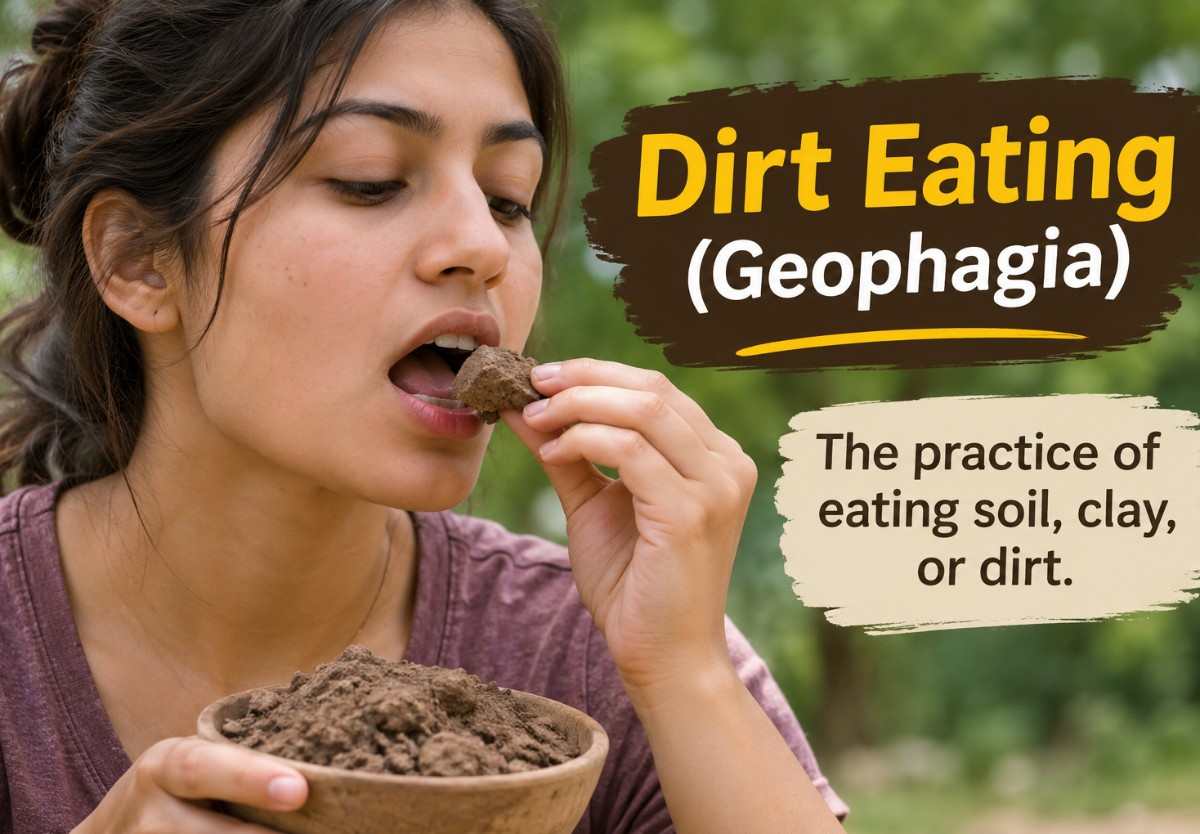
Eating dirt may sound unusual, but it is a behavior that some children and adults experience. A person who repeatedly eats soil, mud, clay, or other non-food substances may have a condition called pica. When the substance specifically involves eating earth or soil, the behavior is known as geophagia.
Dirt eating is sometimes associated with nutritional deficiencies, particularly iron deficiency, pregnancy, developmental conditions, or certain mental health factors. Although accidentally swallowing a small amount of soil is not always harmful, regularly eating dirt can expose the body to parasites, harmful bacteria, chemicals, and heavy metals such as lead.
Understanding why someone feels the urge to eat dirt is important because this behavior may indicate an underlying health problem that needs attention. With proper evaluation, treatment, and nutritional support, many people can overcome this habit safely.
What Is Dirt Eating?
Dirt eating is the repeated consumption of soil, mud, clay, or earth. It is medically associated with a condition called geophagia, which is a form of pica.
Pica is an eating disorder characterized by persistent cravings for and consumption of substances that have little or no nutritional value and are not considered food.
People who experience dirt eating may consume:
- Garden soil
- Mud or wet earth
- Clay
- Soil from flowerpots
- Chalk or earthy materials
- Dust or other ground substances
Some people may enjoy the taste, smell, or texture of soil, while others experience a strong urge to eat it even when they know it is not food.
Dirt eating can occur in children and adults. However, repeatedly eating soil should not be considered a harmless habit, particularly when it continues for several weeks or causes physical symptoms.
What Is Geophagia?
Geophagia is the practice of deliberately eating earth, soil, or clay. It is considered a specific type of pica.
In some communities, eating certain types of clay or soil has traditional or cultural associations. However, natural soil is not necessarily safe for consumption, even when it looks clean.
Soil can contain substances that are harmful when swallowed, including:
- Parasites and parasite eggs
- Bacteria and other microorganisms
- Lead and other heavy metals
- Pesticide residues
- Animal waste
- Harmful chemicals
Geophagia may occur occasionally or become a repeated behavior that is difficult to control.
10 Common Causes of Dirt Eating
There is no single explanation for why someone eats dirt. The behavior may develop due to nutritional, psychological, developmental, or environmental factors.
1. Iron Deficiency: Low iron levels are associated with pica, and some people with iron deficiency develop unusual cravings, including cravings for soil, clay, or other non-food substances.
2. Zinc Deficiency: Zinc is an essential mineral involved in immune function, growth, and normal taste and smell. Some research has associated zinc deficiency with pica, although the relationship is not fully understood.
3. Pregnancy: Hormonal changes and nutritional demands during pregnancy may contribute to unusual cravings. Some pregnant women experience geophagia, but eating soil can expose both mother and baby to harmful substances.
4. Nutritional Deficiencies: Inadequate intake or poor absorption of essential nutrients may be associated with pica. Iron deficiency is one of the most recognized nutritional associations.
5. Childhood Development: Some young children explore their surroundings by putting objects in their mouths. However, repeatedly eating dirt beyond the typical exploratory stage deserves attention.
6. Stress and Anxiety: Emotional distress, anxiety, or stressful life experiences may contribute to repetitive behaviors, including pica, in some individuals.
7. Autism Spectrum Disorder: Pica is more common among some people with developmental conditions, including autism. Sensory preferences and repetitive behaviors may contribute to the habit.
8. Obsessive-Compulsive Symptoms: Some people experience repetitive urges or compulsive behaviors that may involve eating non-food substances.
9. Sensory Attraction: The texture, smell, taste, or sensation of soil may attract certain individuals. Sensory-seeking behavior can sometimes contribute to repeated dirt eating.
10. Cultural and Environmental Influences: In some communities, eating particular types of clay or earth is a traditional practice. Exposure to this behavior may influence an individual’s habits, although cultural familiarity does not make contaminated soil safe.
Symptoms of Dirt Eating
The symptoms of dirt eating depend on how much soil a person consumes, how frequently they eat it, and whether the soil contains harmful substances.
Some people initially experience no noticeable symptoms. However, repeated consumption may lead to digestive problems, infections, or nutritional complications.
Common symptoms include:
- Stomach Pain: Abdominal discomfort or cramping may develop after swallowing soil.
- Nausea: Some people experience nausea after consuming dirt or clay.
- Vomiting: Contaminated soil or large amounts of earth may irritate the digestive system.
- Constipation: Certain types of clay and soil may contribute to constipation.
- Diarrhea: Bacteria and parasites in contaminated soil can cause digestive infections.
- Bloating: Soil consumption may contribute to abdominal discomfort and bloating.
- Unusual Cravings: Repeatedly wanting to eat soil, mud, or clay may indicate pica.
- Fatigue: Iron deficiency or other nutritional problems associated with pica may cause tiredness and weakness.
- Pale Skin: Significant iron deficiency can cause pale skin.
- Poor Appetite: Eating non-food substances may interfere with normal food intake and nutritional balance.
Important: Severe abdominal pain, persistent vomiting, blood in the stool, breathing difficulties, or unusual confusion require prompt medical attention.
Health Risks and Side Effects of Eating Dirt
Eating dirt may seem harmless if it happens occasionally, but repeated consumption can affect several parts of the body. The risks depend on the type of soil, the amount consumed, and the presence of contaminants.
Here are 10 possible health risks.
1. Parasitic Infections: Soil contaminated with animal feces may contain parasite eggs or larvae that can enter the body and cause intestinal infections.
2. Lead Poisoning: Soil near roads, industrial areas, old buildings, or battery-recycling sites may contain lead. Repeated exposure can damage the brain, kidneys, and nervous system.
3. Stomach and Intestinal Problems: Swallowing soil can cause abdominal pain, nausea, bloating, and digestive discomfort.
4. Intestinal Blockage: Consuming large amounts of soil or clay may cause hardened material to accumulate in the digestive tract, potentially leading to an intestinal obstruction.
5. Constipation: Certain types of clay can bind water and contribute to constipation or difficulty passing stools.
6. Nutritional Deficiencies: Some clays can bind minerals such as iron and zinc, reducing their absorption and potentially worsening existing deficiencies.
7. Bacterial Infections: Contaminated soil may contain harmful bacteria that can cause gastrointestinal illness.
8. Electrolyte Imbalances: Excessive consumption of certain types of soil or clay may interfere with the body’s mineral and electrolyte balance.
9. Dental Damage: Gritty soil particles can wear down tooth enamel or damage teeth, particularly when dirt eating happens regularly.
10. Pregnancy Complications: Eating contaminated soil during pregnancy may expose the mother and developing baby to harmful substances, including lead and infectious organisms.
Is Dirt Eating a Sign of Iron Deficiency?
Yes, dirt eating can sometimes be associated with iron deficiency.
Iron is an essential mineral that helps the body produce hemoglobin, a protein in red blood cells responsible for carrying oxygen. When iron levels become too low, a person may develop iron-deficiency anemia.
Some people with iron deficiency experience unusual cravings for non-food substances, a condition associated with pica.
Possible signs of iron deficiency include:
- Persistent tiredness and weakness
- Pale skin
- Dizziness or lightheadedness
- Shortness of breath
- Headaches
- Cold hands and feet
- Brittle nails
- Unusual cravings for non-food substances
However, not everyone who eats dirt has iron deficiency, and iron deficiency does not explain every case of pica.
A healthcare professional may recommend blood tests, including a complete blood count (CBC) and ferritin test, to evaluate iron status.
Important: Do not start taking iron supplements simply because you crave dirt. Confirming a deficiency and identifying its cause are important before starting treatment.
Why Do Pregnant Women Crave Dirt?
Some pregnant women experience cravings for soil, mud, clay, or other non-food substances. This behavior is called geophagia and is a form of pica.
Pregnancy brings several physical and hormonal changes, and nutritional requirements also increase. Iron deficiency during pregnancy may be one factor associated with unusual cravings, although the exact cause of geophagia is not fully understood.
Eating dirt during pregnancy is not considered a safe way to obtain minerals.
Potential concerns include:
- Exposure to lead and other heavy metals
- Parasitic and bacterial infections
- Digestive problems and constipation
- Reduced absorption of certain nutrients
- Possible harm to maternal and fetal health from toxic exposure
Pregnant women experiencing these cravings should discuss them with their obstetrician or healthcare provider. A doctor can check for iron deficiency, assess possible exposure risks, and recommend safe nutritional treatment.
How Is Dirt Eating Diagnosed?
There is no single laboratory test that confirms pica. Doctors generally diagnose the condition by discussing a person’s eating habits, medical history, symptoms, and possible underlying causes.
According to the diagnostic criteria, repeatedly eating non-food substances for at least one month may meet the duration requirement for pica, provided other diagnostic conditions are also satisfied.
A healthcare professional may recommend the following evaluations:
1. Medical History: The doctor asks how often the person eats dirt, how much they consume, and when the behavior started.
2. Complete Blood Count (CBC): This test helps identify anemia and other abnormalities in blood cells.
3. Iron and Ferritin Tests: These tests help determine whether low iron levels may be contributing to unusual cravings.
4. Zinc Testing: Zinc levels may be evaluated when nutritional deficiency is suspected.
5. Lead Level Testing: A blood lead test may be recommended if the person has consumed potentially contaminated soil.
6. Stool Testing: Stool examinations may help identify parasitic infections when soil ingestion creates a concern.
7. Additional Medical Assessment: Depending on symptoms, the doctor may investigate intestinal blockage, nutritional problems, or other complications.
Not everyone needs every test. The evaluation depends on the person’s symptoms and exposure history.
How to Stop Eating Dirt Naturally and Safely
Stopping dirt eating often requires identifying the reason behind the craving rather than simply trying to ignore it. Here are practical steps that may help.
1. Identify the Trigger: Notice when the urge to eat dirt occurs, such as during stress, boredom, pregnancy, or certain times of the day.
2. Check for Nutritional Deficiencies: Ask a healthcare professional about testing for iron deficiency and other possible nutritional problems.
3. Follow a Balanced Diet: Include iron-rich foods such as lentils, beans, spinach, tofu, meat, and fortified cereals to support nutritional health.
4. Include Vitamin C-Rich Foods: Oranges, guava, tomatoes, and bell peppers help improve the absorption of iron from plant-based foods.
5. Avoid Keeping Soil Within Reach: Keep garden soil, clay, and flowerpots away from people who regularly experience dirt cravings.
6. Find a Safe Replacement Activity: When a craving develops, try drinking water, chewing a safe food, or engaging in another activity that keeps your attention occupied.
7. Manage Stress: Relaxation techniques, regular physical activity, and adequate sleep may help when emotional distress contributes to repetitive eating behaviors.
8. Seek Behavioral Support: Cognitive behavioral therapy (CBT) or other behavioral approaches may help some people understand and manage persistent cravings.
9. Treat Underlying Health Conditions: If iron deficiency, another nutritional problem, or a mental health condition is contributing to pica, treating that condition may reduce the behavior.
10. Avoid Shame and Punishment: Dirt eating is a health concern, not a reason to embarrass or punish someone. Supportive guidance is particularly important for children.
If the behavior continues, seek professional medical advice instead of relying only on home remedies.
When Should You See a Doctor for Dirt Eating?
Occasionally putting a little dirt in the mouth, especially in young children, does not automatically mean someone has pica. However, repeated or intentional soil consumption deserves medical attention.
Consult a healthcare professional if:
- You regularly crave or eat soil, mud, or clay.
- A child repeatedly eats dirt or soil from flowerpots.
- You experience persistent stomach pain or constipation after eating dirt.
- You have symptoms of iron deficiency or anemia.
- Dirt eating begins during pregnancy.
- You find it difficult to control the urge to consume non-food substances.
Seek urgent medical attention for severe abdominal pain, repeated vomiting, blood in the stool, choking, or signs of poisoning.
If someone has swallowed a large amount of soil or potentially contaminated material, contact a local poison information service or healthcare professional for advice. Do not induce vomiting.
Can Dirt Eating Be Prevented?
Dirt eating may not always be preventable, particularly when it is associated with an underlying medical or developmental condition. However, some practical measures can reduce the risk.
- Supervise Young Children: Watch children while they play in gardens, parks, and outdoor areas.
- Store Garden Supplies Safely: Keep soil, compost, fertilizers, and potting mixtures out of children’s reach.
- Maintain Hand Hygiene: Encourage children to wash their hands after playing outdoors.
- Provide Balanced Nutrition: Ensure regular meals include adequate iron, zinc, protein, and other essential nutrients.
- Address Unusual Cravings Early: Discuss repeated non-food cravings with a healthcare professional.
- Keep the Environment Safe: Reduce exposure to potentially contaminated soil, especially around old buildings and industrial areas.
Prevention is particularly important for young children because they are more vulnerable to certain environmental toxins, including lead.
Is Dirt Eating Common in Children?
Young children often explore the world by putting objects in their mouths. This behavior can include accidentally tasting or swallowing small amounts of soil while playing.
However, repeatedly eating dirt is different from normal childhood exploration.
Parents should pay attention if a child:
- Frequently eats soil from gardens or flowerpots.
- Searches for mud or clay to eat.
- Continues eating dirt despite being redirected.
- Shows signs of stomach problems or poor nutrition.
- Has unusual cravings for other non-food substances.
Children younger than two years commonly put non-food objects in their mouths, so this behavior alone does not establish a pica diagnosis.
If a child repeatedly eats dirt, consult a pediatrician. Avoid scolding or punishing the child, as supportive supervision and medical evaluation are more helpful.
FAQ’s
What is dirt eating called medically?
Dirt eating is medically known as geophagia. It is a form of pica, a condition in which someone repeatedly consumes non-food substances such as soil, clay, or mud.
Why do people crave eating dirt?
People may crave dirt because of iron deficiency, zinc deficiency, pregnancy-related changes, sensory preferences, stress, or certain developmental conditions.
Can eating dirt cause stomach pain?
Yes, consuming soil can cause stomach pain, nausea, bloating, constipation, and other digestive problems. Contaminated soil may also cause infections.
Can eating dirt cause worms?
Yes, contaminated soil may contain parasite eggs or larvae. Swallowing such soil can lead to parasitic infections.
Is eating dirt during pregnancy harmful?
Yes, eating dirt during pregnancy can expose the mother and developing baby to parasites, bacteria, lead, and other harmful substances.
Can eating dirt cause anemia?
Repeated dirt consumption may interfere with iron absorption, particularly when certain types of clay are consumed. This can contribute to iron deficiency and anemia.
Why do children eat dirt?
Young children may explore their surroundings by putting objects in their mouths. Repeated dirt eating may also be associated with pica, nutritional deficiencies, or developmental conditions.
How can I stop craving dirt?
Identify the underlying cause with medical help, check for nutritional deficiencies, maintain a balanced diet, avoid access to soil, and consider behavioral support if the cravings continue.
Is eating clay the same as eating dirt?
Eating clay is a form of geophagia, just like eating soil or mud. Both can expose the body to harmful contaminants and interfere with nutrient absorption.
Can dirt eating damage the intestines?
Yes, consuming large amounts of soil or clay can cause constipation, intestinal blockage, digestive irritation, and infections.
Which vitamin deficiency causes dirt cravings?
Iron deficiency is the most recognized nutritional association with pica. Zinc deficiency has also been associated with unusual cravings, although the evidence is less conclusive.
Can eating dirt cause lead poisoning?
Yes, soil contaminated with lead can cause lead poisoning. Repeated exposure is particularly concerning for young children and pregnant women.
Is dirt eating a mental health condition?
Persistent dirt eating may be diagnosed as pica, an eating disorder. It can also occur alongside certain developmental and mental health conditions.
Should I take iron tablets if I crave dirt?
Not without medical advice. A healthcare professional should evaluate your iron levels and determine whether supplements are necessary.
Is eating soil good or bad?
Eating soil is harmful because it may contain parasites, bacteria, lead, and other contaminants.
Why do I crave soil so much?
Soil cravings may be linked to iron deficiency, zinc deficiency, pregnancy, or pica.
Is it safe to eat a little dirt?
No amount is guaranteed safe because soil may contain harmful germs and chemicals.
What can I eat if I crave dirt?
Try roasted chickpeas, crunchy vegetables, or pumpkin seeds, and consult a doctor to identify the cause of your cravings.
Sources / References:
Disclaimer:
This article is for educational purposes only and should not replace professional medical advice, diagnosis, or treatment. Consult a qualified healthcare professional if you or your child regularly eats dirt or other non-food substances.
Also Read: