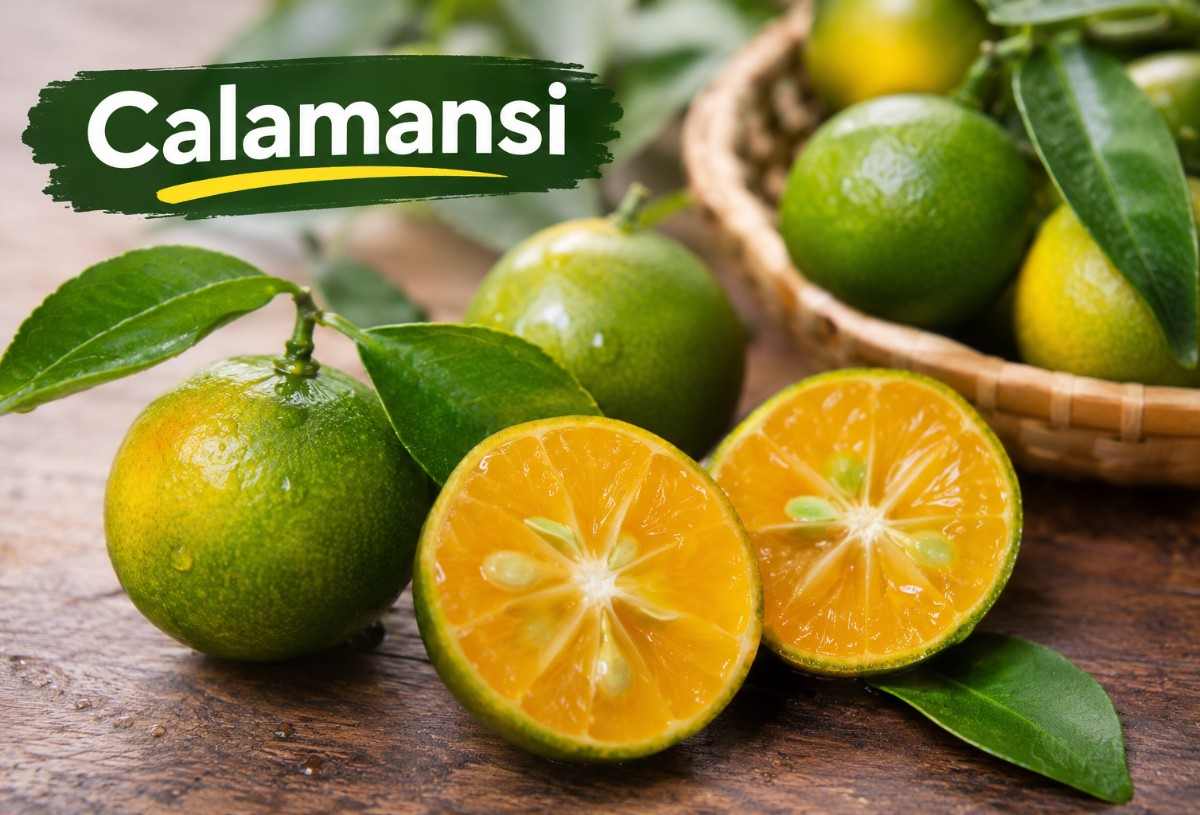
Calamansi is a small citrus fruit with a refreshing aroma, a tangy taste, and impressive nutritional value. Popular in the Philippines and other parts of Southeast Asia, this little green fruit is commonly used to prepare refreshing drinks, marinades, sauces, and traditional recipes. Although it looks similar to a tiny lime, calamansi has its own distinctive flavour and nutritional profile.
Calamansi is particularly valued for its vitamin C content, antioxidants, and natural plant compounds. Adding this fruit to a balanced diet may support immune function, skin health, digestion, and overall wellness. Its juice can also add a refreshing citrus flavour to everyday meals without requiring complicated recipes.
In this guide, we explore what calamansi is, its nutrition facts, 20 potential health benefits, possible side effects, everyday uses, recommended intake, and precautions.
What Is Calamansi?
Calamansi, scientifically known as Citrus × microcarpa, is a small citrus fruit belonging to the Rutaceae family. It is also called calamondin, Philippine lime, Philippine lemon, or golden lime.
This fruit is particularly popular in the Philippines, where it is widely used in cooking, beverages, sauces, and traditional food preparations. It is also cultivated in other Southeast Asian countries.
Calamansi is generally small and round, with a thin green peel when immature. As it ripens, its skin gradually changes to yellowish-orange. The flesh is juicy, aromatic, and contains small seeds.
Its flavour is a combination of sour lime-like acidity and a mild orange-like aroma. Because of its strong tangy taste, calamansi is commonly squeezed into water, tea, fish dishes, soups, and dipping sauces.
Nutritionally, calamansi contains:
- Vitamin C, which supports normal immune function and collagen production.
- Dietary fibre, which contributes to digestive health.
- Potassium, which supports normal muscle and nerve function.
- Calcium, which helps maintain healthy bones and teeth.
- Natural flavonoids and phenolic compounds with antioxidant activity.
Calamansi is a versatile citrus fruit that can add flavour and useful nutrients to a balanced diet.
Nutrition Facts of Calamansi Fruit
The following is an approximate nutrition values per 100 grams of edible Kalamansi. Its nutritional composition can vary depending on the fruit’s variety, ripeness, growing conditions, and edible portion.
| Nutrient | Amount per 100 g |
|---|---|
| Calories | 44 kcal |
| Water | 89.8 g |
| Protein | 0.4 g |
| Total fat | 1.0 g |
| Carbohydrates | 8.3 g |
| Dietary fibre | 2.4 g |
| Natural sugars | 1.5 g |
| Calcium | 18 mg |
| Phosphorus | 12 mg |
| Iron | 0.8 mg |
| Sodium | 3 mg |
| Vitamin C | 45 mg |
| Vitamin B1 | 0.02 mg |
| Vitamin B2 | 0.01 mg |
| Niacin | 0.2 mg |
Note: These figures represent the edible portion, not necessarily the weight of whole fruits. Values may differ between food composition databases and individual fruits.
20 Potential Health Benefits of Calamansi
1. Supports Immune System Function
Calamansi contains vitamin C, an essential nutrient that helps support the normal functioning of the immune system and contributes to the body’s natural defence mechanisms.
2. Provides Antioxidants
Calamansi contains vitamin C and plant compounds such as flavonoids and phenolics that help protect cells against oxidative stress caused by free radicals.
3. Supports Healthy Skin
Vitamin C contributes to collagen production, which helps maintain skin structure, firmness, and normal wound healing.
4. Helps Maintain Healthy Digestion
Kalamansi contains dietary fibre, particularly when the fruit’s pulp is consumed, which helps support regular bowel movements and digestive health.
5. Supports Collagen Production
The vitamin C in calamansi is necessary for collagen formation, a protein that helps maintain healthy skin, cartilage, bones, and connective tissues.
6. Supports Iron Absorption
Vitamin C improves the absorption of non-heme iron found in plant-based foods such as beans, lentils, spinach, and whole grains.
7. Contributes to Heart Health
Calamansi provides vitamin C and potassium, nutrients that contribute to normal body functions associated with cardiovascular health. However, eating Kalamansi alone has not been shown to prevent heart disease.
8. Supports Healthy Blood Vessels
Vitamin C contributes to collagen formation, which helps maintain the normal structure of blood vessels and other connective tissues.
9. Helps Protect Cells From Oxidative Stress
The antioxidant compounds found in calamansi may help neutralise free radicals and reduce oxidative damage in laboratory studies.
10. Supports Healthy Bones
Calamansi contains small amounts of calcium and vitamin C. Both nutrients contribute to bone health through different biological processes.
11. Supports Wound Healing
Vitamin C plays an important role in collagen formation and normal tissue repair, making adequate vitamin C intake important during the wound-healing process.
12. May Support Healthy Blood Pressure
Kalamansi contains potassium, which contributes to normal blood pressure regulation by helping balance the effects of sodium in the body.
13. Supports Healthy Teeth and Gums
Vitamin C contributes to the maintenance of healthy gums and connective tissues. However, calamansi juice is acidic, so excessive exposure may damage tooth enamel.
14. May Support Metabolic Health
Research on calamondin’s plant compounds has identified potential metabolic effects in experimental studies. More human research is needed to determine whether eating the fruit provides meaningful metabolic benefits.
15. Supports Brain Cell Protection
Antioxidant flavonoids found in Kalamansi have demonstrated biological activities in laboratory research, including potential protective effects against oxidative stress.
16. Contributes to Hydration
Calamansi contains a high proportion of water, and adding its juice to drinking water can make hydration more enjoyable.
17. Supports Healthy Connective Tissues
Vitamin C helps the body produce collagen, which is important for the normal functioning of tendons, ligaments, cartilage, and skin.
18. May Support Healthy Cholesterol Metabolism
Certain citrus flavonoids have shown potential effects on lipid metabolism in experimental research, but there is insufficient clinical evidence to establish a cholesterol-lowering effect from calamansi consumption.
19. Supports Overall Nutritional Health
Kalamansi provides vitamin C, fibre, and small amounts of minerals, making it a useful addition to a varied and nutrient-rich eating pattern.
20. Adds Flavour Without Much Added Sugar
Fresh calamansi juice provides a naturally tangy flavour that can replace some sugary sauces, dressings, and beverage flavourings when prepared without added sugar.
10 Side Effects of Calamansi
Calamansi is generally safe for most people when consumed in normal food amounts. However, its high acidity and citrus compounds may cause unwanted effects in certain individuals, particularly when consumed excessively or applied directly to the skin.
1. Acid Reflux
The natural acidity of Kalamansi may trigger heartburn, acid reflux, or discomfort in people who are sensitive to acidic foods.
2. Stomach Irritation
Drinking concentrated calamansi juice, particularly on an empty stomach, may cause stomach discomfort, burning sensations, or nausea in sensitive individuals.
3. Tooth Enamel Erosion
Frequent exposure to acidic calamansi juice may gradually weaken tooth enamel, increasing the risk of dental sensitivity and erosion.
4. Allergic Reactions
Some individuals may experience citrus allergies, with symptoms such as itching, skin rashes, swelling, or digestive discomfort.
5. Mouth Irritation
The acidic juice may irritate mouth ulcers, canker sores, or small cuts inside the mouth and cause temporary burning sensations.
6. Diarrhoea
Consuming large amounts of concentrated juice may cause digestive discomfort or loose stools in some sensitive individuals.
7. Nausea
The strong sour taste and acidity of Kalamansi may trigger nausea in people who are sensitive to citrus fruits.
8. Skin Irritation
Direct contact with concentrated citrus juice or peel oils may irritate sensitive skin or cause contact dermatitis in susceptible individuals.
9. Increased Skin Sensitivity
Some citrus peel oils may contain compounds that cause skin reactions after exposure to sunlight. Avoid applying homemade Kalamansi preparations to the skin before sun exposure.
10. Worsening of Existing Digestive Symptoms
People with gastroesophageal reflux disease (GERD), gastritis, or other acid-sensitive digestive conditions may experience worsening symptoms after consuming Kalamansi.
How to Eat Calamansi?
Calamansi is easy to incorporate into everyday meals because its juice and aromatic peel can be used in different preparations.
Here are some simple ways to enjoy it:
- Fresh Calamansi Juice: Squeeze fresh Kalamansi into a glass of water and drink it without adding excessive sugar.
- Calamansi Water: Add a few slices or a small amount of fresh juice to drinking water for a refreshing citrus flavour.
- Calamansi Tea: Add a little Kalamansi juice to warm tea after it has cooled slightly.
- Salad Dressing: Combine Kalamansi juice with olive oil, herbs, and a little black pepper to prepare a homemade dressing.
- Fish Marinade: Use Kalamansi juice with garlic, ginger, and herbs to marinate fish before cooking.
- Dipping Sauce: Mix Kalamansi juice with soy sauce, chopped onions, and chilli for a tangy dipping sauce.
- Smoothies: Add a small amount of Kalamansi juice to fruit smoothies for a refreshing citrus flavour.
- Desserts: Use calamansi juice in homemade sorbets, cakes, and citrus-flavoured desserts.
- Fruit Salad: Drizzle a little Kalamansi juice over sliced fruits to add a pleasant tang.
- Cooking Ingredient: Add Kalamansi juice to soups, noodles, seafood, and vegetable dishes.
For the best nutritional value, use fresh fruit and consume the pulp when appropriate. Avoid adding large amounts of sugar to Kalamansi beverages.
Tips for Consuming Calamansi
- Choose Fresh Fruits: Select firm calamansi fruits with smooth skin and no visible mould or damaged areas.
- Wash Before Cutting: Rinse the fruit thoroughly under clean running water before squeezing or slicing.
- Start With Small Amounts: If you are trying Kalamansi for the first time, begin with a small quantity to check your tolerance.
- Dilute the Juice: Mix concentrated calamansi juice with water to reduce its acidity.
- Avoid Excessive Sugar: Use little or no added sugar when preparing Kalamansi beverages.
- Consume With Meals: If citrus fruits cause stomach discomfort, try consuming Kalamansi with food rather than on an empty stomach.
- Protect Your Teeth: Avoid slowly sipping acidic juice throughout the day, rinse your mouth with plain water afterwards, and wait around 30 minutes before brushing.
- Use Fresh Juice: Freshly squeezed juice provides a natural flavour without the need for unnecessary additives.
- Check for Allergies: Avoid Kalamansi if you have a known citrus allergy.
- Maintain Dietary Variety: Combine Kalamansi with other fruits, vegetables, whole grains, and protein-rich foods rather than relying on it for all your nutritional needs.
Other Uses of Calamansi
Apart from its nutritional value, calamansi is widely used in cooking, household preparations, and personal care products.
- Natural Food Flavouring: Kalamansi juice adds a refreshing sour flavour to seafood, vegetables, soups, and sauces.
- Beverage Preparation: It is commonly used to prepare citrus drinks, iced tea, and refreshing homemade beverages.
- Marinades: Its acidity and aroma make Kalamansi useful in marinades for fish, chicken, and other foods.
- Homemade Sauces: Calamansi juice can be combined with soy sauce, herbs, and spices to make tangy dipping sauces.
- Dessert Preparation: Its distinctive citrus flavour works well in cakes, pastries, jams, jellies, and sorbets.
- Food Preservation: Its acidic juice can help slow certain enzymatic browning reactions in cut fruits, although it should not be treated as a substitute for proper food-preservation methods.
- Fragrance Products: Kalamansi peel contains aromatic oils that are used in some fragrance and household products.
- Cleaning Products: Citrus extracts and oils are ingredients in some commercially formulated household cleaning products.
- Cosmetic Products: Calamansi extracts are sometimes included in soaps, shampoos, and skincare formulations.
- Traditional Food Preparations: In Southeast Asian cooking, Kalamansi is frequently used as a traditional flavouring ingredient for everyday dishes.
How Many Calamansi Fruits Can You Eat Daily?
There is no officially established daily recommended intake specifically for calamansi. The appropriate amount depends on your overall diet, digestive tolerance, and individual health conditions.
For most healthy adults, a small serving of around 1–3 fresh calamansi fruits per day can be a practical starting point when used as part of meals or diluted beverages.
However, this is a general food suggestion, not a medically established dosage.
You do not need to consume Kalamansi every day to obtain vitamin C. Other fruits and vegetables, including oranges, guava, strawberries, kiwi, and bell peppers, also provide vitamin C.
People who experience acid reflux, stomach irritation, or tooth sensitivity should reduce their intake or avoid the fruit if it triggers symptoms.
Best Time to Eat Calamansi
There is no scientifically proven best time to eat calamansi. You can enjoy it at different times of the day depending on your preferences and digestive tolerance.
- Morning: Diluted calamansi water can be a refreshing addition to breakfast.
- With Lunch: Use fresh Kalamansi juice as a dressing or seasoning for meals.
- Afternoon: Add a small amount of Kalamansi to water or unsweetened tea.
- With Dinner: Use it in seafood dishes, salads, and vegetable preparations.
People with acid reflux or stomach sensitivity may find it more comfortable to consume Kalamansi with meals rather than on an empty stomach.
Remember that drinking Kalamansi water in the morning does not detoxify the body or automatically improve metabolism.
Who Should Eat Calamansi?
Calamansi can be a useful addition to a balanced diet for people who enjoy citrus fruits and tolerate acidic foods.
- People Looking to Increase Vitamin C Intake: Kalamansi provides vitamin C, which supports normal immune function and collagen production.
- People Following a Balanced Diet: Its natural flavour and nutritional content make it a useful addition to varied meals.
- People Who Enjoy Citrus Fruits: Individuals who tolerate sour foods can enjoy calamansi in beverages, salads, and everyday recipes.
- People Eating Plant-Based Diets: Its vitamin C content can help improve the absorption of non-heme iron from plant-based foods.
- People Looking for Natural Food Flavouring: Kalamansi can add flavour to meals without requiring sugary sauces or dressings.
- People Interested in Antioxidant-Rich Foods: Its vitamin C and citrus flavonoids contribute to dietary antioxidant intake.
- People Preparing Homemade Drinks: Fresh Kalamansi can be used to flavour water and unsweetened beverages.
Who Should Not Eat Calamansi?
Although calamansi is safe for many people, certain individuals should avoid it or limit their intake.
- People With Citrus Allergies: Individuals with a confirmed citrus allergy should avoid Kalamansi to prevent allergic reactions.
- People With Frequent Acid Reflux: Its acidity may trigger heartburn or worsen GERD symptoms.
- People With Sensitive Teeth: Those experiencing dental sensitivity or enamel erosion should limit frequent exposure to acidic juice.
- People With Mouth Ulcers: Kalamansi may irritate existing mouth sores and cause painful burning sensations.
- People With Sensitive Stomachs: Individuals who experience stomach discomfort after consuming citrus fruits should reduce their intake.
- People With Citrus-Related Skin Reactions: Those who experience skin irritation from citrus oils should avoid applying calamansi juice or peel preparations directly to their skin.
- People With Specific Dietary Restrictions: Individuals following medically prescribed diets should consider their overall dietary requirements and consult their healthcare professional if uncertain.
How to Store Calamansi?
Proper storage helps maintain the freshness, flavour, and quality of calamansi.
- At Room Temperature: Store fresh Kalamansi in a cool, dry place for short-term use, away from direct sunlight and heat.
- In the Refrigerator: Place unwashed, dry fruits in a breathable bag or suitable container in the refrigerator to extend freshness.
- Keep Away From Moisture: Excess moisture can encourage mould growth and spoilage.
- Separate Damaged Fruits: Remove fruits showing mould, leakage, or signs of decay to protect the remaining fruits.
- Store Fresh Juice in the Refrigerator: Keep freshly squeezed juice in a clean, airtight container and use it promptly.
- Freeze the Juice: Pour fresh juice into ice cube trays, freeze, and transfer the cubes to a freezer-safe container.
- Freeze the Whole Fruit: Wash and dry the fruit thoroughly before freezing it in a suitable freezer-safe bag.
- Check Before Use: Discard fruits or juice that develop an unusual smell, mould, or other signs of spoilage.
Precautions and Interactions
Calamansi is generally suitable for consumption in ordinary food quantities, but some precautions are important.
- Avoid Excessive Consumption: Large amounts of concentrated calamansi juice may irritate the digestive system.
- Consider Acid Reflux: People with GERD should monitor their symptoms because acidic foods can trigger discomfort.
- Protect Tooth Enamel: Avoid prolonged exposure to concentrated juice and rinse your mouth with plain water after drinking it.
- Check Medication Advice: Kalamansi should not automatically be considered interchangeable with grapefruit, but people taking prescription medicines should ask a pharmacist about potential citrus-related interactions.
- Avoid Unproven Treatments: Do not use Kalamansi juice as a replacement for prescribed medicines or established medical treatments.
- Be Careful With Skin Applications: Avoid applying concentrated juice or peel oils to irritated skin, and do not expose treated skin to strong sunlight.
- Wash Fruits Properly: Clean Kalamansi under running water before cutting or squeezing it.
- Use Caution With Concentrated Extracts: Essential oils and concentrated extracts are different from ordinary fruit consumption and should not be ingested without appropriate professional guidance.
- Monitor Allergic Symptoms: Stop consuming Kalamansi if you experience itching, swelling, hives, or other signs of an allergic reaction.
- Seek Professional Advice When Necessary: Pregnant or breastfeeding individuals and people with chronic medical conditions should discuss concentrated extracts or supplements with a healthcare professional before use.
FAQ’s
What is calamansi fruit good for?
Kalamansi is a good source of vitamin C and antioxidants that support immune function, collagen production, iron absorption, and overall health.
Is calamansi good for weight loss?
Kalamansi may support a healthy diet when used in place of sugary drinks. However, it does not directly burn fat or cause weight loss.
Is calamansi healthier than lemon?
Both fruits provide vitamin C and beneficial plant compounds. Kalamansi has a distinctive tangy flavour, while lemon has a different nutritional composition and taste. Neither is universally better.
Is calamansi good for skin?
Kalamansi contains vitamin C, which helps support collagen production and healthy skin. However, applying its juice directly to the skin may cause irritation.
Can calamansi help with cough and cold?
Kalamansi provides vitamin C and can be enjoyed as a refreshing drink. However, there is insufficient scientific evidence that it cures coughs, colds, or respiratory infections.
Is calamansi safe during pregnancy?
Yes, Kalamansi is generally safe during pregnancy when consumed in normal food amounts. Pregnant women should avoid concentrated extracts or unverified medicinal preparations.
Can you eat calamansi peel?
Yes, Kalamansi peel can be used in certain recipes and contains aromatic plant compounds. Wash the fruit thoroughly before consuming or using its peel.
What does calamansi taste like?
Kalamansi has a strong sour and tangy flavour with a mild sweet, orange-like aroma. Its taste is somewhat similar to a combination of lime and mandarin orange.
Is calamansi acidic?
Yes, Kalamansi is naturally acidic because it contains citric acid and other organic acids. Its acidity gives the fruit its characteristic sour taste.
Can calamansi cause acid reflux?
Yes, Kalamansi may trigger heartburn or worsen acid reflux symptoms in people sensitive to acidic foods. People with GERD should monitor their tolerance.
What is the difference between calamansi and lime?
Kalamansi is a small citrus hybrid with a thin peel, aromatic flavour, and sour juice. Lime is a different citrus fruit and generally has a stronger, more straightforward sour taste.
Is calamansi good for digestion?
Kalamansi contains some dietary fibre, which supports digestive health. However, its acidic juice may cause discomfort in people with sensitive stomachs.
Can calamansi help lower blood pressure?
Kalamansi contains small amounts of potassium, which contributes to normal blood pressure regulation. However, there is insufficient human evidence that calamansi directly lowers blood pressure.
Is calamansi juice good for hair?
Kalamansi contains vitamin C, which supports normal collagen production. However, there is limited scientific evidence that drinking or applying calamansi juice directly improves hair growth.
What happens if you drink calamansi juice on an empty stomach?
Drinking Kalamansi juice on an empty stomach may cause acidity, heartburn, or stomach discomfort in sensitive individuals. Diluting the juice and consuming it with food may be more comfortable.
Is calamansi good for diabetes?
Fresh calamansi contains relatively little natural sugar per fruit and can be included in a balanced diabetes-friendly diet. Avoid adding excessive sugar to Kalamansi juice, and do not use it as a substitute for diabetes medication.
Does Calamansi Have More Vitamin C Than Orange?
Vitamin C levels vary depending on the fruit variety and serving size. Kalamansi contains vitamin C, but a reliable comparison requires testing equivalent edible portions using the same food composition method.
What is another name for calamansi?
Calamansi is also known as calamondin, Philippine lime, Philippine lemon, or Kalamansi (an alternate spelling).
Can calamansi reduce belly fat?
No, Kalamansi does not directly burn belly fat.
Is calamansi okay for the kidneys?
Yes, in moderation, but people with kidney disease should consult their doctor.
Is calamansi high in sugar?
No, Kalamansi is naturally low in sugar.
What are the benefits of calamansi for whitening skin?
Kalamansi contains vitamin C, which supports skin health, but it is not a proven skin-whitening treatment.
Can calamansi remove dark underarms?
No, there is no scientific evidence that Kalamansi removes dark underarms.
Can I rub calamansi on my face?
No, its acidic juice may cause skin irritation and sensitivity.
Can calamansi remove pimples?
No, Kalamansi is not a proven acne treatment.
What are the potential side effects of using calamansi on my face?
It may cause redness, burning, dryness, irritation, and sun sensitivity.
Which is more effective, lemon or calamansi?
Both provide vitamin C and antioxidants. Neither is universally better.
How many calamansi equal one lemon?
Approximately 8–12 Kalamansi fruits provide a similar amount of juice as one lemon.
Which is better, hot or cold calamansi juice?
Both are suitable. Choose according to your preference.
Can I eat calamansi every day?
Yes, most people can enjoy moderate amounts daily.
Is calamansi safe for children?
Yes, small amounts are generally safe for children who tolerate citrus fruits.
Sources / References
Disclaimer
This article is for educational and informational purposes only. It is not a substitute for professional medical advice, diagnosis, or treatment. Consult a qualified healthcare professional regarding individual dietary or medical concerns.
Also Read: