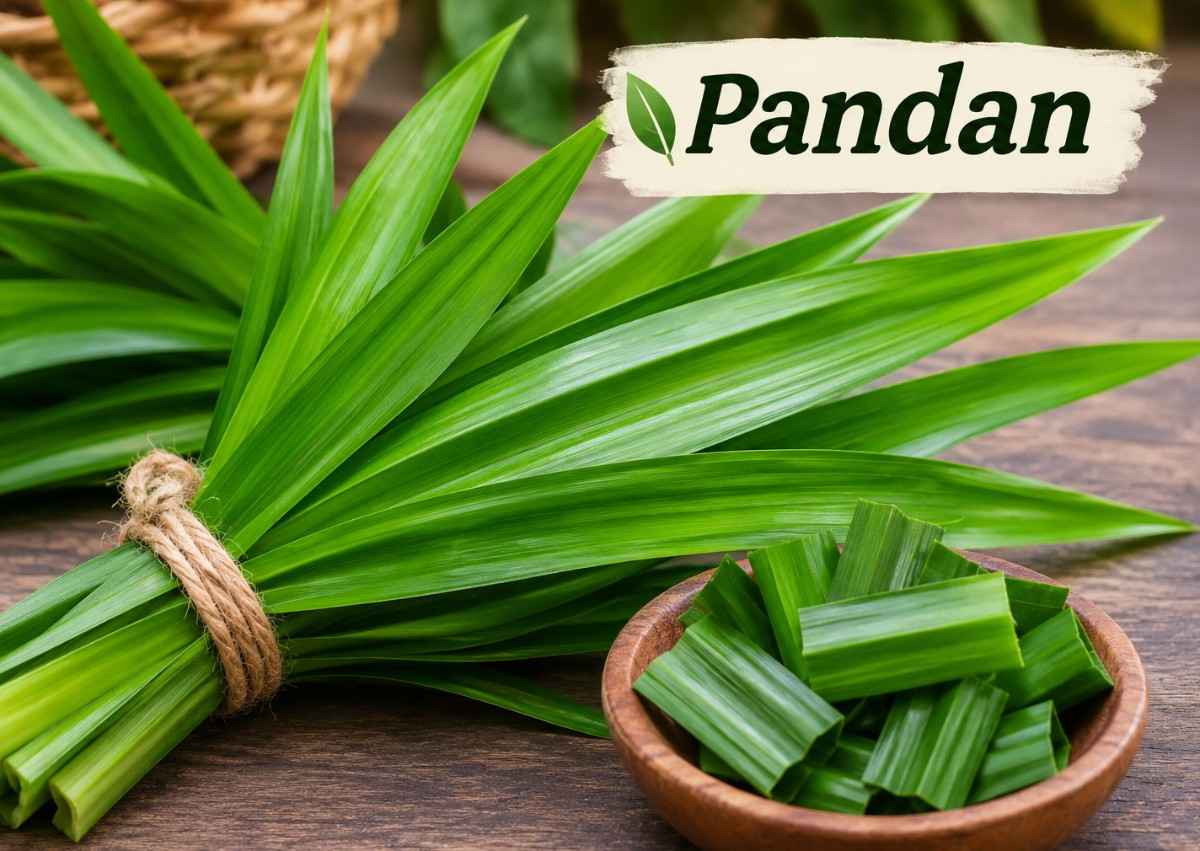
Pandan is a fragrant tropical plant widely used in Southeast Asian cooking for its sweet, vanilla-like aroma, refreshing flavour, and natural green colour. Often called the vanilla of Southeast Asia, pandan is popular in desserts, rice dishes, teas, cakes, and traditional recipes.
Beyond its culinary appeal, pandan has attracted attention for its potential health benefits. Its leaves contain plant compounds, including flavonoids and other antioxidants, that are being investigated for their biological properties.
Pandan can be a flavourful addition to a balanced diet, but it is important to understand its nutritional value, possible benefits, side effects, and safe ways to consume it. Although traditional uses are extensive, scientific evidence supporting many medicinal claims in humans remains limited.
What Is Pandan?
Pandan, scientifically known as Pandanus amaryllifolius, is a tropical plant belonging to the Pandanaceae family. It is commonly found in Southeast Asian countries, including Thailand, Indonesia, Malaysia, Vietnam, Singapore, and the Philippines.
The plant has long, narrow, blade-shaped green leaves with a distinctive sweet aroma. These leaves are used to flavour foods naturally, particularly rice, coconut-based dishes, sweets, and beverages.
Pandan is also known as:
- Pandanus leaf
- Fragrant pandan
- Screwpine leaf
- Fragrant screwpine
- Rampe (in some regional culinary contexts)
Pandan leaves are generally used for their fragrance rather than eaten whole because their fibrous texture makes them difficult to chew. They can be boiled, blended, infused, or extracted to produce pandan juice and flavouring.
What Makes Pandan Special?
Pandan contains aromatic compounds, particularly 2-acetyl-1-pyrroline, which contribute to its characteristic fragrance. It is also a source of various plant compounds that researchers are studying for antioxidant and other biological activities.
It is important to distinguish culinary pandan from other species of Pandanus, as not every plant sold under the common name pandan has the same uses or safety profile.
Properties of Pandan
| Nutrient or compound | Nutritional importance |
|---|---|
| Carbohydrates | Provide energy |
| Dietary fibre | Supports digestion |
| Vitamin C | Supports immune function |
| Carotenoids | Antioxidant plant pigments |
| Calcium | Supports bones |
| Iron | Helps produce haemoglobin |
| Potassium | Supports fluid balance |
| Flavonoids | Provide antioxidant properties |
| Phenolic compounds | Help neutralize free radicals |
| Chlorophyll | Gives leaves their green colour |
Note: There is no widely accepted standardized nutrition profile for fresh pandan leaves. Actual amounts vary, and normal culinary servings are small.
20 Potential Health Benefits of Pandan
- Provides Antioxidants: Pandan contains flavonoids and phenolic compounds that help neutralize free radicals.
- Supports Cellular Health: Its antioxidants may help protect cells against oxidative damage.
- May Support Blood Sugar Management: Preliminary studies suggest pandan extracts may influence glucose metabolism.
- Contains Anti-Inflammatory Compounds: Certain pandan compounds have demonstrated anti-inflammatory activity in experimental research.
- May Support Heart Health: Its antioxidants are being studied for their potential cardiovascular benefits.
- May Support Cholesterol Management: Preliminary research suggests pandan extracts may influence lipid metabolism.
- Shows Antimicrobial Properties: Certain extracts have demonstrated activity against selected microorganisms in laboratory studies.
- May Support Liver Health: Experimental research has investigated its potential protective effects against oxidative liver damage.
- May Support Brain Health: Its antioxidant compounds are being studied for possible neuroprotective effects.
- Contains Beneficial Phytochemicals: Pandan provides flavonoids, phenolics, and other naturally occurring plant compounds.
- May Support Metabolic Health: Preliminary research suggests pandan extracts may influence metabolic processes.
- May Reduce Oxidative Stress: Its phenolic compounds demonstrate antioxidant activity in experimental studies.
- May Support Oral Health Research: Certain extracts have shown activity against selected oral bacteria in laboratory testing.
- May Have Antifungal Properties: Experimental studies have investigated its ability to inhibit certain fungi.
- May Support Skin Health: Its antioxidants are being studied for potential protective effects on skin cells.
- May Have Anti-Obesity Potential: Some research explores its possible effects on fat metabolism, but weight-loss benefits are unproven.
- May Support Gut Health Research: Researchers are exploring how plant polyphenols interact with gut microorganisms.
- Provides Natural Food Colour: Pandan juice gives foods a natural green colour without artificial colouring.
- Supports Food Preservation Research: Its antioxidant compounds may have potential applications in food preservation.
- Adds Dietary Variety: Fragrant screwpine makes rice, drinks, and homemade meals more aromatic and enjoyable.
10 Possible Side Effects of Pandan
Pandan is commonly used in food, but its concentrated extracts and supplements have not been adequately studied for safety.
- Allergic Reactions: Sensitive individuals may experience itching, swelling, or skin irritation.
- Stomach Discomfort: Large amounts of concentrated preparations may cause digestive discomfort.
- Nausea: Strong herbal preparations may cause nausea in sensitive individuals.
- Possible Blood Sugar Changes: Concentrated extracts may influence glucose metabolism, requiring caution with diabetes medication.
- Possible Blood Pressure Effects: Their cardiovascular effects in humans are not well established.
- Pregnancy Concerns: The safety of medicinal quantities during pregnancy is unknown.
- Breastfeeding Concerns: There is insufficient evidence about concentrated Fragrant screwpine preparations during breastfeeding.
- Food Contamination: Unwashed leaves may contain dirt, microorganisms, or pesticide residues.
- Excessive Supplement Use: Concentrated products may expose the body to higher amounts of plant compounds.
- Possible Medication Interactions: Interactions with prescription medicines have not been adequately studied.
How to Eat Pandan?
Pandan is a versatile ingredient that can be added to sweet and savoury recipes.
- Pandan Tea: Boil fresh leaves in water, strain, and enjoy.
- Pandan Juice: Blend Fragrant screwpine leaves with water and strain.
- Pandan Rice: Add knotted leaves while cooking rice.
- Pandan Smoothies: Mix a little Fragrant screwpine juice into fruit smoothies.
- Pandan Coconut Milk: Infuse coconut milk with Fragrant screwpine leaves.
- Pandan Pancakes: Add Fragrant screwpine juice to pancake batter.
- Pandan Cakes: Use Fragrant screwpine extract for flavour and colour.
- Pandan Pudding: Add pandan-infused milk to homemade pudding.
- Pandan Ice Cream: Mix Fragrant screwpine extract into ice cream.
- Pandan Desserts: Use Fragrant screwpine in traditional sweets and custards.
Tips for Consuming Pandan
- Choose Fresh Leaves: Select green leaves without mould or dark spots.
- Wash Properly: Rinse leaves under clean running water.
- Use Small Amounts: Start with a small quantity if trying pandan for the first time.
- Avoid Excessive Extracts: Concentrated products are different from culinary leaves.
- Combine With Healthy Foods: Pair pandan with fruits, rice, and coconut.
- Limit Added Sugar: Avoid making Fragrant screwpine drinks unnecessarily sweet.
- Choose Food-Grade Products: Buy extracts and powders from reputable suppliers.
- Remove Whole Leaves: Take fibrous leaves out before serving.
How to Cook Pandan?
Pandan is easy to cook with and is generally used to infuse food with fragrance.
1. Pandan Tea:
- Wash 2–3 pandan leaves.
- Cut them into small pieces.
- Boil with 2 cups of water for 5–10 minutes.
- Strain and serve.
2. Pandan Juice:
- Wash 4–5 pandan leaves.
- Cut them into small pieces.
- Blend with 1 cup of water.
- Strain and use the juice in drinks or desserts.
3. Pandan Rice:
- Wash 1 cup of rice.
- Add the required cooking water.
- Add 2 knotted pandan leaves.
- Cook normally and remove the leaves before serving.
4. Pandan Coconut Milk:
- Add 2 cups of coconut milk to a saucepan.
- Add 2–3 washed pandan leaves.
- Heat gently for several minutes.
- Remove the leaves and use the infused milk in desserts.
Other Uses of Pandan
- Natural Food Colouring: Pandan juice provides a green colour to homemade foods.
- Food Flavouring: Its aroma enhances rice, cakes, and desserts.
- Traditional Herbal Preparations: Fragrant screwpine has a history of use in traditional herbal practices.
- Natural Fragrance: Its pleasant aroma makes it useful in fragrance products.
- Cosmetic Research: Its plant compounds are being explored for skincare applications.
- Food Product Development: Pandan powder and extracts are used in commercial food products.
- Food Wrapping: Leaves are used to wrap certain foods during cooking.
- Dessert Decoration: Fresh leaves can decorate traditional dishes.
- Natural Ingredient Research: Researchers are studying its bioactive compounds.
- Culinary Aromatics: Fragrant screwpine adds fragrance to soups, broths, and coconut-based dishes.
How Much Pandan Can You Use Daily?
There is no scientifically established daily recommended amount of pandan.
A few fresh leaves can be used to flavour rice, tea, or other recipes. Since the leaves are generally removed before serving, actual consumption is usually small.
Avoid excessive concentrated extracts and supplements, and consult a healthcare professional before using Fragrant screwpine medicinally.
Best Time to Eat Pandan
There is no scientifically proven best time to consume pandan. You can enjoy it whenever convenient.
- Morning: Drink lightly prepared pandan tea.
- Breakfast: Add Fragrant screwpine to rice or pancakes.
- Afternoon: Enjoy an unsweetened Fragrant screwpine infusion.
- Evening: Have a mild pandan beverage as part of your routine.
Fragrant screwpine tea made only with leaves and water is naturally caffeine-free.
Who Should Use Pandan Leaves?
Pandan can be enjoyed in ordinary culinary quantities by many healthy adults.
- Herbal Drink Lovers: People who enjoy naturally fragrant beverages.
- Health-Conscious Individuals: Those looking to add variety to their diet.
- People Avoiding Artificial Colours: Pandan juice provides natural green colouring.
- Southeast Asian Food Lovers: Those who enjoy traditional rice dishes and desserts.
- People Preferring Caffeine-Free Drinks: Pandan tea is naturally caffeine-free when prepared without tea leaves.
Who Should Avoid Pandan?
Certain people should be cautious, particularly with concentrated preparations.
- People With Allergies: Avoid pandan if it causes allergic reactions.
- Pregnant Women: Avoid medicinal quantities because safety evidence is limited.
- Breastfeeding Women: Consult a healthcare professional before using concentrated extracts.
- People Taking Diabetes Medication: Seek advice before regular medicinal use.
- People Taking Blood Pressure Medication: Discuss concentrated Fragrant screwpine products with a doctor.
- People With Sensitive Digestion: Start with small amounts or avoid it if discomfort occurs.
- People With Chronic Conditions: Seek medical advice before using Fragrant screwpine supplements.
How to Store Pandan?
- Refrigerate Fresh Leaves: Keep them in the refrigerator to maintain freshness.
- Use Airtight Bags: Store leaves in clean food-storage bags.
- Wrap in Paper Towels: This helps manage excess moisture.
- Avoid Washing Before Storage: Wash leaves immediately before use.
- Freeze for Longer Storage: Cut leaves and store them in freezer-safe bags.
- Store Pandan Juice Properly: Refrigerate freshly prepared juice in a covered container and use promptly.
- Keep Powder Dry: Store Fragrant screwpine powder in an airtight container.
- Check Freshness: Discard leaves with mould, sliminess, or unpleasant smells.
Precautions and Interactions
- Wash Thoroughly: Clean leaves before cooking or blending.
- Identify Correctly: Use culinary pandan (Pandanus amaryllifolius).
- Consume Moderately: Avoid excessive quantities.
- Be Careful With Extracts: Concentrated products may have different safety profiles.
- Monitor Blood Sugar: Consult a doctor if taking diabetes medication.
- Check Medication Interactions: Discuss regular supplement use with your healthcare provider.
- Avoid Unverified Claims: Do not use Fragrant screwpine to replace medical treatment.
- Check Product Ingredients: Look for added sugars, colours, and preservatives.
- Seek Pregnancy Advice: Avoid medicinal preparations without professional guidance.
- Stop if Reactions Occur: Discontinue use if unusual symptoms develop.
FAQ’s
What is pandan used for?
Fragrant screwpine is used to flavour rice, tea, cakes, desserts, coconut milk, and other traditional dishes.
What does pandan taste like?
Fragrant screwpine has a sweet, grassy, floral flavour with hints of vanilla and coconut.
Is pandan healthy to eat?
Fragrant screwpine contains flavonoids and phenolic compounds with potential antioxidant properties.
Is pandan good for diabetes?
Preliminary studies suggest possible effects on blood sugar, but more human research is needed.
Can pandan help with weight loss?
There is no strong scientific evidence that Fragrant screwpine directly promotes weight loss.
Is pandan tea caffeine-free?
Yes, Fragrant screwpine tea made with only leaves and water is naturally caffeine-free.
Is pandan safe during pregnancy?
Its safety in medicinal quantities during pregnancy is not established. Consult a healthcare professional before use.
What is pandan called in India?
Pandan is commonly known as pandan leaf or fragrant screwpine.
Is pandan the same as vanilla?
No. Fragrant screwpine is a tropical leaf, while vanilla comes from the pods of an orchid plant. Both have sweet, distinctive aromas.
Is pandan good for digestion?
Fragrant screwpine is traditionally used in herbal preparations, but there is insufficient clinical evidence to confirm digestive benefits.
Can children consume pandan?
Small culinary amounts used in food are different from concentrated extracts. Avoid giving children Fragrant screwpine supplements without medical advice.
Is pandan the same as screwpine?
Pandan is commonly called fragrant screwpine, but the name screwpine can refer to other Pandanus species as well.
Is pandan the same as lemongrass?
No. Fragrant screwpine has a sweet aroma, while lemongrass has a citrus-like fragrance.
Is pandan Filipino or Thai?
Fragrant screwpine is used in both Filipino and Thai cuisines. It is also popular in Malaysian, Indonesian, Vietnamese, and other Southeast Asian cooking.
What are the flavours of pandan?
Fragrant screwpine has a sweet, grassy, floral flavour with hints of vanilla, coconut, and freshly cooked rice.
Is pandan flavour like matcha?
No. Fragrant screwpine has a sweet, fragrant, vanilla-like flavour, while matcha has an earthy, grassy, slightly bitter taste.
Can I get pandan leaves in India?
Yes. Fresh or frozen Fragrant screwpine leaves may be available at selected Asian grocery stores, specialty food shops, and online retailers in India.
Is pandan good for kidneys?
There is insufficient scientific evidence to confirm that Fragrant screwpine improves kidney health or treats kidney diseases.
What is a substitute for pandan?
Vanilla extract, lemongrass, and a small amount of coconut extract can provide some similar aromatic qualities, although none perfectly replaces Fragrant screwpine.
Can you eat pandan leaves raw?
Fragrant screwpine leaves are not usually eaten raw because they are tough and fibrous. They are generally boiled, infused, or blended.
What is pandan good for?
Fragrant screwpine is mainly used to flavour rice, tea, cakes, desserts, coconut milk, and other dishes. It also contains antioxidant plant compounds.
Conclusion
Pandan is a fragrant tropical plant used in teas, rice dishes, desserts, and traditional recipes. It contains antioxidants and other plant compounds that are being studied for potential health benefits.
Although preliminary research is promising, more human studies are needed to confirm its medicinal effects. Enjoy pandan as a flavourful ingredient in a balanced diet rather than as a treatment for health conditions.
Disclaimer:
This article is for educational purposes only and does not replace professional medical advice. Consult a healthcare professional before using pandan medicinally.
Sources / References:
Also Read: