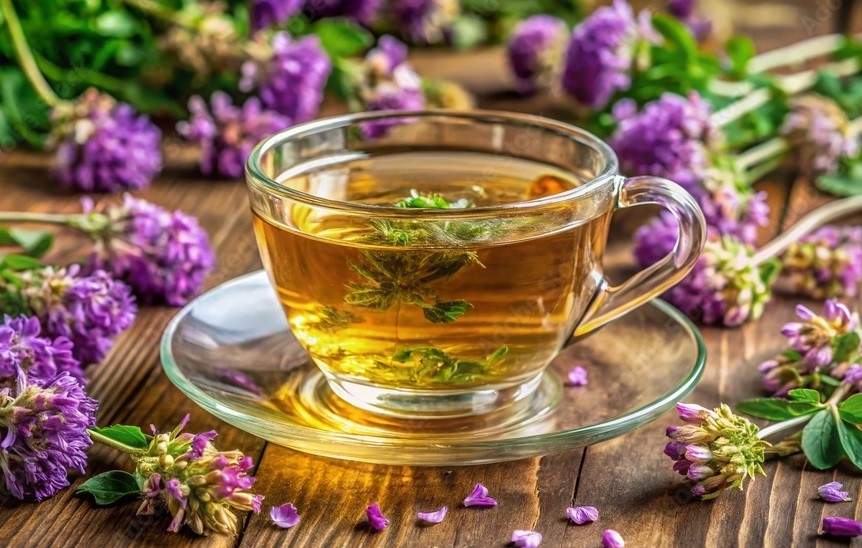
Herbal teas have been used across cultures for centuries as both nourishment and natural support for wellness. Among the lesser-known but increasingly popular herbal infusions is alfalfa tea — a mild, nutrient-rich drink made from the leaves or seeds of the alfalfa plant. Traditionally valued for livestock nutrition, alfalfa has also found its place in human diets and herbal practices due to its dense micronutrient profile and potential health-supporting properties. In this guide, you’ll learn what alfalfa tea is, its proven health benefits, possible side effects, preparation methods, and practical tips for safe consumption.
What is Alfalfa Tea?
Alfalfa tea is a herbal infusion prepared from the dried leaves, sprouts, or seeds of the alfalfa plant (Medicago sativa), a perennial flowering plant belonging to the legume family. Native to parts of Asia and the Mediterranean, alfalfa has long been cultivated for both agricultural and medicinal purposes.
The name “alfalfa” originates from Arabic meaning “father of all foods,” reflecting its reputation as a nutrient-dense plant. The tea has a light, grassy flavor and is naturally caffeine-free, making it suitable for consumption at various times of day.
Alfalfa leaves are especially valued because they contain:
- Vitamins such as A, C, E, and K
- Minerals like calcium, magnesium, and iron
- Plant compounds including saponins, flavonoids, and phytoestrogens
These components contribute to the tea’s potential health-supporting properties.
Components of Alfalfa Tea
The exact nutrient content varies depending on preparation strength and plant quality. The table below reflects approximate values per 1 cup (240 ml) of brewed alfalfa tea.
| Nutrient | Approximate Amount |
|---|---|
| Calories | 2–5 kcal |
| Protein | Trace |
| Carbohydrates | <1 g |
| Fiber | 0 g |
| Vitamin A | Small amounts |
| Vitamin C | Small amounts |
| Vitamin K | Moderate trace levels |
| Calcium | 5–15 mg |
| Magnesium | 3–10 mg |
| Iron | Trace |
| Potassium | 10–30 mg |
| Antioxidants | Present |
| Phytoestrogens | Present |
Note: Herbal teas typically provide low macronutrients but valuable bioactive compounds.
20 Science-Backed Benefits of Alfalfa Tea
- Rich in Antioxidants — Contains plant compounds that help protect cells from oxidative stress and environmental damage.
- Supports Digestive Health — May encourage smoother digestion and nutrient absorption due to its mild herbal properties.
- Cholesterol Management Support — Saponins found in alfalfa may help reduce the absorption of dietary cholesterol.
- Promotes Heart Health — Potassium and magnesium contribute to maintaining healthy cardiovascular function.
- Strengthens Bones — Provides trace minerals and vitamin K that support bone density and skeletal health.
- Supports Detox Processes — Chlorophyll and phytonutrients may assist natural cleansing functions of the body.
- Helps Balance Blood Sugar — Some compounds may support stable glucose metabolism when consumed moderately.
- Boosts Immune Defense — Nutrients like vitamin C help support normal immune system function.
- Improves Skin Vitality — Antioxidants contribute to maintaining skin elasticity and repair.
- Reduces Inflammatory Responses — Plant bioactives may help moderate inflammation levels.
- Hormonal Support — Phytoestrogens may assist mild hormonal balance in certain individuals.
- Enhances Energy Levels — Micronutrients help support metabolism and daily vitality.
- Weight-Friendly Beverage — Low in calories and hydrating, making it suitable for balanced diet plans.
- Encourages Kidney Function — Mild diuretic effects may support fluid balance and elimination.
- Supports Hair Health — Nutrients contribute to scalp nourishment and hair strength.
- Improves Circulation — Certain compounds may support healthy blood flow.
- Respiratory Comfort — Traditionally used to soothe minor respiratory irritation.
- Stimulates Appetite — May gently encourage appetite in individuals with low intake.
- Cognitive Protection — Antioxidants help protect brain cells from oxidative stress.
- Supports Overall Nutrition — Provides small amounts of micronutrients that complement a balanced diet.
10 Side Effects of Alfalfa Tea
- Autoimmune Reactions — Excess intake may aggravate autoimmune conditions in sensitive individuals.
- Digestive Discomfort — Overconsumption can lead to bloating, cramps, or loose stools.
- Hormonal Interference — Phytoestrogens may affect hormone-sensitive conditions.
- Allergic Responses — Some people may experience itching, rash, or swelling.
- Sun Sensitivity — Certain compounds may increase skin sensitivity to sunlight.
- Medication Interactions — Vitamin K content may reduce effectiveness of blood-thinning drugs.
- Pregnancy Concerns — Strong intake may not be suitable during pregnancy without medical advice.
- Lupus-Like Symptoms — High intake of alfalfa seed products has been linked to immune reactions.
- Blood Sugar Reduction — May lower glucose levels and require monitoring in diabetics.
- Nutrient Imbalance Risk — Excessive consumption could interfere with dietary balance.
How to Make Alfalfa Tea?
Ingredients
- 1–2 teaspoons dried alfalfa leaves
- 1 cup hot water
Instructions
- Boil fresh water and let it cool slightly.
- Place alfalfa leaves in a teapot or cup.
- Pour hot water over the herbs.
- Cover and steep for 5–10 minutes.
- Strain and serve warm.
Optional additions: lemon, honey, or mint for flavor.
Other Uses of Alfalfa Tea
- Hair rinse for scalp nourishment
- Skin toner after cooling
- Plant fertilizer infusion in gardening
- Soothing compress for minor irritation
- Bath additive for relaxation
How Much Alfalfa Tea Can You Drink a Day?
Moderation is key. Most herbal practitioners recommend:
- 1–3 cups daily for general wellness
- Avoid prolonged high intake without professional guidance
Individual tolerance and health status should guide consumption.
Tips for Consuming Alfalfa Tea
- Choose organic, high-quality dried leaves
- Avoid over-steeping to prevent bitterness
- Store herbs in airtight containers
- Combine with other herbs for taste variation
- Start with small quantities to assess tolerance
Best Time to Drink Alfalfa Tea
- Morning: gentle nutrient boost
- After meals: digestive support
- Afternoon: caffeine-free hydration
Because it is caffeine-free, it can be consumed in the evening, though mild diuretic effects may influence sleep for some individuals.
Who Should Drink Alfalfa Tea?
- Individuals seeking caffeine-free herbal beverages
- Those wanting additional plant-based micronutrients
- People exploring digestive or general wellness support
- Adults with balanced diets looking for herbal variety
Who Should Not Drink Alfalfa Tea?
- Pregnant or breastfeeding individuals without medical advice
- People with autoimmune disorders
- Those on anticoagulant medication
- Individuals with hormone-sensitive conditions
- Anyone allergic to legumes
Precautions and Interactions
- Consult healthcare professionals if taking medications
- Avoid excessive intake or concentrated extracts
- Monitor for unusual symptoms
- Use only food-grade herbal products
- Maintain dietary balance alongside herbal consumption
Conclusion
Alfalfa tea represents a gentle yet nutrient-supportive herbal beverage rooted in traditional use and supported by modern nutritional understanding. Its antioxidants, plant compounds, and trace minerals may contribute to digestive health, cardiovascular wellness, and overall vitality. However, as with any herbal product, mindful consumption and awareness of individual health conditions are essential. Incorporating alfalfa tea into a balanced lifestyle can provide variety and potential wellness support, but it should be approached thoughtfully, respecting both its benefits and its limitations.
FAQ’s
What is alfalfa tea made from?
Alfalfa tea is made by steeping dried leaves, sprouts, or sometimes seeds of the alfalfa plant in hot water. The leaves are most commonly used because they contain beneficial nutrients and plant compounds.
What does alfalfa tea taste like?
It has a mild, grassy, slightly earthy flavor similar to green herbal infusions. Many people add honey, lemon, or mint to enhance the taste.
Is alfalfa tea caffeine-free?
Yes, alfalfa tea is naturally caffeine-free, making it suitable for people avoiding stimulants or looking for a calming herbal beverage.
How long does it take for alfalfa tea to work?
Effects vary depending on the purpose of use. Hydration and mild digestive comfort may be noticed quickly, while nutritional or wellness-related effects generally require consistent use over time.
Can you drink alfalfa tea every day?
Moderate daily consumption, typically 1–3 cups, is considered reasonable for most healthy adults. However, long-term use should be discussed with a healthcare professional.
Is alfalfa tea safe during pregnancy?
Pregnant individuals should avoid or consult a healthcare provider before drinking it, as certain compounds may stimulate uterine activity.
Does alfalfa tea help with cholesterol levels?
Some research suggests compounds in alfalfa may support cholesterol management, but it should not replace medical treatment or prescribed medications.
Can diabetics drink alfalfa tea?
It may influence blood sugar levels, so individuals with diabetes should monitor levels and consult their healthcare provider before regular use.
How should alfalfa tea be stored?
Store dried alfalfa leaves in an airtight container away from heat, light, and moisture to preserve freshness and potency.
Can children drink alfalfa tea?
Occasional small amounts may be acceptable, but routine consumption should be guided by a healthcare professional due to limited research in children.
What is alfalfa tea good for?
Alfalfa tea is good for supporting overall wellness, including digestion, heart health, immunity, and bone strength, due to its antioxidants and micronutrients. It may also help with hydration and cholesterol balance when consumed as part of a healthy diet.
Also Read: