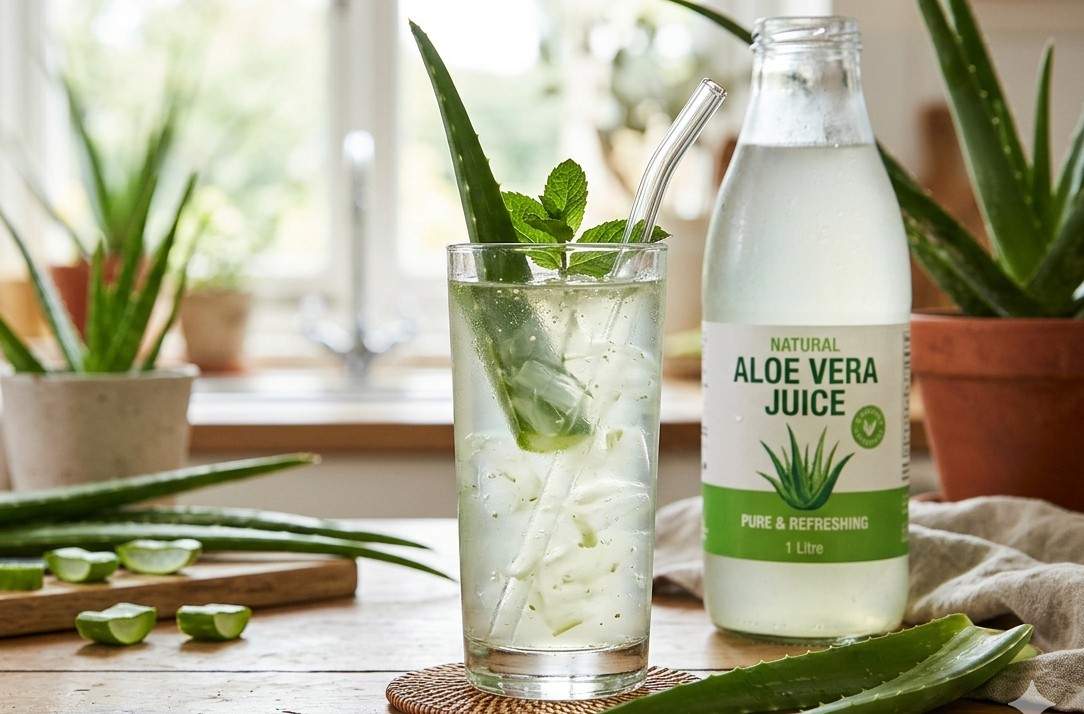
Aloe vera has been valued for centuries as a natural healer. From ancient herbal traditions to modern wellness routines, this humble succulent plant has earned a reputation for soothing, nourishing, and supporting overall health. Among its many forms, aloe vera juice stands out as a popular drink for detox, digestion, and skin health.
In this guide, you’ll learn everything about aloe vera juice—from its nutrition profile to its proven health benefits, side effects, preparation, and safe usage.
What is Aloe Vera Juice?
Aloe vera juice is a liquid extracted from the fleshy leaves of the aloe vera plant. The gel inside the leaves is blended with water to create a drinkable form. It is typically clear to slightly cloudy and has a mild, slightly bitter taste.
There are two main types of aloe-derived liquids:
- Aloe gel juice – made from the inner leaf gel (safe and commonly consumed)
- Aloe latex juice – derived from the yellow layer beneath the leaf skin (not recommended due to strong laxative effects)
Most commercially available aloe vera juices are filtered and purified to remove harmful compounds like aloin, making them safer for regular consumption.
Nutrition Facts of Aloe Vera Juice
Below is an approximate nutritional breakdown per 100 ml of pure aloe vera juice:
| Nutrient | Amount |
|---|---|
| Calories | 2–5 kcal |
| Carbohydrates | 0.5–1 g |
| Sugars | 0 g |
| Fiber | 0–0.2 g |
| Protein | 0 g |
| Fat | 0 g |
| Vitamin C | Trace |
| Vitamin A | Trace |
| Calcium | 5–10 mg |
| Magnesium | 2–5 mg |
| Potassium | 5–15 mg |
| Enzymes | Present |
| Antioxidants | Present |
Aloe vera juice is low in calories and sugar, making it suitable for many dietary plans.
20 Science-Backed Benefits of Aloe Vera Juice
- Improves Digestion: Juice helps soothe the digestive tract and may reduce symptoms like bloating and indigestion.
- Supports Gut Health: It contains enzymes that aid in breaking down sugars and fats, promoting smoother digestion.
- Relieves Constipation: Aloe latex compounds have natural laxative properties, though should be consumed cautiously.
- Boosts Hydration: High water content helps maintain hydration levels, especially in hot climates.
- Enhances Skin Health: Its antioxidants support clearer, more hydrated skin from within.
- Reduces Inflammation: Aloe contains anti-inflammatory compounds that may help calm internal irritation.
- Supports Immune Function: Rich in antioxidants, it helps the body fight oxidative stress.
- Aids Detoxification: Aloe vera juice supports liver function and helps flush toxins.
- Promotes Heart Health: Some studies suggest it may help maintain healthy cholesterol levels.
- Balances Blood Sugar: Aloe vera may help improve insulin sensitivity when consumed moderately.
- Improves Oral Health: It may reduce plaque buildup and support gum health when used as a rinse or drink.
- Supports Weight Management: Low in calories and hydrating, it can complement weight loss routines.
- Boosts Energy Levels: Proper hydration and nutrient absorption can improve overall energy.
- Enhances Nutrient Absorption: Aloe vera may help the body better absorb vitamins and minerals.
- Soothes Acid Reflux: Its cooling properties can help reduce symptoms of heartburn.
- Supports Liver Health: Aloe vera may assist in maintaining proper liver function.
- Improves Hair Health: Better hydration and nutrient delivery can support stronger hair growth.
- Reduces Oxidative Stress: Antioxidants help protect cells from damage.
- Supports Alkalinity: Aloe vera juice may help balance the body’s pH levels.
- Promotes Overall Wellness: Regular, moderate consumption contributes to general health maintenance.
10 Side Effects of Aloe Vera Juice
- Digestive Cramps: Overconsumption may cause abdominal pain and discomfort.
- Diarrhea: Strong laxative effects can lead to frequent loose stools.
- Electrolyte Imbalance: Excessive use may lower potassium levels.
- Allergic Reactions: Some individuals may experience skin rash or irritation.
- Kidney Issues: Long-term excessive intake may strain kidney function.
- Drug Interactions: Aloe may interfere with medications like diuretics or diabetes drugs.
- Pregnancy Risks: It may stimulate uterine contractions and should be avoided.
- Blood Sugar Drops: It can lower glucose levels, which may be risky for some individuals.
- Dehydration: Diarrhea caused by excess intake can lead to dehydration.
- Liver Concerns: Rare cases of liver toxicity have been reported with improper use.
How to Make Aloe Vera Juice?
Making aloe vera juice at home ensures freshness and purity.
Ingredients:
- 1 fresh aloe vera leaf
- 1–2 cups water
- Optional: lemon juice or honey for taste
Steps:
- Wash the aloe leaf thoroughly.
- Cut off the thorny edges and peel the outer skin.
- Scoop out the clear gel carefully.
- Rinse the gel to remove any yellow latex residue.
- Blend the gel with water until smooth.
- Add lemon juice or honey if desired.
- Strain (optional) and serve fresh.
Tips for Consuming Aloe Vera Juice
- Start with small quantities to test tolerance.
- Always use purified or properly prepared aloe gel.
- Mix with other juices to improve taste.
- Avoid consuming raw latex portions.
- Drink fresh whenever possible for maximum benefits.
Other Uses of Aloe Vera Juice
Beyond drinking, juice has several alternative uses:
- Can be used as a natural skin toner
- Helps soothe sunburn when applied topically
- Works as a scalp treatment for dandruff
- Can be added to DIY face masks
- Used as a mild mouth rinse for oral hygiene
How Much Aloe Vera Juice Can You Drink in a Day?
A safe daily intake is generally:
- 30–50 ml per day for beginners
- Up to 100 ml per day for regular users (if well tolerated)
It’s best not to exceed recommended amounts to avoid side effects.
Best Time to Drink Aloe Vera Juice
- Morning on an empty stomach: Supports digestion and detox
- Before meals: May help improve nutrient absorption
- Avoid late night consumption: Due to possible laxative effects
Who Should Drink Aloe Vera Juice?
Juice may be beneficial for:
- People with mild digestive issues
- Individuals seeking hydration and detox support
- Those looking to improve skin health naturally
- People managing weight or low-calorie diets
Who Should Avoid Aloe Vera Juice?
Avoid or consult a doctor before use if you are:
- Pregnant or breastfeeding
- Suffering from kidney disorders
- Taking medications (especially for diabetes or heart conditions)
- Experiencing chronic digestive issues
- Allergic to aloe vera
How to Store Aloe Vera Juice?
- Store in an airtight glass container
- Keep refrigerated at all times
- Consume within 2–3 days if homemade
- Avoid exposure to direct sunlight
- Shake well before use
Precautions and Interactions
- Always use decolorized, purified juice for safety
- Avoid combining with strong laxatives
- Monitor blood sugar levels if diabetic
- Consult a healthcare professional if on medication
- Do not consume excessively or continuously without breaks
Final Thoughts
Aloe vera juice is a powerful natural drink that offers a wide range of potential health benefits—from better digestion to improved skin and hydration. However, like any natural remedy, it must be used wisely. Moderation, proper preparation, and awareness of side effects are key to making the most of this plant-based elixir.
FAQ’s
What is aloe vera juice good for?
Juice is commonly used to support digestion, improve skin health, boost hydration, and provide antioxidant benefits that help overall wellness.
Can I drink aloe vera juice every day?
Yes, juice can be consumed daily in moderate amounts (30–100 ml), provided it is purified and you do not experience any side effects.
How long does it take for aloe vera juice to work?
Some people notice digestive relief within a few days, while benefits like improved skin or overall health may take a few weeks of consistent use.
Can aloe vera juice help with weight loss?
Juice may support weight loss indirectly by improving digestion and hydration, but it is not a standalone solution for losing weight.
What does aloe vera juice taste like?
Juice has a mild, slightly bitter taste, which is why many people mix it with fruit juices or honey to improve flavor.
Can aloe vera juice improve skin health?
Yes, its antioxidants and hydrating properties may help promote clearer, healthier-looking skin over time.
Is aloe vera juice good for acidity and acid reflux?
Juice may help soothe the stomach lining and reduce symptoms of acid reflux due to its cooling properties.
Can aloe vera juice lower blood sugar levels?
Some studies suggest it may help regulate blood sugar, but people with diabetes should consult a doctor before use.
Is aloe vera juice safe during pregnancy?
No, juice—especially unprocessed forms—should be avoided during pregnancy as it may stimulate uterine contractions.
Can aloe vera juice cause diarrhea?
Yes, excessive intake or consumption of aloe latex can lead to diarrhea and digestive discomfort.
Should I drink aloe vera juice on an empty stomach?
Drinking it in the morning on an empty stomach is often recommended for better digestion and absorption.
Can aloe vera juice be given to children?
It is best to consult a pediatrician before giving juice to children, as their digestive systems are more sensitive.
How do I choose the best aloe vera juice?
Look for products labeled “purified,” “decolorized,” and free from added sugars, artificial flavors, or aloin.
Can I drink aloe vera juice at night?
It is generally not recommended at night due to its potential laxative effects, which may disturb sleep.
Does aloe vera juice detox the body?
Juice may support natural detox processes by aiding digestion and liver function, but it does not “detox” the body in a medical sense.
How should aloe vera juice be stored after opening?
It should be kept refrigerated in a sealed container and consumed within a few days if homemade.
Is aloe vera juice good for hair growth?
Indirectly, yes—by improving hydration and nutrient absorption, it may support healthier hair.
What is the best way to drink aloe vera juice?
It is best consumed fresh, either plain or mixed with water, lemon juice, or other natural beverages to improve taste and benefits.
What does aloe vera juice smell like?
Juice has a very mild, fresh, and slightly herbal smell, sometimes with a faint earthy note, but it is generally not strong or unpleasant.
Does aloe vera cleanse the colon?
Juice may support bowel movements due to its natural laxative compounds, but it should not be relied upon as a colon cleanser, and excessive use can be harmful.
Can diabetics drink aloe vera juice?
Diabetics may consume juice in small amounts, as it may help regulate blood sugar levels, but they should consult a doctor first to avoid unwanted interactions or sudden drops in glucose.
How to drink aloe vera juice in the morning?
Drink 30–50 ml of aloe vera extract juice on an empty stomach, preferably diluted with a glass of water or mixed with lemon juice for better taste and digestion support.
Also Read: