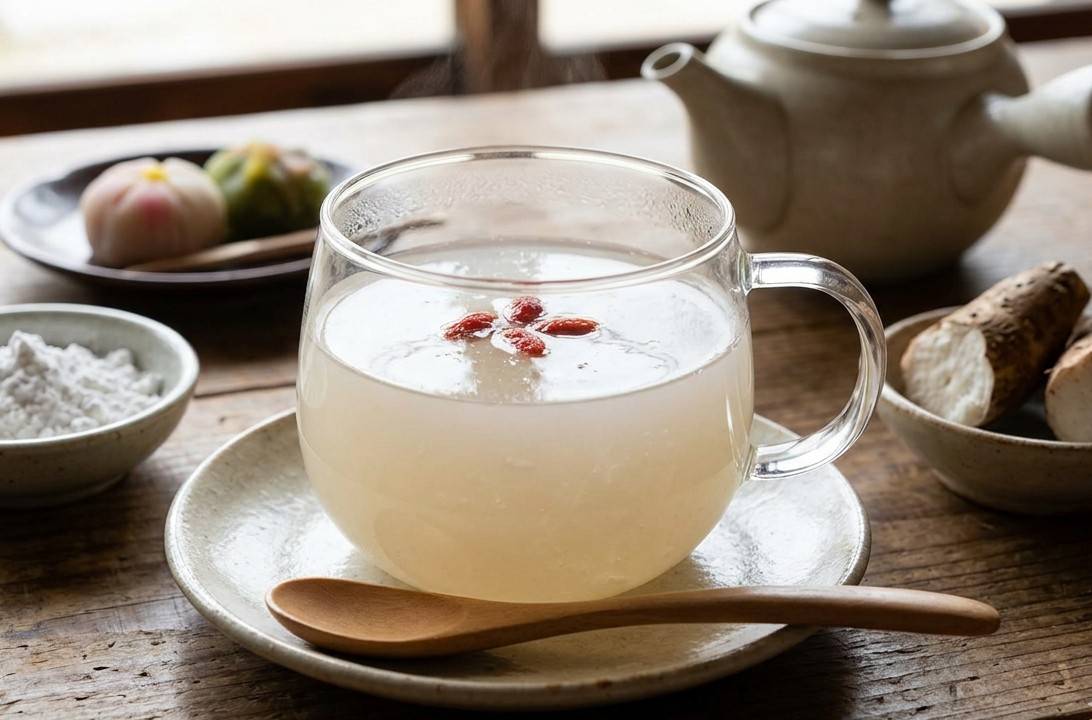
Arrowroot tea (Kudzu tea) is a soothing herbal beverage made from the starch of the arrowroot plant. Known for its digestive-supporting properties and gentle nature, arrowroot tea has been used in traditional medicine systems across tropical regions for centuries. It is particularly valued for calming the stomach, supporting hydration, and providing easily digestible carbohydrates during illness or recovery.
This guide explores everything you need to know about arrowroot tea, including its nutritional profile, proven health benefits, possible side effects, preparation methods, dosage, and safety precautions.
What is Arrowroot Tea?
Arrowroot tea is a warm beverage prepared using arrowroot powder, which is derived from the rhizomes (underground stems) of the arrowroot plant, scientifically known as Maranta arundinacea. The plant is native to tropical regions of South America and is now cultivated in parts of Asia, the Caribbean, and Africa.
Arrowroot powder is a fine, white, flavor-neutral starch that dissolves easily in water. When mixed with warm water and simmered, it forms a smooth, mildly thick liquid. Unlike many herbal teas made from leaves or flowers, arrowroot tea is made from starch, which gives it unique digestive and soothing properties.
It is traditionally used for:
- Diarrhea relief
- Digestive discomfort
- Fever recovery
- Infant feeding support (in diluted form)
- Post-illness nourishment
Because it is gluten-free and easily digestible, arrowroot tea is often recommended for people with sensitive digestive systems.
Nutritional Facts of Arrowroot Tea
The nutritional value of arrowroot tea depends on how concentrated it is. Below is an approximate nutritional breakdown of 1 tablespoon (about 8 grams) of arrowroot powder used to prepare one cup of tea.
| Nutrient | Amount (Per 1 Tbsp / 8g) |
|---|---|
| Calories | 30–35 kcal |
| Carbohydrates | 7–8 g |
| Protein | 0 g |
| Fat | 0 g |
| Fiber | 0–0.2 g |
| Potassium | 10–15 mg |
| Calcium | 2–5 mg |
| Iron | 0.1–0.2 mg |
| Sodium | 0–2 mg |
| Gluten | 0 g |
Arrowroot is primarily composed of easily digestible starch. It contains small amounts of minerals but is mainly valued for its soothing carbohydrate content rather than micronutrient density.
20 Science-Backed Benefits of Arrowroot Tea
- Supports Digestive Health – Arrowroot tea helps soothe the digestive lining and may reduce irritation in the stomach and intestines.
- Helps Manage Diarrhea – Its starchy composition can add bulk to stools and support recovery from mild diarrhea.
- Easily Digestible Energy Source – The simple starch in arrowroot provides quick energy without straining the digestive system.
- Gentle on the Stomach – Arrowroot tea is suitable for people recovering from illness due to its mild and non-irritating nature.
- May Help with Irritable Bowel Symptoms – Its soothing properties can calm intestinal discomfort in sensitive individuals.
- Gluten-Free Alternative – Arrowroot tea is naturally gluten-free, making it safe for people with gluten intolerance or celiac disease.
- Supports Hydration During Illness – When consumed warm, it helps maintain fluid intake during fever or digestive upset.
- May Help Reduce Acid Irritation – The smooth texture may help coat the stomach lining and reduce mild acidity discomfort.
- Low in Fat and Protein – It is suitable for temporary low-residue or bland diets.
- Suitable for Convalescence Diets – Arrowroot tea is often included in post-surgery or recovery diets due to its easy digestibility.
- May Support Gut Microbiome – Arrowroot contains resistant starch, which can act as a prebiotic under certain conditions.
- Helps Restore Strength After Diarrhea – Provides calories without overloading the digestive system.
- Cooling Effect on the Body – Traditionally considered cooling in tropical medicine systems.
- May Support Immune Function Indirectly – Proper nourishment and gut health contribute to immune resilience.
- Low Allergenic Potential – Arrowroot is generally hypoallergenic compared to many grains.
- Supports Bland Diet Protocols – Often included in BRAT-style diets for digestive upset.
- May Help Reduce Nausea – The mild consistency may help settle a sensitive stomach.
- Suitable for Children in Diluted Form – Traditionally used in mild digestive issues for children under supervision.
- Quick Preparation – Easily prepared and tolerated when solid food intake is limited.
- Versatile Therapeutic Beverage – Can be customized with ginger or salt for additional digestive benefits.
10 Side Effects of Arrowroot Tea
While generally safe, arrowroot tea may have certain drawbacks if consumed improperly or excessively.
- High Carbohydrate Load – Excess intake may spike blood sugar levels in individuals with diabetes.
- Low Nutrient Density – It provides calories but very limited vitamins and minerals.
- Possible Constipation – Overuse may firm stools excessively in some individuals.
- Not a Protein Source – Cannot replace balanced nutrition in long-term diets.
- May Cause Bloating in Excess – High starch intake may ferment in sensitive individuals.
- Allergic Reaction (Rare) – Though uncommon, some individuals may experience sensitivity.
- Overreliance During Illness – Using it as the sole food source may delay recovery due to inadequate nutrients.
- May Interfere with Strict Low-Carb Diets – Not suitable for ketogenic or strict carbohydrate-restricted plans.
- Improper Preparation Risks – Undercooked arrowroot may be harder to digest.
- Not Suitable for Severe Gastrointestinal Conditions Without Medical Advice – Chronic digestive disorders require medical supervision.
How to Make Arrowroot Tea?
Ingredients:
- 1 tablespoon arrowroot powder
- 1 cup water
- Optional: pinch of salt, honey, or grated ginger
Instructions:
- Mix arrowroot powder with 2–3 tablespoons of cold water to create a smooth paste.
- Heat 1 cup of water in a saucepan.
- Add the arrowroot mixture slowly while stirring continuously.
- Simmer for 2–3 minutes until it thickens slightly.
- Remove from heat and add optional ingredients if desired.
- Serve warm.
Do not boil aggressively, as excessive heat can break down the starch structure.
Other Uses of Arrowroot Tea
Arrowroot tea is not only consumed as a beverage but can also be used in various practical and culinary ways:
- As a base for recovery drinks
- As a thickening agent in soups and broths
- As a gentle weaning food base
- In homemade oral rehydration mixtures
- As a soothing drink during fever
- As a base for herbal digestive infusions
Arrowroot starch is also widely used in baking, gluten-free cooking, cosmetics, and natural skincare products.
How Much Arrowroot Tea Can You Drink a Day?
For most healthy adults, 1–2 cups per day is considered safe when used occasionally for digestive support.
During illness, it may be consumed 2–3 times daily in small servings under medical supervision.
Long-term daily use as a primary beverage is not recommended because it lacks essential nutrients required for balanced nutrition. People with diabetes or metabolic conditions should consult a healthcare professional before regular use.
Tips for Consuming Arrowroot Tea
- Always dissolve in cold water before heating to avoid lumps.
- Drink warm, not extremely hot.
- Avoid adding excessive sugar.
- Combine with ginger for added digestive benefits.
- Use organic, food-grade arrowroot powder.
- Do not store prepared tea for long periods.
- Consume fresh for best results.
Best Time to Drink Arrowroot Tea
- During episodes of diarrhea
- When recovering from stomach flu
- After vomiting
- During mild digestive discomfort
- As a light evening drink when appetite is low
- During fever recovery
It is generally best consumed between meals rather than immediately after heavy meals.
Who Should Drink Arrowroot Tea?
Arrowroot tea may be beneficial for:
- People with mild digestive upset
- Individuals recovering from illness
- Those on bland or low-residue diets
- People with gluten intolerance
- Elderly individuals with weak digestion
- Children (in diluted form under supervision)
Who Should Not Drink Arrowroot Tea?
Avoid or limit arrowroot tea if you:
- Have uncontrolled diabetes
- Follow a strict ketogenic diet
- Require high-protein nutritional intake
- Have severe gastrointestinal disorders without medical guidance
- Are allergic to arrowroot (rare)
Precautions and Interactions
- Consult a healthcare provider if you have chronic digestive diseases.
- Monitor blood sugar levels if diabetic.
- Avoid substituting arrowroot tea for balanced meals long term.
- Use caution in infants without pediatric advice.
- Ensure the product is pure arrowroot and not mixed with other starches.
Arrowroot tea is generally safe when used in moderation and for short-term digestive support.
Final Thoughts
Arrowroot tea is a simple yet effective traditional remedy that offers gentle digestive support, easy energy, and hydration during illness. While not a nutritional powerhouse, its easily digestible starch makes it valuable during recovery or digestive distress. When consumed appropriately and in moderation, kudzu tea can be a helpful addition to a natural wellness routine. However, it should not replace balanced nutrition or medical treatment for serious health conditions.
FAQ’s
What is arrowroot tea used for?
Kudzu tea is mainly used to soothe digestive issues such as diarrhea, nausea, and mild stomach irritation. It is also consumed during illness recovery for easy-to-digest energy.
Is arrowroot tea good for diarrhea?
Yes, arrowroot tea is traditionally used to help manage mild diarrhea because its starch content can help firm stools and calm the digestive tract.
Can arrowroot tea help with acid reflux?
Kudzu tea may help soothe mild stomach irritation due to its smooth texture, but it is not a medical treatment for chronic acid reflux.
Is arrowroot tea safe for children?
In diluted form and under supervision, kudzu tea has traditionally been given to children for mild digestive discomfort, but pediatric advice is recommended.
Can people with diabetes drink arrowroot tea?
People with diabetes should consume kudzu tea cautiously because it is high in carbohydrates and may raise blood sugar levels.
Is arrowroot tea gluten-free?
Yes, kudzu tea is naturally gluten-free, making it suitable for individuals with gluten intolerance or celiac disease.
Does arrowroot tea provide protein?
No, kudzu tea contains almost no protein and should not be relied upon as a primary nutritional source.
Can arrowroot tea cause constipation?
In some individuals, excessive consumption may firm stools too much and potentially lead to constipation.
Is arrowroot tea safe during pregnancy?
Arrowroot itself is generally considered safe as a food starch, but pregnant women should consult their healthcare provider before regular medicinal use.
Can arrowroot tea help with IBS?
Some people with sensitive digestion may find it soothing, but its effectiveness varies depending on individual triggers.
Does arrowroot tea have caffeine?
No, kudzu tea is completely caffeine-free.
Can arrowroot tea help with dehydration?
It can support hydration when consumed as a warm liquid, especially during mild illness, but it is not a replacement for oral rehydration solutions.
Is arrowroot tea good for weight loss?
Kudzu tea is not specifically a weight-loss drink, as it mainly provides carbohydrates for energy.
Can you drink arrowroot tea daily?
Short-term daily use during digestive recovery is generally safe, but long-term daily use is not recommended without dietary balance.
How long does it take for Arrowroot Tea to work?
Kudzu tea may begin soothing the stomach within a few hours, especially in cases of mild diarrhea or digestive discomfort. Results vary depending on the severity of symptoms and individual digestion.
How should Arrowroot Tea be stored?
Prepared kudzu tea should be consumed fresh and not stored for long periods, as it can thicken and spoil. Arrowroot powder should be kept in an airtight container in a cool, dry place away from moisture.
What is Arrowroot Tea good for?
Kudzu tea is good for soothing digestive issues, supporting recovery during illness, and providing easy-to-digest energy. It is commonly used for mild diarrhea, nausea, and stomach irritation.
What does Arrowroot Tea taste like?
Kudzu tea has a very mild, neutral taste with a slightly starchy texture. It is often flavored with honey, ginger, or a pinch of salt to improve taste.
Also Read: