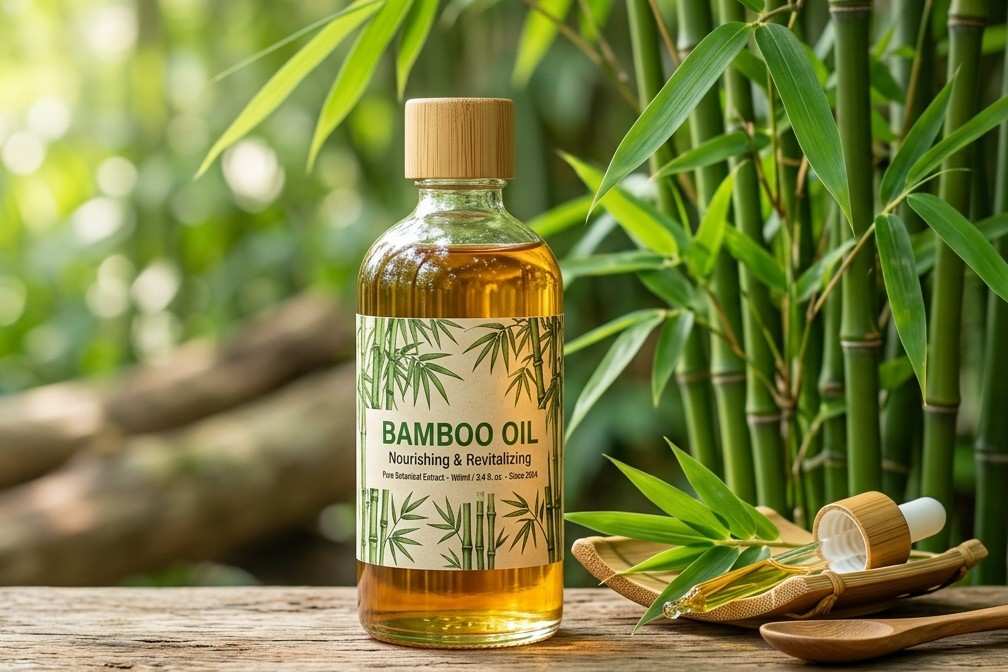
Bamboo oil is a lesser-known natural oil that has gained attention in the wellness, skincare, and aromatherapy industries. Derived from various parts of the bamboo plant through extraction or distillation methods, bamboo oil is valued for its rich antioxidant content, soothing properties, and versatility. Bamboo itself has been used in traditional Asian cultures for centuries for construction, food, medicine, and beauty applications. Today, bamboo-derived products, including bamboo oil, are becoming increasingly popular among health-conscious consumers seeking natural alternatives.
Bamboo oil is often associated with bamboo extract and bamboo leaf essential oil. It contains beneficial plant compounds such as flavonoids, phenolic acids, silica-related compounds, and antioxidants that may support skin health, hair care, relaxation, and overall wellness. Due to its refreshing aroma and nourishing properties, bamboo oil is frequently used in cosmetics, massage oils, soaps, lotions, and aromatherapy blends.
This guide explores everything you need to know about bamboo oil, including its science-backed benefits, side effects, dosage recommendations, usage methods, storage tips, and precautions.
What is Bamboo Oil?
Bamboo oil is a plant-derived oil extracted primarily from bamboo leaves, shoots, or stems through steam distillation or infusion methods. Depending on the production process, bamboo oil may contain various bioactive compounds that contribute to its health and cosmetic benefits.
Unlike common cooking oils, bamboo oil is more commonly used in skincare, haircare, massage therapy, aromatherapy, and wellness products. It is valued for its antioxidant properties and its ability to help moisturize, soothe, and protect the skin.
Bamboo oil is often blended with carrier oils such as coconut oil, jojoba oil, almond oil, or olive oil to improve its usability and enhance its benefits.
Components of Bamboo Oil
The exact nutritional composition varies by extraction method and manufacturer.
| Nutrient/Compound | Approximate Presence |
|---|---|
| Calories | Minimal when used topically |
| Total Fat | Trace to moderate |
| Flavonoids | Present |
| Polyphenols | Present |
| Antioxidants | High |
| Silica Compounds | Present |
| Amino Acids | Trace amounts |
| Phenolic Acids | Present |
| Essential Plant Compounds | Present |
| Volatile Aromatic Compounds | Present |
| Vitamins | Small amounts |
| Minerals | Trace amounts |
20 Proven Benefits of Bamboo Oil
- Rich in Antioxidants: Bamboo essential oil contains antioxidants that help protect cells from oxidative stress and environmental damage.
- Supports Skin Hydration: Bamboo oil may help maintain skin moisture and improve overall skin softness.
- Promotes Healthy Hair: Regular use can help nourish hair strands and enhance shine.
- May Reduce Skin Irritation: Its soothing properties may help calm minor skin discomfort and redness.
- Helps Improve Skin Texture: Bamboo essential oil may contribute to smoother and healthier-looking skin.
- Supports Anti-Aging Efforts: Antioxidants in bamboo oil may help reduce the appearance of fine lines and wrinkles.
- Encourages Scalp Health: Applying bamboo essential oil to the scalp may help maintain a healthy scalp environment.
- Provides Aromatherapy Benefits: The natural aroma can promote relaxation and stress relief.
- May Help Protect Skin Barrier: Bamboo oil can assist in supporting the skin’s natural protective barrier.
- Supports Collagen Production: Bamboo-derived silica compounds may contribute to collagen maintenance.
- Enhances Hair Strength: Nutrients present in bamboo oil may help strengthen hair and reduce breakage.
- May Improve Skin Elasticity: Regular topical use may support firmer and more elastic skin.
- Offers Natural Moisturization: Bamboo essential oil acts as a gentle moisturizer suitable for many skin types.
- May Soothe Dry Skin: Its emollient properties can help relieve dryness and rough patches.
- Supports Massage Therapy: Bamboo oil is commonly used as a massage oil to promote relaxation.
- May Reduce Environmental Stress on Skin: Antioxidant compounds help combat damage caused by pollution and UV exposure.
- Contributes to a Healthy Glow: Consistent use may improve skin radiance and appearance.
- May Help Control Frizz: Applying small amounts to hair can improve manageability and smoothness.
- Supports Wellness Routines: Bamboo essential oil is often included in holistic self-care and wellness practices.
- Provides a Refreshing Sensory Experience: Its light fragrance can create a calming and refreshing atmosphere.
10 Side Effects of Bamboo Oil
- Skin Irritation: Some individuals may experience redness, itching, or irritation after application.
- Allergic Reactions: Sensitive individuals may develop allergic symptoms such as rash or swelling.
- Scalp Sensitivity: Excessive use on the scalp may cause irritation in some users.
- Contact Dermatitis: Direct exposure may trigger dermatitis in susceptible individuals.
- Eye Irritation: Accidental contact with the eyes may cause discomfort and watering.
- Digestive Upset: If consumed improperly, bamboo oil may lead to stomach discomfort.
- Headache from Strong Aroma: Some people may experience headaches from concentrated aromatic compounds.
- Respiratory Sensitivity: Inhaling large amounts of concentrated oil may irritate sensitive airways.
- Photosensitivity Risk: Certain formulations may increase sensitivity to sunlight.
- Interaction with Sensitive Skin Products: Combining with strong skincare ingredients may cause irritation.
How to Use Bamboo Oil?
Bamboo essential oil can be used in several ways depending on the intended purpose:
For Skin Care
Apply a few drops diluted with a carrier oil directly to clean skin and gently massage until absorbed.
For Hair Care
Massage diluted bamboo oil into the scalp and hair, leave it for 30–60 minutes, and wash thoroughly.
For Aromatherapy
Add a few drops to a diffuser to create a relaxing environment.
For Massage
Blend bamboo essential oil with a carrier oil and use it during massage sessions.
In DIY Beauty Products
Add bamboo essential oil to homemade lotions, creams, soaps, and body scrubs.
Other Uses of Bamboo Oil
- Natural Perfume Ingredient: Bamboo essential oil is used in fragrance blends for its fresh scent.
- Soap Making: It can enhance handmade soaps with aromatic and skin-friendly properties.
- Bath Oil Addition: Adding diluted bamboo essential oil to bath water may create a soothing experience.
- Body Lotion Enhancement: Bamboo essential oil can enrich moisturizing lotions and creams.
- Hair Serum Ingredient: It is often incorporated into hair serums for shine and smoothness.
- Massage Blend Component: Bamboo oil works well in relaxation-focused massage formulations.
- Spa Treatments: Many spas use bamboo essential oil in wellness therapies and treatments.
- Room Freshener Ingredient: Its refreshing aroma can help improve indoor ambiance.
- DIY Skincare Formulations: Bamboo essential oil is frequently added to homemade skincare products.
- Meditation Aid: Its calming fragrance may support meditation and mindfulness practices.
Tips for Consuming Bamboo Oil
Although bamboo oil is primarily used externally, some specialty bamboo-derived oils may be marketed for consumption. Always follow manufacturer instructions.
- Purchase products from reputable brands.
- Check labels for food-grade certification.
- Begin with small amounts if approved for internal use.
- Consult a healthcare professional before consumption.
- Avoid excessive intake.
- Follow recommended serving sizes.
- Store properly to maintain quality.
- Discontinue use if adverse effects occur.
- Avoid mixing with unknown supplements.
- Read ingredient lists carefully.
How to Take Bamboo Oil?
The method of taking bamboo essential oil depends on the product type:
- Topically as a skincare oil.
- As a hair treatment.
- Through aromatherapy diffusion.
- Mixed into cosmetic products.
- Internally only if specifically labeled as food-grade and approved by a healthcare professional.
How to Make Bamboo Oil at Home?
Ingredients:
- Fresh bamboo leaves
- Carrier oil (coconut, olive, or almond oil)
- Glass jar with lid
Method:
- Wash and dry bamboo leaves thoroughly.
- Chop the leaves into small pieces.
- Fill a clean glass jar with the leaves.
- Pour carrier oil over the leaves until fully submerged.
- Seal the jar tightly.
- Place it in a warm area for 2–4 weeks.
- Shake the jar every few days.
- Strain the oil through a fine cloth.
- Store the infused oil in a dark glass bottle.
Note that homemade bamboo-infused oil differs from professionally distilled bamboo essential oil.
How Much Bamboo Oil Can You Use Per Day?
The amount depends on the purpose:
- Skin care: 2–5 drops per application.
- Hair care: 5–10 drops mixed with carrier oil.
- Aromatherapy: 3–8 drops in a diffuser.
- Massage: 10–20 drops diluted in carrier oil.
For internal use, only follow product-specific directions and professional advice.
| Purpose | Suggested Amount |
| Facial Application | 2–3 drops |
| Body Massage | 10–20 drops diluted |
| Hair Treatment | 5–10 drops |
| Diffuser Use | 3–8 drops |
| DIY Cosmetics | 1–5% concentration |
Dosage requirements vary based on product concentration and individual sensitivity.
Best Time to Use Bamboo Oil
Morning
Morning application may help moisturize and protect the skin throughout the day.
Evening
Nighttime use allows the skin and hair to absorb the oil during rest.
Before Meditation
The calming aroma can enhance relaxation and mindfulness practices.
Before Hair Wash
Applying bamboo oil before shampooing may improve conditioning benefits.
During Massage Sessions
Use whenever relaxation or muscle comfort is desired.
Who Should Use Bamboo Oil?
- People with Dry Skin: Bamboo essential oil may help improve skin hydration and softness.
- Individuals Seeking Natural Skincare: It offers a plant-based option for skin nourishment.
- People with Dry Hair: Bamboo oil may help restore moisture and shine.
- Wellness Enthusiasts: It can complement holistic self-care routines.
- Massage Therapy Users: Bamboo essential oil is suitable for massage applications.
- Aromatherapy Practitioners: Its aroma may support relaxation and stress management.
- Individuals Seeking Anti-Aging Support: Antioxidants may help maintain youthful-looking skin.
- DIY Beauty Product Makers: Bamboo oil can be incorporated into homemade formulations.
- People with Frizzy Hair: It may improve hair smoothness and manageability.
- Spa and Beauty Professionals: Bamboo essential oil is widely used in wellness treatments.
Who Should Not Use Bamboo Oil?
- People with Known Bamboo Allergies: They may experience allergic reactions.
- Individuals with Highly Sensitive Skin: Patch testing is recommended before use.
- People Experiencing Active Skin Infections: Medical advice should be sought first.
- Individuals with Severe Respiratory Sensitivities: Aromatic oils may trigger discomfort.
- People with Unexplained Skin Conditions: Consultation with a dermatologist is advisable.
- Infants Without Medical Guidance: Use should be approved by a healthcare provider.
- Pregnant Women Without Professional Advice: Medical consultation is recommended.
- People Taking Certain Medications: Potential interactions should be discussed with a healthcare professional.
- Individuals with Chronic Health Conditions: Professional guidance is advised before use.
- Anyone Experiencing Adverse Reactions: Use should be discontinued immediately.
How to Store Bamboo Oil?
- Use Dark Glass Bottles: Dark containers help protect the oil from light exposure.
- Keep Away from Heat: Excessive heat may degrade active compounds.
- Store in a Cool Place: Cooler temperatures help preserve quality.
- Seal Tightly After Use: Proper sealing reduces oxidation.
- Avoid Moisture Exposure: Moisture may shorten shelf life.
- Keep Away from Direct Sunlight: Sunlight can accelerate deterioration.
- Use Clean Droppers: Prevent contamination by using clean application tools.
- Check Expiration Dates: Follow manufacturer recommendations.
- Store Away from Children: Keep products safely out of reach.
- Discard if Odor Changes: Significant changes in smell may indicate spoilage.
Precautions and Interactions
Before using bamboo oil, consider the following precautions:
- Conduct a patch test before applying to large skin areas.
- Always dilute concentrated bamboo essential oil with a carrier oil.
- Avoid direct contact with eyes and mucous membranes.
- Follow manufacturer instructions carefully.
- Do not exceed recommended usage amounts.
- Consult a healthcare professional if pregnant, breastfeeding, or managing a medical condition.
- Individuals taking medications should discuss potential interactions with their healthcare provider.
- Stop use immediately if irritation, rash, or discomfort develops.
- Use caution when combining bamboo essential oil with other potent essential oils.
- Keep products properly stored to maintain effectiveness and safety.
Conclusion
Bamboo oil is a versatile natural product valued for its potential skincare, haircare, aromatherapy, and wellness benefits. Rich in antioxidants and plant-based compounds, it may help support healthy skin, improve hair appearance, and promote relaxation. While bamboo essential oil offers many advantages, it should be used responsibly, especially in concentrated forms. Proper dilution, storage, dosage, and adherence to safety precautions can help maximize benefits while minimizing risks. Whether incorporated into beauty routines, massage therapy, or aromatherapy practices, bamboo essential oil continues to grow in popularity as a natural wellness ingredient.
FAQ’s
What is bamboo oil used for?
Bamboo essential oil is commonly used for skincare, haircare, massage therapy, aromatherapy, and in cosmetic products due to its moisturizing and soothing properties.
Is bamboo oil safe for the skin?
Yes, bamboo essential oil is generally safe for topical use when properly diluted, but a patch test is recommended before regular application.
Can bamboo oil help hair growth?
Bamboo essential oil may support a healthy scalp and reduce hair breakage, which can contribute to healthier-looking hair growth.
What does bamboo oil smell like?
Bamboo essential oil typically has a light, fresh, green, and slightly earthy aroma that many people find calming and refreshing.
Can bamboo oil be consumed?
Most bamboo oils are intended for external use only. Only consume bamboo oil if it is specifically labeled as food-grade and approved for internal use.
Is bamboo oil good for dry skin?
Yes, bamboo essential oil may help moisturize dry skin and improve skin softness when used regularly.
How often can I use bamboo oil?
Bamboo essential oil can generally be used once or twice daily for skincare and several times per week for hair treatments.
Can bamboo oil reduce wrinkles?
Its antioxidant content may help support skin health and reduce the appearance of fine lines and wrinkles over time.
Is bamboo oil suitable for sensitive skin?
Some people with sensitive skin may tolerate bamboo essential oil well, but a patch test is recommended before widespread use.
Can bamboo oil be used on the face?
Yes, diluted bamboo leaves oil can be applied to the face as part of a skincare routine.
How long does bamboo oil take to work?
Results vary depending on the purpose, but many users notice improvements in skin hydration and hair softness within a few weeks of consistent use.
Can bamboo oil be mixed with other oils?
Yes, bamboo leaves oil is often blended with carrier oils such as coconut oil, jojoba oil, almond oil, or olive oil.
Is bamboo oil safe during pregnancy?
Pregnant women should consult a healthcare professional before using bamboo leaves oil, especially concentrated essential oil formulations.
Does bamboo oil clog pores?
Bamboo leaves oil is generally considered lightweight, but skin reactions can vary depending on individual skin type and product formulation.
Can bamboo oil help with scalp dryness?
Yes, bamboo leaves oil may help moisturize the scalp and reduce dryness when used as a hair treatment.
Is bamboo oil suitable for all hair types?
Bamboo essential oil can be used on most hair types, including straight, wavy, curly, and coily hair.
Can bamboo oil be used in aromatherapy?
Yes, bamboo leaves oil is commonly used in diffusers and aromatherapy blends for its refreshing aroma.
Does bamboo oil expire?
Yes, bamboo leaves oil has a shelf life and should be used before its expiration date for best quality and effectiveness.
Is bamboo oil good for joints?
Bamboo leaves oil may help soothe joints and muscles when used in massage, but it is not a proven treatment for joint conditions.
Can I use Bamboo Oil every day?
Yes, bamboo essential oil can be used daily when applied as directed and tolerated well by your skin.
Is Bamboo Oil safe for children?
It may be safe when properly diluted, but consult a pediatrician before use.
What is Bamboo Oil good for?
Bamboo essential oil is used for skin hydration, hair care, scalp health, massage, and aromatherapy.
Also Read: