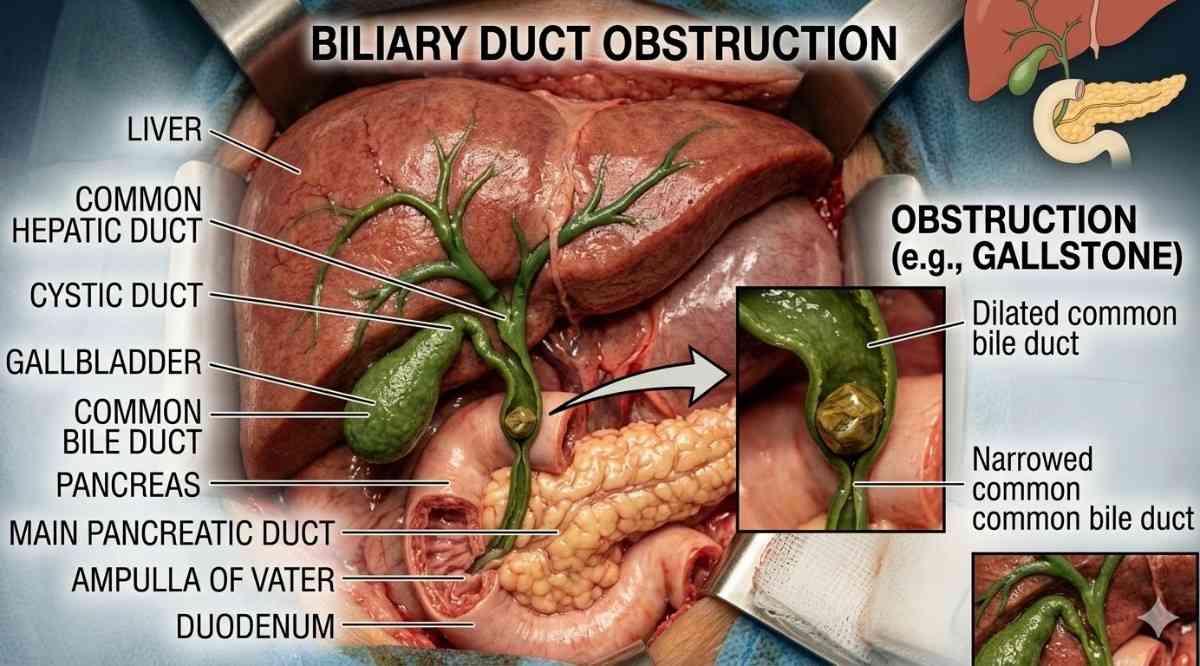
Bile duct obstruction is a serious medical condition that occurs when the flow of bile from the liver to the small intestine is partially or completely blocked. Bile plays a critical role in digestion, especially in breaking down fats and eliminating waste products such as bilirubin from the body. When bile cannot flow properly, it builds up in the liver, leading to complications that may become life-threatening if left untreated. This guide explores everything you need to know about bile duct obstruction, including its causes, symptoms, risk factors, diagnostic methods, treatment options, complications, and prevention strategies.
What Is Bile and Why Is It Important?
Bile is a yellow-green digestive fluid produced by the liver. It is stored in the gallbladder and released into the small intestine when you eat, particularly after consuming fatty foods. Bile contains bile salts, cholesterol, bilirubin, electrolytes, and water.
Its primary functions include:
- Breaking down fats into smaller particles for easier digestion
- Helping the body absorb fat-soluble vitamins (A, D, E, and K)
- Eliminating waste products such as bilirubin and excess cholesterol
If bile cannot reach the small intestine due to obstruction, digestion is impaired, and toxins accumulate in the bloodstream.
Understanding the Bile Duct System
The bile duct system includes several interconnected structures:
- Intrahepatic ducts: Small ducts inside the liver
- Common hepatic duct: Drains bile from the liver
- Cystic duct: Connects the gallbladder to the common bile duct
- Common bile duct (CBD): Carries bile from the liver and gallbladder to the small intestine
An obstruction can occur anywhere along this pathway. Depending on the location and cause, symptoms and severity may vary.
What Is Bile Duct Obstruction?
Bile duct obstruction, also known as biliary obstruction, occurs when there is a blockage in one or more bile ducts. This blockage prevents bile from flowing normally from the liver into the small intestine.
The obstruction may be:
- Partial or complete
- Sudden (acute) or gradual (chronic)
- Benign (non-cancerous) or malignant (cancer-related)
When bile accumulates, it causes a condition called cholestasis, which leads to inflammation and damage to liver cells.
Causes of Bile Duct Obstruction
Bile duct obstruction can result from a variety of conditions. The most common causes include:
1. Gallstones
Gallstones are hardened deposits of cholesterol or bilirubin that form in the gallbladder. If a stone travels into the common bile duct and becomes lodged, it blocks bile flow. This condition is called choledocholithiasis. Gallstones are the leading cause of bile duct obstruction.
2. Tumors and Cancer
Cancers that may block the bile ducts include:
- Pancreatic cancer
- Bile duct cancer (cholangiocarcinoma)
- Gallbladder cancer
- Liver cancer
Tumors may grow inside the duct or press against it from outside, causing narrowing or blockage.
3. Inflammation and Infection
Inflammatory conditions such as:
- Cholangitis (infection of bile ducts)
- Pancreatitis (inflammation of the pancreas)
These can cause swelling that compresses or blocks the bile ducts.
4. Bile Duct Strictures
Strictures are abnormal narrowings of the bile duct. They may develop after surgery, injury, infection, or chronic inflammation.
5. Congenital Abnormalities
Some individuals are born with abnormalities in the bile ducts, such as biliary atresia, which leads to obstruction early in life.
6. Parasites
In rare cases, parasitic infections can block bile ducts, especially in regions where such infections are common.
7. Scar Tissue
Scar tissue from previous surgeries or procedures involving the liver or gallbladder can lead to narrowing of the bile ducts.
Risk Factors
Certain factors increase the likelihood of developing bile duct obstruction:
- History of gallstones
- Obesity
- Rapid weight loss
- High-fat diet
- Older age
- Family history of gallbladder disease
- Chronic liver disease
- Pancreatic disorders
Women are more likely than men to develop gallstones, making them more prone to obstruction caused by stones.
Symptoms of Bile Duct Obstruction
Symptoms can develop suddenly or gradually. Common signs include:
1. Jaundice
Jaundice is yellowing of the skin and eyes caused by elevated bilirubin levels. It is one of the most recognizable signs of bile duct obstruction.
2. Dark Urine
Excess bilirubin in the bloodstream is excreted in urine, causing it to appear dark brown.
3. Pale or Clay-Colored Stools
Without bile reaching the intestines, stool loses its normal brown color.
4. Itchy Skin
Bile salt accumulation in the bloodstream causes intense itching.
5. Abdominal Pain
Pain is often felt in the upper right abdomen and may radiate to the back or shoulder.
6. Nausea and Vomiting
Digestive disruption often leads to nausea and loss of appetite.
7. Fever and Chills
These may indicate infection, particularly in cases of cholangitis.
8. Fatigue
Persistent obstruction can lead to weakness and exhaustion.
Complications of Untreated Bile Duct Obstruction
If not treated promptly, bile duct obstruction can cause serious complications:
- Acute cholangitis (life-threatening infection)
- Liver damage
- Liver failure
- Sepsis
- Vitamin deficiencies
- Cirrhosis
- Pancreatitis
Early diagnosis and intervention are crucial to prevent long-term damage.
How Is Bile Duct Obstruction Diagnosed?
Healthcare providers use a combination of physical examination, blood tests, and imaging studies.
1. Blood Tests
Tests may show:
- Elevated bilirubin
- Increased liver enzymes
- Signs of infection
2. Ultrasound
An abdominal ultrasound is often the first imaging test used to detect gallstones or duct dilation.
3. CT Scan
CT imaging provides detailed cross-sectional images of the liver, pancreas, and bile ducts.
4. MRI and MRCP
Magnetic Resonance Cholangiopancreatography (MRCP) is a specialized MRI that visualizes bile ducts without invasive procedures.
5. ERCP
Endoscopic Retrograde Cholangiopancreatography combines endoscopy and X-rays. It can both diagnose and treat blockages by removing stones or placing stents.
6. Endoscopic Ultrasound
Used to detect tumors or small stones not visible on other imaging methods.
Treatments for Bile Duct Obstruction
Treatment options depend on the underlying cause and severity.
1. Removal of Gallstones
ERCP is commonly used to remove stones from the bile duct. In some cases, gallbladder removal surgery (cholecystectomy) may be recommended.
2. Stent Placement
If the duct is narrowed by a tumor or scar tissue, a small tube called a stent may be inserted to keep it open.
3. Surgery
Surgical intervention may be required for:
- Tumor removal
- Severe strictures
- Congenital abnormalities
4. Antibiotics
If infection is present, intravenous antibiotics are administered.
5. Cancer Treatment
If obstruction is caused by cancer, treatment may include chemotherapy, radiation therapy, or surgical resection.
Recovery and Prognosis
Recovery depends on:
- Cause of obstruction
- Speed of diagnosis
- Overall health of the patient
Gallstone-related obstruction often has an excellent prognosis once treated. Obstruction due to cancer may have a more guarded outlook depending on stage and treatment response.
How to Prevent Bile Duct Obstruction?
While not all cases can be prevented, certain lifestyle choices reduce risk:
- Maintain a Healthy Weight: Avoid rapid weight loss and crash dieting.
- Eat a Balanced Diet: Include fiber-rich foods, fruits, vegetables, and whole grains. Limit saturated fats.
- Stay Physically Active: Regular exercise improves metabolic health.
- Manage Underlying Conditions: Proper management of liver disease and pancreatic disorders reduces complications.
Diet Tips for Individuals at Risk
A liver-friendly diet may include:
- Lean proteins such as fish and legumes
- Healthy fats like olive oil
- Fresh fruits and vegetables
- Whole grains
- Adequate hydration
Avoid:
- Fried foods
- Highly processed foods
- Excessive alcohol
- Sugary beverages
Bile Duct Obstruction in Children
In infants, biliary atresia is a major cause of bile duct obstruction. It is a serious condition requiring early surgical intervention, often within the first few months of life. Without treatment, it can lead to liver failure.
When to Seek Medical Attention?
Seek immediate care if you experience:
- Sudden severe abdominal pain
- Yellowing of skin or eyes
- High fever with chills
- Persistent vomiting
- Confusion or weakness
Prompt treatment can prevent life-threatening complications.
Living With Bile Duct Disorders
Individuals with chronic bile duct problems may require ongoing monitoring. Regular follow-up with a healthcare provider, liver function tests, and imaging studies may be necessary.
Adhering to medical advice, maintaining a healthy diet, and monitoring symptoms can significantly improve long-term outcomes.
Final Thoughts
Bile duct obstruction is a potentially serious condition that disrupts digestion and toxin elimination. The most common cause is gallstones, but tumors, strictures, infections, and congenital abnormalities can also lead to blockage.
Recognizing early symptoms such as jaundice, dark urine, pale stools, and abdominal pain is critical. With timely diagnosis and proper treatment, many cases can be successfully managed. However, delayed intervention may lead to severe complications including liver failure and sepsis. If you suspect bile duct obstruction, consult a healthcare professional immediately for evaluation and appropriate management.
FAQ’s
Is bile duct obstruction a medical emergency?
It can be, especially if accompanied by fever, chills, severe abdominal pain, or signs of infection. Acute cholangitis, a serious infection of the bile ducts, requires immediate medical treatment.
Can bile duct obstruction go away on its own?
In rare cases, a small gallstone may pass naturally. However, most cases require medical evaluation and treatment to prevent complications.
Can bile duct obstruction cause liver damage?
Yes, prolonged blockage can lead to liver inflammation, infection, scarring, and even liver failure if not treated promptly.
How long does recovery take after treatment?
Recovery time varies depending on the cause and treatment method. Minimally invasive procedures may require only a few days, while surgery may take several weeks for full recovery.
Is bile duct obstruction linked to cancer?
Yes, bile duct obstruction can sometimes be caused by cancers such as pancreatic cancer, bile duct cancer, or gallbladder cancer. Early diagnosis is essential for better outcomes.
Can diet help prevent bile duct obstruction?
A healthy diet rich in fiber, fruits, vegetables, and healthy fats may reduce the risk of gallstones, which are a leading cause of obstruction. Maintaining a healthy weight also helps lower risk.
What will happen if the bile duct is blocked?
Bile builds up in the liver and bloodstream, causing jaundice, dark urine, pale stools, itching, and abdominal pain. Without treatment, it can lead to infection, liver damage, or life-threatening complications.
How long can a person live with a blocked bile duct?
It depends on the cause and treatment. Gallstone blockages are often treatable, but untreated severe obstruction or cancer can become life-threatening within days to weeks.
What does poop look like with a blocked bile duct?
Stool becomes pale, clay-colored, or gray instead of brown because bile is not reaching the intestines.
Also Read: