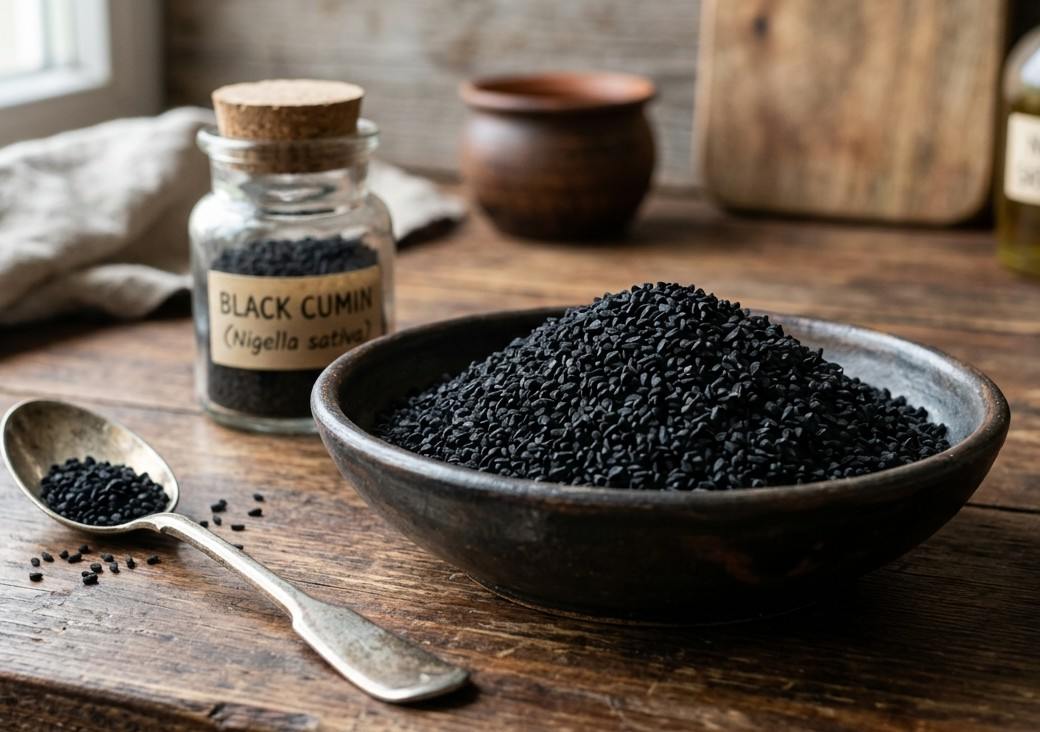
Black cumin is a small, aromatic seed that has been used as a culinary spice and traditional herbal ingredient for centuries. It is commonly known as black seed, black caraway, or kalonji, although the exact common name can vary by region. Its scientific name is Nigella sativa.
Black cumin is particularly interesting because it contains plant compounds such as thymoquinone, along with essential oils, fatty acids, proteins, and other phytochemicals. Research has investigated black cumin for antioxidant, anti-inflammatory, metabolic, cardiovascular, digestive, and respiratory effects. However, many of the proposed benefits still require larger and better-designed human studies.
What Is Black Cumin?
Black cumin is the seed of the flowering plant Nigella sativa, which belongs to the Ranunculaceae family. The plant is native to areas of the eastern Mediterranean, North Africa, Southwest Asia, and the Indian subcontinent and is now cultivated in several countries, including India.
The small, angular black seeds have a distinctive peppery, slightly bitter and aromatic flavor. They are commonly used in breads, curries, pickles, vegetables, spice blends, and other dishes.
Black cumin contains several bioactive compounds, with thymoquinone being one of its best-studied constituents. Other compounds include thymol, carvacrol, p-cymene, nigellidine, nigellicine, and various fatty acids.
Black cumin seeds and black cumin oil are not nutritionally or chemically identical. The concentration of active compounds can also vary according to the variety, growing conditions, processing method, and extraction technique.
Nutrition Facts of Black Cumin
The nutritional composition of Nigella sativa seeds varies considerably among varieties and growing conditions. One published analysis reported approximately 22 g protein, 41 g fat, 17 g carbohydrates, and 8 g fiber per 100 g, while other analyses have reported different values.
| Nutrient | Approximate amount per 100 g |
|---|---|
| Energy | About 500–530 kcal |
| Protein | About 17–22 g |
| Total fat | About 30–41 g |
| Carbohydrates | About 17–35 g |
| Dietary fiber | About 6–8 g |
| Calcium | About 200 mg |
| Iron | About 8–10 mg |
| Phosphorus | About 500 mg |
| Potassium | About 500–800 mg |
| Magnesium | About 250–300 mg |
| Linoleic acid | Major fatty acid |
| Oleic acid | Major fatty acid |
| Thymoquinone | Variable; depends strongly on seed and preparation |
Note: These values are approximate because the nutritional composition of black cumin can differ substantially between varieties and laboratory analyses.
20 Proven Health Benefits of Black Cumin
1. Provides Antioxidants: Black cumin contains thymoquinone and other compounds that demonstrate antioxidant activity and may help protect cells from oxidative stress.
2. Supports a Healthy Inflammatory Response: Compounds in black cumin have demonstrated anti-inflammatory effects in laboratory and experimental research.
3. May Support Blood Sugar Management: Human studies suggest that black cumin preparations may modestly improve blood glucose or HbA1c in some people with metabolic disorders.
4. May Support Cholesterol Levels: Clinical research has reported modest improvements in some blood lipid measures, including LDL cholesterol and triglycerides, although results are not uniformly convincing.
5. May Support Healthy Blood Pressure: Some clinical trials have found modest reductions in systolic and diastolic blood pressure with black cumin preparations.
6. Supports Cardiovascular Health: Its antioxidant, anti-inflammatory, lipid-related, and blood-pressure effects may contribute to cardiovascular health, although it should not replace prescribed treatment.
7. May Support Digestive Health: Black cumin has traditionally been used for digestive complaints, while experimental research suggests gastroprotective properties.
8. May Support Respiratory Health: Black cumin has been investigated for respiratory conditions because some studies suggest bronchodilatory and anti-inflammatory effects.
9. May Support Immune Function: Black cumin and thymoquinone have demonstrated immunomodulatory activity in experimental research, although the clinical significance in healthy people remains uncertain.
10. May Support Liver Health: Experimental studies suggest potential hepatoprotective effects, but more high-quality human research is needed before therapeutic claims can be made.
11. May Support Kidney Health: Laboratory and animal research has investigated possible protective effects of black cumin on kidney tissues, but this evidence should not be interpreted as a treatment for kidney disease.
12. May Support Weight-Management Efforts: Some clinical studies have reported changes in body weight, waist circumference, or metabolic markers, but black cumin is not a standalone weight-loss treatment.
13. May Support Healthy Metabolism: Its effects on glucose, lipids, inflammation, and oxidative stress may help support overall metabolic health.
14. May Have Antimicrobial Properties: Black cumin and its constituents have demonstrated antimicrobial activity in laboratory research against certain microorganisms.
15. May Support Skin Health: Antioxidant and anti-inflammatory properties have led to research into topical black cumin preparations for various skin applications.
16. May Support Wound Healing: Experimental research suggests that Nigella sativa and thymoquinone may influence inflammation, oxidative stress, antimicrobial activity, and tissue repair.
17. May Support Brain Health: Preclinical studies have investigated neuroprotective effects of thymoquinone and black cumin, although human evidence remains limited.
18. May Support Healthy Immune Responses During Stress: Black cumin’s immunomodulatory and antioxidant compounds are being studied for their potential role in maintaining balanced immune responses.
19. May Support Overall Cellular Protection: Thymoquinone has been extensively investigated for its ability to influence oxidative-stress and inflammatory pathways.
20. Provides Nutrients and Beneficial Plant Compounds: As a seed, black cumin provides protein, fats, minerals, fiber, and numerous phytochemicals that contribute to its nutritional value.
10 Side Effects of Black Cumin
Black cumin is generally well tolerated when consumed as a culinary spice, but concentrated oils and extracts may have stronger effects. Reported adverse effects include digestive symptoms, allergic reactions, and possible interactions with medicines.
1. Stomach Upset: Concentrated black cumin preparations may cause stomach discomfort, particularly in sensitive individuals.
2. Nausea: Nausea has been reported in some people using black cumin oil preparations.
3. Bloating: Some clinical studies have reported bloating after black cumin oil consumption.
4. Burning Sensation: Black cumin oil may cause a burning or irritating sensation in some people, particularly at higher amounts.
5. Allergic Skin Reactions: Topical black cumin oil can cause allergic contact dermatitis in susceptible people.
6. Low Blood Sugar: Because black cumin may lower blood glucose, concentrated supplements could potentially contribute to hypoglycemia when combined with diabetes medicines.
7. Low Blood Pressure: Black cumin may modestly lower blood pressure, which can be relevant for people taking antihypertensive medicines.
8. Possible Liver or Kidney Enzyme Changes: Some studies have reported changes in liver or kidney-related laboratory markers, although the overall clinical significance is uncertain.
9. Drug Interactions: Black cumin may affect drug-metabolizing enzymes such as CYP2D6 and CYP3A4, creating a potential interaction with certain medicines.
10. Excessive Supplement Use May Be Riskier: High-dose oils, extracts, or poorly characterized products should not be assumed to be as safe as normal culinary quantities.
How to Eat Black Cumin?
Black cumin can be eaten as whole seeds or lightly ground into a powder. Because it has a strong peppery and slightly bitter flavor, a small amount is usually enough.
Common ways to eat black cumin include:
- Sprinkle whole seeds over naan, roti, paratha, or other breads.
- Add a small amount to vegetable dishes and curries.
- Mix ground black cumin into yogurt or raita.
- Add it to homemade pickles.
- Use it as part of a spice mixture.
- Sprinkle a small amount over salads or soups.
- Add it to roasted vegetables.
- Mix ground seeds into chutneys or savory dips.
For everyday culinary use, black cumin should be viewed primarily as a spice rather than a medicinal treatment.
Tips for Consuming Black Cumin
- Start Small: Begin with a small culinary amount because black cumin has a strong flavor and concentrated preparations may cause digestive discomfort.
- Use Fresh Seeds: Fresh, properly stored seeds generally have a stronger aroma and flavor than old seeds.
- Grind When Needed: Grinding seeds shortly before use can release their aromatic compounds.
- Avoid Excessive Heating: Prolonged high-temperature cooking may alter some heat-sensitive plant compounds.
- Pair With Food: Eating black cumin with meals may be more comfortable for people who experience stomach irritation.
- Choose Clean Products: Purchase seeds from reputable suppliers and check that the package is properly sealed and free from contamination.
- Do Not Confuse the Species: Check the label for Nigella sativa if you specifically want black cumin or black seed.
- Use Oil Carefully: Black cumin oil is much more concentrated than the whole seed, so culinary seed quantities should not automatically be converted into oil doses.
- Do Not Replace Medication: Black cumin should not be used as a substitute for prescribed medicines or medical care.
- Discuss Supplements With a Doctor: People taking regular medicines should ask a healthcare professional before using concentrated black cumin supplements because potential interactions have been reported.
How to Use Black Cumin?
Black cumin has both culinary and traditional uses. Whole seeds can be incorporated into food, while ground seeds, oils, and extracts are used in different traditional and commercial preparations.
For general food use, adding a small quantity of whole or ground seeds to meals is the simplest approach.
Black cumin oil is commonly used as a dietary supplement and is also found in cosmetic and topical products. However, oil and concentrated extracts should be treated differently from culinary seeds because their concentration of active compounds can be considerably higher.
Other Uses of Black Cumin
1. Culinary Spice: Black cumin is used to flavor breads, curries, pickles, vegetables, and spice blends.
2. Bread Topping: Whole seeds are commonly sprinkled over naan, kulcha, and other baked foods.
3. Pickling: Black cumin is traditionally incorporated into some pickle and preserved-food recipes.
4. Spice Blends: Its distinctive flavor makes it useful in homemade seasoning mixtures.
5. Black Cumin Oil: The seeds are pressed or extracted to produce an oil used in food, supplements, and cosmetic products.
6. Traditional Herbal Preparations: Black cumin has a long history of use in traditional medicine systems.
7. Skin-Care Products: Black cumin oil may be included in some topical formulations because of its fatty acids and bioactive compounds.
8. Hair-Care Products: Black cumin oil is used in some traditional and cosmetic hair preparations.
9. Research Ingredient: Nigella sativa and thymoquinone are extensively studied for their antioxidant, inflammatory, metabolic, and other biological effects.
10. Functional Food Ingredient: Black cumin can be incorporated into foods to provide both flavor and plant-based nutrients.
Black Cumin Medicinal Uses
Black cumin has a long history of traditional medicinal use, and modern research has investigated its potential effects on several health conditions.
Research has particularly examined Nigella sativa for blood glucose, blood lipids, blood pressure, inflammation, oxidative stress, respiratory health, digestive health, and immune-related effects.
However, evidence varies considerably by condition. Clinical research has generally produced more encouraging findings for some metabolic markers than for many of the broader claims made about black cumin. The National Library of Medicine notes that black cumin extracts and oils have not been approved by the FDA as treatments for diabetes, hypertension, hyperlipidemia, or other diseases.
Therefore, black cumin can be considered a traditional food and herbal ingredient with promising research, rather than a proven cure for disease.
How to Store Black Cumin?
- Use an Airtight Container: Store whole seeds in a tightly sealed glass or food-safe container to protect them from moisture and air.
- Keep Away From Light: Store black cumin in a dark cupboard because some of its compounds are sensitive to light.
- Choose a Cool Location: Heat can gradually reduce the quality and aroma of the seeds.
- Avoid Moisture: Moisture can encourage mold growth and spoil the seeds.
- Keep Away From Strong Odors: Black cumin can absorb surrounding aromas, so store it away from strongly scented spices.
- Buy Reasonable Quantities: Purchasing smaller quantities can help ensure that the seeds remain fresh.
- Check Before Use: Discard seeds that develop an unusual smell, visible mold, moisture, or other signs of spoilage.
- Store Black Cumin Oil Properly: Keep the oil tightly closed and follow the storage instructions on the product label.
How Much Black Cumin Can You Eat in a Day?
There is no universally established daily amount of whole black cumin seeds for everyone.
Because black cumin is normally used as a spice, about 1–3 grams of seeds per day is a practical culinary range for many adults. This is not a medically established therapeutic dose, and people should not assume that larger quantities provide greater benefits.
Clinical studies have used different forms and doses of Nigella sativa, making it difficult to establish one standard dose for general use. For example, human studies have examined seed amounts around 1–3 g/day and oil preparations at several milliliters per day.
Best Time to Eat Black Cumin
There is no scientifically established “best time” to eat black cumin.
For culinary use, it can be consumed with breakfast, lunch, or dinner. If black cumin causes stomach discomfort when taken alone, consuming it with a meal may be more comfortable.
For supplements, timing should follow the product instructions or advice from a healthcare professional rather than relying on claims that morning or nighttime consumption is universally superior.
Who Should Eat Black Cumin?
- Adults Using It as a Spice: Healthy adults can generally include small culinary amounts of black cumin in a balanced diet.
- People Interested in Plant-Based Foods: Black cumin provides plant compounds, fats, protein, and minerals that can complement a varied diet.
- People Who Enjoy Strong Spices: Its peppery, aromatic flavor works well in savory dishes, breads, pickles, and vegetables.
- People Seeking Dietary Variety: Black cumin can be used alongside other herbs, spices, seeds, fruits, vegetables, whole grains, and legumes.
- Adults Considering Supplements: People considering concentrated black cumin supplements should discuss their use with a healthcare professional, particularly if they take medications.
Who Should Not Eat Black Cumin?
- People With a Known Allergy: Anyone who develops an allergic reaction to black cumin should stop using it and seek appropriate medical advice.
- People Taking Diabetes Medication: Because black cumin may affect blood glucose, people using glucose-lowering medicines should consult a healthcare professional before taking concentrated supplements.
- People Taking Blood Pressure Medication: Those taking antihypertensive medicines should discuss concentrated black cumin products with their healthcare professional because black cumin may influence blood pressure.
- People Taking Multiple Medicines: Potential effects on drug-metabolizing enzymes mean concentrated black cumin supplements may interact with some medications.
- Pregnant Women Using Medicinal Doses: Culinary quantities are different from concentrated supplements, but medicinal-dose black cumin should be avoided during pregnancy unless specifically recommended by a qualified healthcare professional.
- Breastfeeding Women Considering Supplements: Evidence regarding medicinal use during breastfeeding remains limited, so concentrated products should be discussed with a healthcare professional.
- Young Children: Evidence on appropriate dosing in children remains limited, and a 2025 systematic review concluded that more high-quality research is needed to establish effective doses and forms.
- People With Significant Medical Conditions: Anyone with liver, kidney, bleeding, blood-pressure, or blood-sugar problems should seek professional advice before using concentrated black cumin products.
- People Preparing for Surgery: Because supplements may affect blood glucose, blood pressure, or medication metabolism, it is sensible to inform the surgical team about black cumin supplement use.
- People Experiencing Side Effects: Anyone who develops persistent stomach symptoms, rash, swelling, breathing difficulty, or another unusual reaction should discontinue the product and seek medical advice.
Precautions and Interactions
Black cumin is generally well tolerated when consumed as a culinary spice, but concentrated black cumin oil, capsules, and extracts may have stronger effects. People using these products should consider the following precautions:
- Start With a Small Amount: Introduce black cumin gradually, especially if you have not used it before, to reduce the chance of digestive discomfort.
- Diabetes Medicines: Black cumin may lower blood glucose, so combining concentrated supplements with diabetes medicines could potentially increase the risk of low blood sugar.
- Blood Pressure Medicines: Black cumin may modestly lower blood pressure and could have an additive effect with antihypertensive medicines.
- Blood-Thinning Medicines: People taking anticoagulant or antiplatelet medicines should consult a healthcare professional before using concentrated black cumin because potential effects on bleeding-related pathways have been reported.
- Multiple Medications: Black cumin may influence certain drug-metabolizing enzymes, including CYP2D6 and CYP3A4, which could potentially affect the levels or effects of some medicines.
- Pregnancy: Avoid medicinal or high-dose black cumin supplements during pregnancy unless specifically recommended by a qualified healthcare professional.
- Breastfeeding: Evidence regarding concentrated black cumin preparations during breastfeeding is limited, so consult a healthcare professional before using supplements.
- Children: Appropriate medicinal doses of concentrated black cumin have not been well established for children.
- Allergies: Stop using black cumin if you develop a rash, itching, swelling, breathing difficulty, or another sign of an allergic reaction.
- Before Surgery: Tell your doctor or surgical team about black cumin supplement use before a planned procedure, particularly when using concentrated products.
- Liver or Kidney Conditions: People with liver or kidney disorders should seek medical advice before using concentrated black cumin supplements.
- Do Not Replace Medication: Black cumin should not be used as a replacement for prescribed medicines or medical treatment.
- Choose Reputable Products: Use properly labeled products from reliable manufacturers because the concentration of active compounds can vary substantially between supplements.
- Seeds vs. Supplements: Normal culinary quantities of black cumin seeds should not be assumed to have the same effects or risks as concentrated oils and extracts.
FAQ’s
Is black cumin the same as kalonji?
Yes, kalonji is a common Indian name for Nigella sativa seeds, which are widely known as black cumin or black seed.
Is black cumin the same as onion seed?
Black cumin is often called onion seed, but it is not actually a seed from the onion plant.
What is black cumin good for?
Black cumin provides antioxidants and bioactive compounds such as thymoquinone and has been studied for potential effects on blood sugar, cholesterol, blood pressure, inflammation, and overall metabolic health.
Can you eat black cumin seeds every day?
Small culinary amounts of black cumin can generally be included in a balanced diet, but there is no universally established therapeutic daily dose.
Can black cumin be eaten on an empty stomach?
Some people consume black cumin on an empty stomach, but it may cause stomach irritation in sensitive individuals, so taking it with food may be more comfortable.
Can black cumin help lower blood sugar?
Research suggests that Nigella sativa preparations may modestly improve blood glucose and HbA1c in some people, but black cumin should not replace prescribed diabetes treatment.
Can black cumin help lower cholesterol?
Some clinical studies suggest that black cumin may improve certain lipid measures, including LDL cholesterol and triglycerides, although results vary between studies.
Can black cumin help with blood pressure?
Some research has found modest blood-pressure-lowering effects, but people taking blood-pressure medication should consult a healthcare professional before using concentrated black cumin supplements.
Does black cumin help with weight loss?
Some studies have reported modest changes in body weight or waist circumference, but black cumin is not a standalone weight-loss treatment.
Can black cumin support digestion?
Black cumin has traditionally been used for digestive health, and experimental research has investigated its potential gastroprotective effects.
Can black cumin support skin health?
Black cumin contains antioxidant and anti-inflammatory compounds, and black cumin oil is used in some topical skin-care preparations.
Can black cumin be used for hair?
Black cumin oil is traditionally used in some hair-care routines, although strong clinical evidence for specific hair-growth claims remains limited.
Is black cumin safe during pregnancy?
Culinary amounts are different from medicinal doses, but pregnant women should avoid concentrated black cumin supplements unless specifically advised by a qualified healthcare professional.
Is black cumin safe while breastfeeding?
Evidence on medicinal doses during breastfeeding is limited, so breastfeeding women should consult a healthcare professional before using concentrated black cumin supplements.
Can children eat black cumin?
Small amounts used as a culinary spice may differ from concentrated supplements, but appropriate medicinal doses for children have not been well established.
What is the main active compound in black cumin?
Thymoquinone is one of the most extensively studied bioactive compounds found in Nigella sativa.
What does black cumin taste like?
Black cumin seeds have a strong, aromatic, slightly bitter, peppery flavor that is often used to add depth to savory dishes.
Can black cumin seeds go bad?
Yes, black cumin seeds can lose their aroma and quality over time and may spoil if exposed to moisture, heat, or contamination.
Is black cumin the same as black cumin oil?
No. Black cumin refers to the seeds, while black cumin oil is extracted from the seeds and contains a more concentrated mixture of their oil-soluble compounds.
What is black cumin called in India?
Black cumin is commonly called Kalonji in India and is also known as black seed or Nigella sativa. However, “black cumin” can sometimes refer to other plants, so checking the botanical name Nigella sativa is helpful.
Is black cumin safe for kidneys?
Black cumin used as a culinary spice is generally considered different from high-dose supplements; however, people with kidney disease should consult their healthcare professional before using concentrated black cumin oil or extracts because evidence on medicinal doses and long-term kidney safety is limited.
What is the difference between jeera and black jeera?
Jeera usually refers to cumin (Cuminum cyminum), while black jeera can refer to different seeds depending on the region, including Nigella sativa (kalonji) or Bunium persicum; therefore, checking the botanical name is the safest way to distinguish them.
Can we eat black cumin seeds directly?
Yes, black cumin seeds can be eaten directly in small culinary amounts, although their strong, peppery and slightly bitter taste makes them more commonly sprinkled over foods or mixed into dishes.
Which black cumin seed is best?
For Nigella sativa, choose clean, whole, fresh-looking seeds from a reputable food supplier, preferably with the botanical name clearly listed and free from moisture, mold, unusual odors, or visible contamination.
Why don’t doctors recommend black seed oil?
Doctors may be cautious about recommending black seed oil as a treatment because clinical evidence varies by condition, standardized dosing is not well established, product quality can differ, and concentrated supplements may interact with medicines; black seed oil should therefore not replace evidence-based medical treatment.
Sources / References:
Disclaimer:
This guide is for educational purposes only and does not replace professional medical advice, diagnosis, or treatment. Consult a qualified healthcare professional before using concentrated black cumin supplements, especially during pregnancy, breastfeeding, childhood, or when taking medication.
Also Read: