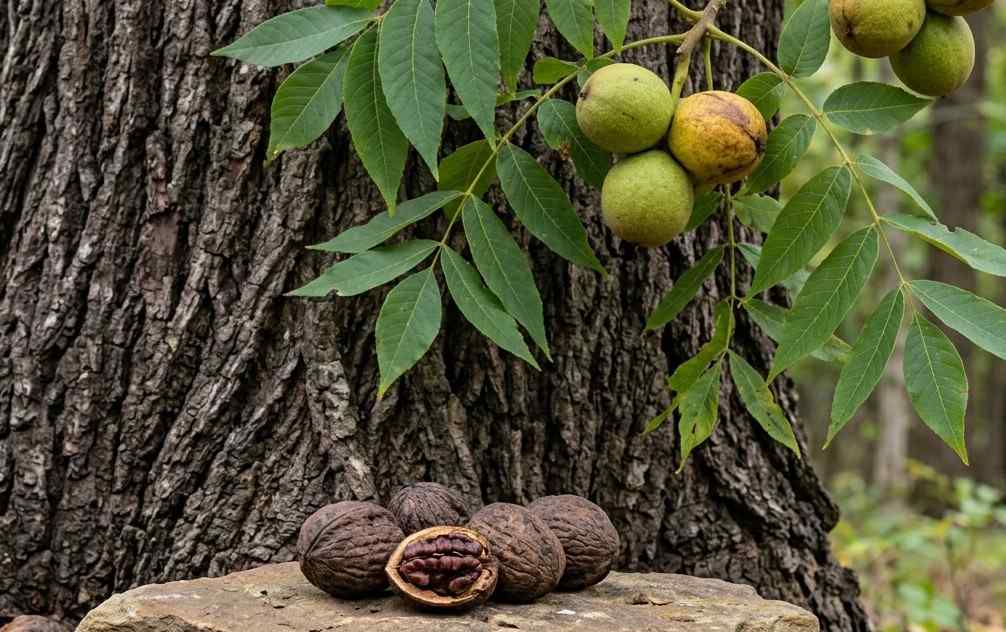
Black walnut is one of nature’s most powerful and nutrient-dense tree nuts. Known for its bold flavor, dark shell, and medicinal properties, it has been used in traditional healing systems for centuries. From supporting digestion to improving heart health, black walnut offers a wide range of potential benefits. However, like any potent natural food, it must be consumed wisely.
In this guide, you’ll learn everything about black walnut (Eastern black walnut or American walnut), including its nutrition facts, proven health benefits, possible side effects, how to eat it, dosage, precautions, and much more.
What is Black Walnut?
Black walnut comes from the tree Juglans nigra, native to North America. It is different from the more common English walnut (Juglans regia) that you typically find in grocery stores. Black walnuts have a thicker shell, stronger earthy flavor, and higher concentration of certain bioactive compounds.
The tree produces green outer husks that turn dark as they mature. Inside the hard shell lies the edible nut meat. Beyond its culinary value, black walnut has long been used in herbal medicine. The hull, leaves, and bark have also been utilized for their antifungal, antibacterial, and antiparasitic properties. Black walnut is especially valued for compounds like juglone, tannins, omega-3 fatty acids, antioxidants, and essential minerals.
Nutrition Facts of Black Walnut (Per 100g)
| Nutrient | Amount |
|---|---|
| Calories | 618 kcal |
| Protein | 24 g |
| Total Fat | 59 g |
| Saturated Fat | 3.4 g |
| Monounsaturated Fat | 15 g |
| Polyunsaturated Fat | 35 g |
| Omega-3 Fatty Acids | 2.0 g |
| Carbohydrates | 10 g |
| Dietary Fiber | 6.8 g |
| Sugar | 1 g |
| Calcium | 61 mg |
| Iron | 3.1 mg |
| Magnesium | 201 mg |
| Phosphorus | 513 mg |
| Potassium | 523 mg |
| Zinc | 3.4 mg |
| Vitamin B6 | 0.5 mg |
| Folate | 31 mcg |
Black walnuts are rich in healthy fats, plant protein, fiber, antioxidants, and essential minerals that support overall health.
20 Science-Backed Benefits of Black Walnut
- Supports Heart Health – Black walnut contains omega-3 fatty acids and antioxidants that help reduce inflammation and improve cardiovascular function.
- Improves Digestive Health – The fiber in black walnut promotes healthy bowel movements and supports gut microbiota balance.
- Natural Antifungal Properties – Juglone and tannins in black walnut may help fight fungal infections like candida.
- May Help Eliminate Parasites – Traditionally used as a natural antiparasitic remedy to cleanse the digestive tract.
- Boosts Immune System – Its high antioxidant content strengthens immune defenses against infections.
- Supports Brain Function – Healthy fats and polyphenols may enhance cognitive performance and memory.
- Promotes Skin Health – Antioxidants help reduce oxidative stress that contributes to skin aging.
- Helps Control Blood Sugar Levels – Fiber and healthy fats slow glucose absorption and improve insulin response.
- Reduces Inflammation – Anti-inflammatory compounds may ease chronic inflammatory conditions.
- Supports Weight Management – Protein and fiber increase satiety, helping control appetite.
- Improves Bone Health – Rich in magnesium and phosphorus that support bone density.
- Enhances Male Reproductive Health – Some studies suggest walnuts may improve sperm quality and motility.
- Supports Liver Detoxification – Traditionally used in herbal medicine to support liver cleansing.
- May Reduce Cancer Risk – Antioxidants and polyphenols may help combat free radicals linked to cancer development.
- Promotes Healthy Hair Growth – Nutrients like zinc and omega-3 support scalp and hair health.
- Supports Thyroid Function – Trace minerals like selenium and zinc assist hormonal balance.
- Improves Cholesterol Levels – May help lower LDL cholesterol and raise HDL cholesterol.
- Enhances Gut Cleansing – Black walnut hull is used in detox formulations to support intestinal cleansing.
- Fights Bacterial Infections – Antimicrobial compounds may inhibit certain harmful bacteria.
- Provides Natural Energy – High-calorie healthy fats offer sustained energy throughout the day.
10 Side Effects of Black Walnut
Although beneficial, black walnut can cause side effects in some individuals.
- Allergic Reactions – People with tree nut allergies may experience itching, swelling, or severe allergic responses.
- Digestive Upset – Excess consumption may cause bloating, nausea, or stomach discomfort.
- Skin Irritation – The hull extract can cause contact dermatitis in sensitive individuals.
- Lower Blood Sugar Too Much – May excessively reduce blood sugar in people taking diabetes medications.
- Drug Interactions – Tannins may interfere with absorption of certain medications.
- Kidney Stress – Excessive intake may strain kidneys due to high mineral content.
- Pregnancy Concerns – Herbal black walnut extracts are not recommended during pregnancy.
- Breastfeeding Safety Unclear – Insufficient data on concentrated extracts during lactation.
- Overconsumption Weight Gain – High calorie content may contribute to weight gain if eaten excessively.
- Potential Toxicity from Hull Extract – Improperly prepared black walnut hull products may cause adverse reactions.
How to Eat Black Walnut?
Black walnuts have a stronger, earthier flavor than regular walnuts. Here are popular ways to enjoy them:
- Eat raw or lightly roasted as a snack
- Add chopped black walnuts to oatmeal or porridge
- Sprinkle over salads for crunch
- Blend into smoothies
- Mix into baked goods like cookies, bread, or brownies
- Add to yogurt or granola
- Use in pesto or savory sauces
- Include in stuffing or rice dishes
Because of their bold flavor, a small amount goes a long way.
Tips for Consuming Black Walnut
- Start with small portions if trying for the first time.
- Choose high-quality, properly shelled nuts.
- Store properly to prevent rancidity.
- If using supplements, follow dosage instructions carefully.
- Avoid excessive intake of concentrated hull extracts.
- Pair with vitamin C-rich foods for better nutrient absorption.
Other Uses of Black Walnut
Black walnut is not just a food. It has many traditional and practical uses:
- Used in herbal tinctures for digestive cleansing
- Natural wood stain and dye from the hull
- Used in hair dye formulations
- Traditional remedy for fungal skin infections
- Wood used for furniture and cabinetry
- Used in natural gardening pest control
Black walnut wood is particularly prized for its durability and rich dark color.
How Much Black Walnut Can You Eat in a Day?
For most healthy adults:
- 28–30 grams (about one handful) per day is considered safe and beneficial.
- This equals roughly 10–14 walnut halves.
If consuming black walnut supplements or hull extracts, always follow product dosage guidelines or consult a healthcare provider.
Black Walnut Dosage
Whole Nuts:
- 1 ounce (28–30 g) daily
Black Walnut Hull Powder:
- 500–1000 mg daily (divided doses)
Tincture:
- 10–20 drops diluted in water, 1–2 times daily
Dosage varies depending on purpose (digestive support, antifungal, parasite cleanse). Professional guidance is recommended for therapeutic use.
Best Time to Eat Black Walnut
- Morning: For sustained energy throughout the day
- Midday snack: Helps prevent overeating later
- With meals: Improves satiety and nutrient absorption
Avoid eating large amounts at night if you have digestive sensitivity.
Who Should Eat Black Walnut?
Black walnut may benefit:
- People seeking heart-healthy foods
- Individuals needing high-protein plant snacks
- Those looking to improve digestive health
- Athletes needing nutrient-dense calories
- People managing cholesterol levels
- Individuals seeking natural antifungal support
Who Should Not Eat Black Walnut?
Avoid or consult a doctor if you:
- Have tree nut allergies
- Are pregnant or breastfeeding (for extracts)
- Have severe kidney disease
- Take blood sugar-lowering medications
- Have sensitive digestive systems
Children should consume only small amounts under supervision.
How to Store Black Walnut?
Proper storage preserves freshness and prevents rancidity.
- Store shelled nuts in an airtight container
- Keep in refrigerator for up to 6 months
- Freeze for long-term storage (up to 1 year)
- Keep away from moisture and heat
- Avoid exposure to sunlight
Because black walnuts are rich in oils, they can spoil faster if stored improperly.
Precautions and Interactions
- May interact with diabetes medications due to blood sugar-lowering effects.
- Tannins may reduce absorption of iron and certain drugs.
- Avoid combining with strong antifungal medications without medical advice.
- Stop use before surgery due to potential blood sugar effects.
- Use caution when combining with other herbal cleanses.
Always consult a healthcare provider before using black walnut therapeutically, especially in supplement form.
Final Thoughts
Black walnut is a powerful superfood packed with nutrients, antioxidants, and traditional medicinal properties. From heart health to digestive cleansing, it offers a wide range of potential benefits. However, its potency means it should be consumed thoughtfully. A small handful daily can provide essential nutrients without unnecessary risks. If using concentrated extracts, always follow proper dosage and seek professional advice.
FAQ’s
Can you eat black walnuts raw?
Yes, walnuts can be eaten raw, but they have a stronger and more earthy flavor than regular walnuts. Many people prefer lightly roasting them to enhance taste and reduce bitterness.
Is it safe to eat black walnuts every day?
Yes, eating a small handful (about 28–30 grams) daily is generally safe for most healthy adults. However, excessive consumption may cause digestive discomfort or unwanted calorie intake.
What is the difference between black walnut and English walnut?
Black walnut (Juglans nigra) has a harder shell, stronger flavor, and higher concentration of certain bioactive compounds compared to English walnut (Juglans regia), which is milder and more commonly available in stores.
Are black walnuts good for heart health?
Yes, walnuts contain omega-3 fatty acids, antioxidants, and plant sterols that may help improve cholesterol levels and support cardiovascular health.
Can black walnut help with parasites?
Walnut hull has traditionally been used in herbal medicine as a natural antiparasitic remedy. However, scientific evidence is limited, and it should be used under professional guidance.
Do black walnuts help with weight loss?
Walnuts may support weight management because their protein and fiber increase satiety, but they are calorie-dense, so portion control is important.
Can diabetics eat black walnuts?
Yes, in moderate amounts, black walnuts may help stabilize blood sugar due to fiber and healthy fats. However, people on diabetes medication should monitor blood sugar levels closely.
Are black walnuts safe during pregnancy?
Eating small amounts of whole black walnuts as food is generally safe, but concentrated extracts or hull supplements are not recommended during pregnancy without medical advice.
Can black walnut cause allergies?
Yes, walnut is a tree nut and can trigger allergic reactions in individuals with nut allergies. Symptoms can range from mild itching to severe anaphylaxis.
What does black walnut taste like?
Walnut has a bold, earthy, slightly bitter, and rich flavor that is stronger than regular walnuts.
Is black walnut good for skin?
Its antioxidants and healthy fats may help reduce oxidative stress and support overall skin health when consumed regularly.
Can children eat black walnuts?
Yes, children can eat small amounts if they are not allergic to nuts, but supervision is important due to choking risk and allergy concerns.
Are black walnuts hard to digest?
They can be heavy to digest if eaten in large quantities, especially for people with sensitive stomachs. Soaking or roasting may make them easier to tolerate.
How long do black walnuts last?
When stored in an airtight container in the refrigerator, shelled black walnuts can last up to 6 months, and up to 1 year if frozen.
What is Black Walnut good for?
Walnut is good for supporting heart health, improving digestion, boosting immunity, and providing powerful antioxidants. It is also traditionally used for antifungal and antiparasitic support, especially in herbal medicine.
Is black walnut safe?
Walnut is generally safe when eaten in moderate food amounts, such as a small handful per day. However, concentrated extracts or hull supplements should be used cautiously, especially by pregnant women, people with nut allergies, or those on medication.
What is black walnut called in India?
Black walnut is commonly referred to as “Black Walnut” in India as well, since it is not native to the country. It may sometimes be described as “American Black Walnut” to distinguish it from the regular walnut (Akhrot).
Also Read: