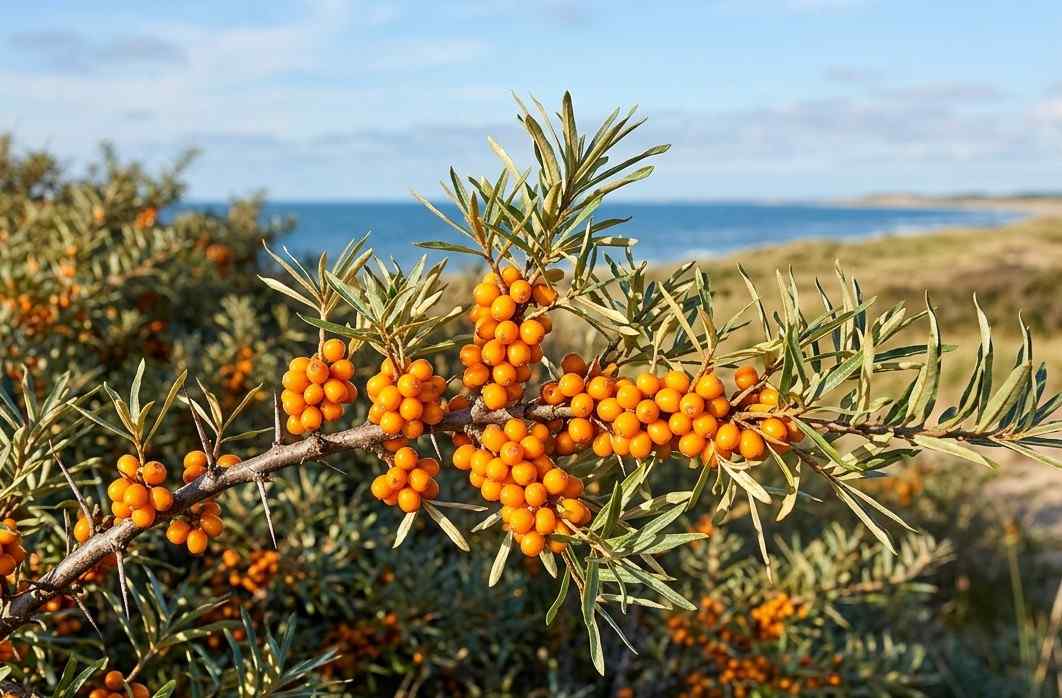
Sea Buckthorn is often called a “miracle berry,” and once you explore its nutritional power and healing potential, it’s easy to understand why. This bright orange berry has been used for centuries in traditional medicine systems across Asia and Europe. Today, it’s gaining global popularity for its impressive antioxidant content, skin benefits, heart support, and immune-boosting properties. In this guide, we’ll explore everything you need to know about Sea Buckthorn — from nutrition facts and science-backed health benefits to side effects, dosage, and the best way to consume it.
What is Sea Buckthorn?
Sea Buckthorn is a small, vibrant orange berry that grows on the shrub Hippophae rhamnoides. It thrives in harsh climates and sandy soils, particularly in parts of Europe, Central Asia, and the Himalayan regions of India.
Traditionally used in Tibetan, Chinese, and Ayurvedic medicine, Sea Buckthorn has been valued for supporting digestion, skin health, respiratory function, and overall vitality. The berries, leaves, and seeds are all used for medicinal and nutritional purposes.
What makes Sea Buckthorn truly unique is its rare combination of omega fatty acids — including omega-3, omega-6, omega-7, and omega-9 — along with powerful antioxidants like vitamin C, vitamin E, flavonoids, and carotenoids.
Nutrition Facts of Sea Buckthorn
| Nutrient | Approximate Amount (Per 100 grams of fresh berries) |
|---|---|
| Calories | 82 kcal |
| Carbohydrates | 5–8 g |
| Protein | 1.2 g |
| Fat | 5–7 g |
| Fiber | 2–3 g |
| Vitamin C | 200–600 mg |
| Vitamin A (beta-carotene) | 60–100 mcg |
| Vitamin E | 5–15 mg |
| Omega-3 Fatty Acids | Moderate |
| Omega-6 Fatty Acids | Moderate |
| Omega-7 Fatty Acids | High |
| Omega-9 Fatty Acids | Present |
| Iron | 1–2 mg |
| Potassium | 300–400 mg |
| Flavonoids & Polyphenols | High |
Note: Nutritional values may vary depending on region and growing conditions.
20 Proven Benefits of Sea Buckthorn
- Rich in Antioxidants – Sea Buckthorn is packed with vitamin C, vitamin E, and flavonoids that help protect cells from oxidative stress and premature aging.
- Boosts Immunity – Its high vitamin C content strengthens immune defenses and improves resistance against infections.
- Supports Skin Health – Omega-7 fatty acids nourish the skin, improve elasticity, and promote faster wound healing.
- Promotes Heart Health – The berry’s healthy fats and antioxidants may reduce cholesterol levels and improve blood circulation.
- Improves Digestive Health – Sea Buckthorn helps soothe the digestive tract and may reduce symptoms of gastritis and ulcers.
- Enhances Eye Health – Beta-carotene and vitamin A support vision and reduce the risk of age-related eye issues.
- Reduces Inflammation – Anti-inflammatory compounds help ease joint pain and inflammatory conditions.
- Supports Liver Function – Sea Buckthorn may protect liver cells and enhance detoxification processes.
- Balances Hormones – Omega fatty acids may help regulate hormonal imbalances, particularly in women.
- Helps in Weight Management – Fiber and healthy fats promote satiety and support metabolism.
- Improves Hair Growth – Nutrient-rich oils nourish the scalp and strengthen hair follicles.
- Enhances Brain Function – Antioxidants protect brain cells and may improve cognitive performance.
- Supports Cardiovascular Circulation – It may improve blood vessel elasticity and reduce blood pressure.
- Accelerates Wound Healing – Its regenerative properties help repair skin tissues faster.
- Protects Against UV Damage – Carotenoids help shield the skin from sun damage.
- Relieves Dry Eyes and Mouth – Omega-7 supports moisture retention in mucous membranes.
- Supports Respiratory Health – Traditionally used to soothe cough and respiratory irritation.
- May Help Manage Diabetes – It may improve insulin sensitivity and stabilize blood sugar levels.
- Promotes Anti-Aging Effects – Antioxidants reduce fine lines and slow cellular aging.
- Improves Gut Microbiome – Polyphenols help promote beneficial gut bacteria.
10 Side Effects of Sea Buckthorn
- Digestive Upset – High doses may cause diarrhea, bloating, or stomach discomfort.
- Allergic Reactions – Some individuals may experience skin rash or itching.
- Low Blood Pressure – It may reduce blood pressure excessively in sensitive individuals.
- Blood Thinning Effect – Sea Buckthorn may slow blood clotting and increase bleeding risk.
- Interaction with Diabetes Medications – It may enhance blood sugar-lowering effects.
- Possible Hormonal Effects – Individuals with hormone-sensitive conditions should consult a doctor.
- Skin Irritation (Topical Use) – Undiluted oil may cause irritation in sensitive skin.
- Nausea – Excessive intake may lead to mild nausea.
- Kidney Stress – Overconsumption may strain kidneys due to high bioactive compounds.
- Pregnancy Safety Uncertain – Limited research is available regarding its safety during pregnancy.
How to Eat Sea Buckthorn?
Sea Buckthorn can be consumed in several forms:
- Fresh berries (though very tart)
- Sea Buckthorn juice
- Sea Buckthorn oil
- Capsules and supplements
- Powdered extract
- Herbal tea
- Mixed into smoothies
- Added to yogurt or oatmeal
Due to its sour taste, it’s often sweetened or blended with other fruits.
Tips for Consuming Sea Buckthorn
- Start with small doses to test tolerance.
- Choose cold-pressed oil for maximum nutrient retention.
- Pair juice with honey or other fruits to reduce tartness.
- Store oil in a dark bottle to prevent oxidation.
- Avoid heating the oil excessively to preserve nutrients.
Other Uses of Sea Buckthorn
Beyond dietary use, Sea Buckthorn is widely used in:
- Skincare products (creams, serums, lip balms)
- Hair oils and shampoos
- Healing balms for burns and wounds
- Anti-aging formulations
- Herbal medicine preparations
- Cosmetic products for dry or mature skin
Sea Buckthorn oil is especially prized in dermatology for its skin-regenerative properties.
How Much Sea Buckthorn Can You Eat in a Day?
General safe consumption guidelines:
- Fresh berries: 20–30 grams daily
- Juice: 30–50 ml per day
- Oil: 1–2 teaspoons daily
- Capsules: Follow manufacturer instructions (usually 500–1000 mg daily)
It’s best to begin with lower amounts and gradually increase if tolerated.
Sea Buckthorn Dosage
The appropriate dosage depends on the form:
- Oil (liquid): 5–10 ml daily
- Capsules: 500–1000 mg once or twice daily
- Powder: 1–2 teaspoons daily
- Juice: 30 ml once daily
Always follow medical advice if using for therapeutic purposes.
Best Time to Eat Sea Buckthorn
- Morning on an empty stomach for better absorption.
- With meals to reduce digestive discomfort.
- Before skincare routine if using oil topically.
Consistency matters more than timing for long-term benefits.
Who Should Eat Sea Buckthorn?
Sea Buckthorn may benefit:
- Individuals with weak immunity
- People with dry skin or dry eyes
- Those with digestive issues
- Individuals managing cholesterol
- Women experiencing hormonal imbalance
- People exposed to pollution and oxidative stress
- Those looking for natural anti-aging support
Who Should Not Eat Sea Buckthorn?
Avoid or consult a doctor if you:
- Have bleeding disorders
- Are taking blood thinners
- Have very low blood pressure
- Are pregnant or breastfeeding
- Have severe allergies
- Are preparing for surgery
Medical supervision is recommended for individuals with chronic health conditions.
How to Store Sea Buckthorn?
Proper storage helps preserve its nutrients:
- Fresh berries: Refrigerate and use within a few days.
- Juice: Store in airtight container in refrigerator.
- Oil: Keep in dark glass bottle away from heat and sunlight.
- Powder: Store in cool, dry place in sealed container.
Always check expiration dates for supplements.
Precautions and Interactions
Seaberry may interact with:
- Blood-thinning medications
- Diabetes medications
- Blood pressure drugs
- Hormonal therapies
Stop using at least two weeks before surgery due to possible bleeding risk. Always consult a healthcare provider before starting supplements, especially if you have existing medical conditions.
Final Thoughts
Sea Buckthorn is a nutrient-dense superberry that offers a wide range of health benefits — from immune support and heart protection to glowing skin and digestive wellness. Its unique combination of omega fatty acids and antioxidants makes it stand out among other fruits.
However, like any potent natural remedy, it should be consumed mindfully and in appropriate amounts. When used correctly, Seaberry can be a powerful addition to a balanced and healthy lifestyle. If you are considering adding Seaberry to your routine for therapeutic purposes, consult a qualified healthcare professional to ensure it aligns with your individual health needs.
FAQ’s
What is Sea Buckthorn also known as?
Sea Buckthorn is widely known as Siberian Pineapple, Seaberry, Sandthorn, and Sallowthorn.
Can I eat Sea Buckthorn every day?
Yes, you can consume it daily in moderate amounts like 1–2 teaspoons of oil or a small portion of berries.
What is Sea Buckthorn good for?
It supports immunity, skin health, heart function, digestion, and overall antioxidant protection.
What is Sea Buckthorn called in India?
It is commonly called “Leh Berry”, “Himalayan Berry”, “Golden Bush” and locally known as “Chharma” in Himalayan regions.
Which is better, amla or Sea Buckthorn?
Amla is richer in vitamin C, while Sea Buckthorn provides omega-7; the better choice depends on your health needs.
Why is Sea Buckthorn so expensive?
It is costly due to difficult harvesting, limited growing regions, and specialized oil extraction.
Which is better, moringa or Sea Buckthorn?
Moringa offers broader nutrients, while Sea Buckthorn is better for skin and omega fatty acids.
Does Sea Buckthorn reduce wrinkles?
Yes, it may improve skin elasticity and reduce wrinkles due to its antioxidants and omega-7.
What is Sea Buckthorn called in Ayurveda?
It is often referred to as “Amritphal” for its rejuvenating properties.
What does Sea Buckthorn taste like?
Seaberry has a very tart, sour, and slightly citrusy flavor. Because of its sharp taste, it is often mixed with honey, apple juice, or other sweet fruits.
Can you eat Sea Buckthorn berries raw?
Yes, Seaberry berries can be eaten raw, but their intense sourness makes them difficult to consume plain. Most people prefer them as juice, puree, or blended into smoothies.
Is Sea Buckthorn good for skin?
Yes, Seaberry is widely known for supporting skin hydration, elasticity, and healing due to its omega-7 fatty acids and antioxidants. It is commonly used both internally and in skincare products.
Does Sea Buckthorn help with hair growth?
Seaberry oil may support scalp health and strengthen hair follicles because of its nutrient-rich composition. Regular use may improve hair texture and reduce dryness.
Can Sea Buckthorn boost immunity?
Yes, it is rich in vitamin C and antioxidants that help strengthen the immune system and protect against infections.
Is Sea Buckthorn good for weight loss?
Seaberry may support weight management by improving metabolism and promoting fullness due to its fiber and healthy fats. However, it is not a standalone weight-loss solution.
Can diabetics consume Sea Buckthorn?
Seaberry may help regulate blood sugar levels, but individuals with diabetes should consult a doctor before using it regularly, especially if taking medications.
Is Sea Buckthorn safe during pregnancy?
There is limited research on its safety during pregnancy and breastfeeding. Pregnant or nursing women should consult a healthcare provider before using it.
Does Sea Buckthorn lower blood pressure?
Seaberry may help improve blood vessel function and support healthy blood pressure levels. People with low blood pressure should use it cautiously.
How long does it take to see results from Sea Buckthorn?
Results vary depending on the purpose of use, but many people notice skin or digestion improvements within 2 to 4 weeks of consistent intake.
Can Sea Buckthorn cause allergies?
Although rare, some individuals may experience allergic reactions such as itching, rash, or stomach discomfort. It is advisable to start with a small amount to test tolerance.
Can Sea Buckthorn help with dry eyes?
Yes, its omega-7 fatty acids may support moisture balance in the eyes and reduce dryness symptoms.
Is Sea Buckthorn acidic?
Yes, berries are naturally acidic and sour, which contributes to their strong taste.
Can children consume Sea Buckthorn?
Small amounts may be safe for children, but it is best to consult a pediatrician before introducing supplements or oils.
Does Sea Buckthorn expire?
Yes, like all natural products, Sea Buckthorn oil, juice, and supplements have expiration dates. Proper storage is essential to maintain potency.
Is Sea Buckthorn a superfood?
Seaberry is often referred to as a superfood due to its high levels of antioxidants, vitamins, and rare omega fatty acids that support overall health.
Also Read: