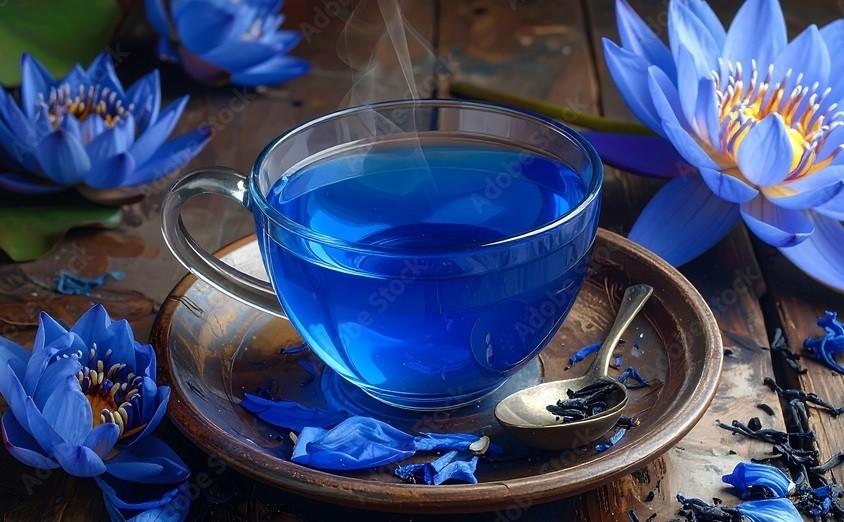
Blue Lotus Tea has attracted growing attention among herbal tea enthusiasts, wellness practitioners, and traditional medicine followers. Known for its calming aroma and historical significance, this herbal infusion is made from the petals of the Blue Lotus flower, a plant long associated with relaxation, spiritual rituals, and natural healing.
Although it is often marketed as a soothing beverage for modern lifestyles, Blue Lotus Tea carries centuries of cultural heritage and an interesting profile of plant compounds that may offer wellness benefits. At the same time, it should be consumed thoughtfully, as herbal preparations can produce side effects or interact with medications. This guide explores what Blue Lotus Tea is, its nutritional profile, proven health benefits, potential risks, preparation methods, and safe consumption practices.
What is Blue Lotus Tea?
Blue Lotus Tea is an herbal infusion made from the dried petals of the Blue Lotus flower (Nymphaea caerulea), also known as the Egyptian blue water lily. Despite its name, it is not a true lotus but belongs to the water lily family.
The flower has historical importance in ancient Egyptian culture, where it was used in ceremonial rituals, relaxation practices, and symbolic art. Traditionally, it was soaked in wine or brewed as tea to promote calmness, mild euphoria, and mental clarity.
Today, Blue Lotus Tea is consumed for its:
- Light floral taste
- Calming properties
- Traditional wellness associations
- Non-caffeinated nature
It contains bioactive plant compounds such as flavonoids, alkaloids (notably aporphine and nuciferine), and antioxidants that are believed to influence its effects on mood and relaxation.
Components of Blue Lotus Tea
Because Blue Lotus Tea is an herbal infusion rather than a food, it does not provide significant calories or macronutrients. However, it contains trace phytochemicals that may influence health.
| Nutrient / Compound | Approximate Presence |
|---|---|
| Calories | Negligible |
| Protein | Negligible |
| Fat | Negligible |
| Carbohydrates | Negligible |
| Caffeine | None |
| Flavonoids | Present |
| Alkaloids (aporphine, nuciferine) | Present |
| Antioxidants | Present |
| Polyphenols | Present |
| Vitamins & Minerals | Trace amounts |
Note: Values are approximate and vary based on plant quality and brewing strength.
20 Science-Backed Benefits of Blue Lotus Tea
Research on Blue Lotus specifically is still emerging, but studies on its phytochemicals and traditional use provide insights into potential benefits.
1. Promotes Relaxation
Alkaloids such as nuciferine are believed to have mild sedative effects that can help calm the nervous system and reduce tension.
2. Supports Better Sleep
The tea’s calming properties may help people unwind before bedtime, potentially improving sleep onset and quality.
3. Rich in Antioxidants
Flavonoids and polyphenols help neutralize free radicals, protecting cells from oxidative stress.
4. Mood Enhancement
Traditional use and limited pharmacological research suggest mild mood-lifting effects due to interaction with dopamine receptors.
5. Stress Reduction
Herbal teas with relaxing phytochemicals can lower perceived stress levels and support mental balance.
6. May Support Cognitive Clarity
Some users report improved focus and mental calmness without caffeine stimulation.
7. Anti-Inflammatory Properties
Plant antioxidants may help reduce inflammatory responses linked to chronic conditions.
8. Supports Digestive Comfort
Warm herbal infusions can soothe mild digestive discomfort and promote gut relaxation.
9. Non-Caffeinated Energy Alternative
It offers relaxation without stimulating the nervous system like caffeinated beverages.
10. Mild Muscle Relaxation
Sedative plant compounds may ease minor muscle tension.
11. Supports Heart Health
Antioxidants contribute to vascular health by reducing oxidative damage.
12. Skin Protection
Antioxidant intake supports skin health by combating environmental stressors.
13. Ritual and Mindfulness Aid
The sensory experience of drinking the tea can support meditation and relaxation routines.
14. May Support Libido
Historical accounts link Blue Lotus to aphrodisiac effects, possibly tied to relaxation and mood improvement.
15. Natural Hydration
Herbal teas contribute to daily fluid intake.
16. Potential Neuroprotective Effects
Antioxidant compounds may protect neurons against oxidative damage.
17. Calming Aromatherapy Effect
The floral scent itself may promote relaxation through sensory pathways.
18. May Help Mild Anxiety Symptoms
Relaxing alkaloids may assist with occasional nervousness.
19. Supports Emotional Balance
Regular calming rituals can contribute to stable emotional well-being.
20. Cultural and Holistic Wellness Connection
Engaging with traditional herbal practices can enhance psychological wellness and self-care.
Important note: Many benefits rely on traditional use and early research. Blue Lotus Tea should not replace medical treatments.
10 Side Effects of Blue Lotus Tea
1. Drowsiness
Sedative properties may cause sleepiness or reduced alertness.
2. Dizziness
High intake could lead to lightheadedness in sensitive individuals.
3. Mild Nausea
Some people experience stomach discomfort.
4. Allergic Reactions
Rare cases include itching or skin irritation.
5. Low Blood Pressure Effects
Relaxation of blood vessels may worsen hypotension symptoms.
6. Medication Interactions
Possible interaction with sedatives, antidepressants, or blood pressure drugs.
7. Impaired Coordination
Large amounts may affect motor response.
8. Headache
Overconsumption can trigger mild headaches.
9. Pregnancy Concerns
Safety during pregnancy is not established.
10. Overconsumption Risks
Excess intake may amplify sedative effects.
How to Make Blue Lotus Tea?
Ingredients:
- 1–2 teaspoons dried Blue Lotus petals
- 1 cup hot water
Steps:
- Bring water to near boiling.
- Add petals to a teapot or cup.
- Pour hot water over petals.
- Steep for 5–10 minutes.
- Strain and serve.
Optional additions: honey, lemon, or mint for flavor enhancement.
Other Uses of Blue Lotus Tea
- Herbal baths for relaxation
- Aromatic blends or potpourri
- Meditation rituals
- Natural skincare rinses
- Infused oils
How Much Blue Lotus Tea Can You Drink a Day?
Moderation is key.
- General suggestion: 1–2 cups daily
- Beginners: start with 1 cup
- Avoid excessive intake due to sedative effects
Consult a healthcare professional if unsure.
Tips for Consuming Blue Lotus Tea
- Use high-quality dried petals
- Avoid strong concentrations initially
- Drink slowly to observe body response
- Store petals in airtight containers
- Pair with calming evening routines
Best Time to Drink Blue Lotus Tea
- Evening or before bed for relaxation
- During meditation or mindfulness sessions
- After stressful days to unwind
Avoid before activities requiring alertness.
Who Should Drink Blue Lotus Tea?
- Individuals seeking caffeine-free relaxation
- People practicing meditation or mindfulness
- Herbal tea enthusiasts
- Those looking for antioxidant-rich infusions
Who Should Not Drink Blue Lotus Tea?
- Pregnant or breastfeeding individuals
- Children
- People on sedative or psychiatric medication
- Individuals with chronic health conditions without medical advice
- Anyone sensitive to herbal sedatives
Precautions and Interactions
- Avoid combining with alcohol or sedatives
- Monitor for unusual symptoms
- Consult healthcare providers if on medication
- Use cautiously when driving or operating machinery
- Discontinue use if adverse reactions occur
Conclusion
Blue Lotus Tea blends historical tradition with modern herbal interest, offering a caffeine-free infusion associated with relaxation, mood balance, and antioxidant support. While it provides appealing potential benefits, its bioactive compounds mean it should be consumed thoughtfully and in moderation.
Like many herbal beverages, it is best enjoyed as part of a balanced wellness routine rather than a cure-all solution. Understanding its uses, preparation, and safety considerations helps ensure a positive and informed experience.
FAQ’s
What does Blue Lotus Tea taste like?
Blue Lotus Tea has a mild, floral flavor with slightly earthy and sweet undertones. The taste is generally smooth and delicate rather than strong or bitter, making it easy to drink on its own or with honey or lemon.
Does Blue Lotus Tea contain caffeine?
No. Blue Lotus Tea is naturally caffeine-free, making it suitable for evening consumption or for individuals avoiding stimulants.
Is Blue Lotus Tea safe to drink every day?
For most healthy adults, drinking 1–2 cups per day in moderation is generally considered acceptable. However, long-term safety research is limited, so regular users should monitor their response and consult a healthcare professional if they have medical concerns.
Can Blue Lotus Tea help with sleep?
Its calming plant compounds may promote relaxation, which can indirectly support better sleep. It is not a medical sleep treatment but may assist as part of a bedtime routine.
Is Blue Lotus Tea legal and safe everywhere?
Regulations vary by region. In many places it is sold as an herbal product, but legal status and usage guidelines may differ. Always check local regulations and product sourcing standards before purchasing.
Can pregnant or breastfeeding women drink Blue Lotus Tea?
It is generally not recommended due to insufficient safety data. Consultation with a healthcare provider is advised before use.
How long should Blue Lotus Tea be steeped?
Typically, steeping dried petals for 5–10 minutes in hot water provides a balanced flavor and extraction of beneficial compounds.
Can you drink Blue Lotus Tea during the day?
Yes, but because it may promote relaxation or drowsiness, it is often preferred in the evening or during calm activities like meditation.
How much Blue Lotus Tea should beginners drink?
Beginners should start with one cup made from a small amount of petals and assess their tolerance before increasing intake.
Is Blue Lotus Tea addictive?
There is no strong scientific evidence suggesting physical addiction from moderate consumption. However, excessive or concentrated use is not recommended.
What is Blue Lotus Tea made from?
Blue Lotus Tea is made from the dried petals or flowers of the Blue Lotus plant (Nymphaea caerulea), also known as the Egyptian blue water lily. The petals are steeped in hot water to create an herbal infusion that contains natural plant compounds such as flavonoids, antioxidants, and alkaloids.
How long does it take for Blue Lotus Tea to work?
The effects can vary depending on the individual and the strength of the brew. Most people who experience relaxation or calming effects report noticing them within 20 to 40 minutes after drinking. Factors such as metabolism, dosage, and sensitivity to herbal compounds can influence timing.
How should Blue Lotus Tea be stored?
Dried Blue Lotus petals should be stored in an airtight container in a cool, dry place away from sunlight and moisture. Proper storage helps preserve aroma, potency, and freshness. Prepared tea should be consumed immediately or refrigerated and used within 24 hours.
Is Blue Lotus Tea safe for children?
Blue Lotus Tea is generally not recommended for children due to limited safety research and its mild sedative properties. It is best to consult a healthcare professional before giving any herbal preparation to minors.
What is Blue Lotus Tea good for?
Blue Lotus Tea is commonly consumed for relaxation, stress reduction, and as a caffeine-free herbal beverage. It may also provide antioxidant support and enhance mindfulness or evening routines. However, it should not be considered a medical treatment or replacement for professional healthcare.
Also Read: