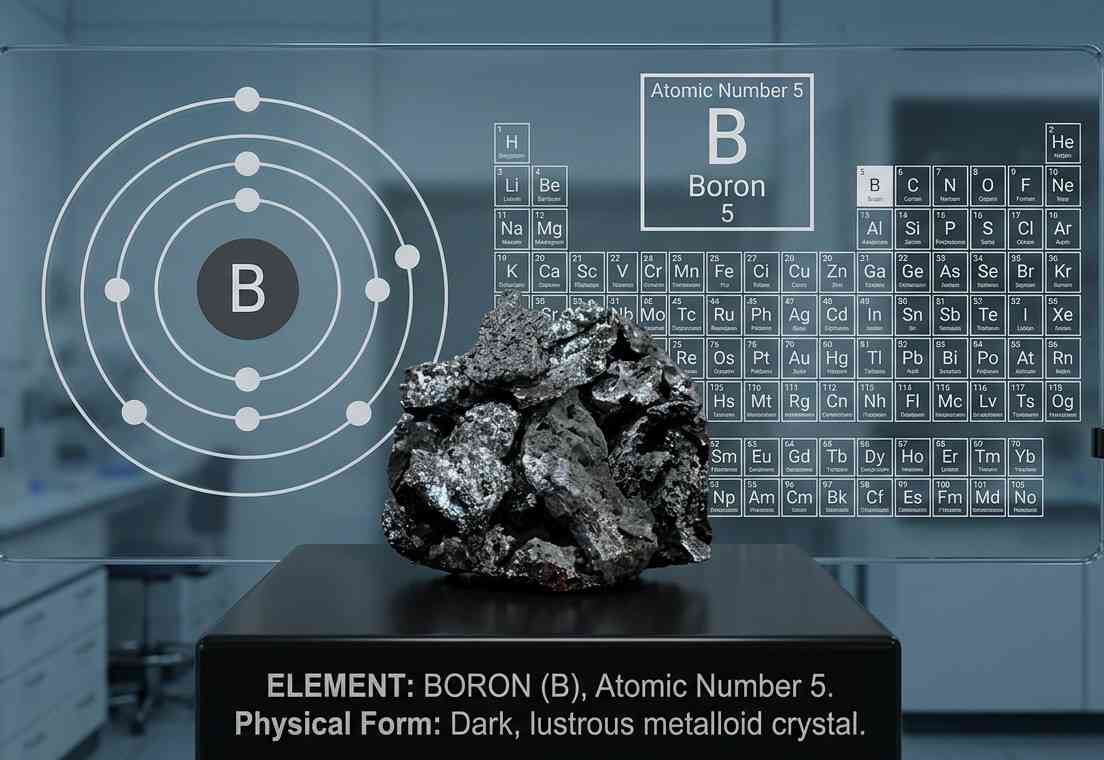
Boron (symbol B, atomic number 5) is a naturally occurring trace mineral that plays an important role in human health, although it is not officially classified as an essential nutrient. Found in fruits, vegetables, nuts, legumes, and drinking water, boron has gained attention for its potential benefits in supporting bone health, hormone balance, brain function, and inflammation control.
Research suggests that boron may influence the metabolism of minerals such as calcium, magnesium, and phosphorus while helping the body utilize vitamin D more effectively. Due to these properties, boron supplements have become increasingly popular among athletes, older adults, and individuals seeking better joint and bone health.
This guide explores everything you need to know about boron, including its benefits, side effects, recommendations, medicinal uses, and safety precautions.
What is Boron?
Boron is a trace mineral naturally present in soil, water, plants, and certain foods. Plants absorb boron from the soil, making fruits, vegetables, nuts, and legumes the primary dietary sources.
Although the human body requires only small amounts of boron, it appears to support various biological processes, including:
- Bone metabolism
- Hormone regulation
- Cognitive function
- Wound healing
- Mineral absorption
- Inflammatory response
Boron is available as a dietary supplement in forms such as boron citrate, boron glycinate, boron aspartate, and borax-derived compounds.
Approximate Boron Content in Foods
Unlike vitamins and major minerals, boron does not have an officially established Recommended Dietary Allowance (RDA). Daily intake varies depending on dietary habits.
| Food Source | Boron Content (mg per 100g) |
|---|---|
| Raisins | 2.2 mg |
| Almonds | 2.8 mg |
| Hazelnuts | 2.7 mg |
| Prunes | 1.8 mg |
| Avocados | 2.1 mg |
| Apples | 0.5 mg |
| Pears | 0.5 mg |
| Peanuts | 1.5 mg |
| Chickpeas | 1.0 mg |
| Lentils | 0.7 mg |
| Red Kidney Beans | 0.8 mg |
| Broccoli | 0.4 mg |
| Grapes | 0.4 mg |
| Dates | 1.1 mg |
| Potatoes | 0.3 mg |
Average dietary intake: 1–3 mg per day in most adults.
20 Proven Benefits of Boron
- Supports Bone Strength: Boron helps improve calcium, magnesium, and vitamin D utilization, contributing to stronger bones.
- Enhances Vitamin D Activity: Boron may increase the effectiveness and metabolism of vitamin D in the body.
- Improves Joint Health: Boron may help reduce joint discomfort and support healthy joint function.
- Supports Arthritis Management: Studies suggest boron intake may be associated with lower rates of osteoarthritis.
- Boosts Testosterone Levels: Boron supplementation may help maintain healthy testosterone levels in some individuals.
- Supports Estrogen Balance: Boron may positively influence estrogen metabolism, particularly in postmenopausal women.
- Promotes Muscle Growth: Athletes may benefit from boron’s role in hormone regulation and recovery.
- Improves Cognitive Function: Boron supports brain performance, attention, memory, and mental alertness.
- Enhances Concentration: Adequate boron intake may improve focus and cognitive processing.
- Reduces Inflammation: Boron may help lower inflammatory markers within the body.
- Supports Heart Health: By influencing inflammation and mineral balance, boron may contribute to cardiovascular wellness.
- Improves Magnesium Utilization: Boron helps the body retain and use magnesium more effectively.
- Supports Wound Healing: Boron participates in cellular processes involved in tissue repair.
- May Strengthen Immunity: Some evidence suggests boron may support immune system function.
- Supports Healthy Metabolism: Boron plays a role in various enzymatic reactions important for metabolism.
- Promotes Healthy Skin: Boron may contribute to skin repair and maintenance.
- Supports Kidney Function: In appropriate amounts, boron may assist normal mineral regulation.
- Improves Energy Levels: Better nutrient utilization may contribute to improved energy production.
- Supports Healthy Aging: Boron’s effects on bones, hormones, and cognition may support healthy aging.
- May Protect Against Oxidative Stress: Boron exhibits antioxidant-supportive properties that help combat cellular damage.
10 Side Effects of Boron
- Nausea: Excessive boron intake may cause stomach discomfort and nausea.
- Vomiting: High doses can lead to vomiting in sensitive individuals.
- Diarrhea: Large amounts may irritate the digestive system and cause loose stools.
- Abdominal Pain: Excess supplementation can contribute to stomach cramps.
- Headaches: Some users report headaches after taking high doses.
- Skin Irritation: Excessive exposure may occasionally cause skin reactions.
- Hormonal Changes: High doses may alter hormone levels beyond desirable ranges.
- Kidney Stress: Excess boron may place additional strain on individuals with kidney problems.
- Fatigue: Overconsumption can sometimes lead to unusual tiredness.
- Toxicity Risk: Extremely high intakes may result in boron toxicity and require medical attention.
How to Use Boron?
Boron can be obtained through food sources or supplements. Common ways to use boron include:
- Taking boron capsules or tablets.
- Using boron-containing multivitamins.
- Increasing consumption of boron-rich foods.
- Using physician-recommended boron supplements for bone health.
- Incorporating boron into sports nutrition programs under professional guidance.
Other Uses of Boron
Beyond dietary supplementation, boron is widely used in various industries:
- Glass manufacturing
- Ceramics production
- Agriculture and fertilizers
- Detergents and cleaning products
- Cosmetics and skincare products
- Fire retardants
- Electronics manufacturing
- Nuclear technology
- Water treatment
- Industrial lubricants
Tips for Consuming Boron
- Choose Food Sources First: Obtain boron primarily from fruits, vegetables, nuts, and legumes whenever possible.
- Take with Meals: Consuming boron with food may improve tolerance and absorption.
- Stay Hydrated: Adequate water intake supports proper mineral metabolism.
- Follow Recommended Dosages: Avoid taking more than necessary without professional advice.
- Pair with Vitamin D: Boron works synergistically with vitamin D for bone health.
- Include Magnesium-Rich Foods: Magnesium and boron complement each other in supporting bones.
- Monitor Supplement Intake: Check labels to avoid excessive cumulative intake.
- Use Quality Supplements: Purchase products from reputable manufacturers.
- Be Consistent: Regular moderate intake is often more beneficial than occasional high doses.
- Consult a Healthcare Professional: Seek guidance before starting long-term supplementation.
How to Take Boron?
Boron supplements are available in various forms:
- Capsules
- Tablets
- Softgels
- Powder formulations
- Multivitamin combinations
Most people take boron once daily with food. It may also be combined with calcium, magnesium, zinc, or vitamin D supplements.
How Much Boron Can You Take Per Day?
Most diets provide between 1 and 3 mg of boron daily.
Supplemental doses commonly range from:
- 1 mg per day
- 3 mg per day
- 6 mg per day
- 10 mg per day
The tolerable upper intake level (UL) for adults is generally considered to be around 20 mg per day from all sources combined.
Avoid exceeding recommended amounts unless advised by a qualified healthcare professional.
General Boron Dosage Guidelines:
| Purpose | Typical Daily Dosage |
|---|---|
| General Wellness | 1–3 mg |
| Bone Health Support | 3–6 mg |
| Joint Support | 3–10 mg |
| Athletic Support | 3–10 mg |
| Hormone Support | 3–10 mg |
Dosage requirements vary based on age, health status, diet, and medical conditions.
Best Time to Take Boron
There is no universally required time to take boron.
Common recommendations include:
- Morning with breakfast
- During lunch
- Alongside vitamin D supplements
- With mineral supplements such as magnesium or calcium
Taking boron with meals may reduce digestive discomfort.
Who Should Take Boron?
- Older Adults: Boron may help support bone density and healthy aging.
- Postmenopausal Women: Boron may assist estrogen metabolism and bone health.
- People with Low Dietary Intake: Individuals consuming few fruits and vegetables may benefit.
- Athletes: Boron may support recovery and hormone balance.
- Individuals Seeking Bone Support: Those interested in maintaining strong bones may consider boron.
- People with Joint Concerns: Boron may support overall joint function.
- Individuals Using Vitamin D Supplements: Boron may enhance vitamin D utilization.
- Vegetarians and Vegans: Boron-rich plant foods make supplementation an option if intake is inadequate.
- People Interested in Cognitive Health: Boron may support mental performance.
- Individuals Focused on Healthy Aging: Boron may contribute to long-term wellness goals.
Who Should Not Take Boron?
- Pregnant Women Without Medical Advice: Supplementation should only occur under professional guidance.
- Breastfeeding Mothers Without Medical Advice: Safety should be assessed individually.
- Individuals with Kidney Disease: Reduced kidney function may impair boron elimination.
- People with Hormone-Sensitive Conditions: Boron may influence hormone metabolism.
- Children Without Professional Recommendation: Dosages should be determined by healthcare providers.
- Individuals with Known Boron Sensitivity: Avoid use if allergic or sensitive.
- People Taking Certain Medications: Medical supervision may be necessary.
- Those Already Consuming High Amounts: Additional supplementation may be unnecessary.
- Individuals with Existing Toxicity Concerns: Supplementation should be avoided.
- People Exceeding Safe Intake Limits: High doses increase the risk of adverse effects.
How to Store Boron?
Proper storage helps maintain potency and safety.
- Keep in a cool, dry place.
- Store away from direct sunlight.
- Keep containers tightly closed.
- Avoid excessive heat and humidity.
- Keep out of reach of children and pets.
- Follow expiration dates on packaging.
- Do not store in bathrooms where moisture levels are high.
Precautions and Interactions
- Consult Your Doctor First: Seek medical advice before beginning supplementation.
- Monitor Hormone Levels: Boron may affect estrogen and testosterone metabolism.
- Avoid Excessive Doses: High intake increases toxicity risk.
- Use Caution with Kidney Conditions: Reduced elimination may increase boron accumulation.
- Watch for Digestive Symptoms: Stop use if significant stomach issues occur.
- Review Medication Interactions: Discuss supplements with healthcare providers.
- Avoid Combining Multiple Boron Products: This may unintentionally increase total intake.
- Follow Label Instructions: Use products exactly as directed.
- Monitor Long-Term Use: Periodic assessment may be helpful during prolonged supplementation.
- Discontinue if Adverse Reactions Occur: Seek medical advice if symptoms develop.
Medicinal Uses of Boron
Research continues to investigate boron’s therapeutic applications. Potential medicinal uses include:
Bone Health Support
Boron helps regulate minerals involved in bone formation and maintenance, making it valuable for skeletal health.
Osteoarthritis Support
Some studies suggest boron may reduce inflammation associated with osteoarthritis and improve joint comfort.
Hormone Regulation
Boron may influence testosterone and estrogen levels, potentially supporting hormonal balance.
Cognitive Health
Research indicates boron may contribute to memory, attention, and mental performance.
Inflammation Management
Boron may help modulate inflammatory processes throughout the body.
Wound Healing
Boron compounds have been studied for their role in tissue repair and recovery.
Nutrient Metabolism
Boron supports the metabolism of vitamin D, calcium, magnesium, and phosphorus.
Antioxidant Support
The mineral may help protect cells from oxidative stress and free radical damage.
Healthy Aging
By supporting bone, brain, and hormonal health, boron may contribute to overall healthy aging.
General Wellness
Adequate boron intake may promote optimal physiological function and long-term health.
Conclusion
Boron is a trace mineral with a surprisingly broad range of health benefits. Although required only in small amounts, it plays important roles in bone strength, hormone balance, brain function, mineral metabolism, and inflammation control. Most people can obtain sufficient boron from a diet rich in fruits, vegetables, nuts, and legumes, while supplements may offer additional support for specific health goals.
As with any supplement, moderation is important. Following recommended dosages and consulting a healthcare professional can help ensure safe and effective use. When incorporated into a balanced lifestyle, boron may be a valuable addition to overall health and wellness.
FAQ’s
What is boron good for?
B is primarily used to support bone health, joint function, hormone balance, brain health, and the metabolism of calcium, magnesium, and vitamin D.
Is boron safe to take daily?
Yes, B is generally safe when taken daily in recommended amounts, typically between 1–10 mg per day for adults.
What foods are high in boron?
Good sources of B include raisins, prunes, almonds, hazelnuts, avocados, apples, pears, legumes, and leafy vegetables.
Does boron help with arthritis?
B may help support joint health and reduce inflammation, which could be beneficial for people with osteoarthritis.
Can boron help strengthen bones?
Yes, B supports bone health by improving the body’s use of calcium, magnesium, phosphorus, and vitamin D.
Can women take boron supplements?
Yes, women can take boron supplements. B may help support bone health and healthy estrogen metabolism, especially after menopause.
Does boron improve brain function?
Research suggests that boron may support memory, concentration, alertness, and overall cognitive performance.
Is boron good for athletes?
B may support muscle recovery, bone strength, and hormone balance, making it a popular supplement among some athletes.
Can boron help with vitamin D absorption?
B may enhance the body’s utilization and metabolism of vitamin D, supporting overall bone health.
Can you get enough boron from food?
Yes, many people can meet their boron needs through a balanced diet rich in fruits, vegetables, nuts, and legumes.
Is boron an essential mineral?
B is considered a beneficial trace mineral, although it has not been officially classified as an essential nutrient for humans.
Can boron help reduce inflammation?
Studies suggest that boron may have anti-inflammatory properties that support joint and overall health.
What happens if you take too much boron?
Excessive boron intake may cause nausea, vomiting, diarrhea, headaches, and other symptoms of toxicity.
Can boron be taken with other supplements?
Yes, B is often taken alongside calcium, magnesium, zinc, and vitamin D supplements for bone health support.
How long does boron take to work?
The effects of boron vary by individual and purpose, but consistent use for several weeks is typically needed to notice potential benefits.
Is Boron Safe for Pregnant Women?
B from food is generally safe during pregnancy, but supplements should only be taken with medical advice.
Is Boron Safe for Children?
Yes, B from food is safe for children. Supplements should only be used if recommended by a healthcare provider.
What Is Boron Used For?
B supports bone health, joint function, hormone balance, brain health, and vitamin D metabolism.
What Are Signs of Boron Deficiency?
Low boron intake may be linked to poor bone health, joint discomfort, and reduced cognitive function.
Which Disease Is Caused by Deficiency of Boron?
No specific disease is caused by boron deficiency, but low intake may contribute to weaker bones and osteoporosis risk.
What Fruit Is Highest in Boron?
Raisins, prunes, and avocados are among the richest fruit sources of B.
Are Dates High in Boron?
Yes, dates contain a moderate amount of boron and can help increase daily intake.
How Do I Get Boron Naturally?
Eat boron-rich foods such as raisins, prunes, dates, avocados, nuts, beans, lentils, and vegetables.
Also Read: