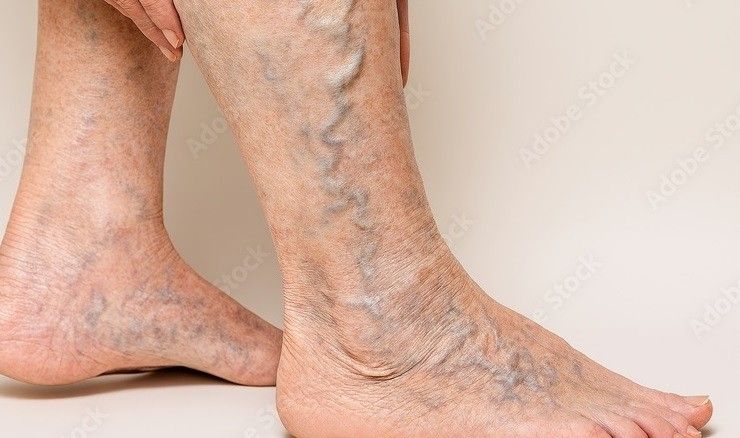
Bulging veins can be a concerning and uncomfortable issue for many people. While sometimes harmless, bulging veins can also signal underlying medical conditions that require attention. This guide will provide an in-depth look at what bulging veins are, what causes them, the symptoms to watch for, how they are diagnosed and treated, and most importantly, how you can prevent them. Whether you’re noticing prominent veins in your legs, arms, or elsewhere, this guide will help you understand what might be going on and what steps you can take.
What Are Bulging Veins?
Veins are blood vessels that carry deoxygenated blood back to the heart. Unlike arteries, veins have valves that prevent blood from flowing backward. When these valves weaken or become damaged, blood can pool in the veins, causing them to enlarge and bulge. This condition is often visible through the skin, appearing as twisted, swollen, or raised veins.
Bulging veins can occur anywhere in the body but are most common in the legs, hands, and arms. The appearance can vary from mild, barely noticeable veins to large, rope-like structures that protrude significantly.
Types of Bulging Veins
1. Varicose Veins
Varicose veins are enlarged, swollen veins that often appear dark purple or blue. They are commonly found in the legs and can cause pain, itching, and discomfort.
2. Spider Veins
Spider veins are smaller, red or blue veins that appear close to the surface of the skin. They often form in clusters and resemble spider webs.
3. Deep Vein Thrombosis (DVT)
While DVT itself is not a type of bulging vein, it is a serious condition that can cause swelling and visible changes in the leg. DVT occurs when a blood clot forms in a deep vein, usually in the legs.
4. Superficial Thrombophlebitis
This condition involves a blood clot in a superficial vein, causing inflammation and bulging. It can be painful and may require medical attention.
What Causes Bulging Veins?
There are several factors that can lead to bulging veins. Understanding these causes can help you identify the root issue and seek appropriate treatment.
1. Weak or Damaged Vein Valves
The most common cause of bulging veins is weakened or damaged valves in the veins. When valves fail, blood can flow backward and pool, causing the veins to enlarge.
2. Age
As we age, veins lose elasticity and become weaker. This can lead to valve dysfunction and increased risk of bulging veins.
3. Genetics
Family history plays a significant role. If your parents or grandparents had varicose veins, you are more likely to develop them.
4. Prolonged Standing or Sitting
Jobs that require long periods of standing or sitting can increase pressure in the leg veins, leading to bulging veins.
5. Pregnancy
Pregnancy increases blood volume and pressure on the veins in the pelvis and legs. Hormonal changes also contribute to vein dilation.
6. Obesity
Excess body weight increases pressure on the veins, especially in the legs, making bulging veins more likely.
7. Hormonal Changes
Hormones such as estrogen and progesterone can relax vein walls, making them more prone to bulging.
8. Physical Strain
Heavy lifting or intense physical activity can increase pressure in the veins, leading to bulging.
Symptoms of Bulging Veins
Not all bulging veins cause symptoms. For some people, the issue is purely cosmetic. However, bulging veins can also cause discomfort and other symptoms, including:
- Aching or throbbing in the legs
- Heaviness or fatigue in the legs
- Swelling in the legs, ankles, or feet
- Burning or itching around the vein
- Skin discoloration or inflammation
- Muscle cramps
- Restless legs
- Pain after sitting or standing for long periods
If you experience severe pain, sudden swelling, redness, warmth, or shortness of breath, you should seek immediate medical attention, as these symptoms may indicate a blood clot or other serious condition.
When to See a Doctor
You should consult a doctor if:
- The veins are painful or tender
- You have swelling in one leg only
- You experience redness, warmth, or skin ulcers
- You notice sudden changes in the appearance of your veins
- You have a history of blood clots
- You experience shortness of breath or chest pain
A medical professional can evaluate your condition, diagnose the cause, and recommend the best treatment plan.
How Bulging Veins Are Diagnosed?
Diagnosis typically begins with a physical examination. Your doctor may ask about your symptoms, medical history, and family history of vein problems. In some cases, further tests may be necessary, such as:
1. Doppler Ultrasound
This non-invasive test uses sound waves to visualize blood flow and check for blood clots or valve issues.
2. Venography
A dye is injected into the veins, and X-rays are taken to examine the vein structure. This test is less common but can be useful in complex cases.
3. CT or MRI Scans
These imaging tests may be used if deeper vein problems are suspected or if other conditions need to be ruled out.
Treatment for Bulging Veins
Treatment options depends on the severity of the condition, the location of the veins, and whether symptoms are present. Options range from lifestyle changes to medical procedures.
1. Lifestyle Changes
For mild cases, lifestyle modifications can help reduce symptoms and prevent progression:
- Avoid prolonged sitting or standing
- Elevate your legs when resting
- Exercise regularly to improve circulation
- Maintain a healthy weight
- Wear compression stockings
- Avoid tight clothing around the waist and legs
- Eat a high-fiber diet to prevent constipation
2. Compression Stockings
Compression stockings apply gentle pressure to the legs, helping veins move blood more efficiently. They can reduce swelling, pain, and the risk of blood clots.
3. Sclerotherapy
A solution is injected into the vein, causing it to collapse and fade. This is commonly used for spider veins and small varicose veins.
4. Laser Therapy
Laser treatment uses light energy to close off smaller veins. It is effective for spider veins and some small varicose veins.
5. Endovenous Ablation Therapy
This minimally invasive procedure uses heat (radiofrequency or laser) to seal the affected vein. Blood is then rerouted to healthier veins.
6. Vein Stripping and Ligation
In more severe cases, the damaged vein may be tied off and removed surgically. This is less common today due to less invasive options.
7. Ambulatory Phlebectomy
Small incisions are made to remove superficial veins. This is often used for larger varicose veins.
8. Medication
If inflammation or blood clots are present, medication such as anti-inflammatory drugs or blood thinners may be prescribed.
Best Exercises to Reduce Bulging Veins
Here are effective exercises that can help reduce bulging veins, especially in the legs, by improving blood circulation and strengthening the muscles that support vein function. These exercises are safe for most people, but if you have severe varicose veins, a history of blood clots, or significant pain, consult a doctor before starting.
1. Walking
Walking is one of the easiest and most effective exercises for improving circulation.
How it helps:
- Activates calf muscles
- Improves blood flow from the legs to the heart
- Reduces swelling and heaviness
How to do it:
- Aim for 30 minutes daily
- Keep a steady pace
- Try brisk walking if you can
2. Calf Raises
Calf raises strengthen the calf muscles, which act as a natural pump to push blood upward.
How to do it:
- Stand straight with feet shoulder-width apart
- Slowly rise onto your toes
- Hold for 2–3 seconds
- Lower back down
- Repeat 15–20 times, 2–3 sets
3. Leg Lifts
Leg lifts improve circulation and reduce pooling of blood in the legs.
How to do it:
- Lie on your back
- Lift one leg slowly to a 45-degree angle
- Hold for 3–5 seconds
- Lower it slowly
- Repeat 10–15 times per leg
4. Bicycle Exercise (Air Cycling)
This exercise activates the muscles in your legs and improves venous return.
How to do it:
- Lie on your back
- Lift your legs and move them like you’re pedaling a bicycle
- Continue for 1–2 minutes
- Rest and repeat 2–3 times
5. Ankle Pumps
Ankle pumps are simple and can be done anywhere. They help improve blood flow in the lower legs.
How to do it:
- Sit or lie down
- Point your toes away from you
- Pull toes back toward your body
- Repeat 20–30 times, 2–3 sets
6. Heel-to-Toe Walk
This exercise improves calf strength and circulation.
How to do it:
- Walk forward slowly
- Roll from heel to toe with each step
- Continue for 10–15 minutes
7. Squats
Squats help strengthen the leg muscles and improve circulation.
How to do it:
- Stand with feet shoulder-width apart
- Lower your body as if sitting in a chair
- Keep your back straight
- Rise back up
- Repeat 10–15 times, 2–3 sets
8. Swimming
Swimming is a low-impact exercise that improves circulation without putting stress on the legs.
How it helps:
- Water pressure supports veins
- Reduces swelling
- Improves overall circulation
How to do it:
- Swim 3–4 times per week
- 20–30 minutes per session
9. Yoga
Yoga improves circulation, reduces swelling, and promotes vein health.
Best yoga poses for veins:
- Legs Up the Wall (Viparita Karani)
- Bridge Pose (Setu Bandhasana)
- Downward Dog (Adho Mukha Svanasana)
10. Cycling
Cycling strengthens leg muscles and improves venous return.
How to do it:
- Cycle 20–30 minutes, 3–4 times per week
- Use a stationary bike if needed
Important Tips:
- Avoid high-impact activities like heavy weightlifting or intense jumping, as they can increase pressure in the veins.
- Do not exercise if you have severe pain or swelling, and consult a doctor first.
- Wear compression stockings during exercise if recommended by your doctor.
- Stay hydrated and maintain a healthy weight.
Complications of Untreated Bulging Veins
If left untreated, bulging veins can lead to complications, including:
- Chronic venous insufficiency
- Skin changes and ulcers
- Blood clots (DVT)
- Bleeding from varicose veins
- Infections
It is important to monitor your symptoms and seek treatment if they worsen or become painful.
Prevention Tips for Bulging Veins
While not all bulging veins can be prevented, especially those caused by genetics or age, you can reduce your risk and manage symptoms with these tips:
- Exercise regularly
- Maintain a healthy weight
- Avoid prolonged sitting or standing
- Elevate your legs daily
- Wear compression stockings if recommended
- Avoid high heels and tight clothing
- Eat a balanced diet rich in fiber
- Stay hydrated
- Quit smoking
Living With Bulging Veins: Tips for Comfort
If you have bulging veins, here are some ways to improve comfort and reduce symptoms:
- Leg Elevation: Elevate your legs above heart level for 15-20 minutes daily.
- Regular Movement: Take short walks every hour if you sit for long periods.
- Proper Footwear: Choose supportive shoes and avoid high heels.
- Hydration: Drink plenty of water to improve circulation.
- Massage: Gentle massage can help reduce swelling, but avoid massaging directly over varicose veins.
- Skin Care: Keep the skin moisturized to prevent dryness and irritation.
Conclusion
Bulging veins are a common issue that can range from a cosmetic concern to a sign of serious vascular problems. Understanding the causes, symptoms, and treatment options is essential for managing the condition effectively. If you notice bulging veins that are painful, worsening, or accompanied by other symptoms, it is important to consult a healthcare professional for proper diagnosis and treatment.
With the right lifestyle changes, medical interventions, and preventive strategies, many people can reduce symptoms and improve vein health. Remember, early detection and treatment can prevent complications and improve your quality of life.
FAQ’s
Are bulging veins dangerous?
Most bulging veins are not dangerous and are primarily a cosmetic issue. However, if they cause pain, swelling, or skin changes, they may indicate an underlying vein problem that needs medical attention.
What is the difference between varicose veins and spider veins?
Varicose veins are larger, swollen, and often twisted veins that appear blue or purple. Spider veins are smaller, red or blue veins that form a web-like pattern and are closer to the skin surface.
Can bulging veins be treated without surgery?
Yes. Mild cases can be treated with lifestyle changes, compression stockings, and minimally invasive procedures like sclerotherapy or laser therapy.
Do bulging veins go away on their own?
Bulging veins rarely go away on their own. They may worsen over time without treatment, especially if underlying vein issues are present.
Can exercise reduce bulging veins?
Regular exercise can improve blood circulation and reduce symptoms. Low-impact activities like walking, swimming, and cycling are especially helpful.
Are bulging veins hereditary?
Yes. Genetics plays a major role. If your family members have varicose veins, you are more likely to develop them.
Can pregnancy cause bulging veins?
Yes. Pregnancy increases blood volume and pressure on leg veins, often causing bulging veins. Hormonal changes also contribute to vein dilation.
Do compression stockings help bulging veins?
Yes. Compression stockings improve blood flow and reduce swelling, pain, and discomfort. They are often recommended as a first-line treatment.
Can bulging veins lead to blood clots?
In some cases, bulging veins can increase the risk of blood clots, especially if deep veins are involved. Seek medical attention if you notice sudden swelling, pain, or redness.
Can bulging veins cause leg swelling?
Yes. Bulging veins can cause blood to pool in the legs, leading to swelling, heaviness, and discomfort, especially after long periods of standing or sitting.
Also Read: