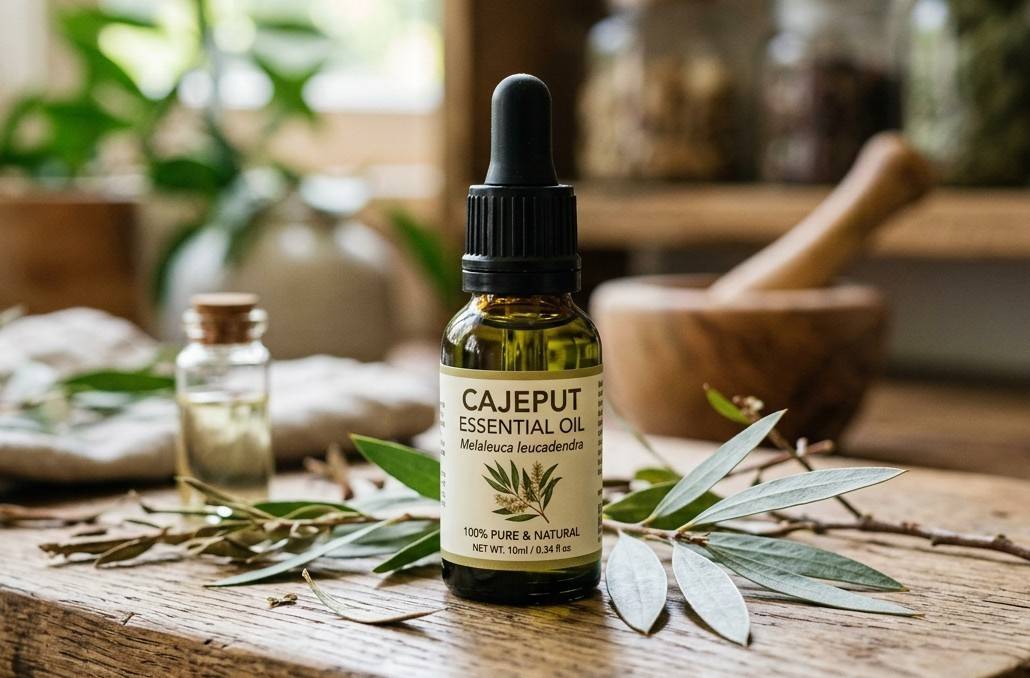
Cajeput Oil is a powerful essential oil known for its sharp, medicinal aroma and wide range of therapeutic benefits. Traditionally used in Southeast Asian folk medicine, this oil has earned recognition for its antimicrobial, anti-inflammatory, and pain-relieving properties. From easing respiratory congestion to supporting skin health, Cajeput Oil is a versatile natural remedy that continues to gain popularity in modern wellness routines.
In this guide, we will explore everything you need to know about Cajeput Oil — what it is, its science-backed health benefits, side effects, dosage, usage methods, precautions, and more.
What is Cajeput Oil?
Cajeput Oil is an essential oil extracted from the fresh leaves and twigs of the cajeput tree, scientifically known as Melaleuca cajuputi. The tree belongs to the Myrtaceae family, which also includes tea tree and eucalyptus.
The oil is obtained through steam distillation and is typically clear or pale yellow with a strong, camphor-like scent. Because of its active compounds such as cineole (eucalyptol), alpha-terpineol, and limonene, Cajeput Oil has been traditionally used as a natural antiseptic, expectorant, analgesic, and insect repellent.
Historically, it has been used in Indonesia, Malaysia, Vietnam, and other parts of Southeast Asia to treat respiratory infections, joint pain, digestive issues, and skin problems.
Components of Cajeput Oil
Although essential oils are not consumed for nutritional value like food oils, they contain active bio-compounds that contribute to their therapeutic effects. Below is a general composition profile of Cajeput Oil:
| Component | Approximate Percentage | Function |
|---|---|---|
| 1,8-Cineole (Eucalyptol) | 45–65% | Decongestant, anti-inflammatory |
| Alpha-Terpineol | 5–12% | Antimicrobial, antioxidant |
| Limonene | 1–5% | Antioxidant, mood-enhancer |
| Gamma-Terpinene | 1–4% | Anti-inflammatory |
| Alpha-Pinene | 1–3% | Respiratory support |
| Terpinolene | Trace | Antioxidant |
| Other Terpenes | Variable | Therapeutic support |
These compounds are responsible for the oil’s medicinal aroma and healing properties.
20 Proven Benefits of Cajeput Oil
- Relieves Nasal Congestion – Cajeput Oil helps open blocked airways and eases breathing during colds and sinus infections.
- Supports Respiratory Health – Its expectorant properties help loosen mucus and reduce cough severity.
- Natural Antiseptic – The oil prevents bacterial growth when applied (properly diluted) to minor cuts and wounds.
- Reduces Muscle Pain – Its warming effect soothes sore muscles and joint discomfort.
- Anti-Inflammatory Action – Cajeput Oil helps reduce swelling and inflammation in affected areas.
- Improves Circulation – Topical application stimulates blood flow and supports faster healing.
- Helps with Headaches – Inhalation may ease tension headaches due to its cooling and calming properties.
- Fights Skin Infections – Its antimicrobial properties help manage acne and minor skin irritations.
- Acts as an Insect Repellent – The strong aroma naturally repels mosquitoes and insects.
- Supports Digestive Health – Traditionally used in diluted form to relieve indigestion and gas.
- Boosts Immune Response – Antimicrobial compounds help the body defend against infections.
- Soothes Toothache – Diluted oil may provide temporary relief from dental discomfort.
- Reduces Fever Symptoms – Traditionally used to promote sweating and lower body temperature.
- Promotes Wound Healing – Stimulates tissue repair when applied properly.
- Alleviates Rheumatic Pain – Helps ease joint stiffness and arthritis discomfort.
- Clears Mental Fog – Inhalation may enhance focus and alertness.
- Controls Excess Oil on Skin – Acts as a mild astringent for oily skin types.
- Supports Scalp Health – May help reduce dandruff and scalp irritation.
- Reduces Stress – The aroma can calm nervous tension.
- Deodorizing Agent – Neutralizes unpleasant odors due to its antimicrobial nature.
10 Side Effects of Cajeput Oil
Although beneficial, improper use may cause side effects.
- Skin Irritation – Undiluted application may cause redness, itching, or burning.
- Allergic Reactions – Sensitive individuals may experience rash or swelling.
- Nausea – Ingesting excessive amounts may upset the stomach.
- Vomiting – Internal misuse can lead to gastrointestinal distress.
- Dizziness – Strong inhalation may cause lightheadedness in some individuals.
- Breathing Issues – Overuse may irritate the respiratory tract.
- Toxicity Risk – High doses can be harmful, especially for children.
- Eye Irritation – Contact with eyes may cause severe discomfort.
- Drug Interactions – May interact with certain medications.
- Skin Sensitivity to Sunlight – Rarely, it may increase photosensitivity.
How to Use Cajeput Oil?
Cajeput Oil can be used in several ways depending on the purpose:
1. Aromatherapy
Add 2–3 drops to a diffuser to clear airways and purify indoor air.
2. Steam Inhalation
Add 1–2 drops to hot water, inhale steam to relieve congestion.
3. Topical Application
Dilute with carrier oil (such as coconut or almond oil) before applying to skin for muscle or joint pain.
4. Massage Oil
Mix 3–5 drops with 1 tablespoon of carrier oil for a warming massage.
5. Bath Soak
Add 3–4 diluted drops to warm bath water for relaxation.
Other Uses of Cajeput Oil
- Ingredient in vapor rubs
- Used in liniments for joint pain
- Added to mouth rinses (proper dilution required)
- Used in homemade cleaning solutions
- Natural air freshener
- Insect repellent sprays
Tips for Consuming Cajeput Oil
Internal use should only be done under professional supervision.
- Always use food-grade oil.
- Never consume undiluted.
- Start with extremely small amounts.
- Avoid daily long-term ingestion.
- Consult a healthcare provider before use.
How to Take Cajeput Oil?
If recommended by a qualified practitioner:
- Mix 1 drop in a teaspoon of honey.
- Dilute in warm water.
- Combine with herbal preparations.
Do not exceed recommended doses.
How to Make Cajeput Oil at Home?
Making true essential oil at home requires steam distillation equipment. However, you can make a simple infused oil.
Simple Infused Version:
- Collect fresh cajeput leaves.
- Wash and dry them thoroughly.
- Crush lightly to release oils.
- Place in a glass jar.
- Pour carrier oil (like coconut oil) to cover leaves.
- Seal and keep in warm sunlight for 2–3 weeks.
- Strain and store in a dark bottle.
This is not pure essential oil but an herbal infusion.
How Much Cajeput Oil Can You Use Per Day?
For topical use:
- 2–3 drops diluted in 1 tablespoon carrier oil.
- Apply up to 2–3 times daily.
For inhalation:
- 1–3 drops per session.
Internal use:
- Only under medical supervision.
Cajeput Oil Dosage
General safe dilution ratio:
- 1–2% dilution for adults (1–2 drops per teaspoon carrier oil).
- Avoid internal dosage without professional guidance.
- Not recommended for children without medical advice.
Best Time to Use Cajeput Oil
- Morning: For respiratory support and mental clarity.
- After exercise: For muscle relief.
- During cold or flu symptoms.
- Before sleep: For congestion relief.
Who Should Use Cajeput Oil?
- Adults with respiratory congestion.
- People experiencing muscle or joint pain.
- Individuals seeking natural antiseptic solutions.
- Those looking for natural insect repellent options.
Who Should Not Use Cajeput Oil?
- Pregnant women without medical advice.
- Breastfeeding mothers.
- Children under 6 years.
- People with asthma sensitive to strong aromas.
- Individuals with sensitive skin.
- Those with liver disorders.
- Anyone allergic to eucalyptus or tea tree family plants.
How to Store Cajeput Oil?
- Keep in a dark glass bottle.
- Store away from direct sunlight.
- Maintain at room temperature.
- Keep tightly sealed.
- Avoid moisture contamination.
Properly stored oil can last 2–3 years.
Precautions and Interactions
- Always perform a patch test before skin application.
- Never apply undiluted to sensitive areas.
- Avoid contact with eyes and mucous membranes.
- Do not use before surgery without medical consultation.
- May interact with medications affecting liver enzymes.
- Keep out of reach of children.
- Seek immediate medical attention in case of accidental ingestion in large amounts.
Final Thoughts
Cajeput Oil is a powerful and versatile essential oil with impressive antimicrobial, anti-inflammatory, and respiratory-supporting properties. When used properly and responsibly, it can be a valuable addition to natural wellness routines. However, like all essential oils, it must be used with caution, correct dilution, and professional guidance when necessary.
Whether you are using it for respiratory relief, muscle pain, skin health, or aromatherapy, understanding its benefits, dosage, and precautions ensures safe and effective use. Always prioritize safety, especially when considering internal consumption, and consult a healthcare professional if you have underlying health conditions.
FAQ’s
What is Cajeput Oil used for?
Oil is commonly used for relieving nasal congestion, soothing muscle and joint pain, supporting respiratory health, managing minor skin infections, and acting as a natural antiseptic and insect repellent.
Is Cajeput Oil safe for daily use?
Oil can be used daily in small, properly diluted amounts for short periods, but prolonged or excessive use may cause irritation or sensitivity.
Can Cajeput Oil be applied directly to the skin?
No, Oil should always be diluted with a carrier oil before applying to the skin to prevent irritation or burning.
Can Cajeput Oil be ingested?
Internal use should only be done under the supervision of a qualified healthcare professional, as improper ingestion may cause toxicity or digestive distress.
Is Cajeput Oil good for cough and cold?
Yes, its high cineole content makes it helpful for clearing congestion, easing cough, and supporting easier breathing during colds.
Can Cajeput Oil help with muscle pain?
Yes, when diluted and massaged into sore areas, it provides a warming effect that helps relieve muscle stiffness and joint discomfort.
Is Cajeput Oil safe for children?
Oil is generally not recommended for children under 6 years unless advised by a healthcare professional.
Can pregnant women use Cajeput Oil?
Pregnant and breastfeeding women should avoid using oil unless approved by a medical professional.
Does Cajeput Oil help with acne?
Its antimicrobial and anti-inflammatory properties may help reduce acne-causing bacteria when properly diluted and used carefully.
What does Cajeput Oil smell like?
Oil has a sharp, fresh, camphor-like aroma similar to eucalyptus.
Can Cajeput Oil be used in a diffuser?
Yes, adding 2–3 drops to a diffuser can help purify the air and support respiratory health.
How long does Cajeput Oil last?
When stored properly in a dark, airtight glass bottle, it can last about 2–3 years.
Can Cajeput Oil cause allergic reactions?
Yes, some individuals may experience skin irritation or allergic reactions, so a patch test is recommended before use.
Is Cajeput Oil the same as Tea Tree Oil?
No, although both belong to the same plant family, oil and Tea Tree Oil come from different species and have slightly different chemical compositions and uses.
Can Cajeput Oil be used for headaches?
Inhalation or diluted topical application on the temples may help relieve tension headaches.
Does Cajeput Oil help with arthritis?
Its anti-inflammatory and warming properties may help ease joint stiffness and discomfort associated with arthritis.
Can Cajeput Oil repel insects?
Yes, its strong aroma acts as a natural insect repellent.
Is Cajeput Oil safe for pets?
Essential oils can be harmful to pets, so oil should not be used around animals without veterinary guidance.
What should I do if I accidentally swallow too much Cajeput Oil?
Seek immediate medical attention, especially if symptoms such as nausea, dizziness, or breathing difficulty occur.
How long does it take for Cajeput Oil to work?
Oil may start working within minutes when inhaled for congestion, while topical use for pain or inflammation may take 15–30 minutes to show noticeable relief.
What is Cajeput Oil good for?
Oil is good for relieving cough and cold symptoms, easing muscle and joint pain, supporting respiratory health, reducing skin infections, and acting as a natural antiseptic.
What is another name for cajeput?
Cajeput is also known as white tea tree, cajuput, or by its botanical name Melaleuca cajuputi.
What is cajeput oil made of?
Oil is made from the steam-distilled leaves and twigs of the cajeput tree and contains active compounds like 1,8-cineole (eucalyptol), alpha-terpineol, and other terpenes.
Is cajuput oil the same as eucalyptus oil?
No, cajuput oil and eucalyptus oil are different, although they are similar in aroma and both contain cineole; they come from different plant species and have slightly different chemical compositions.
Also Read: