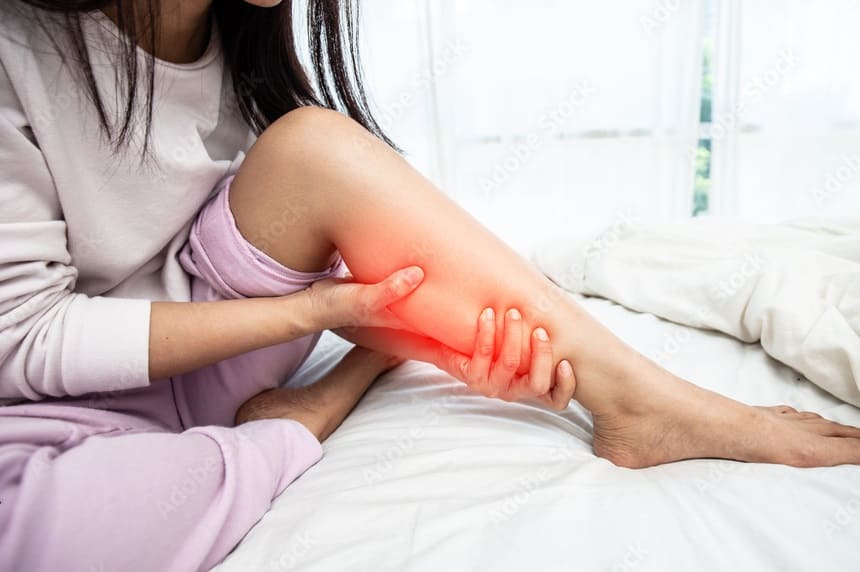
We often underestimate our legs—until something goes wrong. One morning you stretch to get out of bed, and suddenly a sharp tug in your calf stops you mid-motion. Or maybe you’re walking, climbing stairs, or working out when a tight, gripping ache wraps around the back of your lower leg. Calf pain might seem like a small inconvenience at first, but anyone who has dealt with it knows how easily it can disrupt daily life.
Your calves carry you through the world—literally. They help you stand, walk, run, jump, and even maintain your posture. When they hurt, everything slows down. The good news? Most calf pain can be treated, prevented, and even avoided with proper care. Let’s understand this condition in depth—from causes and symptoms to effective home remedies, doctor-approved treatments, exercise tips, and prevention strategies.
What is Calf Pain?
Calf pain refers to discomfort, soreness, tightness, or sharp pain in the back of the lower leg, between the knee and the ankle. This area consists of two primary muscles—the gastrocnemius (upper calf) and the soleus (lower calf)—along with blood vessels, nerves, and the Achilles tendon.
Calf pain can appear suddenly or develop gradually. It may feel like:
- A dull constant ache
- A stabbing or sharp pain
- Tightness or stiffness
- Cramping (known as a “charley horse”)
- Burning or tingling
Sometimes it lasts only a few minutes. Other times, it may persist for weeks.
Causes of Calf Pain
Calf pain can stem from muscle, nerve, tendon, or blood circulation issues. Common causes include:
1. Muscle Cramps
Sudden involuntary contractions, often at night or after exercise. They can feel intense, like the muscle is locked in a knot.
2. Muscle Strain or Tear
Happens when calf muscles are overstretched—common during running or sudden movements. It causes sharp pain, swelling, and difficulty walking.
3. Overuse or Fatigue
Standing, walking, or training for long hours without rest leads to soreness and aching.
4. Dehydration
Lack of fluids and electrolytes (like potassium and magnesium) increases muscle cramping.
5. Poor Blood Circulation
Conditions like Peripheral Artery Disease (PAD) reduce blood flow, causing pain during walking that subsides with rest.
6. Deep Vein Thrombosis (DVT)
A serious condition where a blood clot forms in the calf. It causes swelling, warmth, redness, and pain. Requires immediate medical attention.
7. Achilles Tendonitis
Inflammation of the tendon that connects calf muscles to the heel, causing pain in the back of the leg, especially when walking.
8. Sciatica or Nerve Compression
Irritated nerves in the lower back can radiate pain down into the calf.
9. Flat Feet or High Arches
Poor foot structure can overstrain calf muscles.
10. Footwear Problems
Tight, worn-out, or unsupportive shoes put stress on calves.
11. Mineral Deficiency
Low potassium, calcium, or magnesium can trigger spasms and muscle pain.
Symptoms of Calf Pain
Depending on the cause, you may experience:
- Sudden stabbing pain
- Persistent dull ache
- Swelling or tenderness
- Redness or warmth
- Muscle stiffness
- Difficulty walking or standing
- Numbness or tingling
- Pain that increases at night
- Visible muscle knot or twitching
Risk Factors
You’re more likely to experience calf pain if you:
- Are over 40
- Are overweight
- Stand or walk for long hours
- Are physically inactive
- Play high-impact sports
- Don’t stretch before exercise
- Wear improper footwear
- Smoke (increases DVT and circulation issues)
- Have diabetes or hypertension
Diagnosis of Calf Pain
Doctors may diagnose calf pain using:
- Physical examination – checking swelling, movement, and tenderness
- Ultrasound or Doppler test – to rule out blood clots or circulation problems
- MRI or X-Ray – if muscle or bone injury is suspected
- Blood Test – to check for electrolyte imbalance or infection
- Nerve conduction tests – if sciatica or nerve damage is suspected
Treatments for Calf Pain
Medical treatment for calf pain depends on the underlying cause—whether it’s a muscle injury, nerve issue, dehydration, or circulation problem. A doctor usually designs a treatment plan that focuses on reducing pain, healing the muscle, and preventing further damage. Common medical treatments include:
1. Pain Relievers:
Over-the-counter medicines like ibuprofen or acetaminophen are often recommended to reduce pain and inflammation.
2. Muscle Relaxants:
If your calf pain is caused by spasms or muscle tightness, a doctor may prescribe muscle relaxant medications for short-term relief.
3. Anti-inflammatory Medicines:
These help reduce swelling, soreness, and tenderness in the calf area.
4. Physical Therapy (Physiotherapy):
A physical therapist may use targeted stretching, strengthening exercises, massage techniques, and posture correction to speed recovery and prevent repeat injuries.
5. Ultrasound or Heat Therapy:
Therapeutic ultrasound or controlled heat application increases blood flow and promotes tissue healing.
6. TENS (Transcutaneous Electrical Nerve Stimulation):
This therapy uses mild electrical pulses to block pain signals and relax the calf muscles.
7. Compression Therapy:
Medical compression socks or calf sleeves help improve circulation and reduce swelling—especially helpful if the pain is related to poor blood flow.
8. Orthotic Support:
Custom or medical shoe inserts are used if calf pain is due to flat feet, high arches, or incorrect walking posture.
9. Blood Thinners (Only if prescribed):
If calf pain is caused by a blood clot (Deep Vein Thrombosis or DVT), doctors prescribe anticoagulant medications to prevent clot growth and complications.
10. Steroid Injections (In select cases):
If inflammation is severe and not responding to regular medication, doctors may use corticosteroid injections with caution.
11. Surgery (Rare cases only):
Surgery is considered only if there is a severe muscle tear, Achilles tendon rupture, or a dangerous clot that requires removal.
20 Home Remedies for Calf Pain
Here are 20 practical, safe, and effective home remedies for calf pain:
- Warm Compress: Applying warm heat relaxes tight calf muscles and boosts blood flow for faster relief.
- Cold Pack for Swelling: If the area feels swollen or warm, a cold compress helps calm inflammation.
- Epsom Salt Soak: Soaking your lower legs in warm water with Epsom salt helps reduce muscle stiffness and cramps.
- Gentle Massage: Using your hands or a massage roller, gently knead the calf to ease tension and improve circulation.
- Mustard Oil Massage: Warm mustard oil penetrates deep into muscle tissues and helps loosen stiffness.
- Coconut Oil Rub: Rich in moisturizing and soothing properties, coconut oil eases muscle soreness when massaged in circular motions.
- Stay Hydrated: Dehydration is one of the biggest causes of muscle cramps. Drinking water throughout the day prevents flare-ups.
- Coconut Water: Packed with natural electrolytes, it helps restore minerals lost due to sweating or dehydration.
- Eat Bananas: A natural source of potassium that helps prevent painful muscle cramping.
- Turmeric Milk at Night: Turmeric is a natural anti-inflammatory that helps the body reduce muscle pain and heal faster.
- Ginger Tea: Ginger improves blood circulation and reduces pain-causing inflammation.
- Apple Cider Vinegar Drink: Mixing a spoon of ACV with warm water helps restore mineral balance in the body.
- Stretch Before Bed: Gentle calf stretches before sleeping reduce nighttime cramps.
- Foam Rolling: Rolling calves with a foam roller releases deep muscle tension similar to a massage.
- Leg Elevation While Resting: Keeping legs raised on pillows reduces swelling and improves blood flow.
- Avoid Sitting or Standing Too Long: Staying in one position strains calf muscles—movement in intervals helps prevent stiffness.
- Walk Slowly and Frequently: Short gentle walks prevent the muscles from seizing up and improve circulation.
- Magnesium-Rich Foods: Foods like almonds, spinach, peanuts, and pumpkin seeds support muscle relaxation.
- Avoid Tight Footwear: Shoes that squeeze or lack support put extra pressure on calves and slow down recovery.
- Warm Foot and Calf Bath: Soaking feet and calves in warm water with salt or natural oils relieves fatigue and relaxes muscle fibers.
10 Best Exercises for Calf Pain
Here are 10 best, safe and effective exercises for calf pain:
1. Standing Wall Calf Stretch:
Stand facing a wall, place your hands on it, extend one leg back, keep the heel on the ground and lean forward.
You’ll feel a stretch in the upper calf. Hold for 20–30 seconds, repeat on both sides.
2. Seated Towel Stretch:
Sit with legs stretched out, wrap a towel around your foot, and gently pull it toward you until you feel the stretch in your calf.
Hold for 20–30 seconds and repeat 3 times.
3. Heel Drop on a Step:
Stand on the edge of a step with your heels hanging off. Slowly lower your heels downward, then raise them back up.
This strengthens and stretches the calf safely.
4. Calf Raises:
Stand straight and slowly lift your heels, standing on your toes. Hold for 2 seconds, then lower back down.
Repeat 10–15 times for 2–3 sets.
5. Downward Dog (Yoga):
Place hands and feet on the floor, raise hips up like a triangle, and press heels gently toward the ground.
This gives a deep stretch to both calves at once.
6. Ankle Pumps:
While sitting or lying down, point your toes downwards, then pull them up toward you.
Repeat 15–20 times. This improves blood flow and reduces stiffness.
7. Resistance Band Calf Stretch:
Wrap a resistance band around your foot, hold the ends, and gently pull while keeping the leg straight.
It provides a controlled and deeper stretch.
8. Toe Walking:
Walk around your room slowly while standing on your toes for 30 seconds to 1 minute.
This strengthens calf muscles without straining them.
9. Heel Walking:
Lift the front of your feet and walk on your heels for 30–60 seconds.
This helps balance calf strength and reduces muscle tension.
10. Self-Calf Massage with Ball:
Place a tennis ball or massage ball under your calf while sitting. Slowly roll your leg over it to release tight spots.
Spend 1–2 minutes on each calf.
Tips for Exercising with Calf Pain
- Start slow, never rush
- Warm up before stretching
- Avoid high-impact exercises initially
- Stop if pain turns sharp
- Breathe deeply while stretching
- Keep movements controlled
- Wear proper shoes with support
- Hydrate before and after
- Avoid exercising on hard surfaces
- Don’t push through pain
Prevention Tips for Calf Pain
- Stay hydrated throughout the day to prevent muscle cramps and stiffness.
- Stretch your calves gently before and after physical activity to reduce strain.
- Avoid standing or sitting in the same position for long periods without breaks.
- Wear supportive, well-fitted shoes to reduce pressure on calf muscles.
- Warm up properly before exercising to prepare the muscles for movement.
- Gradually increase workout intensity instead of making sudden changes.
- Include potassium and magnesium-rich foods in your diet to support muscle function.
- Maintain a healthy body weight to reduce extra stress on your legs.
- Take short walking breaks if your day involves long sitting or standing hours.
- Avoid exercising on very hard surfaces when possible to reduce muscle impact.
- Massage your calves occasionally to boost circulation and relax tight muscles.
- Keep good posture while walking, standing, or running to prevent muscle imbalance.
- Replace worn-out shoes in time to maintain proper foot and leg support.
- Use compression socks if you stand for long durations or have circulation concerns.
- Do regular calf-strengthening exercises to build muscle endurance and flexibility.
Complications of Untreated Calf Pain
Ignoring calf pain can lead to:
- Chronic muscle tightness
- Permanent muscle weakness
- Gait imbalance
- Increased risk of falls
- Blood clot complications (in case of DVT)
- Reduced mobility
- Long-term nerve damage if caused by sciatica
When to See a Doctor?
Seek medical help urgently if you notice:
- Swelling, redness, or warmth in the calf
- Pain that doesn’t improve with rest
- Shortness of breath or chest pain (possible clot signs)
- Severe cramps lasting long hours
- Difficulty walking
- Numbness or sudden weakness
- Calf pain after a long flight or bed rest
Final Thoughts
Calf pain is more than just an annoying muscle issue—it’s a signal. It can reflect dehydration, injury, lifestyle habits, posture mistakes, nutritional gaps, or circulation problems. The key is not to ignore what your body is trying to tell you.
Treat it early, stretch often, walk mindfully, exercise smart, hydrate well, and fuel your body with essential nutrients. Your calves may be small muscles but they carry a big responsibility—so take care of them like they carry you.
FAQ’s
What causes sudden calf pain?
Sudden calf pain is usually caused by muscle cramps, dehydration, sudden stretching, or overuse. In rare cases, it can signal a blood clot, which requires urgent medical care.
Is walking good for calf pain?
Yes, short and gentle walking improves blood circulation and prevents stiffness, but avoid long walks if the pain is sharp or severe.
Why do I get calf cramps at night?
Night cramps are commonly caused by dehydration, mineral deficiency (like potassium or magnesium), poor circulation, or muscle fatigue.
Should I massage a painful calf?
Yes, a gentle massage improves circulation and relaxes tight muscles, but avoid deep pressure if the area is swollen, red, or very painful.
How long does calf pain take to heal?
Mild calf pain can improve within 2–5 days, while muscle strain may take 2–6 weeks depending on severity.
Can sitting too long cause calf pain?
Yes, sitting for long hours slows blood circulation, leading to stiffness, cramps, and muscle discomfort.
Can dehydration cause calf pain?
Yes, dehydration is one of the major triggers for muscle cramps and calf discomfort due to electrolyte imbalance.
How do you relieve calf pain?
Calf pain can be relieved by resting the leg, applying warm or cold compress depending on swelling, gently stretching the muscle, drinking enough water, and doing a light massage to improve circulation. Elevating the leg and using compression sleeves can also help. If the pain is due to cramps, electrolyte-rich drinks like coconut water may provide quick relief.
When to worry about calf pain?
You should worry about calf pain if it comes with swelling, redness, warmth, severe tenderness, difficulty walking, numbness, or if the pain appears suddenly without any injury. Also seek urgent care if you experience shortness of breath or chest pain, as these may indicate a blood clot or circulation issue that requires immediate medical attention.
Which vitamin deficiency causes calf muscle pain?
Deficiencies in Vitamin D, Vitamin B12, magnesium, potassium, and calcium are most commonly linked to calf muscle pain and cramps. These nutrients are essential for muscle function, nerve signaling, and preventing muscle spasms. Low levels can lead to frequent cramps, stiffness, weakness, and discomfort.
Also Read: