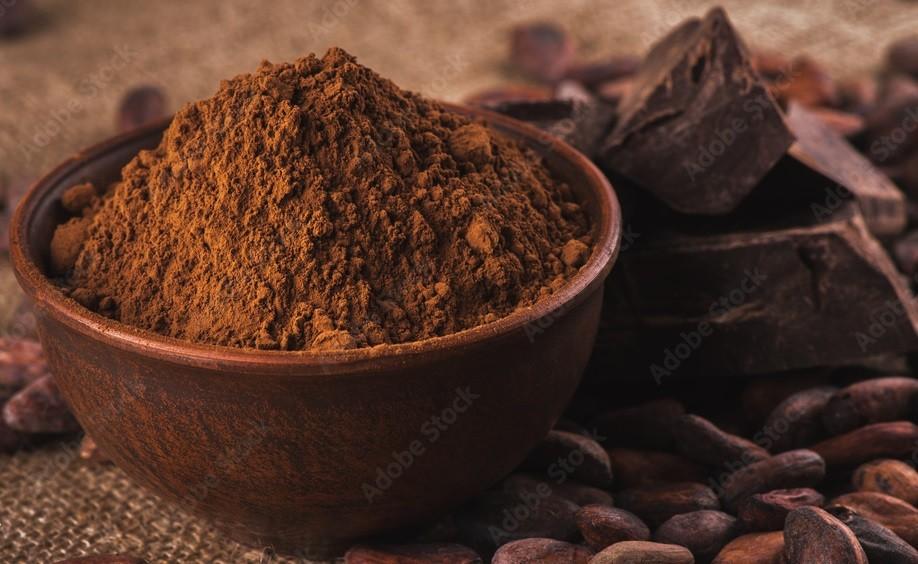
Cocoa powder is one of the most beloved ingredients worldwide. Known for its rich flavor and versatile uses, it is the backbone of chocolate products and a staple in both cooking and baking. But beyond its delicious taste, cocoa powder also offers numerous health benefits, contains vital nutrients, and can be incorporated into a variety of diets. In this guide, we’ll explore everything about cocoa powder—from its nutritional value to benefits, side effects, and tips on consumption.
What is Cocoa Powder?
Cocoa powder is made from cocoa beans, the seeds of the cacao tree. The process begins with fermenting, drying, roasting, and grinding the cocoa beans. After roasting, the cocoa solids are separated from the cocoa butter. The remaining solids are then processed into fine cocoa powder.
Cocoa powder comes in two main varieties:
- Natural Cocoa Powder: Slightly acidic, light brown in color, and has a strong, rich chocolate flavor. It is commonly used in baking recipes that include baking soda.
- Dutch-Processed (Alkalized) Cocoa Powder: Treated with an alkalizing agent to reduce acidity. It has a darker color and a smoother, milder flavor, often preferred for beverages and desserts.
Nutrition Facts of Cocoa Powder
Here’s a nutritional composition of 1 tablespoon (5 grams) of unsweetened cocoa powder:
| Nutrient | Amount per 5g | % Daily Value* |
|---|---|---|
| Calories | 12 kcal | 1% |
| Carbohydrates | 3 g | 1% |
| Dietary Fiber | 2 g | 8% |
| Sugars | 0 g | 0% |
| Fat | 0.7 g | 1% |
| Protein | 1 g | 2% |
| Iron | 0.6 mg | 3% |
| Magnesium | 27 mg | 7% |
| Phosphorus | 28 mg | 3% |
| Potassium | 125 mg | 3% |
| Zinc | 0.3 mg | 2% |
| Copper | 0.2 mg | 10% |
| Manganese | 0.2 mg | 10% |
*Percent daily values are based on a 2,000-calorie diet.
Cocoa powder is low in calories but rich in antioxidants, minerals, and fiber, making it a nutritious addition to your diet.
20 Proven Health Benefits of Cocoa Powder
Cocoa powder is not just a tasty ingredient; it also offers a variety of health benefits when consumed in moderation.
- Rich in Antioxidants: Cocoa powder contains flavonoids and polyphenols, which are potent antioxidants. These compounds combat free radicals in the body, reducing oxidative stress and lowering the risk of chronic diseases.
- Improves Heart Health: Flavonoids in cocoa help dilate blood vessels, improve blood flow, and reduce blood pressure. Regular consumption may lower the risk of heart disease.
- Enhances Brain Function: Cocoa’s antioxidants can improve cognitive function and memory by increasing blood flow to the brain and promoting neuroplasticity.
- Boosts Mood: Cocoa stimulates the production of serotonin and endorphins, natural chemicals in the brain that improve mood and reduce symptoms of depression.
- Supports Weight Management: Despite being calorie-dense in chocolate form, pure cocoa powder can help regulate appetite and improve fat metabolism.
- Fights Inflammation: The anti-inflammatory properties of cocoa help reduce inflammation in the body, which is linked to various chronic illnesses.
- Strengthens Immunity: Cocoa contains compounds like theobromine and catechins, which enhance immune response and protect the body from infections.
- Regulates Blood Sugar: Flavonoids in cocoa improve insulin sensitivity, which may help regulate blood sugar levels and reduce the risk of type 2 diabetes.
- Supports Digestive Health: The fiber in cocoa powder aids in digestion, prevents constipation, and promotes a healthy gut microbiome.
- Improves Skin Health: Cocoa’s antioxidants protect the skin from UV damage, improve hydration, and promote a youthful glow.
- Protects Liver Function: Cocoa polyphenols help reduce fat accumulation in the liver, supporting overall liver health.
- Enhances Exercise Performance: The flavonoids in cocoa improve blood flow and oxygen utilization, potentially boosting endurance and reducing muscle fatigue.
- Reduces Cholesterol Levels: Cocoa powder may help lower LDL (bad cholesterol) while increasing HDL (good cholesterol), supporting cardiovascular health.
- Supports Bone Health: Magnesium, calcium, and other minerals in cocoa strengthen bones and reduce the risk of osteoporosis.
- Boosts Cognitive Focus: Cocoa improves mental clarity and alertness, making it beneficial for students and professionals.
- Aids Detoxification: Cocoa has natural detoxifying properties, helping to flush out toxins and promote overall health.
- Supports Respiratory Health: The theobromine in cocoa may help relax the bronchi in the lungs, improving breathing and reducing coughing.
- Reduces Anxiety: Cocoa compounds interact with neurotransmitters in the brain, promoting relaxation and reducing anxiety levels.
- Improves Sleep Quality: While cocoa contains a small amount of caffeine, it also stimulates serotonin production, which can improve sleep patterns in moderate amounts.
- Promotes Oral Health: Cocoa contains antibacterial compounds that reduce plaque formation and protect teeth from cavities.
10 Side Effects of Cocoa Powder
Although cocoa powder is beneficial, excessive consumption can lead to side effects:
- Caffeine Sensitivity: Cocoa contains caffeine, which may cause insomnia, jitters, or rapid heartbeat in sensitive individuals.
- Gastrointestinal Issues: Overconsumption can lead to bloating, gas, or diarrhea due to its fiber and theobromine content.
- Allergic Reactions: Some individuals may be allergic to cocoa or components in processed cocoa products.
- Headaches or Migraines: Cocoa contains tyramine and phenylethylamine, which can trigger headaches in susceptible people.
- Weight Gain: Adding sugar or cream to cocoa-based recipes can lead to excessive calorie intake and weight gain.
- Acid Reflux: Cocoa can relax the lower esophageal sphincter, potentially worsening heartburn or acid reflux.
- Kidney Issues: High intake of oxalates in cocoa may contribute to kidney stone formation in vulnerable individuals.
- Interaction with Medications: Cocoa may interact with certain medications, including blood thinners and stimulants.
- Dental Problems: Sweetened cocoa products can increase the risk of cavities and tooth decay.
- Anxiety and Restlessness: Overconsumption may exacerbate anxiety symptoms in sensitive individuals.
How to Make Cocoa Powder?
Making cocoa powder at home is possible, though it’s typically easier to buy pre-made cocoa. Here’s the process:
- Select Raw Cocoa Beans – Choose high-quality, raw cocoa beans.
- Roast the Beans – Roast in an oven at 120–150°C (250–300°F) for 15–25 minutes.
- Crack and Winnow – Remove the shells to extract cocoa nibs.
- Grind the Nibs – Grind the nibs into a thick paste known as cocoa liquor.
- Press the Liquor – Separate the cocoa solids from the cocoa butter using a hydraulic press.
- Dry and Powder – Dry the cocoa solids and grind them into fine cocoa powder.
Homemade cocoa powder retains more nutrients and antioxidants compared to heavily processed store-bought versions.
How to Use Cocoa Powder?
Cocoa powder is incredibly versatile. Some common uses include:
- Beverages: Hot chocolate, smoothies, protein shakes.
- Baking: Cakes, brownies, cookies, muffins.
- Cooking: Sauces, chili, mole, desserts.
- Health Recipes: Energy balls, granola bars, oatmeal.
- Cosmetic Use: DIY face masks, scrubs, and hair masks.
Tips for Consuming Cocoa Powder
- Choose Unsweetened Cocoa – Avoid added sugar to maximize health benefits.
- Combine with Healthy Ingredients – Pair with nuts, fruits, or low-fat milk for balanced nutrition.
- Moderation is Key – Stick to 1–2 tablespoons per day.
- Avoid Excessive Heat – Overheating cocoa can destroy some antioxidants.
- Check Quality – Opt for organic or minimally processed cocoa powder.
Other Uses of Cocoa Powder
Apart from culinary uses, cocoa powder can be used for:
- Skincare: Mixed with honey or yogurt for moisturizing masks.
- Hair Care: Added to conditioners for shine and nourishment.
- Gardening: Used as a natural fertilizer due to its nutrient content.
- Aromatherapy: Cocoa powder scent is known to reduce stress.
How Much Cocoa Powder Can You Eat in a Day?
Moderation is crucial. 1–2 tablespoons (5–10 grams) per day is generally safe for most adults. Exceeding this may increase caffeine intake and risk of side effects.
Best Time to Eat Cocoa Powder
- Morning or Afternoon: Cocoa can boost mood and alertness due to its mild caffeine content.
- Post-Workout: Supports recovery due to antioxidants and minerals.
- Avoid Late Night: To prevent sleep disruption from caffeine.
Who Should Eat Cocoa Powder?
Cocoa powder can be beneficial for:
- Adults seeking cardiovascular and brain health benefits.
- Athletes or fitness enthusiasts looking for performance boosts.
- Individuals needing antioxidants and minerals in their diet.
- People looking to improve mood and reduce stress naturally.
Who Should Not Eat Cocoa Powder?
- Individuals sensitive to caffeine.
- People with acid reflux or heartburn.
- Those prone to kidney stones.
- People allergic to cocoa or chocolate products.
- Individuals on certain medications (consult a doctor first).
How to Store Cocoa Powder?
- Store in an airtight container.
- Keep in a cool, dry place, away from sunlight and moisture.
- Avoid storing in the fridge, as moisture can cause clumping.
- Proper storage can extend shelf life up to 2–3 years for unsweetened cocoa powder.
Precautions and Interactions
- Medication Interactions: Cocoa can interact with stimulants, blood thinners, or diabetes medications.
- Pregnancy and Breastfeeding: Safe in moderation, but avoid high doses due to caffeine.
- Excessive Consumption: Can lead to insomnia, gastrointestinal problems, or anxiety.
- Children: Limit intake due to caffeine content.
- Pre-existing Conditions: Consult a doctor if you have heart disease, kidney issues, or gastrointestinal disorders.
Conclusion
Cocoa powder is more than just a delicious ingredient; it’s a powerhouse of nutrition and health benefits. From boosting heart and brain health to improving mood and supporting digestion, cocoa powder offers a wide range of advantages. However, moderation is key, as overconsumption may lead to side effects. By choosing high-quality, unsweetened cocoa powder and using it creatively in meals, beverages, and even skincare routines, you can enjoy its benefits safely and deliciously.
FAQ’s
Can pregnant women eat cocoa powder?
Yes, cocoa powder is safe in moderation during pregnancy. Limit intake due to caffeine content and avoid sugary chocolate products.
Can children consume cocoa powder?
Children can consume small amounts, but avoid giving high doses because of caffeine and theobromine.
Is cocoa powder good for weight loss?
Yes, unsweetened cocoa powder can help regulate appetite and metabolism, but avoid added sugar or high-calorie chocolate.
What is the difference between natural and Dutch-processed cocoa powder?
Natural cocoa is slightly acidic with a strong flavor, while Dutch-processed is alkalized, darker, and milder in taste.
Can cocoa powder improve heart health?
Yes, flavonoids in cocoa improve blood flow, reduce blood pressure, and support cardiovascular health.
Can cocoa powder affect sleep?
Excessive cocoa intake may disrupt sleep due to caffeine, so avoid consuming it late at night.
Can cocoa powder be used for skin and hair?
Yes, cocoa powder is used in DIY masks and scrubs to moisturize, nourish, and improve skin and hair health.
Is Cocoa Powder safe for diabetics?
Yes, unsweetened cocoa powder can be safe for diabetics in moderation. Its flavonoids may help improve insulin sensitivity, but avoid sweetened cocoa products that contain added sugar.
What does Cocoa Powder taste like?
Cocoa powder has a rich, slightly bitter chocolate flavor. Natural cocoa is more acidic and intense, while Dutch-processed cocoa is smoother and milder.
Is Cocoa Powder safe to consume every day?
Moderate daily consumption (1–2 tablespoons) is generally safe for most adults and can provide health benefits without side effects.
What is cocoa powder good for?
Cocoa powder is rich in antioxidants, supports heart and brain health, boosts mood, improves skin, and aids digestion. It’s also used in cooking, baking, and beverages.
Can I eat cocoa powder directly?
You can eat it in small amounts, but it is very bitter on its own. It’s usually best mixed with milk, yogurt, or other ingredients for taste and easier digestion.
What is cocoa mainly used for?
Cocoa powder is primarily used in baking, desserts, beverages like hot chocolate, and savory dishes like mole sauce. It’s also used in some cosmetic applications.
What is a substitute for cocoa powder?
You can substitute cocoa powder with unsweetened baking chocolate (adjusting for fat content), carob powder, or dark chocolate melted and reduced in fat.
Can I use normal chocolate instead of cocoa powder?
Yes, but normal chocolate contains sugar and fat, so you’ll need to adjust the recipe accordingly. Cocoa powder gives a more intense chocolate flavor without extra sweetness.
What is the difference between baking chocolate and cocoa powder?
Baking chocolate is solid and contains cocoa solids, cocoa butter, and sometimes sugar. Cocoa powder is just the dry solids after removing most of the cocoa butter.
Which type of cocoa powder is best?
Both natural and Dutch-processed cocoa have benefits. Natural cocoa is good for recipes with baking soda, while Dutch-processed is smoother and ideal for beverages and desserts.
Is unsweetened chocolate the same as cocoa powder?
Not exactly. Unsweetened chocolate contains cocoa solids and cocoa butter, while cocoa powder is the dry solids after most cocoa butter is removed. Cocoa powder is lower in fat.
Also Read: