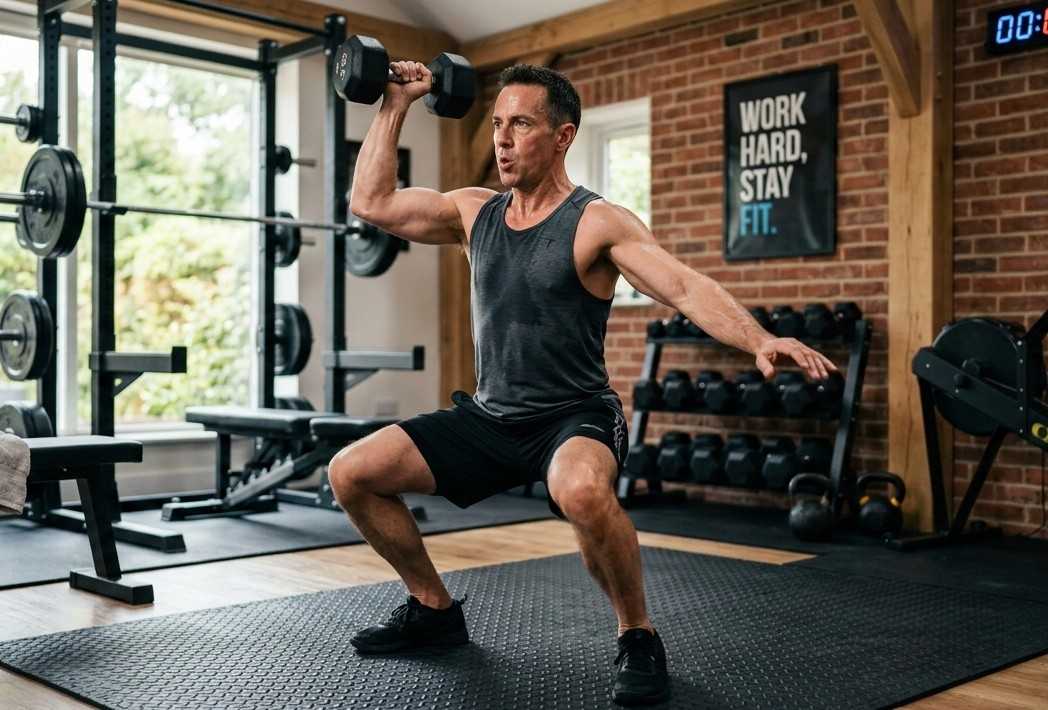
In a world where schedules are packed and attention spans are shrinking, the idea of getting fit in 10, 15, or 20 minutes a day sounds almost too good to be true. Social media is filled with quick workout routines promising fat loss, muscle gain, and improved endurance in record time. But do short workouts really work, or are they just a convenient fitness myth?
The short answer: yes, short workouts can absolutely work. However, how well they work depends on intensity, consistency, structure, and your specific fitness goals. In this guide, we will explore what counts as a short workout, the science behind brief exercise sessions, benefits, limitations, and how to design a time-efficient routine that delivers real results.
What Is a Short Workout?
A short workout typically lasts between 5 and 30 minutes. These sessions may include:
- High-Intensity Interval Training (HIIT)
- Bodyweight circuits
- Strength supersets
- Quick cardio bursts
- Yoga flows
- Mobility routines
- Core-focused sessions
Some popular time-efficient training styles include methods like High-Intensity Interval Training (HIIT), Tabata, and branded programs such as 7-Minute Workout. The key feature is time efficiency. These workouts are designed to maximize effort within a limited timeframe.
The Science Behind Short Workouts
For decades, traditional advice suggested that longer workouts were necessary for results. However, more recent research shows that intensity and total weekly volume often matter more than session length alone.
1. Intensity Drives Adaptation
High-intensity workouts recruit more muscle fibers and challenge the cardiovascular system in less time. Short bursts of intense effort followed by brief rest periods can stimulate:
- Improved aerobic capacity
- Increased insulin sensitivity
- Enhanced fat oxidation
- Muscle strength gains
Studies on HIIT show that even 10–20 minutes of structured intervals can improve VO2 max and cardiovascular health similarly to longer moderate-intensity sessions.
2. The Role of Weekly Volume
While short workouts are effective, total weekly movement still matters. For general health, organizations like the World Health Organization and the American Heart Association recommend at least 150 minutes of moderate-intensity activity per week or 75 minutes of vigorous activity.
You can achieve this target through shorter daily sessions. For example:
- 15 minutes of vigorous exercise per day, 5 days a week = 75 minutes total.
Short workouts work best when they contribute meaningfully to your overall weekly activity level.
Benefits of Short Workouts
1. Better Consistency
Time is the most common barrier to exercise. Short workouts eliminate the “I don’t have time” excuse. When something takes 15 minutes instead of 60, you’re more likely to stick with it.
Consistency over months and years matters more than occasional long sessions.
2. Higher Intensity
Knowing the workout is brief often encourages people to push harder. Short sessions tend to focus on compound movements and minimal rest, increasing calorie burn per minute.
3. Improved Metabolic Health
High-intensity short workouts can improve:
- Blood sugar control
- Insulin sensitivity
- Mitochondrial function
- Cardiovascular efficiency
Even 10-minute exercise snacks performed multiple times per day have shown measurable health benefits.
4. Reduced Mental Fatigue
Short workouts can feel less intimidating. Instead of preparing for a long gym session, you can quickly complete a routine at home without extensive planning.
5. Convenience and Accessibility
Most short workouts:
- Require little to no equipment
- Can be done at home
- Fit into lunch breaks or early mornings
- Don’t require travel time
This makes them ideal for busy professionals, parents, and students.
Do Short Workouts Help With Weight Loss?
Yes, but with context.
Weight loss primarily depends on maintaining a calorie deficit. Short workouts can:
- Increase daily calorie expenditure
- Preserve muscle during fat loss
- Boost metabolic rate temporarily
- Improve insulin sensitivity
However, a 10-minute workout cannot compensate for consistently poor dietary habits. Nutrition plays the dominant role in fat loss.
If your goal is weight loss:
- Combine short workouts with strength training
- Focus on high-intensity intervals or circuits
- Prioritize protein intake
- Maintain a moderate calorie deficit
Short workouts are powerful tools, but they are not magic solutions.
Do Short Workouts Build Muscle?
They can, especially for beginners.
Muscle growth depends on:
- Progressive overload
- Adequate protein intake
- Sufficient training volume
- Recovery
Short strength workouts can build muscle if they include:
- Challenging resistance
- Compound exercises (squats, push-ups, lunges, rows)
- Minimal rest between sets
- Progressive increases in difficulty
For advanced lifters, very short sessions may limit total volume, which can slow muscle growth. However, efficient 20–30 minute sessions can still be highly effective when well structured.
Are Short Cardio Workouts Enough for Heart Health?
Yes, especially when intensity is high.
Research shows that vigorous short workouts can improve cardiovascular markers similar to longer steady-state cardio sessions. Sprint intervals, stair climbing, cycling bursts, and fast-paced circuits all stimulate heart adaptations.
Even brisk walking in short bouts throughout the day can improve heart health if accumulated consistently.
The Concept of “Exercise Snacks”
“Exercise snacks” refer to very short bursts of activity performed throughout the day, such as:
- 3 minutes of stair climbing
- 20 squats every hour
- 1-minute sprints
- Push-up sets during work breaks
These micro-sessions can improve blood sugar regulation and reduce the harmful effects of prolonged sitting.
For people with sedentary jobs, this approach can be transformative.
Limitations of Short Workouts
While effective, short workouts have limitations.
1. Limited Total Volume
Advanced athletes often need higher training volume to continue progressing.
2. Recovery Demands
High-intensity sessions are demanding on the nervous system. Doing them daily without recovery can lead to burnout.
3. Skill Development
Certain goals, like mastering Olympic lifts or training for a marathon, require longer practice sessions.
4. Calorie Burn Expectations
Short workouts burn fewer total calories than long endurance sessions. Expectations should be realistic.
Who Benefits Most From Short Workouts?
Short workouts are particularly beneficial for:
- Beginners starting a fitness journey
- Busy professionals
- Parents
- Students
- People returning after a break
- Those intimidated by long gym sessions
They are also ideal for maintaining fitness during travel or busy periods.
How to Make Short Workouts Effective?
If you only have 10–30 minutes, maximize results by following these principles.
1. Focus on Compound Movements
Use exercises that work multiple muscle groups:
- Squats
- Push-ups
- Deadlifts
- Lunges
- Rows
- Burpees
2. Use Interval Formats
Alternate intense work with short rest periods.
Example:
- 40 seconds work
- 20 seconds rest
- Repeat for 15–20 minutes
3. Track Progress
Increase:
- Repetitions
- Resistance
- Intensity
- Sets
- Speed
Progression is essential for results.
4. Minimize Rest
Short workouts thrive on efficiency. Supersets and circuits save time.
5. Be Consistent
Five 15-minute sessions per week are better than one 75-minute workout you skip half the time.
Sample Short Workout Plans
15-Minute Full Body HIIT
- Jump squats – 40 sec
- Push-ups – 40 sec
- Mountain climbers – 40 sec
- Plank – 40 sec
Rest 20 seconds between moves. Repeat 3 rounds.
20-Minute Strength Circuit
- Goblet squats – 12 reps
- Dumbbell rows – 12 reps
- Lunges – 10 each leg
- Shoulder presses – 12 reps
Repeat 4 rounds with minimal rest.
10-Minute Core Blast
- Plank – 1 minute
- Bicycle crunch – 20 reps
- Leg raises – 15 reps
- Russian twists – 20 reps
Repeat twice.
Short Workouts vs Long Workouts: Which Is Better?
The best workout is the one you will consistently do.
Long workouts may offer:
- Higher total calorie burn
- More volume for muscle growth
- Extended endurance training
Short workouts offer:
- Better adherence
- Greater time efficiency
- Comparable cardiovascular improvements when intense
- Easier integration into daily life
Both approaches can work. The key is matching the method to your goals and lifestyle.
The Psychological Advantage
Short workouts reduce mental resistance. The barrier to starting is smaller. When you commit to “just 10 minutes,” you’re more likely to begin. Often, starting is the hardest part.
This small commitment can create long-term habits that transform health over time.
Are Short Workouts Enough on Their Own?
For general health, yes.
For elite athletic performance, likely not.
For sustainable fat loss and strength improvement, yes—if structured properly.
The ideal approach for many people is a hybrid:
- Short, intense sessions during busy weekdays
- Longer sessions when time allows
The Bottom Line
Short workouts absolutely work. The science supports their ability to improve cardiovascular fitness, metabolic health, strength, and even muscle growth. They are time-efficient, practical, and sustainable.
However, effectiveness depends on:
- Intensity
- Progressive overload
- Weekly consistency
- Proper nutrition
- Adequate recovery
You do not need hours in the gym to see results. You need smart programming and commitment.
If you have been waiting for the “perfect time” to start exercising, a 10-minute workout today is better than a 60-minute workout someday.
Fitness is not about duration. It is about dedication.
FAQ’s
Can 10-minute workouts really make a difference?
Yes. If done consistently and at sufficient intensity, 10-minute workouts can improve cardiovascular health, strength, and metabolic function over time.
Are short workouts good for beginners?
Absolutely. Short workouts are less intimidating and easier to maintain, making them ideal for beginners starting a fitness routine.
How many short workouts should I do per week?
Aim for at least 4–5 sessions per week, ensuring you meet general activity guidelines for health.
Can I lose belly fat with short workouts?
Short workouts can contribute to overall fat loss, but spot reduction is not possible; nutrition and overall calorie balance are key.
Is HIIT better than long cardio?
HIIT is more time-efficient and can produce similar cardiovascular benefits, but both methods are effective depending on personal preference and goals.
Do short workouts boost metabolism?
High-intensity short workouts can temporarily increase metabolic rate and improve insulin sensitivity.
Are short workouts safe for everyone?
Most people can safely perform short workouts, but individuals with medical conditions should consult a healthcare provider before beginning intense exercise.
What if I only have 5 minutes?
Even 5 minutes of bodyweight exercises is better than none and can help build consistency and improve overall health.
Should I combine short workouts with walking?
Yes. Adding daily walking complements short high-intensity sessions and supports overall health.
How long should a short workout be?
A short workout typically lasts between 10 and 30 minutes. The key is intensity and proper exercise selection rather than duration alone.
Do short workouts burn enough calories?
They burn fewer total calories than long sessions but can be highly efficient per minute. Intensity plays a major role in calorie expenditure.
Can I split my workout into multiple short sessions?
Yes, splitting exercise into smaller sessions throughout the day can provide similar health benefits as one longer session. This approach is especially useful for people with busy schedules.
What equipment do I need for short workouts?
Many short workouts require no equipment and use bodyweight exercises. However, adding dumbbells or resistance bands can increase effectiveness.
Can short workouts replace gym sessions?
For general fitness and health, they can be sufficient. Advanced athletes may still need longer, more specialized training sessions.
How soon will I see results from short workouts?
Most people notice improvements in energy and endurance within a few weeks. Visible body composition changes typically take several weeks of consistent effort.
Are short workouts good for mental health?
Yes, even brief exercise sessions can boost mood, reduce stress, and improve mental clarity. Regular movement supports overall psychological well-being.
Final Thoughts
The belief that workouts must be long to be effective is outdated. Modern research confirms that short, well-designed sessions can deliver impressive results. They may not replace every type of long training session, but for most people seeking better health, improved fitness, and sustainable habits, short workouts are more than enough. Time is no longer a valid excuse. The question is not whether short workouts work. The real question is whether you are ready to use them consistently.
Also Read: