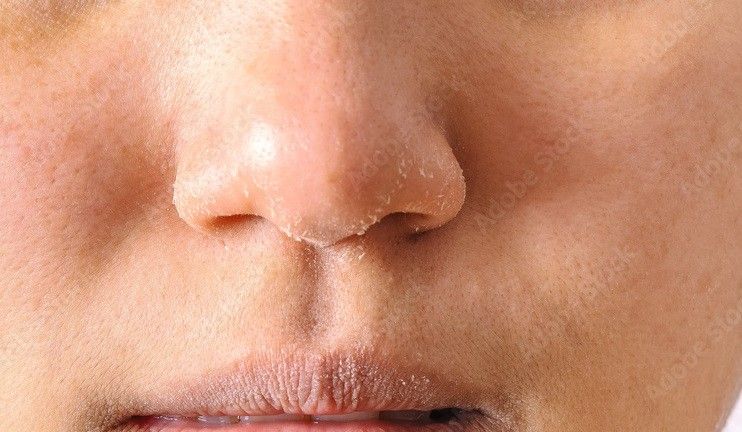
A dry nose may seem like a small, temporary irritation, but for many people, it can become an uncomfortable and persistent issue. From mild dryness and crusting to nosebleeds and burning sensations, dry nasal passages can interfere with breathing, sleep, and overall comfort. Whether caused by weather changes, indoor heating, allergies, medications, or underlying health conditions, understanding why your nose feels dry is the first step toward effective relief. This guide explores everything you need to know about dry nose, including causes, symptoms, home remedies, medical treatments, prevention strategies, and when to seek professional help.
What Is a Dry Nose?
A dry nose occurs when the inside lining of the nasal passages loses its normal moisture. The nasal cavity is lined with mucous membranes that produce mucus to trap dust, bacteria, and allergens while keeping the airways moist. When these membranes become dry, they may crack, form crusts, and even bleed. Healthy nasal tissues are slightly moist and flexible. When moisture levels drop, the tissues become irritated and inflamed, leading to discomfort and other symptoms.
Why Moisture in the Nose Is Important?
The nose plays a critical role in respiratory health. It:
- Filters airborne particles
- Warms and humidifies inhaled air
- Traps bacteria and viruses
- Supports comfortable breathing
When nasal passages dry out, their protective function weakens. This can increase the risk of irritation, infections, and nosebleeds.
Causes of Dry Nose
1. Dry Climate and Weather Changes
Cold winter air and hot, dry climates can significantly reduce moisture levels in the nasal passages. Indoor heating systems further remove humidity from the air, worsening dryness.
2. Air Conditioning and Indoor Heating
Both air conditioning and heating systems lower indoor humidity. Spending long hours in air-conditioned offices or heated homes can gradually dry out nasal tissues.
3. Dehydration
When the body lacks sufficient fluids, mucus production decreases. Dehydration can contribute to dryness in the nose, mouth, and throat.
4. Allergies
Allergic reactions cause inflammation of the nasal lining. While allergies often produce excess mucus, certain allergy medications can dry out the nasal passages.
5. Antihistamines and Decongestants
Medications designed to reduce nasal congestion often work by drying up mucus. Overuse of nasal sprays or oral decongestants may lead to dryness and irritation.
6. Frequent Nose Blowing
Blowing your nose repeatedly during a cold or allergy episode can irritate and dry out the nasal lining.
7. Nasal Sprays
Some steroid or saline sprays may cause dryness if used excessively. Over-the-counter decongestant sprays, when used beyond recommended duration, can worsen dryness and irritation.
8. Aging
As people age, mucous membranes naturally produce less moisture. Dry nose becomes more common in older adults.
9. Smoking
Tobacco smoke irritates nasal tissues and reduces their natural moisture barrier.
10. Underlying Medical Conditions
Certain medical conditions can cause chronic dryness, including:
- Sjogren’s syndrome
- Chronic sinusitis
- Hormonal changes
- Autoimmune disorders
Symptoms of Dry Nose
Dry nose symptoms can range from mild discomfort to significant irritation. Common signs include:
- Dryness inside the nostrils
- Burning or stinging sensation
- Crusting or scabbing
- Itching
- Nosebleeds
- Nasal congestion without mucus
- Soreness inside the nose
- Difficulty breathing comfortably
In severe cases, cracked skin inside the nostrils may cause pain and bleeding.
Dry Nose and Nosebleeds
One of the most common complications of dry nasal passages is nosebleeds. When the inner lining becomes dry and cracked, small blood vessels close to the surface may rupture easily.
Frequent nosebleeds caused by dryness often occur:
- During winter
- In low-humidity environments
- After frequent nose picking or blowing
- With prolonged nasal spray use
Keeping the nasal lining moist is essential to preventing recurring nosebleeds.
Dry Nose at Night
Many people notice nasal dryness worsening at night. This may happen due to:
- Heated bedroom air
- Sleeping with a fan or air conditioner
- Mouth breathing during sleep
- Reduced hydration before bed
Nighttime dryness can disturb sleep and cause morning nosebleeds or congestion.
Dry Nose During Pregnancy
Hormonal changes during pregnancy affect blood flow and mucous membranes. Some pregnant individuals experience nasal dryness, congestion, or mild nosebleeds. Increased blood volume can make nasal tissues more sensitive. Most cases resolve after childbirth, but staying hydrated and using safe moisturizing remedies can help during pregnancy.
Dry Nose in Children
Children can develop dry nasal passages due to:
- Cold weather
- Dehydration
- Allergies
- Indoor heating
- Frequent colds
Parents should avoid inserting objects into a child’s nose and use gentle saline sprays or humidifiers to provide relief.
Dry Nose vs. Nasal Congestion
Dry nose and congestion can feel similar but have different causes.
- Dry nose: Caused by lack of moisture, often accompanied by crusting and irritation.
- Nasal congestion: Usually caused by inflammation and swelling, often with mucus buildup.
Some individuals may experience both simultaneously, especially when using decongestants excessively.
Home Remedies for Dry Nose
1. Use a Humidifier
Adding moisture to indoor air is one of the most effective ways to relieve nasal dryness. Aim for indoor humidity between 30–50 percent. Clean the humidifier regularly to prevent mold growth.
2. Stay Hydrated
Drinking enough water supports mucus production and overall tissue hydration.
3. Saline Nasal Spray
Isotonic saline sprays gently moisturize nasal tissues and loosen crusts without causing dependency.
4. Saline Rinse
A neti pot or saline irrigation system can help remove irritants and restore moisture.
5. Nasal Gels
Water-based nasal gels provide longer-lasting moisture than sprays. They form a protective barrier inside the nostrils.
6. Steam Inhalation
Breathing in steam from warm water can temporarily soothe dryness and irritation.
7. Apply a Small Amount of Petroleum Jelly
A thin layer inside the nostrils can help lock in moisture. Use sparingly and avoid deep inhalation.
8. Avoid Irritants
Reduce exposure to smoke, strong perfumes, and chemical fumes.
Medical Treatments for Dry Nose
If home remedies are insufficient, medical treatment may be needed.
1. Prescription Nasal Sprays
Doctors may prescribe moisturizing or anti-inflammatory sprays for chronic dryness.
2. Adjusting Medications
If antihistamines or decongestants are causing dryness, your healthcare provider may adjust the dosage or recommend alternatives.
3. Treating Underlying Conditions
Autoimmune disorders or chronic sinus issues may require specialized care.
4. Antibiotic Ointments
In cases of infected cracks or sores inside the nose, topical antibiotics may be prescribed.
How to Prevent Dry Nose?
Prevention focuses on maintaining moisture and protecting nasal tissues.
- Use a humidifier during dry seasons
- Drink adequate fluids
- Avoid overusing nasal sprays
- Apply moisturizing gel when needed
- Limit exposure to dry air
- Protect your nose in cold weather
Small daily habits can significantly reduce dryness.
Complications of Untreated Dry Nose
While often mild, chronic nasal dryness may lead to:
- Recurrent nosebleeds
- Infections
- Nasal sores
- Sinus discomfort
- Cracked and painful nasal lining
Prompt care helps prevent long-term irritation.
When to See a Doctor for Dry Nose?
Seek medical advice if you experience:
- Frequent or heavy nosebleeds
- Severe pain inside the nose
- Signs of infection such as pus or swelling
- Dryness lasting several weeks despite home care
- Breathing difficulties
A healthcare provider can evaluate for underlying conditions.
Lifestyle Tips for Managing Dry Nose
Improve Indoor Air Quality
- Use air purifiers
- Maintain optimal humidity
- Ventilate rooms properly
Adjust Sleep Habits
- Use a bedside humidifier
- Stay hydrated before bedtime
- Avoid direct airflow from fans
Nutrition for Nasal Health
- Drink water regularly
- Eat fruits and vegetables with high water content
- Include healthy fats to support mucous membrane health
FAQ’s
Can dry nose cause nosebleeds?
Yes, when the nasal lining becomes dry and cracked, small blood vessels can break easily. This often results in mild to moderate nosebleeds.
Is dry nose a sign of dehydration?
It can be. When your body lacks enough fluids, mucus production decreases, leading to dryness in the nose, mouth, and throat.
Can allergies cause a dry nose?
Allergies can inflame nasal tissues, and medications used to treat them may dry out mucus membranes. Both the condition and its treatment may contribute to dryness.
Are saline sprays safe for daily use?
Yes, saline sprays are generally safe for regular use because they do not contain medication. They help gently moisturize and cleanse the nasal passages.
Is it safe to apply petroleum jelly inside the nose?
A small amount applied carefully near the nostril opening can help lock in moisture. It should be used sparingly and not inhaled deeply.
Can dry nose lead to infection?
If cracks develop in the nasal lining, bacteria may enter and cause infection. Proper moisturizing and hygiene reduce this risk.
Does dry nose affect breathing?
Yes, severe dryness can cause irritation and mild swelling, which may make breathing feel uncomfortable. Moisturizing the nasal passages usually improves airflow comfort.
How long does dry nose usually last?
Mild cases may resolve within a few days once humidity or hydration improves. Chronic dryness may persist if the underlying cause is not addressed.
Also Read: