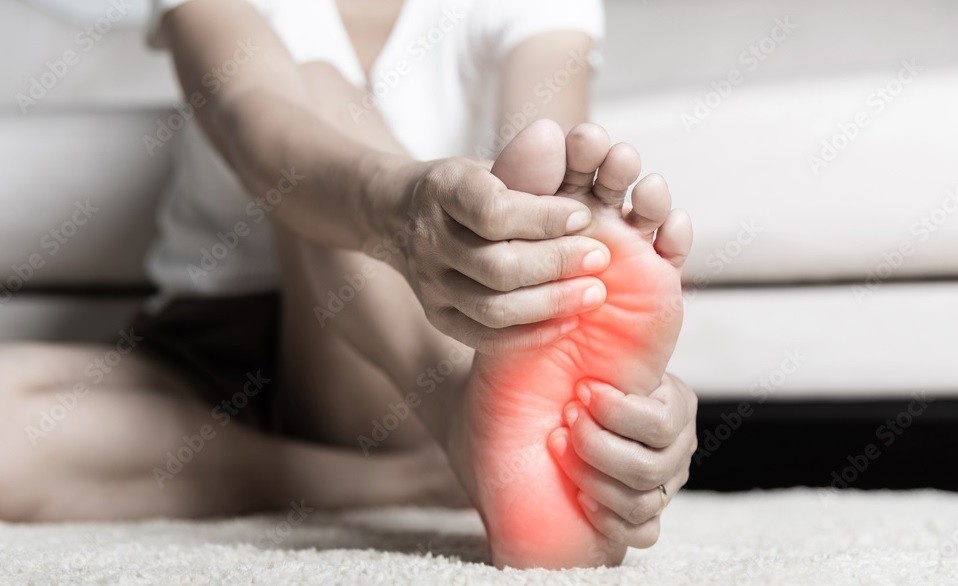
Foot cramps are a common but often underestimated issue that can affect individuals of all ages. They can occur suddenly, causing sharp pain, discomfort, and temporary difficulty in moving the affected foot or toes. Although most foot cramps are harmless and short-lived, persistent or severe cramps may indicate an underlying medical condition that requires evaluation. This comprehensive guide explains what foot cramps are, why they occur, how they are diagnosed, and the most effective treatment and prevention strategies.
What Are Foot Cramps?
Foot cramps are involuntary, painful muscle contractions that commonly occur in the arch, toes, or the area around the ball of the foot. These cramps can feel like the muscles are tightening, knotting, or spasming uncontrollably. Some people experience foot cramps during physical activity, while others encounter them at night or after long periods of standing.
While foot cramps are usually temporary, they can interfere with daily activities, athletic performance, and sleep quality. Understanding the underlying causes and appropriate treatment options is essential for long-term prevention and relief.
Foot cramps occur when the muscles in the foot contract involuntarily and are unable to relax. These contractions can last from a few seconds to several minutes. The most commonly affected muscles include:
- Intrinsic foot muscles
- Toe flexors
- Calf muscles that extend into the foot
- Muscles in the arch of the foot
Foot cramps may appear as sudden sharp pain, tightness, or a hard lump under the skin due to muscle contraction. Depending on the cause, cramps may happen occasionally or recur frequently.
Types of Foot Cramps
Although foot cramps generally behave similarly, they can be categorized based on their cause or location.
1. Nocturnal Foot Cramps:
These occur during the night, often waking individuals from sleep. They are common in older adults and may be linked to dehydration, electrolyte imbalance, or nerve irritation.
2. Exercise-Induced Foot Cramps:
People who engage in long runs, sports, or intense workouts often experience cramps due to muscle fatigue, dehydration, or poor footwear.
3. Toe Cramps:
Toe cramps affect the small muscles that control toe movement. These can occur due to tight shoes, poor blood circulation, or nerve compression.
4. Arch Cramps:
These involve muscles in the arch of the foot and are often caused by overuse, flat feet, high arches, or prolonged standing.
5. Peripheral Neuropathy-Related Cramps:
Individuals with diabetes or nerve damage may experience chronic cramps due to altered nerve function.
Causes of Foot Cramps
Foot cramps can stem from a wide range of physiological, lifestyle-related, or medical factors. Understanding the underlying cause is essential for effective management.
1. Muscle Fatigue:
Overworking the foot or leg muscles can cause fatigue, which increases the likelihood of involuntary muscle contractions. This is common in athletes, runners, and individuals who stand for long periods.
2. Dehydration:
Water plays a key role in muscle function. When the body loses more fluids than it takes in, electrolyte levels shift, increasing the risk of cramps.
3. Electrolyte Imbalance:
Low levels of key minerals such as sodium, potassium, calcium, and magnesium can disrupt normal muscle function. Electrolyte imbalance is a common cause of recurrent cramps.
4. Poor Blood Circulation:
Insufficient blood flow to the muscles may lead to cramps, especially during physical activity or at night. Peripheral artery disease (PAD) is a common cause of circulation-related cramps.
5. Nerve Compression or Damage:
Nerve issues can trigger muscle spasms. Conditions that contribute to nerve-related foot cramps include:
- Sciatica
- Lumbar spinal stenosis
- Peripheral neuropathy
- Tarsal tunnel syndrome
6. Inadequate Stretching:
Failing to stretch before or after exercise can cause muscle tightness, leading to cramps.
7. Poor Footwear:
Shoes that are:
- Too tight
- Lack arch support
- Have rigid soles
can strain foot muscles and trigger cramps.
8. Overuse or Repetitive Stress:
Activities like running, dancing, and climbing stairs repeatedly engage foot muscles, which may cause fatigue and cramping.
9. Medical Conditions:
Several health issues can increase the risk of foot cramps:
- Diabetes
- Thyroid disorders
- Kidney disease
- Liver disease
- Multiple sclerosis
- Cirrhosis
- Parkinson’s disease
10. Pregnancy:
Hormonal changes, increased body weight, and compressed nerves can cause frequent cramps in pregnant individuals.
11. Aging:
Older adults experience muscle loss, reduced nerve function, and decreased hydration levels, all of which can contribute to foot cramps.
12. Medications:
Certain drugs have cramping as a side effect:
- Diuretics
- Statins
- Beta-agonists
- Blood pressure medications
Symptoms of Foot Cramps
Foot cramps may present with several symptoms depending on the cause and severity.
1. Sudden Sharp Pain:
This is the most common symptom. Pain may last for seconds or minutes.
2. Muscle Tightness:
The affected muscle may feel hard, tight, or contracted.
3. Visible Muscle Spasms:
In some cases, the muscle may visibly twitch or contract.
4. Difficulty Moving the Foot:
Movement may be temporarily restricted due to tightness.
5. Residual Soreness:
After the cramp resolves, the muscle may feel tender for hours.
6. Tingling or Numbness:
If nerve issues are involved, tingling or numbness may accompany cramps.
Risk Factors
Several factors increase the likelihood of developing foot cramps:
- Age above 50
- High-intensity exercise
- Standing for long periods
- Flat feet or high arches
- Poor hydration
- Wearing inappropriate footwear
- Pregnancy
- Medical conditions affecting nerves or circulation
- Electrolyte imbalance
- Smoking
- High alcohol intake
Individuals who fall into multiple risk categories are more likely to experience recurrent cramps.
How Are Foot Cramps Diagnosed?
A healthcare provider may diagnose foot cramps based on medical history, physical examination, and sometimes diagnostic tests.
1. Medical History:
The physician may ask about:
- Frequency of cramps
- Duration and severity
- Lifestyle habits
- Medication use
- Medical conditions
- Hydration and diet patterns
2. Physical Examination:
The doctor will assess:
- Muscle strength
- Foot alignment
- Range of motion
- Circulation
- Sensory function
3. Blood Tests:
Blood tests may check for:
- Electrolyte levels
- Thyroid function
- Kidney function
- Blood sugar levels
4. Imaging Tests:
Imaging may be used if structural issues are suspected:
- X-rays for bone abnormalities
- Ultrasound for soft tissue issues
- MRI for nerve compression or muscle disorders
5. Nerve Conduction Studies:
These tests evaluate nerve function and may detect neuropathy or nerve damage.
Treatments for Foot Cramps
Treatment depends on the underlying cause, frequency, and severity of the cramps.
1. Stretching Exercises:
Regular stretching of the foot, calf, and hamstring muscles can ease tightness and improve flexibility.
Common stretches include:
- Calf stretches
- Toe curls
- Arch stretches
- Heel-raise stretches
2. Massage Therapy:
Massaging the affected area helps relax the muscles, improve blood flow, and relieve tightness.
3. Heat Therapy:
Applying warm compresses, warm towels, or soaking the feet in warm water helps soothe tense muscles.
4. Cold Therapy:
Ice packs help reduce inflammation if the muscle remains sore after the cramp.
5. Hydration:
Increasing water intake can reduce dehydration-related cramps.
6. Electrolyte Balance:
Consuming foods rich in potassium, magnesium, and calcium or using oral electrolyte supplements may help.
7. Over-the-Counter Pain Relief:
Medications such as ibuprofen or acetaminophen can reduce pain after severe cramps.
8. Prescription Medications:
In chronic or severe cases, a doctor may prescribe:
- Muscle relaxants
- Nerve pain medications
- Quinine (rarely used due to side effects)
9. Orthotics:
Custom or over-the-counter insoles may provide better arch support and correct foot alignment.
10. Physical Therapy:
Therapists can create personalized exercise routines to improve muscle function and reduce cramps.
11. Treating Underlying Medical Conditions:
Managing diabetes, neuropathy, or thyroid disorders can significantly reduce cramp frequency.
Home Remedies for Foot Cramps
Many individuals find relief through simple home-based treatments.
1. Warm Water Soak:
Promotes muscle relaxation and improves circulation.
2. Epsom Salt Bath:
Magnesium-rich salts may help reduce muscle tension.
3. Foot Exercises:
Light exercises such as walking on a soft surface may ease mild cramps.
4. Proper Footwear:
Choosing well-fitted, supportive shoes prevents muscle strain.
5. Hydration Schedule:
Regular water intake throughout the day prevents dehydration.
6. Nighttime Leg Positioning:
Keeping legs elevated or stretching before bedtime can reduce nocturnal cramps.
Prevention of Foot Cramps
Preventive strategies are essential for those who experience frequent foot cramps.
1. Stay Hydrated:
Drink adequate water throughout the day to maintain electrolyte balance.
2. Stretch Regularly:
Include stretching routines before and after physical activity.
3. Maintain a Balanced Diet:
Include foods rich in:
- Potassium
- Magnesium
- Calcium
- Sodium
4. Wear Supportive Footwear:
Shoes should provide:
- Proper arch support
- Cushioned soles
- Adequate toe room
5. Avoid Overexertion:
Gradually increase workout intensity to prevent muscle fatigue.
6. Correct Foot Problems:
Treat flat feet, bunions, or structural issues early.
7. Manage Medical Conditions:
Keep chronic diseases such as diabetes or thyroid disorders under control.
8. Limit Alcohol and Smoking:
Both can impair circulation and increase cramp risk.
When to See a Doctor
Most foot cramps are harmless, but medical attention is necessary if:
- Cramps occur very frequently
- Pain lasts longer than a few minutes
- There is swelling, redness, or numbness
- Cramps are accompanied by muscle weakness
- Symptoms occur after starting new medication
- You have chronic diseases like diabetes or kidney disorders
- There are signs of poor circulation
A healthcare provider can identify whether an underlying condition requires treatment.
Conclusion
Foot cramps are common and usually harmless but can cause significant discomfort and disruption to daily activities. Understanding the causes, symptoms, and risk factors can help in adopting preventive measures and effective treatments. Most cases respond well to hydration, stretching, proper footwear, and improved lifestyle choices. However, persistent or severe cramps may indicate underlying medical issues that require professional evaluation. By taking a proactive approach, individuals can reduce the frequency and severity of foot cramps and maintain healthier, more comfortable movement.
FAQ’s
Are foot cramps serious?
In most cases, foot cramps are harmless and temporary. However, frequent or severe cramps may indicate underlying issues such as neuropathy, vascular problems, or metabolic imbalances that may require medical evaluation.
How can I stop a foot cramp immediately?
You can stop a foot cramp by gently stretching the affected muscle, massaging the area, applying heat, or walking on a soft surface to release tension. Hydrating may also help if dehydration is the cause.
Why do foot cramps happen at night?
Nighttime foot cramps may occur due to insufficient stretching, dehydration, electrolyte imbalance, or reduced nerve and muscle function during rest. Older adults and pregnant individuals are more likely to experience nocturnal cramps.
Can dehydration cause foot cramps?
Yes. When the body loses fluids, it disrupts electrolyte levels and reduces muscle function, making cramps more likely.
What deficiencies cause foot cramps?
Low levels of magnesium, potassium, calcium, or sodium may cause muscle spasms and cramps. Blood tests may be necessary to confirm deficiencies.
Are foot cramps related to nerve problems?
Yes. Nerve compression or damage—such as from sciatica, peripheral neuropathy, or tarsal tunnel syndrome—can trigger frequent or chronic cramps.
How can I prevent foot cramps?
Prevention strategies include staying hydrated, stretching regularly, wearing supportive footwear, maintaining electrolyte balance, avoiding overexertion, and managing underlying medical conditions.
Can poor footwear cause foot cramps?
Yes. Shoes that are too tight, lack arch support, or provide inadequate cushioning can strain foot muscles and increase the risk of cramps.
Do foot cramps happen more with age?
Yes. Older adults often experience more cramps due to muscle loss, reduced nerve function, lower hydration levels, and circulation issues.
What medical conditions cause frequent foot cramps?
Conditions such as diabetes, thyroid disorders, kidney disease, liver disease, peripheral artery disease, nerve disorders, and electrolyte imbalances can increase cramp frequency.
Can exercise trigger foot cramps?
Yes. Intense exercise or prolonged physical activity may cause muscle fatigue, reduced hydration, and strain on foot muscles, leading to cramps.
Are foot cramps and toe cramps the same?
Toe cramps are a type of foot cramp that specifically involves the small muscles in the toes. They share similar causes, such as dehydration, nerve issues, and tight footwear.
Can foot cramps be a sign of diabetes?
Yes. Individuals with diabetes may experience cramps due to neuropathy, poor circulation, or changes in glucose levels.
Does magnesium help foot cramps?
Magnesium may help reduce cramps, especially in people with low magnesium levels. However, supplementation should be discussed with a healthcare provider.
Can stress or anxiety cause foot cramps?
Stress can increase muscle tension and affect nerve signaling, which may contribute to occasional cramps.
Is it normal to get foot cramps during pregnancy?
Yes, it is common. The combination of weight gain, hormonal changes, and increased pressure on nerves and muscles often leads to cramps during pregnancy.
Also Read: