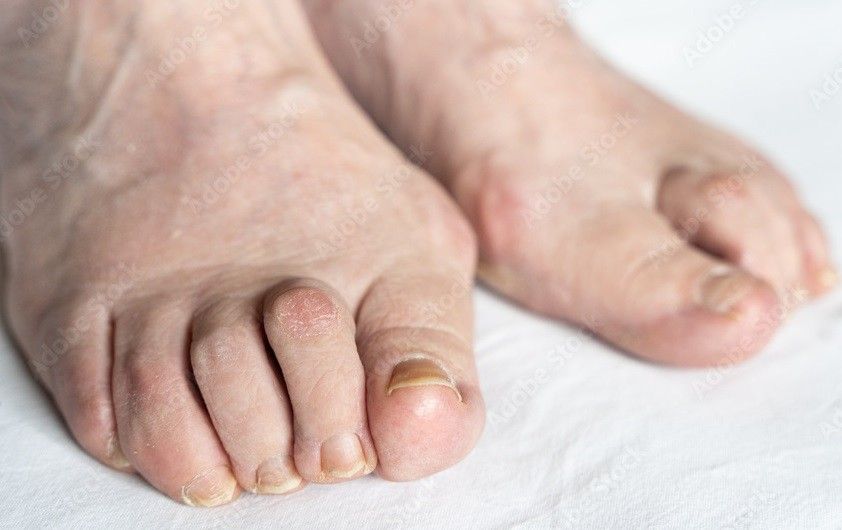
Hammertoes are a common foot deformity that can cause discomfort, pain, and difficulty wearing shoes. Although they may begin as a mild cosmetic issue, hammertoes can progressively worsen over time if left untreated. Understanding the causes, symptoms, and available treatment options can help prevent complications and improve overall foot health. This guide explores everything you need to know about hammertoes, including risk factors, diagnosis, conservative management, surgical solutions, and preventive strategies.
What Are Hammertoes?
A hammertoe is a deformity that affects one of the smaller toes, usually the second, third, or fourth toe. It occurs when the toe becomes bent at the middle joint, causing it to resemble a hammer. This abnormal bend develops due to an imbalance in the muscles, tendons, or ligaments that normally hold the toe straight. Over time, the affected joint may become rigid and difficult to straighten, leading to pain, inflammation, and calluses.
Types of Hammertoes
Hammertoes are generally classified into two main categories:
1. Flexible Hammertoe
In the early stages, the toe joint is still flexible. The toe can be manually straightened, and symptoms are usually mild. Early intervention at this stage often prevents progression.
2. Rigid Hammertoe
As the condition progresses, the tendons tighten and the joint becomes fixed. The toe cannot be straightened manually, and pain becomes more persistent. Rigid hammertoes may require surgical correction.
Anatomy of the Toe
Each of the smaller toes has three bones (phalanges) connected by two joints:
- Metatarsophalangeal joint (MTP joint)
- Proximal interphalangeal joint (PIP joint)
- Distal interphalangeal joint (DIP joint)
A hammertoe typically affects the PIP joint, causing it to bend downward while the MTP joint may become hyperextended. This imbalance creates the characteristic curled appearance.
Causes of Hammertoes
Hammertoes develop due to muscle imbalance. Several factors contribute to this imbalance:
1. Improper Footwear
Tight, narrow, or high-heeled shoes force the toes into a bent position. Over time, the muscles and tendons adapt to this unnatural posture, increasing the risk of deformity.
2. Muscle Imbalance
When certain toe muscles become stronger than others, they pull the toe into a bent position.
3. Trauma
Toe injuries can damage tendons or joints, leading to deformity.
4. Genetic Factors
Some individuals inherit foot structures that make them more prone to hammertoes.
5. Arthritis
Inflammatory conditions such as rheumatoid arthritis can damage toe joints.
6. High Arches or Flat Feet
Abnormal foot mechanics place extra pressure on the toes.
7. Neurological Disorders
Conditions affecting nerve function may weaken muscles and contribute to deformities.
Risk Factors
Certain individuals are more likely to develop hammertoes:
- Women who frequently wear high heels
- Older adults
- People with bunions
- Individuals with diabetes
- Those with a family history of foot deformities
- People with long second toes
Symptoms of Hammertoes
Symptoms vary depending on severity:
- Bent toe appearance
- Pain when wearing shoes
- Corns or calluses on top of the toe
- Redness and swelling
- Restricted toe movement
- Pain in the ball of the foot
- Open sores in severe cases
Symptoms typically worsen over time if not addressed.
Complications of Untreated Hammertoes
Without treatment, hammertoes can lead to:
- Chronic pain
- Difficulty walking
- Persistent corns and calluses
- Ulcers, especially in diabetic patients
- Joint stiffness
- Infections
- Balance problems
Early intervention reduces the risk of complications.
Diagnosis of Hammertoes
A healthcare provider can usually diagnose hammertoes through physical examination. The doctor will:
- Examine toe alignment
- Check joint flexibility
- Assess pain levels
- Look for corns and calluses
In some cases, X-rays are recommended to evaluate bone structure and joint damage.
Non-Surgical Treatment Options for Hammertoes
In many cases, hammertoes can be managed without surgery, especially if diagnosed early.
1. Footwear Modifications
Wearing shoes with a wide toe box and low heels reduces pressure on the toes. Soft, cushioned soles provide additional comfort.
2. Orthotic Devices
Custom or over-the-counter shoe inserts can improve foot alignment and reduce pressure.
3. Toe Splints and Pads
Splints help maintain proper alignment. Padding reduces friction and prevents corns.
4. Exercises
Stretching and strengthening exercises improve muscle balance. Examples include:
- Picking up marbles with toes
- Towel scrunches
- Manual toe stretches
5. Medications
Over-the-counter pain relievers such as ibuprofen reduce inflammation.
6. Corn and Callus Care
Careful trimming by a healthcare professional can relieve discomfort.
When Is Surgery Necessary?
Surgery may be recommended when:
- Pain persists despite conservative treatment
- The toe becomes rigid
- Daily activities are affected
- Open sores develop
Surgical Treatment Options for Hammertoes
Several surgical procedures are available depending on severity:
1. Tendon Release
The tight tendon is cut to allow the toe to straighten.
2. Joint Resection
Part of the bone is removed to straighten the toe.
3. Joint Fusion
Bones are fused together to permanently correct the position.
4. Implant Surgery
An implant may be inserted to maintain alignment.
Surgery is typically performed on an outpatient basis.
Recovery After Hammertoe Surgery
Recovery time varies depending on the procedure:
- Swelling may last several weeks.
- Walking is usually possible within a few days.
- Special footwear may be required.
- Full healing can take several months.
Following post-operative instructions is essential for optimal outcomes.
Hammertoes and Diabetes
Individuals with diabetes must take special precautions. Reduced sensation increases the risk of unnoticed sores and infections. Regular foot checks and early treatment are critical.
How to Prevent Hammertoes?
Prevention focuses on proper foot care and footwear.
1. Choose Proper Shoes
Select shoes that:
- Have a wide toe box
- Provide arch support
- Avoid high heels
- Fit comfortably
2. Perform Regular Foot Exercises
Stretching and strengthening exercises maintain flexibility.
3. Monitor Foot Health
Check for redness, swelling, or corns regularly.
4. Manage Underlying Conditions
Treat arthritis and control blood sugar levels.
Hammertoes vs. Other Toe Deformities
It is important to differentiate hammertoes from similar conditions:
Mallet Toe
Affects the joint closest to the toenail.
Claw Toe
Involves bending at multiple toe joints.
Curly Toe
Often congenital and less severe.
Accurate diagnosis ensures proper treatment.
Living with Hammertoes
Many individuals manage mild hammertoes successfully with conservative care. Lifestyle adjustments, supportive footwear, and routine foot care significantly improve comfort. For more severe cases, medical evaluation ensures timely intervention.
Home Care Tips
- Apply ice to reduce swelling.
- Elevate the foot after prolonged standing.
- Use protective padding.
- Avoid high heels.
- Maintain proper nail care.
Exercises for Hammertoes
Below are the most effective hammertoe exercises, how they work, and how often to perform them.
1. Toe Stretch (Manual Stretch)
How to Do It
- Sit comfortably and cross one foot over your opposite knee.
- Gently hold the affected toe.
- Slowly pull it into a straightened position.
- Hold for 10–15 seconds.
- Repeat 5–10 times per toe.
Benefits
This stretch improves flexibility in the toe joint and may prevent a flexible hammertoe from becoming rigid.
2. Towel Scrunches
How to Do It
- Place a small towel flat on the floor.
- Sit in a chair and place your foot on the towel.
- Use your toes to scrunch the towel toward you.
- Repeat for 2–3 minutes.
- Switch feet.
Benefits
This strengthens intrinsic foot muscles and helps correct muscle imbalance.
3. Marble Pickup Exercise
How to Do It
- Place 10–20 marbles on the floor.
- Use your toes to pick them up one by one.
- Drop them into a small bowl.
- Repeat for both feet.
Benefits
Improves dexterity and strengthens small stabilizing muscles in the toes.
4. Toe Taps
How to Do It
- Sit with your foot flat on the floor.
- Keep your heel down.
- Lift and tap your toes upward.
- Perform 15–20 repetitions.
- Repeat 2–3 sets.
Benefits
Strengthens extensor muscles that help straighten the toes.
5. Toe Spread Exercise
How to Do It
- Sit with your feet flat on the ground.
- Spread your toes apart as wide as possible.
- Hold for 5 seconds.
- Repeat 10–15 times.
Benefits
Improves muscle coordination and prevents crowding of the toes.
6. Resistance Band Toe Stretch
How to Do It
- Sit on the floor with legs extended.
- Loop a resistance band around your toes.
- Gently pull the band toward you while pressing your toes forward.
- Hold for 10 seconds.
- Repeat 10 times.
Benefits
Provides controlled stretching and strengthens opposing muscle groups.
7. Toe Press (Floor Grip)
How to Do It
- Stand barefoot on a flat surface.
- Press your toes firmly into the ground.
- Hold for 5 seconds.
- Relax and repeat 10–15 times.
Benefits
Enhances stability and strengthens toe flexors.
8. Big Toe Extension Stretch
Although hammertoes often affect smaller toes, stretching the big toe improves overall foot mechanics.
How to Do It
- Sit and cross one foot over your knee.
- Gently pull your big toe upward.
- Hold for 15 seconds.
- Repeat 5–10 times.
Benefits
Improves alignment and reduces pressure on smaller toes.
9. Ankle Flex and Point
How to Do It
- Sit or lie down with legs extended.
- Point your toes away from you.
- Then flex them back toward your body.
- Repeat 15–20 times.
Benefits
Improves circulation and maintains joint mobility.
10. Rolling Massage
How to Do It
- Place a tennis ball or small massage ball under your foot.
- Roll it gently back and forth for 2–3 minutes.
Benefits
Relieves tension in the foot muscles and reduces stiffness.
The Importance of Early Intervention
Addressing hammertoes in their early stages increases the likelihood of successful non-surgical treatment. Waiting too long may lead to joint stiffness and more invasive procedures.
Psychological and Lifestyle Impact
Although hammertoes primarily affect physical health, they can also impact emotional well-being. Chronic pain may limit activity levels and affect confidence when wearing open footwear. Seeking treatment improves both physical comfort and quality of life.
Conclusion
Hammertoes are a progressive foot deformity caused by muscle imbalance, improper footwear, genetics, or underlying medical conditions. While the condition may begin as a minor cosmetic concern, it can lead to significant pain and complications if left untreated.
Early diagnosis, proper footwear, foot exercises, and medical guidance play a crucial role in preventing progression. For advanced cases, surgical options provide effective relief and improved function. Maintaining healthy feet is essential for overall mobility and quality of life. By recognizing symptoms early and taking proactive steps, individuals can manage hammertoes effectively and prevent long-term complications.
FAQ’s
Are hammertoes painful?
Yes, hammertoes can become painful, especially when wearing tight footwear. Corns, calluses, and joint inflammation often increase discomfort over time.
Can hammertoes go away on their own?
No, hammertoes do not typically correct themselves without treatment. In fact, they may worsen and become rigid if left untreated.
What is the difference between a flexible and rigid hammertoe?
A flexible hammertoe can still be manually straightened and is usually easier to treat. A rigid hammertoe cannot be straightened and may require surgical correction.
Can exercises help hammertoes?
Exercises can help strengthen and stretch toe muscles, especially in early stages. However, they cannot fully correct a rigid hammertoe deformity.
What types of shoes are best for hammertoes?
Shoes with a wide toe box, soft cushioning, and low heels are recommended. Properly fitted footwear reduces pressure and prevents worsening of the condition.
Do hammertoes require surgery?
Not always, as many cases can be managed with conservative treatments like padding, orthotics, and footwear changes. Surgery is considered when pain persists or the deformity becomes rigid.
Is hammertoe surgery painful?
Mild to moderate discomfort is common after surgery, but pain is usually manageable with medication. Most patients recover within several weeks to a few months.
How long does recovery from hammertoe surgery take?
Initial healing typically takes a few weeks, but full recovery may take several months. Swelling can persist for some time after the procedure.
Can hammertoes cause other foot problems?
Yes, untreated hammertoes can lead to corns, calluses, ulcers, and balance issues. In people with diabetes, complications can become more serious.
Are hammertoes hereditary?
Genetics can play a role in foot structure, which may increase the risk of developing hammertoes. However, lifestyle factors such as footwear are also important contributors.
Are hammertoes permanent?
Flexible hammertoes may improve with early treatment, but rigid hammertoes usually require surgery for correction.
Can exercises cure hammertoes?
Exercises help in early stages but cannot reverse rigid deformities.
Also Read: