Horse chestnut has been used in traditional medicine for centuries, especially in Europe, for improving circulation and supporting vein health. While it looks similar to edible chestnuts, horse chestnut is a completely different plant with unique medicinal properties—and important safety considerations. In this guide, we’ll explore everything you need to know about horse chestnut, from its nutritional profile and science-backed benefits to its side effects, dosage, and proper use.
What Is Horse Chestnut?
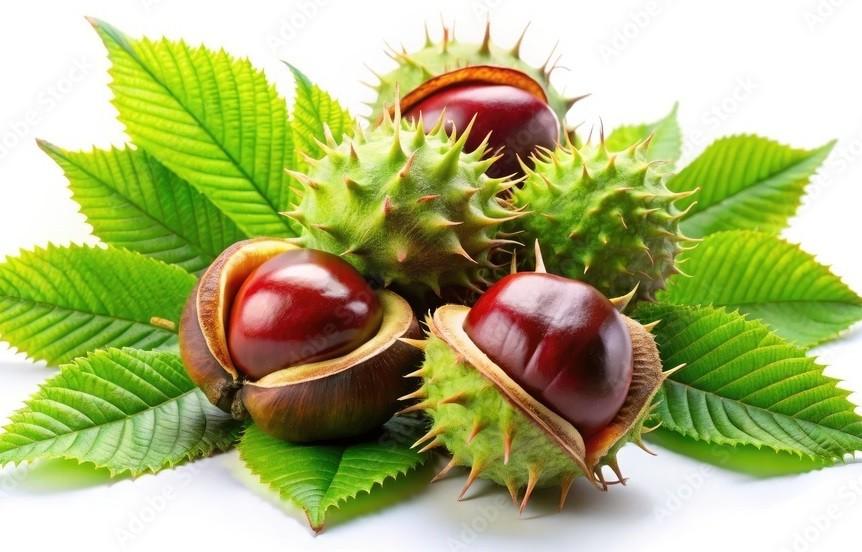
Horse chestnut (scientific name Aesculus hippocastanum) is a large deciduous tree native to the Balkan Peninsula but now widely grown across Europe, Asia, and North America. The tree produces shiny brown seeds, commonly known as horse chestnuts or conkers, enclosed in a spiky green husk.
Despite its name, horse chestnut is not edible in its raw form and should not be confused with sweet chestnuts (Castanea sativa), which are safe to eat. Horse chestnut seeds, leaves, bark, and flowers contain powerful bioactive compounds—most notably aescin, a natural anti-inflammatory and venotonic compound responsible for many of its health benefits.
Traditionally, conkers has been used to treat conditions related to poor blood circulation, swelling, varicose veins, hemorrhoids, and leg pain. Today, standardized horse chestnut extracts are commonly used in herbal supplements and topical creams.
Components of Horse Chestnut
| Nutrient / Compound | Approximate Content | Health Role |
|---|---|---|
| Aescin (Escin) | High | Improves vein tone, reduces inflammation |
| Flavonoids | Moderate | Antioxidant, anti-inflammatory |
| Tannins | Moderate | Astringent, supports tissue tightening |
| Saponins | High | Improves circulation, reduces swelling |
| Coumarins | Small amounts | Supports blood flow |
| Starch | Moderate | Energy source (not typically consumed) |
| Proteins | Low | Structural function |
| Fats | Very low | Minimal nutritional role |
Note: Raw horse chestnut contains toxic compounds and should never be eaten directly.
20 Proven Health Benefits of Horse Chestnut
1. Improves Blood Circulation
Horse chestnut is best known for its ability to enhance blood flow. Aescin strengthens vein walls and improves venous tone, helping blood return to the heart more efficiently.
2. Reduces Varicose Vein Symptoms
Studies show conkers extract can reduce leg pain, swelling, heaviness, and itching associated with varicose veins.
3. Helps Treat Chronic Venous Insufficiency (CVI)
Horse chestnut is widely used for CVI, a condition where veins struggle to pump blood upward. It helps reduce fluid leakage and leg edema.
4. Reduces Leg Swelling
Aescin decreases capillary permeability, preventing excess fluid from leaking into surrounding tissues and reducing swelling.
5. Relieves Hemorrhoids
Due to its vein-strengthening and anti-inflammatory effects, conkers can help shrink hemorrhoids and relieve pain and itching.
6. Anti-Inflammatory Properties
Horse chestnut inhibits inflammatory enzymes, making it useful for joint pain, arthritis, and muscle inflammation.
7. Supports Lymphatic Drainage
It improves lymph flow, helping reduce fluid retention and puffiness in the legs and ankles.
8. Reduces Bruising
By strengthening capillaries, conkers may reduce the appearance and severity of bruises.
9. Helps with Spider Veins
Topical horse chestnut creams may improve the appearance of spider veins by improving microcirculation.
10. Relieves Leg Cramps
Improved circulation helps reduce nighttime leg cramps and muscle fatigue.
11. Antioxidant Protection
Flavonoids in conkers neutralize free radicals, protecting cells from oxidative damage.
12. Supports Post-Surgical Recovery
Horse chestnut may reduce swelling and bruising after surgery when used under medical supervision.
13. Helps with Frostbite Recovery
Traditionally used to restore circulation after cold exposure and mild frostbite.
14. May Reduce Water Retention
Its ability to regulate fluid movement helps manage mild edema and bloating.
15. Supports Vein Elasticity
Aescin improves the elasticity and strength of blood vessels.
16. Helps with Pelvic Congestion Syndrome
Horse chestnut may support vein health in the pelvic region, helping reduce chronic pelvic pain.
17. Soothes Skin Irritation
Topical applications help relieve itching, redness, and inflammation caused by poor circulation.
18. Supports Athletic Recovery
Athletes use conkers to reduce muscle soreness and swelling after intense workouts.
19. May Improve Circulation in Diabetes
By supporting microcirculation, it may help reduce leg discomfort related to poor blood flow.
20. Natural Alternative to Compression Therapy
For some individuals, conkers supplements may offer relief similar to compression stockings for vein issues.
10 Side Effects of Horse Chestnut
1. Digestive Upset
May cause nausea, stomach pain, or diarrhea, especially when taken in high doses.
2. Dizziness or Headache
Some people report mild neurological symptoms.
3. Allergic Reactions
Skin rashes, itching, or swelling may occur in sensitive individuals.
4. Liver Stress
Unprocessed conkers may strain the liver if used improperly.
5. Kidney Irritation
High doses may affect kidney function in susceptible individuals.
6. Blood Thinning Effect
May increase bleeding risk, especially when combined with anticoagulants.
7. Low Blood Sugar
Could mildly lower blood sugar levels.
8. Skin Irritation (Topical Use)
May cause redness or burning if applied to broken skin.
9. Toxicity from Raw Seeds
Raw horse chestnuts contain aesculin, which is toxic and unsafe to consume.
10. Drug Interactions
May interact with medications affecting blood pressure or clotting.
How to Eat Horse Chestnut?
Horse chestnut should not be eaten raw or as a food. Safe forms include:
- Standardized capsules or tablets
- Liquid extracts or tinctures
- Herbal teas made from processed bark
- Topical creams and gels
Always choose products labeled “standardized and detoxified”.
Tips for Consuming Horse Chestnut
- Choose standardized extracts with 16–20% aescin
- Take with meals to reduce stomach irritation
- Start with a low dose
- Avoid raw or homemade preparations
- Consult a healthcare professional if on medication
Other Uses of Horse Chestnut
- Natural remedy for vein disorders
- Cosmetic products for cellulite and under-eye circles
- Traditional soap making
- Animal care (historically used for horses)
- Natural dye from bark and husks
How Much Horse Chestnut Can You Eat in a Day?
Horse chestnut is not eaten as food. For supplements:
- 300–600 mg of standardized extract daily
- Split into 2 doses
Never exceed recommended dosage.
Horse Chestnut Dosage
| Form | Typical Dosage |
|---|---|
| Capsules/Tablets | 300–600 mg/day |
| Liquid Extract | 2–4 ml/day |
| Topical Cream | 2–3 times daily |
Best Time to Eat Horse Chestnut
- With meals (morning and evening)
- Avoid taking on an empty stomach
- Consistent timing improves results
Who Should Eat Horse Chestnut?
- People with varicose veins
- Those with chronic venous insufficiency
- Individuals with leg swelling or heaviness
- People with hemorrhoids
- Athletes with muscle fatigue
Who Should Not Eat Horse Chestnut?
- Pregnant or breastfeeding women
- Children
- People with liver or kidney disease
- Individuals on blood thinners
- Those allergic to conkers
How to Store Horse Chestnut?
- Store supplements in a cool, dry place
- Keep away from direct sunlight
- Seal tightly to prevent moisture
- Keep out of reach of children
Precautions and Interactions
- Avoid raw conkers seeds
- Do not combine with anticoagulants without medical advice
- Stop use before surgery
- Monitor blood sugar if diabetic
- Discontinue if side effects occur
Final Thoughts
Horse chestnut is a powerful herbal remedy with strong scientific backing for improving circulation and vein health. When used correctly and safely, it can provide significant relief from swelling, pain, and vascular discomfort. However, because it contains potentially toxic compounds, proper preparation, dosage, and medical guidance are essential. If you’re considering conkers for long-term use, consulting a healthcare professional is always the safest approach.
FAQ’s
Is horse chestnut safe to consume?
Horse chestnut is safe only when taken in processed, standardized supplement form. Raw conkers seeds, bark, or leaves are toxic and should never be eaten directly.
Can horse chestnut be eaten raw?
No, raw horse chestnut is poisonous. It contains aesculin, a toxic compound that can cause serious side effects. Always use detoxified or standardized products.
What is horse chestnut mainly used for?
Conkers is mainly used to improve blood circulation and treat conditions such as varicose veins, chronic venous insufficiency, leg swelling, and hemorrhoids.
How long does horse chestnut take to work?
Most people notice improvements in swelling and leg discomfort within 2 to 4 weeks of consistent use, although results may vary.
Can horse chestnut help with varicose veins?
Yes, research shows that conkers extract can reduce pain, swelling, heaviness, and itching associated with varicose veins.
Is horse chestnut good for hemorrhoids?
Yes, its vein-strengthening and anti-inflammatory properties may help reduce hemorrhoid swelling, pain, and irritation.
Can horse chestnut be used for leg swelling?
Conkers is commonly used to reduce leg and ankle swelling caused by poor circulation or fluid retention.
Can diabetics use horse chestnut?
People with diabetes should consult a doctor before using conkers, as it may slightly affect blood sugar levels.
Is horse chestnut safe during pregnancy?
No, conkers is not recommended during pregnancy or breastfeeding due to a lack of safety research.
Can horse chestnut be taken daily?
Yes, standardized conkers supplements can be taken daily for short to medium periods, following dosage instructions and medical advice.
Does horse chestnut thin the blood?
Conkers may have mild blood-thinning effects, which is why it should be avoided or monitored when taking anticoagulant medications.
Can horse chestnut cause liver damage?
Unprocessed or improperly dosed conkers may stress the liver. Standardized supplements are generally safe when used correctly.
Is horse chestnut better than compression stockings?
Conkers may help relieve symptoms, but it does not replace medical treatments or compression therapy for severe vein disorders.
Can horse chestnut be applied topically?
Yes, conkers creams and gels are widely used to reduce swelling, bruising, and inflammation when applied to intact skin.
How long can horse chestnut be used?
Many experts recommend using conkers for up to 12 weeks, followed by a break or medical evaluation.
Also Read: