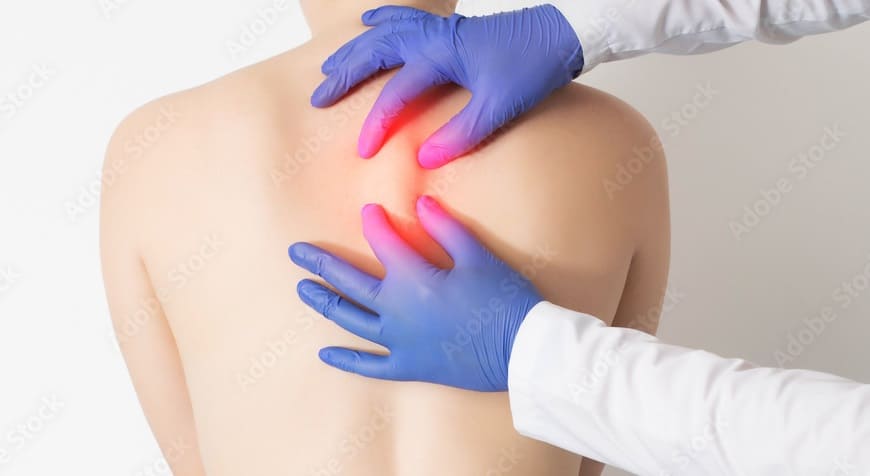
Induration is a medical term that often confuses people when they first hear it. It may sound complex, but the concept is relatively simple once broken down. Induration refers to the hardening of a part of the body, usually the skin or underlying tissues, due to inflammation, infection, injury, or underlying medical conditions. This hardening occurs when abnormal substances (like pus, fibrous tissue, or cancer cells) accumulate in the tissues or when the body’s defense system responds to trauma or disease.
In this guide, we will explore everything about induration—its definition, types, causes, risk factors, symptoms, diagnostic approaches, treatments, and prevention methods. We’ll also dive into home remedies, medical interventions, and frequently asked questions to give you a complete understanding of this condition.
What is Induration?
The term induration comes from the Latin word “induratio,” which means “hardening.” Medically, it refers to a localized hardening of the skin or other body tissues. This hardness is often caused by chronic inflammation, cellular infiltration, or abnormal tissue growth. Unlike swelling, which usually feels soft and puffy, induration is firm and rigid to the touch.
Induration is not a disease in itself—it is a sign or symptom of an underlying problem. Depending on its cause, induration may be temporary and harmless or a warning sign of something more serious, such as cancer, infections, or autoimmune conditions.
Types of Induration
Induration can occur in various parts of the body. Depending on the underlying cause and affected area, it can be classified into different types:
1. Cutaneous Induration:
This type affects the skin. It can result from infections, insect bites, allergic reactions, or inflammatory skin conditions. The affected skin becomes firm, raised, and tender.
2. Subcutaneous Induration:
Here, the induration is located beneath the skin in the fatty tissues. It may be associated with abscesses, cysts, or chronic inflammatory diseases.
3. Pulmonary Induration:
This type occurs in the lungs, often due to infections like tuberculosis or chronic conditions like pulmonary fibrosis. The lung tissues become hardened, reducing elasticity and affecting breathing.
4. Myocardial Induration:
Seen in the heart muscles, this type of induration can develop after a heart attack or due to chronic cardiovascular disease. It results in stiffened cardiac muscles.
5. Glandular Induration:
This involves glands such as lymph nodes, mammary glands, or salivary glands. It is often linked to infections, cancers, or autoimmune disorders.
6. Induration of Ulcers or Wounds:
Chronic wounds or ulcers sometimes develop induration around their edges. This often signals an infection or possible malignant transformation.
Causes of Induration
Induration can have many causes, ranging from minor injuries to serious health conditions. Below are the most common causes:
1. Infections:
- Bacterial infections (e.g., cellulitis, abscess, tuberculosis) cause pus accumulation and tissue inflammation.
- Viral infections (e.g., herpes simplex, HIV) may also contribute to localized induration.
- Fungal infections can lead to chronic induration of skin and subcutaneous tissue.
2. Inflammatory Conditions:
- Autoimmune disorders like lupus, scleroderma, or rheumatoid arthritis may cause thickening and hardening of tissues.
- Chronic dermatitis or eczema can also lead to cutaneous induration.
3. Cancer:
- Tumors and malignancies can create hardened masses due to abnormal cell growth.
- Breast cancer often presents with indurated lumps in the breast tissue.
- Skin cancers such as basal cell carcinoma may cause hardened patches on the skin.
4. Injury or Trauma:
- Physical injuries can trigger scar tissue formation, leading to hardened areas.
- Repeated injections at the same site may cause local induration.
5. Vascular Problems:
- Poor circulation may cause induration due to tissue ischemia and fibrosis.
- Conditions like deep vein thrombosis (DVT) may lead to localized hardness.
6. Allergic Reactions:
- Insect stings or drug injections may result in indurated, raised patches of skin.
7. Other Medical Conditions:
- Diabetes can lead to skin induration due to poor healing.
- Chronic kidney or liver disease may cause induration in various tissues.
Risk Factors for Induration
Certain factors increase the likelihood of developing induration:
- Weakened immune system (HIV, chemotherapy, organ transplant)
- Chronic inflammatory diseases
- History of cancer
- Poor wound healing (e.g., in diabetes or vascular diseases)
- Repeated trauma or injections at the same site
- Long-term smoking or alcohol use
- Advanced age, as tissues lose elasticity
Symptoms of Induration
Induration is usually easy to notice because of its distinct texture. The symptoms can vary depending on the cause and location, but common signs include:
- Hardness or firmness in the affected area
- Localized swelling (though not soft or fluid-like)
- Redness or discoloration of the skin
- Pain or tenderness when touched
- Warmth in case of infections
- Restricted movement if induration occurs near joints or muscles
- Associated lumps or nodules
- Systemic symptoms like fever, fatigue, or weight loss if caused by infections or cancer
Diagnosis of Induration
To determine the cause of induration, doctors may use several diagnostic methods:
1. Medical History and Physical Examination:
- Detailed questioning about duration, pain, associated symptoms, and risk factors.
- Palpation to assess size, texture, and tenderness.
2. Imaging Tests:
- Ultrasound for superficial lumps and soft tissue evaluation.
- X-rays or CT scans for deeper tissues.
- MRI for detailed imaging of indurated areas.
3. Laboratory Tests:
- Blood tests to check for infection or autoimmune conditions.
- Culture tests to identify bacteria or fungi.
4. Biopsy:
- A tissue sample may be taken to rule out malignancy or confirm chronic inflammatory diseases.
5. Special Tests:
- Tuberculin skin test for suspected tuberculosis.
- Mammogram for breast induration.
Medical Treatments for Induration
The treatment for induration depends on its underlying cause, as induration itself is not a disease but a sign of an existing condition. A healthcare professional typically evaluates the patient through examination, imaging, or biopsy before deciding on the right approach. Below are the common medical treatments:
1. Antibiotics and Antimicrobials:
- When used: For induration caused by bacterial infections such as cellulitis, abscesses, or tuberculosis.
- Examples: Penicillin, cephalosporins, clindamycin, or specialized antibiotics for resistant strains.
- Purpose: To kill or inhibit bacterial growth and reduce tissue inflammation.
2. Antiviral and Antifungal Medications:
- When used: If induration is due to viral infections (e.g., herpes) or fungal conditions (e.g., candidiasis).
- Examples: Acyclovir for herpes, fluconazole for fungal infections.
- Purpose: To target the infection directly and allow the tissue to heal naturally.
3. Anti-Inflammatory Medications:
- When used: For induration linked to autoimmune disorders, chronic inflammation, or post-injury swelling.
- Examples: Nonsteroidal anti-inflammatory drugs (NSAIDs) like ibuprofen, or corticosteroids in more severe cases.
- Purpose: To reduce inflammation, pain, and stiffness.
4. Immunosuppressive Therapy:
- When used: For induration caused by autoimmune diseases such as lupus or scleroderma.
- Examples: Methotrexate, azathioprine, or biologics.
- Purpose: To calm the overactive immune response that causes tissue hardening.
5. Surgical Interventions:
- Incision and Drainage: Used for abscesses or pus-filled areas causing induration.
- Excision or Biopsy: Suspicious hardened lumps may be surgically removed and tested for cancer.
- Debridement: Removal of dead or infected tissue in chronic ulcers or wounds.
6. Cancer-Specific Treatments:
- When used: If induration is linked to malignant tumors.
- Options include:
- Chemotherapy: Uses drugs to kill or shrink cancer cells.
- Radiation therapy: Targets indurated tumor tissues with high-energy rays.
- Targeted therapy & immunotherapy: Attack cancer cells without damaging healthy tissue.
- Purpose: To reduce or eliminate cancer-related induration and control disease progression.
7. Supportive and Symptomatic Care:
- Pain management: Using analgesics to relieve discomfort.
- Wound care: Keeping the indurated area clean and properly dressed if associated with an ulcer or injury.
- Compression therapy: Sometimes recommended for vascular-related induration to improve circulation.
8. Lifestyle and Rehabilitation Support:
- Physiotherapy: Helps restore mobility if induration affects muscles or joints.
- Diet and nutrition: A protein-rich diet supports healing and tissue repair.
- Smoking cessation & alcohol control: Improve circulation and overall tissue health.
Home Remedies for Induration
While induration often requires medical attention—especially when caused by infections, autoimmune disorders, or cancer—mild cases (such as those linked to insect bites, minor injuries, or mild skin inflammation) may improve with supportive home remedies. These remedies help reduce discomfort, improve circulation, and support healing. However, they should never replace professional medical care if symptoms persist or worsen.
1. Warm Compress:
- How it helps: Increases blood circulation, softens hardened tissues, and promotes healing in cases of mild infection or inflammation.
- How to use: Apply a clean, warm (not hot) cloth over the affected area for 10–15 minutes, 2–3 times daily.
2. Cold Compress:
- How it helps: Reduces pain, tenderness, and swelling in cases of trauma, injury, or recent inflammation.
- How to use: Wrap ice cubes in a cloth (never apply ice directly on skin) and place over the indurated area for 10 minutes.
3. Turmeric Paste:
- How it helps: Turmeric contains curcumin, which has strong anti-inflammatory and antimicrobial properties.
- How to use: Mix turmeric powder with water or coconut oil to make a paste and apply gently on the affected skin. Wash off after 20–30 minutes.
4. Aloe Vera Gel:
- How it helps: Soothes irritated skin, reduces inflammation, and supports tissue repair.
- How to use: Extract fresh aloe vera gel and apply directly on the indurated area 2–3 times daily.
5. Epsom Salt Soak:
- How it helps: Magnesium in Epsom salt relaxes muscles, reduces stiffness, and softens hardened areas.
- How to use: Add 1–2 cups of Epsom salt to warm bath water and soak for 15–20 minutes.
6. Massage Therapy:
- How it helps: Improves blood flow and may reduce stiffness around indurated tissues.
- How to use: Apply mild pressure with warm coconut oil or olive oil around (not directly over if infected) the hardened area. Avoid massage if cancer, abscess, or severe infection is suspected.
7. Castor Oil Pack:
- How it helps: Castor oil has anti-inflammatory and circulation-boosting properties.
- How to use: Soak a clean cloth in warm castor oil, place it over the indurated area, cover with plastic wrap, and apply gentle heat for 30–40 minutes.
8. Ginger Tea or Compress:
- How it helps: Ginger improves circulation and reduces inflammation.
- How to use: Drink 1–2 cups of ginger tea daily or apply a cooled ginger-infused cloth to the area.
9. Healthy Diet:
- How it helps: Nutrients like Vitamin C, zinc, and protein support tissue healing and reduce inflammation.
- Tips: Eat fresh fruits, leafy greens, lean proteins, nuts, and seeds while avoiding processed foods.
10. Hydration:
- How it helps: Proper hydration keeps tissues healthy, supports circulation, and aids recovery.
- Tips: Drink at least 8–10 glasses of water daily.
Important Notes:
- Do not attempt to squeeze, cut, or drain an indurated area at home, as this can worsen infection.
- Avoid applying strong irritants (like undiluted vinegar, strong alcohol, or harsh chemicals) to the skin.
- Always seek medical help if induration is painful, spreading, or persistent for more than a few days.
Complications of Induration
If left untreated, induration can lead to complications:
- Abscess formation in case of untreated infections
- Tissue necrosis from poor circulation
- Spread of infection to other parts of the body
- Loss of function if joints or muscles are involved
- Delayed diagnosis of cancer if induration is ignored
Prevention of Induration
While not all cases are preventable, the following steps can reduce the risk:
- Maintain good personal hygiene
- Avoid repeated injections in the same spot
- Manage chronic diseases like diabetes effectively
- Use protective measures against insect bites
- Practice safe sex to prevent sexually transmitted infections
- Get regular health check-ups for early detection of cancers
- Follow a healthy diet and lifestyle to strengthen immunity
Prognosis of Induration
The outcome of induration depends on its cause:
- Infections: With timely treatment, prognosis is usually excellent.
- Inflammatory conditions: May require lifelong management, but symptoms can be controlled.
- Cancers: Prognosis depends on type and stage but improves with early detection.
- Trauma-related induration: Usually resolves with proper care.
FAQ’s
Can induration be treated at home?
Mild cases due to minor injuries or insect bites may improve with warm compresses, aloe vera gel, or turmeric paste. However, persistent or painful induration should be evaluated by a doctor.
Is induration the same as swelling?
No. Swelling usually feels soft and spongy, whereas induration feels firm and rigid. Swelling often indicates fluid buildup, while induration indicates hardened tissue.
Is induration always cancerous?
Not always. While induration can be a symptom of cancer, it is more commonly caused by infections, injuries, or inflammatory conditions. A medical examination is necessary to rule out serious causes.
How long does induration last?
The duration depends on the cause. Infection-related induration may resolve within days after treatment, while autoimmune-related or cancer-related induration may persist much longer.
Which parts of the body are commonly affected by induration?
Common sites include the skin, lungs, breasts, lymph nodes, glands, and muscles.
Can induration be prevented?
Not completely, but maintaining good hygiene, managing chronic diseases like diabetes, avoiding repeated trauma or injections at the same site, and seeking timely medical care can reduce risk.
When should I see a doctor for induration?
Seek medical attention if the induration is painful, increasing in size, associated with fever, or not improving within a few days. Any unexplained hard lump should be checked immediately.
What does induration feel like?
Induration feels firm or hard compared to surrounding tissue. It may be painful or painless depending on the cause.
Can induration go away on its own?
Mild cases due to minor injury or allergic reactions may resolve naturally, but persistent induration should be medically assessed.
How is induration different from swelling?
Swelling feels soft and spongy, whereas induration feels firm and rigid.
Conclusion
Induration is a medical sign that should never be ignored. Whether it occurs in the skin, lungs, breast, or any other tissue, it signals an underlying condition that requires evaluation. While some causes are harmless and temporary, others, such as cancer or chronic infections, can be life-threatening.
Early detection and treatment are crucial. If you notice any persistent hardness or unusual changes in your body, consult a healthcare professional immediately. By understanding the causes, symptoms, and treatments of induration, you can take proactive steps toward protecting your health and ensuring timely medical care.
Also Read: