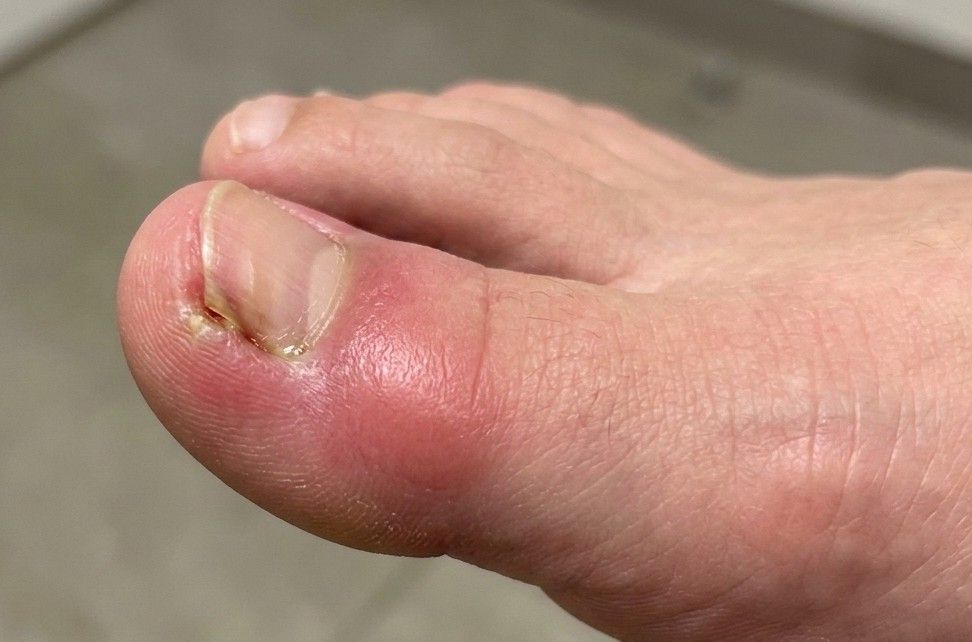
Ingrown toenails are a common yet often underestimated foot problem that can cause significant pain and discomfort. While they may start as a minor irritation, untreated ingrown toenails can lead to infection, swelling, and even complications in people with underlying health conditions. In this guide, we will explore everything you need to know about ingrown toenails — from what causes them and how to treat them at home to when you should see a doctor and how to prevent them from recurring.
What Is an Ingrown Toenail?
An ingrown toenail, medically known as onychocryptosis, occurs when the edge or corner of a toenail grows into the surrounding skin instead of over it. This most commonly affects the big toe, though it can happen on any toe. As the nail pierces the skin, the body treats it as a foreign object. This can lead to inflammation, redness, swelling, and pain. If bacteria enter the area, an infection may develop.
Causes of Ingrown Toenails
Several factors contribute to the development of ingrown toenails. Understanding these causes can help you reduce your risk.
1. Improper Nail Trimming
One of the most common causes is cutting toenails too short or rounding the corners. When nails are trimmed too deeply along the sides, they may grow into the surrounding skin.
2. Tight Footwear
Shoes that squeeze the toes — such as narrow dress shoes, high heels, or tight athletic shoes — put pressure on the nail. This pressure can force the nail edge into the skin.
3. Injury or Trauma
Stubbing your toe, dropping something heavy on it, or repeated stress from sports like running or soccer can damage the nail. Trauma can change the way the nail grows.
4. Naturally Curved Nails
Some people have naturally curved or fan-shaped nails that are more likely to grow into the skin.
5. Poor Foot Hygiene
Sweaty feet and inadequate cleaning can soften the skin and make it more vulnerable to nail penetration.
6. Genetic Predisposition
If ingrown toenails run in your family, you may be more prone to developing them.
Symptoms of an Ingrown Toenail
The severity of symptoms depends on how far the condition has progressed.
Early Symptoms
- Tenderness along one or both sides of the nail
- Mild redness
- Slight swelling
- Pain when pressure is applied
Advanced Symptoms
- Increased swelling
- Warmth around the toe
- Drainage of pus
- Bleeding
- Overgrowth of tissue (granulation tissue)
If left untreated, the infection can worsen and spread to surrounding tissue.
Stages of Ingrown Toenails
Ingrown toenails typically progress through three stages:
Stage 1: Inflammation
The nail edge irritates the skin, causing redness and mild swelling.
Stage 2: Infection
The area becomes more swollen, painful, and may produce pus due to bacterial infection.
Stage 3: Chronic Inflammation
Persistent inflammation leads to excessive tissue growth and recurrent infections.
Who Is at Higher Risk?
While anyone can develop an ingrown toenail, certain groups are at higher risk:
- Teenagers and young adults (due to sweaty feet and rapid nail growth)
- Athletes
- People who wear tight shoes regularly
- Individuals with diabetes
- People with poor circulation
- Those with thick or curved nails
People with diabetes or vascular conditions must be especially cautious, as infections can become serious.
Home Treatment for Mild Ingrown Toenails?
If the condition is caught early and there are no signs of infection, home care can be effective.
1. Warm Water Soaks
Soak your foot in warm water for 15–20 minutes, 3–4 times daily. Adding Epsom salt may help reduce swelling.
2. Keep the Area Clean
Gently wash with mild soap and water. Dry thoroughly.
3. Lift the Nail Edge
After soaking, carefully place a small piece of clean cotton or dental floss under the nail edge to encourage it to grow above the skin.
4. Apply Antibiotic Ointment
Use an over-the-counter antibiotic cream to prevent infection.
5. Wear Comfortable Footwear
Choose open-toed or loose-fitting shoes to reduce pressure on the toe.
Avoid attempting to cut out the ingrown portion yourself, as this may worsen the problem.
When to See a Doctor?
Medical attention is necessary if you experience:
- Severe pain
- Increasing redness and swelling
- Pus or drainage
- Fever
- No improvement after a few days of home care
- Underlying conditions like diabetes
A healthcare provider can prevent complications and recommend appropriate treatment.
Medical Treatment Options for Ingrown Toenails
1. Partial Nail Removal
In mild to moderate cases, a doctor may remove only the ingrown portion of the nail.
The area is numbed with local anesthesia. The offending nail edge is trimmed away, providing immediate relief.
2. Total Nail Removal
In severe or recurrent cases, the entire nail may be removed.
3. Matrixectomy
To prevent recurrence, the doctor may destroy part of the nail matrix (the root of the nail) using chemicals, laser, or surgical techniques. This prevents that portion of the nail from growing back.
4. Antibiotics
If infection is present, oral or topical antibiotics may be prescribed.
Recovery After Medical Treatment
Most minor procedures heal within 2–4 weeks.
Aftercare typically includes:
- Keeping the area clean and dry
- Changing dressings daily
- Avoiding tight shoes
- Limiting strenuous activity for a few days
Pain is usually mild and manageable with over-the-counter pain relievers.
Complications of Untreated Ingrown Toenails
Ignoring an ingrown toenail can lead to serious issues, particularly for high-risk individuals.
1. Infection
The most common complication is bacterial infection, which can spread deeper into the toe.
2. Abscess Formation
A pocket of pus may develop, requiring drainage.
3. Cellulitis
This is a spreading skin infection that requires medical treatment.
4. Bone Infection (Osteomyelitis)
In rare but severe cases, especially in people with diabetes, infection can reach the bone.
5. Chronic Recurrence
Without proper treatment, ingrown toenails may repeatedly return.
How to Prevent Ingrown Toenails?
Preventing ingrown toenails is often easier than treating them.
1. Trim Nails Properly
- Cut straight across.
- Avoid rounding the corners.
- Do not cut nails too short.
2. Choose Proper Footwear
Wear shoes with adequate toe room. Avoid narrow or tight-fitting shoes.
3. Maintain Foot Hygiene
Wash and dry feet daily. Change socks regularly.
4. Protect Your Feet
Wear protective footwear during sports or heavy work.
5. Monitor Your Feet
If you have diabetes or circulation problems, inspect your feet daily.
Ingrown Toenails in Children and Teens
Teenagers commonly experience ingrown toenails due to sweaty feet and tight shoes. Rapid nail growth during adolescence can also contribute.
Parents should:
- Teach proper nail trimming
- Ensure well-fitting shoes
- Address symptoms early
If the toe becomes infected, consult a pediatrician.
Ingrown Toenails and Diabetes
People with diabetes must take special care. Reduced sensation in the feet can delay detection of injury or infection.
Even minor toe problems can escalate quickly.
If you have diabetes and suspect an ingrown toenail:
- Do not attempt self-treatment
- Seek medical care promptly
- Maintain regular foot checkups
Myths About Ingrown Toenails
Myth 1: Only Poor Hygiene Causes Them
While hygiene plays a role, improper trimming and tight shoes are more common causes.
Myth 2: Cutting a “V” Shape in the Nail Fixes It
There is no scientific evidence that this method works.
Myth 3: They Always Require Surgery
Many mild cases resolve with proper home care.
When It Becomes an Emergency
Seek urgent care if you experience:
- Severe spreading redness
- High fever
- Red streaks extending from the toe
- Signs of systemic infection
These symptoms may indicate a serious infection requiring immediate medical attention.
The Emotional Impact of Chronic Ingrown Toenails
Although often seen as minor, chronic ingrown toenails can affect quality of life. Persistent pain may interfere with walking, exercise, and daily activities.
For athletes and active individuals, repeated episodes can be frustrating and disruptive. Early intervention is key to preventing chronic discomfort.
Final Thoughts
Ingrown toenails are common but highly preventable. Most cases begin with something simple — improper nail trimming or tight shoes — yet can escalate if ignored.
The good news is that early recognition and proper care make a significant difference. Practicing good foot hygiene, wearing well-fitting shoes, and trimming nails correctly can dramatically reduce your risk. If you experience persistent pain, swelling, or signs of infection, do not delay seeking medical care. Especially for individuals with diabetes or circulation problems, prompt treatment is essential.
FAQ’s
What does an ingrown toenail feel like?
It typically starts as tenderness and progresses to throbbing pain, especially when wearing shoes.
How do I know if my ingrown toenail is infected?
An infected ingrown toenail may produce pus, increased swelling, and warmth around the toe. Severe pain or spreading redness are also warning signs.
Can an ingrown toenail heal on its own?
Mild cases may improve with proper home care and reduced pressure on the toe. However, more severe or infected cases usually require medical treatment.
What does a doctor do for an ingrown toenail?
A doctor may remove the ingrown portion of the nail under local anesthesia. In recurring cases, they may perform a procedure to prevent that part of the nail from growing back.
Is ingrown toenail surgery painful?
The procedure itself is usually painless because the toe is numbed. Mild discomfort may occur afterward but is generally manageable.
How long does it take for an ingrown toenail to heal?
Mild cases treated at home may improve within a week. After minor surgical treatment, healing typically takes 2 to 4 weeks.
Can ingrown toenails come back?
Yes, they can recur if preventive steps are not followed. Proper nail trimming and well-fitting shoes reduce the risk of recurrence.
Are ingrown toenails dangerous?
For most healthy individuals, they are not serious if treated early. However, they can lead to serious infections in people with diabetes or poor circulation.
Can children get ingrown toenails?
Yes, children and teenagers commonly develop them due to tight shoes and improper trimming. Early treatment helps prevent infection and complications.
Should I try to cut out the ingrown nail myself?
No, attempting to cut it out yourself can worsen the condition and cause infection. It is safer to seek professional medical advice if the problem persists.
Also Read: