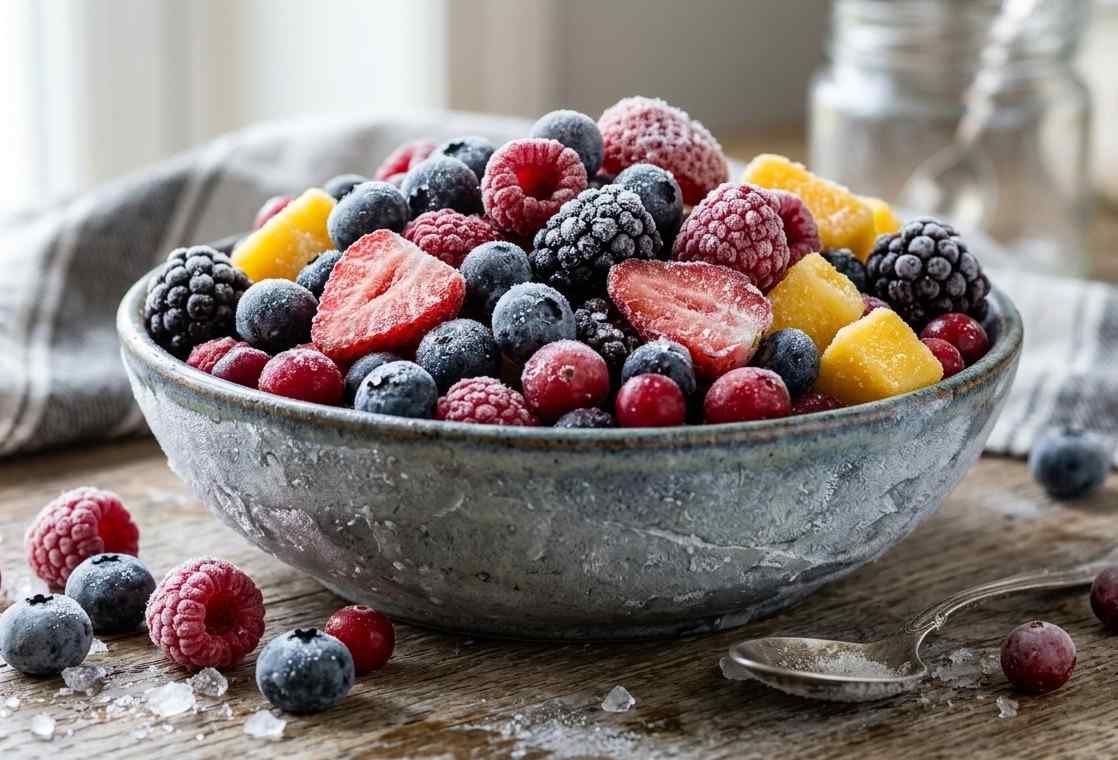
Frozen fruit has become a staple in many households around the world. From smoothie bowls and desserts to breakfast toppings and healthy snacks, frozen fruits offer convenience, affordability, and long shelf life. Yet many people still wonder: Is frozen fruit actually good for you, or does freezing destroy its nutrients?
The good news is that frozen fruit can be extremely healthy. In many cases, frozen fruit retains most of its vitamins, minerals, fiber, and antioxidants. Because fruits are often frozen shortly after harvesting, they may even contain more nutrients than some fresh fruits that spend days or weeks in transportation and storage.
However, not all frozen fruits are created equal. Some products contain added sugars, syrups, or preservatives that reduce their nutritional value. Understanding how frozen fruits is processed, stored, and used can help you make healthier choices.
In this guide, you will learn everything about frozen fruit, including its nutritional value, health benefits, possible downsides, comparisons with fresh fruit, best types to buy, storage tips, and the healthiest ways to eat it.
What Is Frozen Fruit?
Frozen fruit refers to fruit that has been cleaned, prepared, and preserved through freezing technology. Most frozen fruits are picked at peak ripeness and frozen quickly to maintain flavor, texture, and nutrients.
Common frozen fruits include:
- Strawberries
- Blueberries
- Mangoes
- Pineapple
- Bananas
- Peaches
- Cherries
- Mixed berries
- Raspberries
- Blackberries
The freezing process slows down bacterial growth and prevents spoilage, allowing fruit to stay safe and edible for months.
How Frozen Fruit Is Made?
The process of freezing fruit is designed to preserve freshness and nutrition as much as possible.
Harvesting
Fruits are typically harvested when they are ripe and nutrient-rich.
Washing and Sorting
The fruit is cleaned thoroughly and sorted to remove damaged pieces.
Cutting and Preparation
Large fruits may be sliced, peeled, or diced for convenience.
Flash Freezing
Most companies use a method called flash freezing, where fruit is frozen rapidly at extremely low temperatures. This helps preserve nutrients, color, and flavor.
Packaging
The frozen fruit is sealed in airtight packaging to reduce freezer burn and contamination.
Nutritional Facts of Frozen Fruit
The nutritional profile of frozen fruit depends on the type of fruit. Below is a general nutritional overview for one cup of unsweetened mixed frozen berries.
| Nutrient | Amount |
|---|---|
| Calories | 70–90 |
| Carbohydrates | 18–22 g |
| Fiber | 4–8 g |
| Natural Sugars | 10–15 g |
| Protein | 1–2 g |
| Fat | Less than 1 g |
| Vitamin C | High |
| Potassium | Moderate |
| Antioxidants | High |
| Folate | Moderate |
| Water Content | High |
Frozen fruit is generally low in calories and rich in nutrients, making it a healthy addition to many diets.
Is Frozen Fruit as Healthy as Fresh Fruit?
One of the biggest questions people ask is whether frozen fruit is as healthy as fresh fruit.
The answer is usually yes.
In some situations, frozen fruit may even be healthier than fresh fruit because it is frozen shortly after harvesting. Fresh fruit sold in supermarkets may travel long distances and remain in storage for days before reaching consumers. During this time, certain nutrients, especially vitamin C, may decline.
Frozen fruit often retains:
- Fiber
- Antioxidants
- Minerals
- Most vitamins
- Plant compounds
Although small nutrient losses can occur during freezing and storage, the differences are generally minor.
20 Health Benefits of Frozen Fruit
1. Rich in Essential Nutrients
Frozen fruits provide vitamins, minerals, antioxidants, and fiber that support overall health.
2. High in Antioxidants
Berries and other frozen fruits contain antioxidants that help protect cells from oxidative stress.
3. Supports Heart Health
Many frozen fruits contain potassium and polyphenols that may help maintain healthy blood pressure and cardiovascular function.
4. Improves Digestion
Frozen fruit contains dietary fiber that supports regular bowel movements and digestive health.
5. Helps With Weight Management
Low-calorie frozen fruit can satisfy sweet cravings without excessive calories.
6. Convenient and Ready to Eat
Frozen fruit is washed and prepared, making healthy eating easier and faster.
7. Longer Shelf Life
Frozen fruit lasts much longer than fresh fruit, reducing food waste.
8. Supports Immune Function
Vitamin C-rich fruits like strawberries and mangoes help support the immune system.
9. Good for Smoothies
Frozen fruit creates thick and creamy smoothies without needing ice cream or sugary ingredients.
10. Available Year-Round
Frozen fruit allows people to enjoy seasonal fruits at any time of the year.
11. May Improve Skin Health
Antioxidants and vitamins found in frozen fruits can support healthy skin.
12. Supports Brain Function
Certain berries contain compounds linked to improved cognitive health.
13. Helps Control Blood Sugar
Fiber-rich frozen fruit may help slow sugar absorption when eaten in moderation.
14. Easy Portion Control
Frozen fruit can be measured and used in controlled portions.
15. Great for Healthy Desserts
Frozen fruit can replace high-calorie desserts in many recipes.
16. Budget-Friendly Option
Frozen fruits are often cheaper than fresh out-of-season fruits.
17. Hydrating Food Choice
Many fruits contain high water content that contributes to hydration.
18. Supports Healthy Aging
Antioxidants may help reduce cellular damage associated with aging.
19. Encourages Healthy Eating Habits
Keeping frozen fruit at home makes nutritious snacks more accessible.
20. Preserves Nutrients Effectively
Flash freezing helps maintain many nutrients that would otherwise decline during transport and storage.
Does Freezing Destroy Nutrients?
Freezing causes only minor nutrient loss in most fruits.
Some water-soluble vitamins, especially vitamin C, may decrease slightly during processing and storage. However, minerals, fiber, and antioxidants generally remain stable.
Nutrients best preserved in frozen fruit include:
- Fiber
- Iron
- Calcium
- Potassium
- Polyphenols
- Anthocyanins
Nutrients that may decline slightly include:
- Vitamin C
- Certain B vitamins
Even with minor losses, frozen fruit remains highly nutritious.
Frozen Fruit vs Fresh Fruit
Fresh Fruit Advantages
- Better texture
- Natural crispness
- Ideal for eating raw
- Often contains slightly more vitamin C immediately after harvest
Frozen Fruit Advantages
- Longer shelf life
- Less waste
- More affordable
- Available year-round
- Convenient for smoothies and cooking
- Often harvested at peak ripeness
Both fresh and frozen fruit can be healthy choices.
Frozen Fruit vs Canned Fruit
Frozen fruit is usually healthier than canned fruit because canned varieties often contain:
- Added sugar
- Syrups
- Preservatives
Frozen fruit generally contains fewer additives and retains a fresher taste.
Best Types of Frozen Fruit to Eat
Frozen Berries
Blueberries, raspberries, strawberries, and blackberries are rich in antioxidants and fiber.
Frozen Mango
Mango provides vitamin A, vitamin C, and natural sweetness.
Frozen Cherries
Cherries contain antioxidants and anti-inflammatory compounds.
Frozen Pineapple
Pineapple contains vitamin C and digestive enzymes.
Frozen Peaches
Peaches are a good source of fiber and vitamin A.
Frozen Bananas
Bananas provide potassium and work well in smoothies.
Are Frozen Berries Healthy?
Frozen berries are among the healthiest frozen fruits available.
They are rich in:
- Anthocyanins
- Vitamin C
- Fiber
- Polyphenols
Research suggests berries may support:
- Brain health
- Heart health
- Blood sugar control
- Healthy aging
Frozen berries are especially useful because fresh berries spoil quickly.
Is Frozen Fruit Good for Weight Loss?
Frozen fruit can support weight loss when included in a balanced diet.
Why Frozen Fruit Helps With Weight Management
Low in Calories
Most frozen fruits are naturally low in calories.
High in Fiber
Fiber promotes fullness and may reduce overeating.
Satisfies Sweet Cravings
Frozen fruit offers natural sweetness without excessive added sugar.
Good Replacement for Desserts
Frozen fruit can replace ice cream, candy, and sugary snacks.
However, portion control still matters because fruit contains natural sugars and carbohydrates.
Is Frozen Fruit Good for Diabetics?
People with diabetes can often enjoy frozen fruit in moderation.
The healthiest choices are:
- Unsweetened frozen fruit
- Fruits high in fiber
- Berries
- Cherries
Avoid frozen fruit products with:
- Added sugar
- Syrups
- Sweetened sauces
Pairing frozen fruit with protein or healthy fats may help stabilize blood sugar levels.
Is Frozen Fruit Safe to Eat?
Frozen fruit is generally safe when handled properly.
However, it is important to:
- Keep frozen fruit stored at safe freezer temperatures
- Avoid thawing and refreezing repeatedly
- Wash hands and utensils before preparation
- Check packaging for damage
Some frozen fruits are intended to be cooked before eating, especially in commercial settings. Always read product labels carefully.
10 Possible Side Effects and Risks of Frozen Fruit
Although frozen fruit is healthy overall, there are some possible disadvantages.
1. Added Sugar in Some Products
Some frozen fruit products contain added sugar, syrups, or sweetened sauces that may increase calorie intake and contribute to blood sugar spikes.
2. Texture Changes After Thawing
Frozen fruit often becomes softer and mushier after thawing, which may affect taste and texture in certain recipes.
3. Risk of Freezer Burn
Improper storage can cause freezer burn, leading to dry texture, unpleasant flavor, and reduced quality.
4. Possible Nutrient Loss
Although most nutrients remain intact, certain vitamins like vitamin C may decrease slightly during freezing and long-term storage.
5. Blood Sugar Spikes From Overeating
Eating large portions of high-sugar fruits such as mangoes, grapes, or bananas may raise blood sugar levels, especially in people with diabetes.
6. Digestive Discomfort
Consuming too much frozen fruit at once may cause bloating, gas, or stomach discomfort due to its fiber and natural sugar content.
7. Choking Hazard for Children
Hard frozen fruit pieces can pose a choking risk for small children if not thawed or cut into safe sizes.
8. Potential Bacterial Contamination
In rare cases, frozen fruit may become contaminated during processing or packaging if food safety standards are not properly followed.
9. Allergic Reactions
People allergic to certain fruits may experience itching, swelling, rashes, or digestive symptoms after consuming frozen fruit.
10. Overconsumption Through Smoothies
Frozen fruit smoothies can become high in calories and sugar when large amounts of fruit, juice, sweeteners, or other ingredients are added.
How to Choose Healthy Frozen Fruit
Read the Ingredient List
Choose products with only fruit listed as the ingredient.
Avoid Added Sugars
Avoid labels mentioning:
- Syrup
- Cane sugar
- Sweetened fruit
Check Packaging Quality
Avoid damaged or partially thawed packages.
Choose Unsweetened Options
Unsweetened frozen fruit is the healthiest choice.
Healthy Ways to Eat Frozen Fruit
- Smoothies: Blend frozen fruit with yogurt, milk, or protein powder.
- Oatmeal Topping: Add frozen berries to warm oatmeal.
- Yogurt Bowls: Mix frozen fruit into Greek yogurt.
- Healthy Desserts: Use frozen bananas for homemade “nice cream.”
- Baking: Add frozen fruit to muffins, pancakes, or breads.
- Fruit Sauces: Cook frozen berries into natural fruit sauces.
Can Frozen Fruit Be Eaten Without Thawing?
Yes, many frozen fruits can be eaten directly from the freezer.
Popular examples include:
- Frozen grapes
- Frozen blueberries
- Frozen mango chunks
However, some people may prefer thawed fruit for softer texture and easier digestion.
How Long Does Frozen Fruit Last?
Most frozen fruits last:
- 8–12 months in the freezer
For best quality:
- Keep packages sealed tightly
- Store at consistent freezing temperatures
- Avoid repeated thawing
Is Organic Frozen Fruit Better?
Organic frozen fruit may reduce exposure to certain pesticides, but both organic and conventional frozen fruits can be nutritious.
The most important factor is choosing:
- Unsweetened products
- High-quality fruit
- Properly stored packages
Does Frozen Fruit Contain Preservatives?
Most plain frozen fruits do not require preservatives because freezing itself prevents spoilage.
Always check labels to confirm there are no unnecessary additives.
Can Children Eat Frozen Fruit?
Frozen fruit can be healthy for children when served safely.
Benefits include:
- Vitamins and minerals
- Natural sweetness
- Healthy snack alternative
For younger children, ensure fruit pieces are appropriately sized to reduce choking risk.
Is Frozen Fruit Good for Smoothies?
Frozen fruit is one of the best smoothie ingredients because it:
- Creates thick texture
- Eliminates need for ice
- Adds natural sweetness
- Provides nutrients and fiber
Healthy smoothie combinations include:
- Banana and berry
- Mango and pineapple
- Strawberry and yogurt
- Blueberry and spinach
Is Frozen Fruit Processed Food?
Frozen fruit is technically processed because it undergoes freezing and packaging. However, it is considered minimally processed and remains highly nutritious.
Not all processed foods are unhealthy. Plain frozen fruit is an example of a healthy processed food.
Tips for Storing Frozen Fruit
- Keep It Frozen: Avoid leaving fruit at room temperature too long.
- Seal Properly: Use airtight bags or containers after opening.
- Label Dates: Track storage time to maintain freshness.
- Prevent Moisture Exposure: Moisture can lead to freezer burn.
Myths About Frozen Fruit
Myth 1: Frozen Fruit Has No Nutrients
Frozen fruit retains most nutrients and can be very healthy.
Myth 2: Frozen Fruit Contains Preservatives
Many frozen fruits contain only fruit and no additives.
Myth 3: Fresh Fruit Is Always Better
Fresh fruit is excellent, but frozen fruit can sometimes retain nutrients better during storage.
Myth 4: Frozen Fruit Is Loaded With Sugar
Unsweetened frozen fruit contains only natural fruit sugars.
Who Should Eat Frozen Fruit?
Frozen fruit can benefit many people, including:
- Busy professionals
- Students
- Athletes
- Families
- Seniors
- Weight-loss dieters
- Smoothie lovers
Its convenience and long shelf life make it easy to include fruit in daily meals.
Who Should Limit Frozen Fruit?
Some individuals may need moderation, including:
- People following low-carb diets
- Individuals sensitive to natural fruit sugars
- Those with certain digestive conditions
Consulting a healthcare professional can help determine appropriate portions.
Final Verdict: Is Frozen Fruit Good for You?
Yes, frozen fruit is generally very good for you.
It provides important nutrients, antioxidants, and fiber while offering convenience, affordability, and long storage life. In many cases, frozen fruit is just as nutritious as fresh fruit and may even preserve nutrients better during transportation and storage.
The healthiest choices are plain, unsweetened frozen fruits without syrups or additives. Frozen berries, mangoes, cherries, peaches, and pineapples are all nutritious options that can fit into a balanced diet.
Whether you use frozen fruit in smoothies, oatmeal, desserts, or snacks, it can be an easy and delicious way to increase your daily fruit intake and support overall health.
FAQ’s
Does frozen fruit contain added sugar?
Plain frozen fruit usually contains no added sugar, but some packaged varieties may include syrups or sweeteners.
Is frozen fruit processed food?
Frozen fruit is minimally processed because it is simply cleaned, prepared, and frozen to preserve freshness.
Is frozen fruit good for breakfast?
Yes, frozen fruit is a nutritious breakfast option and can be added to oatmeal, yogurt, smoothies, or cereal.
Can frozen fruit go bad?
Yes, frozen fruit can lose quality over time and may develop freezer burn if not stored properly.
Should frozen fruit be washed before eating?
Most packaged frozen fruits are pre-washed, but checking the package instructions is always recommended.
Is frozen fruit cheaper than fresh fruit?
Frozen fruit is often more affordable, especially when certain fruits are out of season.
Can frozen fruit help with digestion?
Yes, many frozen fruits contain dietary fiber that supports healthy digestion and regular bowel movements.
Can you bake with frozen fruit?
Yes, frozen fruit works well in muffins, pies, pancakes, breads, and other baked recipes.
Is frozen fruit good for the immune system?
Yes, many frozen fruits contain vitamin C and antioxidants that help support immune health.
Can frozen fruit replace fresh fruit completely?
Frozen fruit can replace fresh fruit in many meals, although eating a variety of both is ideal.
Can frozen fruit cause bloating?
Eating large amounts of fiber-rich fruit may cause bloating or gas in some individuals.
Is frozen fruit good for athletes?
Yes, frozen fruit provides carbohydrates, vitamins, and antioxidants that may support exercise recovery and energy.
Can frozen fruit be eaten every day?
Yes, eating frozen fruit daily can be part of a healthy balanced diet when consumed in moderation.
Does freezing fruit kill bacteria?
Freezing slows bacterial growth but does not always kill all bacteria, so proper handling remains important.
Also Read: