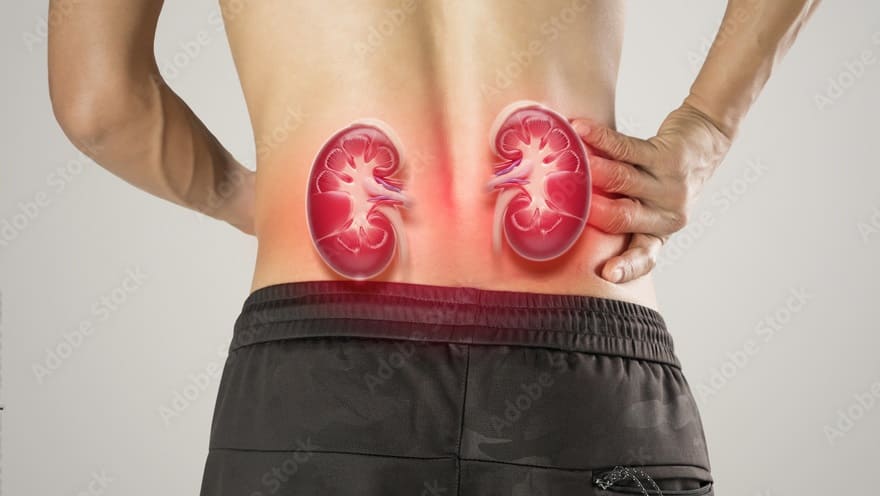
Kidney pain is one of those signals your body sends that’s hard to ignore—and even harder to decode. Most people mistake it for regular back pain, muscle strain, or fatigue, until it becomes too sharp or constant to brush off. But unlike typical back discomfort, kidney pain often runs deeper, feels more intense, and may come with warning signs that something bigger is happening internally.
Your kidneys work tirelessly every single day—filtering toxins, balancing fluids, regulating blood pressure, and keeping your entire body functioning smoothly. So when pain starts in that region, it’s more than just discomfort—it’s your body asking for attention.
From dehydration and infection to kidney stones and lifestyle habits, the causes of kidney pain can vary widely. Sometimes the symptoms are subtle, other times impossible to overlook. The good news? Most kidney-related discomfort can be managed or prevented when recognized early, with the right treatment, daily care, gentle exercises, and natural remedies that support kidney health.
In this guide, we’ll walk you through everything you need to know—what kidney pain really feels like, why it happens, common symptoms, effective treatments, safe exercises, natural remedies, and most importantly, when it’s time to seek medical help.
What is Kidney Pain?
Kidney pain refers to discomfort that originates from one or both kidneys—two bean-shaped organs located on either side of your spine, just below your rib cage. These powerhouse organs are responsible for:
- Filtering waste and toxins from blood
- Balancing body fluids
- Maintaining electrolyte levels
- Regulating blood pressure
- Supporting red blood cell production
When something disrupts their functioning—an infection, inflammation, dehydration, stones, or injury—it often manifests as pain.
Unlike general back pain, kidney pain is:
- Deeper and more internal
- Felt higher up on the back (under the ribs)
- Usually on one side, but can affect both
- Often persistent, sharp, or throbbing
Some people describe it as a constant ache, while others experience sudden stabbing pain depending on the cause.
Causes of Kidney Pain
Kidney pain isn’t a condition by itself—it’s a symptom. Here are the most common reasons your kidneys might hurt:
1. Kidney Infection (Pyelonephritis)
A bacterial infection that travels from the urinary tract to your kidneys. Often sudden, painful, and accompanied by fever and chills.
2. Kidney Stones
Ha rd mineral deposits that form inside the kidney. When they start moving, the pain can be excruciating—often described as one of the worst pains possible.
3. Urinary Tract Infection (UTI)
Though primarily affecting the bladder, untreated UTIs can climb to the kidneys and cause serious discomfort.
4. Polycystic Kidney Disease
A genetic condition where fluid-filled cysts grow inside the kidneys, causing swelling and pain over time.
5. Dehydration
Not drinking enough water can lead to kidney stress and concentrate minerals that form stones.
6. Injury or Trauma
A fall, accident, or hard blow to the mid-back area can bruise or damage kidneys.
7. Blood Clots in Kidney Veins
Also known as renal vein thrombosis, this blocks blood flow and causes sudden pain.
8. Kidney Cancer (Rare)
Pain is usually a late symptom and often paired with fatigue, weight loss, and blood in urine.
9. Enlarged Kidney (Hydronephrosis)
Occurs when urine doesn’t drain properly, causing swelling and pressure.
10. Referred Pain
Sometimes pain from nearby organs like the liver, pancreas, or spine can be mistaken for kidney pain.
Symptoms of Kidney Pain
Kidney pain often shows up alongside other noticeable signs:
- Pain below rib cage, in sides, or in the back
- Pain that radiates to lower abdomen or groin
- Fever and chills
- Painful or burning urination
- Frequent urge to pee
- Cloudy, dark, or foul-smelling urine
- Blood in urine
- Nausea and vomiting
- Fatigue and weakness
- Swelling in feet, ankles, or hands
- Reduced urine output
If you experience a combination of these, kidney involvement becomes much more likely.
Risk Factors
Some people are more prone to kidney problems than others. These include:
- Poor hydration habits
- High salt or high protein diet
- Family history of kidney disease
- Frequent urinary infections
- Diabetes and high blood pressure
- Obesity
- Sedentary lifestyle
- Holding urine for long hours
- Overuse of painkillers
- Excess consumption of alcohol or soft drinks
How is Kidney Pain Diagnosed?
If kidney pain is suspected, doctors usually perform:
1. Physical examination
Checking for tenderness around the kidney area.
2. Urine Tests
To detect infection, blood, or crystals.
3. Blood Tests
To assess kidney function (creatinine, urea levels).
4. Ultrasound
To identify stones, swelling, or cysts.
5. CT Scan
Gives precise images to detect stones or blockages.
6. X-ray
Less detailed but helpful in some stone cases.
7. MRI
Used when detailed soft tissue imaging is needed.
Treatments for Kidney Pain
Treatment depends on the root cause:
1. Antibiotics
For kidney infections and UTIs.
2. Pain Relievers
Safe options like paracetamol under medical guidance. (NSAIDs are limited in certain kidney patients.)
3. IV Fluids
Used when dehydration or infection is severe.
4. Alpha Blockers
Help relax muscles to pass kidney stones.
5. Shock Wave Therapy
Breaks large stones into smaller pieces.
6. Surgery
Needed for large stones or structural blockages.
7. Dialysis
Used only in severe kidney failure cases.
8. Lifestyle and Diet Changes
Lower salt, oxalate, sugar, and increase hydration.
9. Herbal and Natural Supplements
Certain herbs may help if doctor-approved.
10. Hospitalization
For fever, infection, or severe obstruction.
15 Proven Home Remedies for Kidney Pain
Home remedies can support relief but are not replacements for medical care.
1. Drink More Water
Flushes toxins and prevents stones. Aim 7–10 glasses daily.
2. Lemon Water
Citric acid helps prevent stone formation.
3. Apple Cider Vinegar
May help dissolve small stones and reduce pain.
4. Pomegranate Juice
Natural antioxidant that supports kidney health.
5. Coconut Water
Restores electrolytes and hydrates kidneys.
6. Basil Tea
Traditional remedy for detox and pain relief.
7. Dandelion Tea
Natural diuretic that cleans urinary system.
8. Parsley Juice
Supports kidney cleansing.
9. Warm Compress
Relaxes muscles and reduces pain sensation.
10. Wheatgrass Juice
Rich in chlorophyll and detoxifying compounds.
11. Celery Juice
Natural diuretic and anti-inflammatory.
12. Olive Oil & Lemon Mix
Popular remedy for small kidney stones.
13. Avoid Salt and Sugar
Reduces kidney stress.
14. Watermelon
Naturally hydrating and kidney-friendly.
15. Rest Properly
Kidney pain worsens with body strain.
10 Best Exercises for Kidney Pain
These are gentle movements to ease tension and improve circulation:
- Child’s Pose – Relieves lower back tension
- Knee to Chest Stretch – Reduces pressure around kidneys
- Cat-Cow Stretch – Improves spinal mobility
- Bridge Pose – Strengthens and stretches lower back
- Seated Forward Bend – Relieves deep back stress
- Cobra Pose – Opens lower back safely
- Pelvic Tilts – Reduces lumbar stiffness
- Walking – Enhances blood flow
- Swimming – Low-impact, kidney-friendly movement
- Breathing Exercises – Reduces pain perception
Tips for Exercising with Kidney Pain
- Start slow, never push through severe pain
- Avoid jerky or sudden movements
- Keep your body hydrated
- Exercise for shorter durations
- Stop if pain increases
Exercises to Avoid
- Heavy weight lifting
- High-intensity workouts
- Jumping exercises
- Intense twisting of torso
- Long running sessions
- Crunches and sit-ups in acute pain
Prevention Tips for Kidney Pain
- Stay well hydrated
- Limit salt, processed foods, and alcohol
- Urinate when needed—don’t hold it long
- Manage diabetes and BP levels
- Maintain healthy weight
- Avoid self-medication with painkillers
- Eat kidney-friendly foods
Complications of Untreated Kidney Pain
Ignoring symptoms can lead to:
- Permanent kidney damage
- Sepsis (life-threatening infection)
- Complete kidney failure
- Chronic pain and fatigue
- Spread of infection across the body
Lifestyle Changes to Reduce Kidney Pain
- Adopt a balanced, low-sodium diet
- Drink consistent water throughout the day
- Reduce caffeine and carbonated drinks
- Quit smoking and alcohol
- Include more fruits and vegetables
- Exercise moderately
When to See a Doctor?
Seek emergency medical care if you experience:
- Blood in urine
- Fever with chills
- Vomiting with pain
- Unable to urinate
- Pain worsening rapidly
- Fainting, dizziness, or confusion
Final Thoughts
Kidney pain is one of those signals you should never ignore. While many cases are manageable with hydration, lifestyle changes, and care, others need urgent medical treatment. Your kidneys work tirelessly for you—so listening to them when they’re in distress is the least you can do. If something feels off, check in with your body early. Small steps today can prevent big problems tomorrow.
FAQ’s
How do I know if my pain is kidney pain?
Kidney pain is typically felt deep in the back under the ribs, usually on one side. It may come with fever, painful urination, nausea, cloudy or bloody urine, or pain that spreads to the lower abdomen or groin.
Can kidney pain go away on its own?
Mild kidney discomfort from dehydration or muscle strain may improve with rest and hydration, but pain caused by infection or stones often needs medical treatment and should not be ignored.
What does kidney pain feel like?
It can feel like a constant dull ache, sharp stabbing pain, or waves of intense pain, especially if caused by kidney stones.
When should I be worried about kidney pain?
Seek urgent care if you have severe pain, blood in urine, fever with chills, vomiting, difficulty urinating, or dizziness.
Can drinking water reduce kidney pain?
Yes, if pain is due to dehydration or small kidney stones, water helps flush toxins and supports relief. However, it may not help infections without medication.
Which side do kidneys hurt on?
Kidneys are located on both sides of the spine below the rib cage, so pain can occur on the left, right, or occasionally both sides.
What foods help kidney pain?
Hydrating foods like cucumber, watermelon, coconut water, leafy greens, and low-sodium meals support kidney health. Lemon water can help prevent stones.
What should I avoid if I have kidney pain?
Avoid salty foods, processed snacks, alcohol, soda, caffeine, excess protein, painkillers without prescription, and dehydration.
Can stress cause kidney pain?
Stress does not directly cause kidney pain but can lead to dehydration, high blood pressure, or muscle tension, which may worsen kidney-related symptoms.
Is kidney pain the same as back pain?
No. Back pain is usually muscular and changes with movement, while kidney pain is deeper, constant, and often paired with urinary or fever-related symptoms.
Also Read: