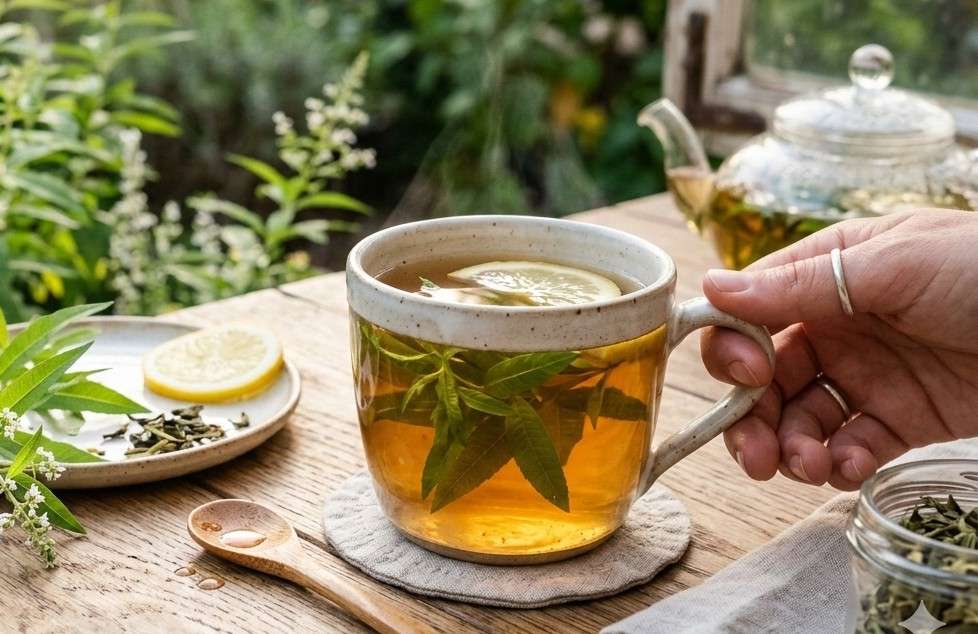
Lemon Verbena Tea is a fragrant herbal infusion made from the leaves of the lemon verbena plant, scientifically known as Aloysia citrodora. Known for its fresh citrus aroma and light, refreshing taste, this herbal tea has been traditionally used in South America and Europe for digestive relief, relaxation, and overall wellness.
Unlike black or green tea, lemon verbena tea is naturally caffeine-free, making it suitable for evening consumption and people sensitive to stimulants. Modern research has started to validate many of its traditional uses, especially its antioxidant, anti-inflammatory, and digestive-support properties. In this guide, you will learn everything about lemon verbena tea—from proven health benefits to side effects, preparation methods, precautions, and the best time to drink it.
What Is Lemon Verbena Tea?
Lemon verbena tea is an herbal infusion prepared by steeping fresh or dried leaves of the lemon verbena plant in hot water. Native to South America, particularly Argentina and Chile, lemon verbena has been used in folk medicine for centuries.
The plant contains powerful bioactive compounds such as:
- Verbascoside (a potent antioxidant)
- Flavonoids
- Essential oils (citral, limonene)
- Polyphenols
These compounds give lemon verbena its:
- Citrus fragrance
- Calming effect
- Digestive support properties
- Anti-inflammatory action
Because it is caffeine-free, it is often used as a natural alternative to green tea or chamomile tea for relaxation and digestion.
Nutritional Facts of Lemon Verbena Tea
Below is the approximate nutritional profile of 1 cup (240 ml) of brewed lemon verbena tea (unsweetened):
| Nutrient | Amount per Cup |
|---|---|
| Calories | 2–5 kcal |
| Carbohydrates | <1 g |
| Protein | 0 g |
| Fat | 0 g |
| Fiber | 0 g |
| Vitamin C | Trace amounts |
| Iron | Trace amounts |
| Potassium | Small amounts |
| Polyphenols | Moderate |
| Verbascoside | Present |
| Caffeine | 0 mg |
Note: The nutritional value mainly comes from plant antioxidants and phytochemicals rather than macronutrients.
20 Science-Backed Benefits of Lemon Verbena Tea
- Rich in Antioxidants – Lemon verbena tea contains powerful compounds from Aloysia citrodora that help fight free radical damage.
- Reduces Inflammation – Its natural anti-inflammatory properties may help lower chronic inflammation in the body.
- Supports Digestion – It can ease bloating, gas, and mild indigestion.
- Relieves Muscle Soreness – It may reduce exercise-induced muscle damage and improve recovery.
- Promotes Relaxation – Its calming aroma helps relax the nervous system.
- Improves Sleep Quality – Being caffeine-free, it may support better sleep when consumed at night.
- Eases Anxiety – It may help reduce mild stress and nervous tension.
- Boosts Immunity – Antioxidants may strengthen immune defense mechanisms.
- Supports Joint Health – It may reduce stiffness and improve flexibility.
- Aids Weight Management – It may support metabolism and reduce stress-related cravings.
- Enhances Skin Health – Antioxidants help protect skin from premature aging.
- Supports Heart Health – Polyphenols may protect blood vessels from oxidative stress.
- Balances Blood Sugar – It may assist in maintaining healthy glucose levels.
- Acts as Mild Pain Relief – Traditionally used to ease headaches and minor aches.
- Supports Liver Function – It may assist natural detoxification processes.
- Relieves Menstrual Cramps – It may relax muscles and reduce discomfort.
- Soothes Respiratory Irritation – Its aromatic compounds may calm mild throat irritation.
- Improves Mood – It may uplift mood and reduce mental fatigue.
- Supports Gut Health – Polyphenols may encourage healthy gut bacteria.
- Reduces Oxidative Stress – It may lower oxidative stress markers, especially after physical activity.
10 Side Effects of Lemon Verbena Tea
- Stomach Upset – Excess consumption may cause nausea or digestive discomfort.
- Allergic Reactions – Some individuals may experience rash or itching.
- Headache – High intake may trigger mild headaches in sensitive people.
- Dizziness – It may slightly lower blood pressure in some individuals.
- Pregnancy Concerns – Safety during pregnancy is not well established.
- Breastfeeding Uncertainty – Limited research exists on safety for nursing mothers.
- Kidney Sensitivity – Very high doses may irritate sensitive kidneys.
- Medication Interactions – It may interact with sedatives or blood pressure medications.
- Skin Irritation (Topical Use) – Concentrated forms may irritate skin when applied directly.
- Liver Strain (High Doses) – Excessive use of strong extracts may stress the liver.
How to Make Lemon Verbena Tea?
Ingredients:
- 1–2 teaspoons dried lemon verbena leaves (or 4–5 fresh leaves)
- 1 cup hot water
- Optional: honey or lemon
Instructions:
- Bring water to a boil.
- Add lemon verbena leaves to a cup or teapot.
- Pour hot water over the leaves.
- Cover and steep for 5–10 minutes.
- Strain and serve warm.
For stronger flavor, steep longer but avoid over-brewing to prevent bitterness.
Other Uses of Lemon Verbena
Besides tea, lemon verbena can be used for:
- Flavoring desserts and baked goods
- Adding fragrance to homemade soaps
- Infusing oils for massage
- Making herbal syrups
- Natural room fresheners
- Adding to salads and marinades
Its essential oil is also used in aromatherapy for stress relief.
How Much Lemon Verbena Tea Can You Drink a Day?
For most healthy adults:
- 1–3 cups per day is considered safe.
- Avoid exceeding 4 cups daily without medical advice.
Athletes using standardized extracts should follow supplement dosage guidelines.
Tips for Consuming Lemon Verbena Tea
- Start with 1 cup daily to test tolerance.
- Drink unsweetened for maximum health benefits.
- Use high-quality organic leaves.
- Store dried leaves in an airtight container.
- Avoid combining with multiple sedative herbs unless advised.
Best Time to Drink Lemon Verbena Tea
- Morning: Supports digestion and gentle detox.
- After Meals: Helps reduce bloating and indigestion.
- Before Bed: Promotes relaxation and better sleep.
- Post-Workout: Helps muscle recovery and reduces oxidative stress.
Who Should Drink Lemon Verbena Tea?
Lemon verbena tea may be especially beneficial for:
- People with digestive discomfort
- Individuals experiencing stress or mild anxiety
- Athletes with muscle soreness
- Those seeking caffeine-free herbal alternatives
- Individuals looking for antioxidant-rich beverages
Who Should Not Drink Lemon Verbena Tea?
Avoid or consult a doctor if you are:
- Pregnant or breastfeeding
- Taking sedative medications
- Suffering from severe kidney disease
- Allergic to plants in the Verbenaceae family
- On multiple anti-inflammatory medications
Precautions and Interactions
- Consult a healthcare provider if taking blood pressure medication.
- Avoid combining with strong sedatives.
- Discontinue use if allergic symptoms appear.
- Do not consume concentrated extracts without supervision.
- Keep away from children unless approved by a doctor.
Final Thoughts
Lemon verbena tea is a refreshing, aromatic herbal infusion with impressive antioxidant and anti-inflammatory properties. From digestive relief and muscle recovery to stress reduction and sleep support, it offers a wide range of potential benefits. However, like any herbal remedy, it should be used mindfully, especially if you have medical conditions or take medications.
FAQ’s
What does lemon verbena tea taste like?
Lemon verbena tea has a fresh, bright citrus flavor with mild sweetness and a smooth herbal finish, without the bitterness often found in green tea.
Is lemon verbena tea caffeine-free?
Yes, lemon verbena tea is naturally caffeine-free, making it suitable for evening use and for people sensitive to caffeine.
What is lemon verbena tea made from?
It is made from the dried or fresh leaves of the lemon verbena plant, scientifically known as Aloysia citrodora.
Can I drink lemon verbena tea every day?
Yes, most healthy adults can safely drink 1–3 cups daily, provided they do not experience side effects or have contraindicated medical conditions.
Is lemon verbena tea good for digestion?
Yes, it is traditionally used to relieve bloating, indigestion, and mild stomach discomfort due to its calming effect on digestive muscles.
Does lemon verbena tea help with sleep?
Because it is caffeine-free and mildly relaxing, it may support better sleep when consumed before bedtime.
What is Lemon Verbena Tea good for?
It supports digestion, reduces bloating, eases stress, and provides antioxidant benefits from Aloysia citrodora.
Does lemon verbena tea make you sleepy?
It’s not a strong sedative, but its calming, caffeine-free nature may help improve sleep.
Can lemon verbena tea help with weight loss?
It may support weight management by aiding digestion and reducing stress, but it is not a standalone weight-loss remedy.
Is lemon verbena tea safe during pregnancy?
There is limited research on its safety during pregnancy, so it is best to consult a healthcare provider before consuming it regularly.
Can children drink lemon verbena tea?
Small, diluted amounts may be safe for older children, but it is recommended to consult a pediatrician before giving it to children.
Does lemon verbena tea lower blood pressure?
It may have mild blood-pressure-lowering effects due to its relaxing properties, so individuals on antihypertensive medication should consult a doctor.
How long does it take for lemon verbena tea to work?
Digestive benefits may be noticed within 30–60 minutes, while long-term benefits like reduced inflammation may require consistent use over several weeks.
Can lemon verbena tea cause allergies?
Allergic reactions are rare but possible, especially in individuals sensitive to plants in the Verbenaceae family.
Is lemon verbena tea good for anxiety?
Its soothing aroma and plant compounds may promote relaxation and help reduce mild stress or nervous tension.
Can I drink lemon verbena tea on an empty stomach?
Yes, most people tolerate it well on an empty stomach, and it may even help stimulate gentle digestion.
How should lemon verbena tea be stored?
Store dried lemon verbena leaves in an airtight container away from moisture, heat, and direct sunlight to preserve flavor and potency.
Is lemon verbena tea good for the skin?
Its antioxidants may help reduce oxidative stress, which can support overall skin health when consumed regularly.
How many cups of lemon verbena tea are too many?
Drinking more than 4 cups daily may increase the risk of digestive upset or mild side effects, so moderation is recommended.
Can lemon verbena tea be consumed cold?
Yes, it can be brewed hot and then chilled to make a refreshing iced herbal tea.
Does lemon verbena tea contain calories?
It contains very few calories—typically 2–5 per cup—when consumed without sweeteners.
Also Read: